


Yes, you can get good dental care in Nepal, mostly in private clinics and hospital dental units in Kathmandu. Prices are a fraction of Western rates. I paid NPR 5,000 (about USD 40 at the time) for two composite fillings and a full-jaw X-ray. Quality varies from clinic to clinic, so check that your dentist is on the Nepal Medical Council register, ask how instruments are sterilised and get a written treatment plan. Plan the dates carefully too. Book the trek first and the dental work at the end, because flying and high altitude can be painful for a few days after treatment.
- WherePrivate clinics and hospital dental units, mostly in Kathmandu
- Example costTwo fillings + X-ray: NPR 5,000 (about USD 40 then)
- Check the dentistNepal Medical Council register, “Find Registered Doctors”
- Flying after treatment24 h after a filling, 72 h after a root canal or implant (BDJ 2023)
- TrekkingTrek first, treatment last
- InsuranceEmergency pain relief often covered, planned treatment usually not
- SwotahNo dental bookings. We plan the trip around your appointments
Holiday With A Mouth Widely Open.
Enjoying moments of peace while having masala chiya (famous Nepali spiced tea) and samosa (South Asian potato pastry) in a local bar in the most touristic area of Kathmandu, Thamel. Morning as every morning. Or not really? With the next bite of delicious potato pastry, I feel something is not right inside my mouth... sugar! The filling is out. This is the traveller's worst scenario, any kind of medical problem during the holiday. And in Nepal, a developing country! Doesn't matter if I love dentists or not, having a big hole in the tooth is the most unpleasant feeling you can imagine. Immediately I decided to use my travel insurance and make an appointment with a local dentist.
Although my dental adventure was completely spontaneous and unplanned, I feel to share it for your benefit. First, it will probably shed new light on Nepalese quality. Secondly and momentously, because of more organised dental care combined with the holiday, it's a growing trend called dental tourism. And this is what I am going to write about in this article.
Once Is Not Enough
After arranging everything with the insurance company, I was sent to one of the hospitals in Kathmandu with the dental unit. After visiting Nepal a few times, I knew already that you could expect anything here, so better to expect nothing. I was walking up the stairs with having heart in my mouth.
The hospital looked fresh, new and clean, and the dental department, room and equipment inside it. And the dentist? He seemed professional enough for me to open my mouth and let him deal with my problem. Finally, the filling was done, and I even got meaningful advice about the rest of my teeth. This visit was a blessing, I have to say. I was feeling lighter, and my tooth filling was feeling good and smooth. It's still there now, so I guess the work was done properly. However, the story likes to repeat itself. So there you go. A week after, I lost the filling from my other tooth. How weird is that? Again the same scenario, the same dental clinic and the same dentists. And the same positive outcome. This time, even more meaningful advice about my teeth. I would feel ashamed to appear there for the third time. Luckily, it never happened...
Overall, this was a pleasant and unpleasant experience. Unpleasant, because not scheduled into my holiday time. And, with big respect to the dental profession, who likes going to the dentist?!
Pleasant because I could enjoy masala tea and samosa in busy Thamel again. On top of that, this unexpected incident gave me the reason to write about dental care in Nepal.
What Is Dental Tourism? Dental Tourism Around The World
Dental tourism started when people discovered they could have their teeth done in some countries around the world for lower prices than in their home country. This mostly applies to Americans, Australians, and some Europeans, where dental care is incredibly expensive. Dental tourism combines dental treatment and holidays at the same time. For some people, it may seem ridiculous to visit a dentist while having a holiday. But for some is the way to save a hundred or sometimes even thousands of dollars while travelling simultaneously.
Countries such as Mexico, Guatemala, Hungary, Thailand, Vietnam or Indonesia have been the most chosen destinations to become tourists with a healthy smile. Dental tourism is a rising trend because of the savings and an increasing number of dentists in developing countries holding professional and often international qualifications. The best clinics work to standards close to Western ones, but quality varies a lot from one clinic to the next. The financial benefits are also tempting. Taking as an example my story (although my fees were covered by the insurance company, driven by curiosity, I have investigated the prices) for two tooth-coloured composite fillings and a full jaw x-ray, I was charged NPR 5,000, about USD 40 at the exchange rate then (closer to USD 32 at October 2026 rates). In Poland, my home country, I would pay around USD 100 for the same treatment. And dental care in Poland is not considered an expensive one. By my estimate, similar treatment in the USA would cost at least USD 400. Saving is significant.
What I paid in Kathmandu vs my home-country estimates (two composite fillings and a full-jaw X-ray, USD)
| Country | Cost | |
|---|---|---|
| Nepal (paid) | USD 40 | |
| Poland (estimate) | about USD 100 | |
| USA (estimate) | USD 400 or more |
Nepal figure: my bill. Poland and USA: my own estimates at the time, not quotes.
However, saving has to go along with quality in this particularly delicate topic. For this reason, let's examine the dental situation in Nepal.
Sit Down And Relax. History And Current Situation Of Dental Care In Nepal.
Globally, dental care depends on political, socio-economic and cultural factors. Similarly, it is in Nepal. The attitudes towards personal hygiene here have been changing with the economy's growth. That is why Nepal's dental care sector's policies and improvements have been visibly developing over the last years. Recent studies show improvements happening in the public field, such as policies and projects supporting people's awareness, dental education programmes at schools, more accessible dental care and resources, and promotion of dental studies in the country. The findings from the research study 'Dentists in Nepal: A Situation Analysis' (Journal of Nepal Health Research Council, 2017) show a significant increase in the number of dentists who graduated in Nepal since 2010. The study counted 1,803 registered dentists by June 2015, 419 of them specialists. About 79% of the dentists in active practice worked in the private sector, and 57% worked in the Kathmandu Valley, which is why rural Nepal is still short of dentists. Most Nepalese dentists graduated in their home country, and many of the rest studied abroad, often in India.
The public sector of dental care is facing transformation, and private clinics are becoming more modern and professional due to accessibility to newer technologies and equipment, much of it imported from India and China.
The Nepal Dental Association was registered in September 1990, taking over from a Nepal Dental Society formed in 1971. It runs dental projects and awareness programmes and represents the country's dentists. The official register is kept by the Nepal Medical Council, which licenses doctors and dental surgeons, and its website has a public “Find Registered Doctors” search.
Dentotrek. Healthy Smile During Your Holiday.
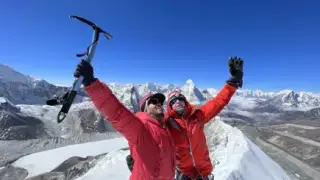
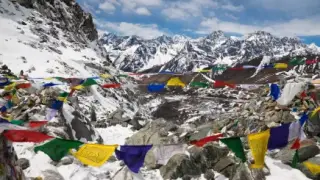
Nepal, with its wonders, is a great destination for a holiday. It is not only a mecca for trekking enthusiasts but also an amazing place to have a relaxing, attractive and absorbing vacation. Since many countries in Asia have discovered that dental tourism is a lucrative business, Nepal has not been different. Owners of private clinics have been investing in dentists' qualifications and equipment to satisfy their clients, both Nepalese and foreigners.
Some clinics and agencies advertise packages that combine dental care with treks and sightseeing tours. Trekking to Annapurna Base Camp, visiting Rara Lake or going honey hunting in hidden forests of Nepal are only a few examples of trips that can be combined with having teeth done. Depending on the type of treatment needed, the time schedule can be discussed individually. One rule makes the whole plan easier. Do the trek first and the dental work at the end, because a fresh filling or extraction can ache on the flight to Lukla or Pokhara and at altitude.
Risky Game Or An Excellent Idea?
While booking a dental holiday, one shouldn't assume that all foreign dentists are good and equally qualified as in the home country. Even though travel agencies and dental clinics set standards, compliance varies. So what should you consider before going abroad for a dental vacation?
- Search for reviews, testimonials and feedback from other patients
- Ask dentists for qualifications and work history. You are the customer, so you have the right to know these things. These are your teeth, and they tell a lot about you!
- Depending on the treatment you need, plan or request the organizing company to have a few days extra, just in case. Some work needs time in between, so have it not to stress. You can always discover the attractions locally in the meantime.
- Some procedures, such as implants, may need even more time to be done. Decide if you want and can travel to that country several times or stay there longer. Nepal's tourist visa on arrival covers 15, 30 or 90 days (USD 30, 50 or 125), and you can extend it up to 150 days in a visa year. If you are retired or can work from home, you may consider a longer stay. Accommodation is usually cheap in Asian countries, along with food and transportation. Even cheaper when booking for a longer period.
- Safe return tip says plan a few extra days after the treatment to check if everything is settled inside your mouth. The truth is that everyone makes mistakes, and it also may happen when doing your teeth abroad. You want time and the option to return to the clinic and fix it before returning home. You may also plan your budget, considering that you might need to return to the treatment country. With more serious procedures, like crowns or implants, the symptoms may appear some time after the work is done. With the savings you make, it isn't hard to put aside some money for an emergency.
These precautions will help you feel more relaxed and avoid unnecessary complications. In the end, this is your holiday!
Example Dental Prices in Kathmandu
Below is an example of the cost of some dental treatments at one clinic in Kathmandu with good reviews from international patients. These are the prices the clinic quoted when this guide was first written. Treat them as a rough guide rather than a current price list, and ask any clinic for a written quote before you start.
|
Treatment |
Price in USD |
|
Root Canal Treatment (RCT) |
|
|
RCT- Anterior Teeth |
60$ |
|
RCT- Premolars |
70$ |
|
RCT- 1st Molar |
90$ |
|
RCT- 2nd Molar |
105$ |
|
RCT- 3rd Molar |
120$ |
|
Fillings |
|
|
Filling- GIC Grade 1-3 |
8-16$ |
|
Filling- Composite Grade 1-3 |
12-20$ |
|
Filling- Miracle Mix Grade 1-3 |
8-16$ |
|
Crown |
|
|
Crown- Metal Crown |
60$ |
|
Crown- Metal Ceramic |
80$ |
|
Crown- All Ceramic (eMax) |
145$ |
How to Check a Dentist in Nepal Before You Book
I got lucky with an insurance referral. If you're planning treatment rather than reacting to a lost filling, run through these checks first. They take an hour or two, and most clinics are used to the questions.
| Check | How to do it |
|---|---|
| Registration | Ask for the dentist's Nepal Medical Council number and look it up with the council's “Find Registered Doctors” search. Specialists (orthodontists, oral surgeons) should show the specialist qualification. |
| Sterilisation | Ask how instruments are sterilised (an autoclave, sealed pouches opened in front of you) and whether needles and gloves are single-use. |
| Materials | For crowns and implants, ask for the brand and origin of the implant or ceramic, and keep the details for your dentist at home. |
| Treatment plan | Get the plan, the number of visits and the full price in writing before any work starts. |
| Records | Ask for copies of X-rays and notes, ideally digital, so your home dentist can follow up. |
| Aftercare | Ask what happens if a filling or crown fails after you leave Nepal, and how long the clinic's guarantee lasts. |
How Soon Can You Fly or Trek After Dental Work?
Cabin pressure drops on every flight, and the air keeps thinning as you trek higher. A tooth that was worked on in the last week can ache when that happens. Dentists call it barodontalgia, and a 2023 British Dental Journal review on dental tourism found that close to a third of cases follow recent treatment. The same review advises avoiding mountaineering and similar pressure changes after dental work. Its earliest safe flying times assume no pain, swelling or bleeding at the site.
| Treatment | Earliest flight (BDJ 2023) |
|---|---|
| Filling or other restoration | 24 hours |
| Simple extraction | 24 to 48 hours |
| Root canal, surgical extraction, simple implant | 72 hours |
| Sinus lift or bone graft | At least 2 weeks |
Treat those as minimums, and follow your own dentist's advice for your case. For a trek, I'd leave more margin than for a flight home, because the Lukla flight, the long climb and the cold all come together and the nearest dentist is days away. The simplest plan is to do the trek first and finish the dental work in Kathmandu at the end of the trip. Our guide to health and safety in Nepal covers the rest of the medical side.
Does Travel Insurance Cover Dental Treatment in Nepal?
My policy paid for both emergency fillings because I lost them on the trip. Most travel policies work this way. They cover emergency pain relief up to a fixed limit, often a small one, and exclude planned or cosmetic treatment such as crowns, implants or whitening. If you go to Nepal for dental work on purpose, expect to pay for it yourself. Check your own policy wording and keep every receipt. See our guide to the best travel insurance for trekking in Nepal for the trekking side of your cover.
There Are Hundreds Of Languages, But A Smile Speaks Them All
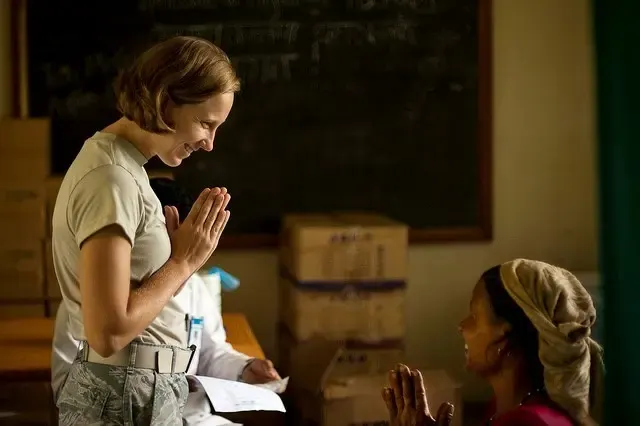
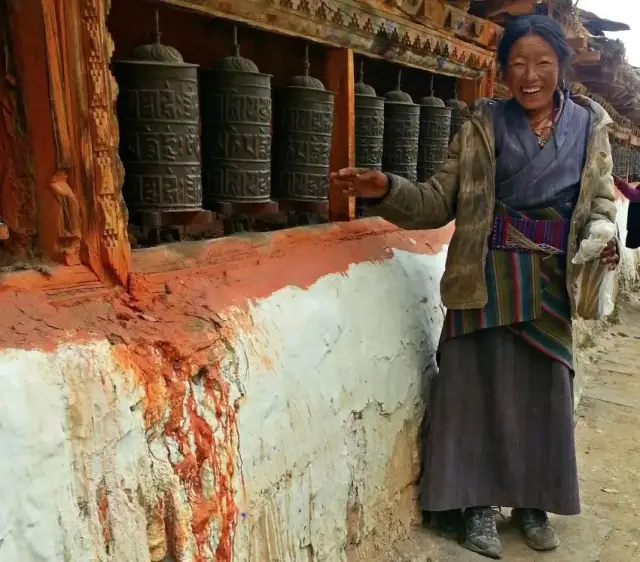
A smile is a universal way to communicate, so take another step and experience that in Nepal! It's not an advertisement, but once you step your foot here, you will know what I'm talking about. Nepalese people are charming, mainly because they smile a LOT!
Wherever you decide to travel, be prepared to be welcomed with a Namaste greeting and smile. These two are very touching gestures and make the travel more pleasant and enjoyable, especially while meeting village people, who often don't speak English.
Alongside, healthy teeth will give you confidence and self-esteem to smile widely. Of course, you can put a lot of effort into taking care of them your whole life, but at some point you will need small or more serious treatment. Do not be afraid to become a dental tourist! Travel, fix your teeth and save. And repeat. (Hopefully not too often!)
'A genuine smile comes from the heart, but a healthy smile needs good dental care'
A note of care before you book a chair: check that your dentist is registered with the Nepal Medical Council, ask directly about sterilisation standards, and request written treatment records for your dentist at home. Prices in Kathmandu are genuinely a fraction of Western rates, but the saving only counts if the work is verifiable.
Planning a Trip Around Dental Treatment with Swotah
Swotah doesn't book dentists or arrange treatment. We can shape the rest of the trip around the dates your clinic gives you, with the trek first, rest days in Kathmandu between appointments and a buffer before your flight home. A few trips that fit well:
| Trip | Days | Highest point | From (group departure) |
|---|---|---|---|
| Best of Nepal Tour | 12 | About 2,175 m | USD 1,010 |
| Poon Hill Trek | 4 | 3,210 m | USD 300 |
| 7 Days Rara Lake Trek | 7 | 2,990 m | USD 900 |
| Wild Honey Hunting in Nepal | 9 | About 2,100 m | USD 1,350 |
| Annapurna Base Camp Trek | 7 to 14 | 4,130 m | USD 1,000 |
Prices are per person on the cheapest upcoming group departure. Swotah can arrange any of these as a private trip, which lets you set the start date around your treatment. Tell us the dates your dentist suggests when you contact us, and we'll build the itinerary from there.
FAQs: Dental Tourism in Nepal
Is dental treatment in Nepal safe?
It can be. Kathmandu has modern private clinics and hospital dental units with well-trained dentists, but standards vary. Check the dentist's Nepal Medical Council registration, ask about sterilisation and get a written treatment plan before any work starts.
How much does a filling cost in Nepal?
I paid NPR 5,000, about USD 40 at the time, for two composite fillings and a full-jaw X-ray in Kathmandu. One clinic's list put a composite filling at about USD 12 to 20. Prices change, so ask for a written quote.
How do I check that a dentist in Nepal is registered?
Ask for the dentist's Nepal Medical Council (NMC) registration number and look it up with the “Find Registered Doctors” search on the council's website. The NMC registers dental surgeons as well as doctors.
Can I go trekking after dental work in Nepal?
Leave it until the treated tooth has fully settled, and ask your dentist. A 2023 British Dental Journal review advises avoiding mountaineering and other pressure changes after dental work, and gives at least 24 to 72 hours before flying for most treatments. The easiest plan is to trek first and have the dental work at the end of the trip.
Does travel insurance cover dental treatment in Nepal?
Usually only emergency pain relief, up to a limit. Planned treatment such as crowns, implants or whitening is normally excluded, so check your policy wording before you rely on it.