



India
A subcontinent of its own
From the Himalayan monasteries of Ladakh to the backwaters of Kerala: 1.4 billion people, 22 official languages and 42 UNESCO sites. We run India mostly as a multi-country trip alongside Nepal.
2 distinct landscapes
Tap a region to filter the trips below.
How to Take On a Country This Size
India spans 3.3 million km² and 1.4 billion people, which makes it the most populous country on Earth and the seventh largest by area. It has 28 states and 8 union territories, and the variation between them is not decorative: each has its own cuisine, language family, festival calendar and architecture. Trying to see India in one trip is the mistake almost every first-time visitor makes.
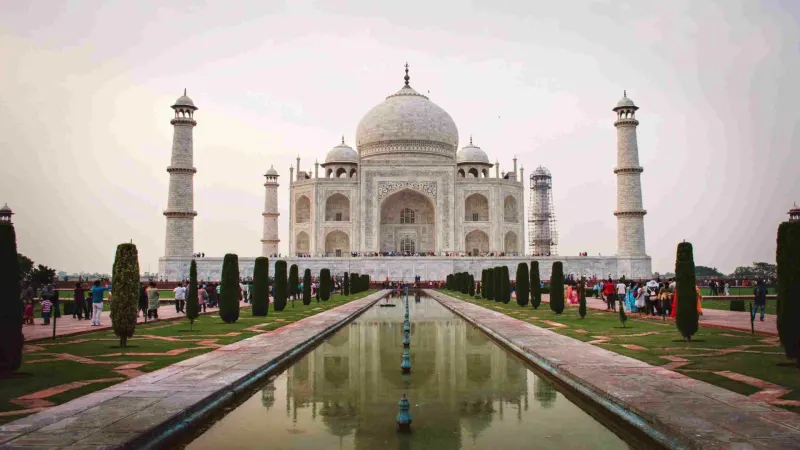
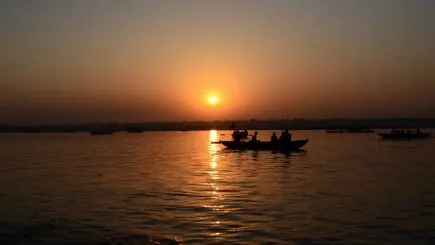
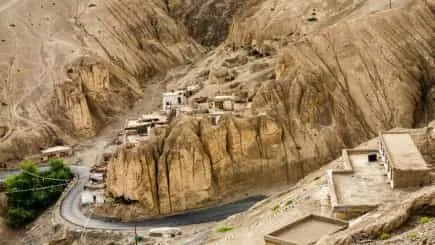
Pick one Indian region and commit to it. The Golden Triangle of Delhi, Agra and Jaipur covers Mughal heritage and the Taj Mahal, and is the standard first trip for good reason. Rajasthan extends it with desert forts and the lake palaces of Udaipur. Varanasi on the Ganges is the holiest city in Hinduism and unlike anywhere else. Ladakh in the Himalayan north holds Tibetan Buddhist culture that some argue survives more intact there than in Tibet itself. The Kerala backwaters are the opposite of all of it: slow, tropical, green.
Where does Swotah fit? We are a Kathmandu operator, so we run India mainly as multi-country trips built around Nepal: Nepal with Varanasi and Delhi, Nepal with Bhutan and Sikkim, or Nepal with Ladakh and Kashmir. Those combinations work because the geography is contiguous and the flights are short. India issues an e-visa online before travel, which is straightforward, and unlike Tibet or Bhutan there is no guide requirement or nightly fee. See Varanasi for the leg most of our trips include.
- 01Taj Mahal
Built 1632 to 1653 as Shah Jahan's mausoleum for Mumtaz Mahal. UNESCO-listed and India's most visited site.
- 02Varanasi
Over 3,000 years old, 88 ghats, and the holiest city in Hinduism. Cremations have run unbroken at Manikarnika for 2,500 years.
- 03Ladakh
Khardung La at 5,359 m, Pangong Lake, and Tibetan Buddhist monasteries that some argue are more intact than Tibet's.
- 04Rajasthan
Jaipur, Udaipur, Jodhpur and Jaisalmer. Rajput citadels 800 years old and the desert around them.
- 05Kerala Backwaters
Houseboats on tropical canals, the old spice port at Cochin, and the Ayurvedic tradition.
- 0642 UNESCO Sites
Third most in Asia, spanning Buddhist, Hindu, Mughal, colonial and natural heritage.