

Tibet
Roof of the World
An average elevation of 4,500 m, higher than any other inhabited region on Earth. Tibet holds the Potala Palace, the Kailash pilgrimage and Everest's northern side. Every foreign visitor needs a permit and a guide.
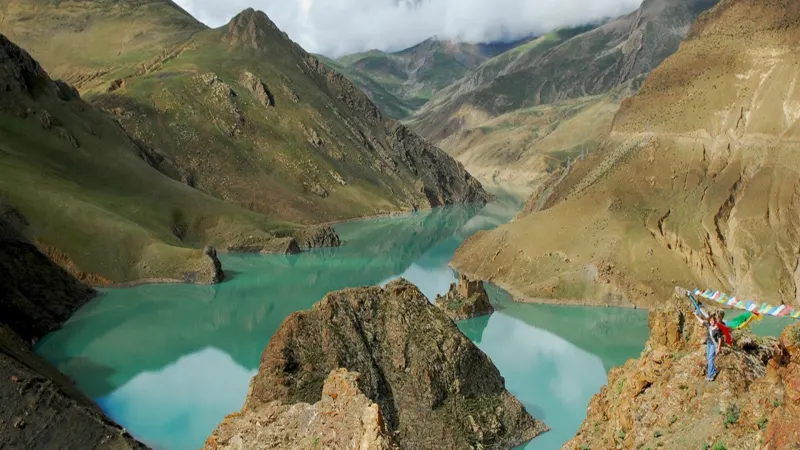
1 distinct landscape
Tap a region to filter the trips below.
The Highest Plateau on Earth
Tibet covers 1.2 million km² at an average elevation of 4,500 m, which makes it the largest and highest plateau on the planet and the highest inhabited region anywhere. It has been the Tibet Autonomous Region of China since 1965. The Yangtze, Mekong, Brahmaputra and Indus all rise here, which is why the plateau is sometimes called Asia's water tower, and it is the cradle of Vajrayana Buddhism.
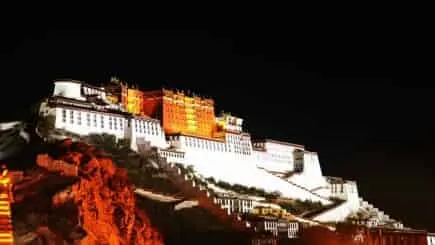
Lhasa, the capital, sits at 3,656 m and was founded in the 7th century. The Potala Palace was the seat of the Dalai Lamas from the 17th century until 1959, and the Jokhang remains the holiest building in Tibetan Buddhism, with pilgrims walking its Barkor circuit daily. From Lhasa the classic routes run south to Everest Base Camp on the north side, which is the original 1920s British approach, or west to Mount Kailash, sacred to Hindus, Buddhists, Jains and Bon alike.
Tibet's permit rules are the thing to understand before you plan anything else. Every foreign visitor needs a Tibet Travel Permit on top of a Chinese visa, must travel on a guided itinerary, and cannot travel independently. Permits are issued to registered agencies, never to individuals, and they are checked repeatedly on the road. Entering from Kathmandu changes the paperwork again: you need a Chinese Group Visa obtained in Nepal rather than a standard tourist visa. We run Tibet as a multi-country trip with Nepal; Lhasa covers the city itself.
- 01Potala Palace
The former seat of the Dalai Lamas. Thirteen storeys, around 1,000 rooms, UNESCO-listed. Entry is by timed ticket only.
- 02Jokhang Temple
Founded around 642 AD and the holiest building in Tibetan Buddhism, with the Barkor pilgrimage circuit around it.
- 03Mount Kailash
Sacred to four religions and never climbed. The 52 km kora crosses the Dolma La at 5,650 m and runs May to September only.
- 04Everest, North Side
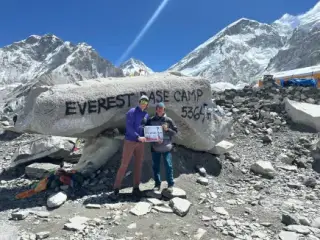
You can drive to Base Camp at 5,200 m. This was the route of every British attempt from 1921 to 1953.
- 05Friendship Highway
816 km from Lhasa to the Nepal border over the Gyatso La at 5,200 m. One of the great land crossings.
- 06Permit, Not Optional
A Tibet Travel Permit plus a Chinese visa, a licensed guide and a fixed itinerary. Independent travel is not allowed.
Find your Tibet adventure
.webp)
Kailash Mansarovar Heli Tour
10 daysFrom $4,010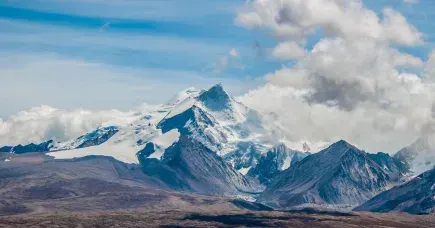
Mount Shishapangma Expedition
44 daysFrom $11,900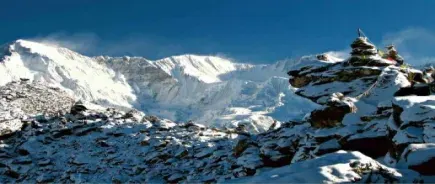
Cho Oyu Expedition
44 daysFrom $27,000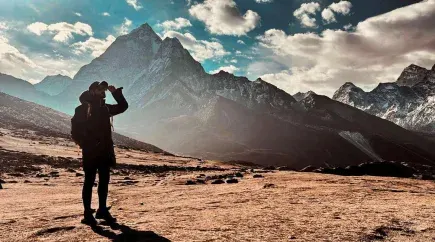
Mount Kailash Tour with Everest Base Camp
15 daysFrom $2,999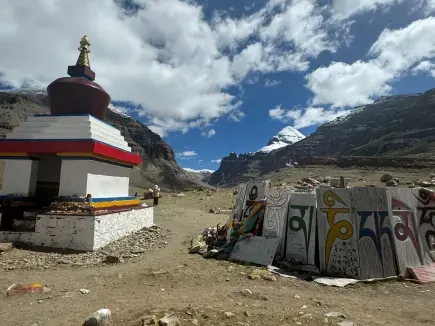
Kailash Mansarovar Overland Tour
18 daysFrom $2,550
Best of Nepal, Bhutan and Tibet
21 daysFrom $3,450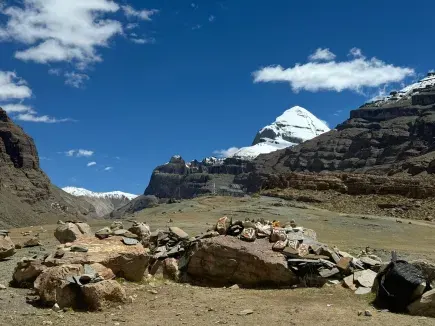
Kailash Mansarovar via Limi Valley
25 daysFrom $3,995