

Mountaineering
Climb Nepal's Giants
Nepal is home to eight of the world's fourteen 8,000-metre peaks. Whether you're taking your first steps on a trekking peak or mounting a full Everest expedition, this is where the world comes to climb.
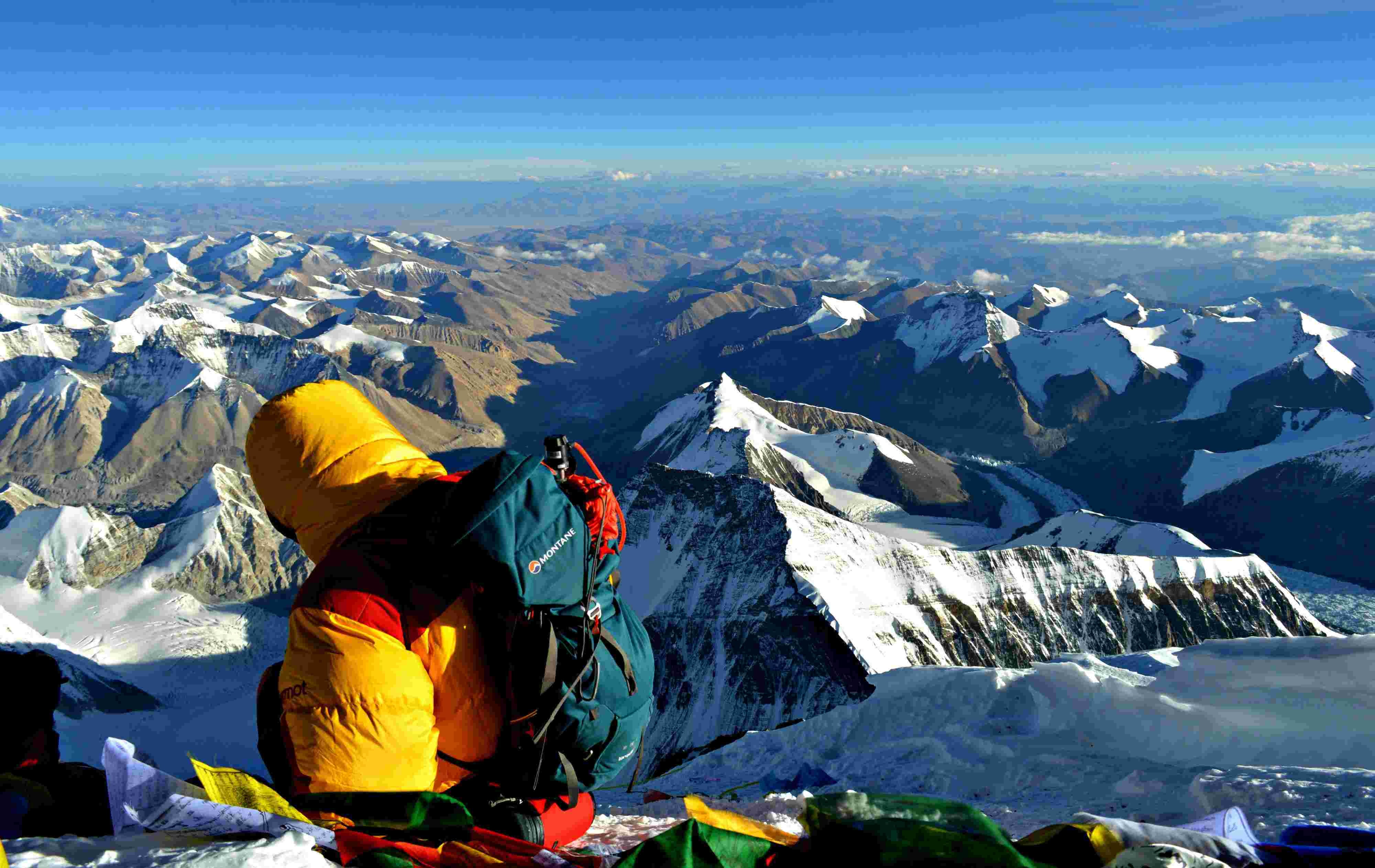
All Mountaineering trips
12 hand-crafted mountaineering itineraries — from short tasters to multi-week expeditions.
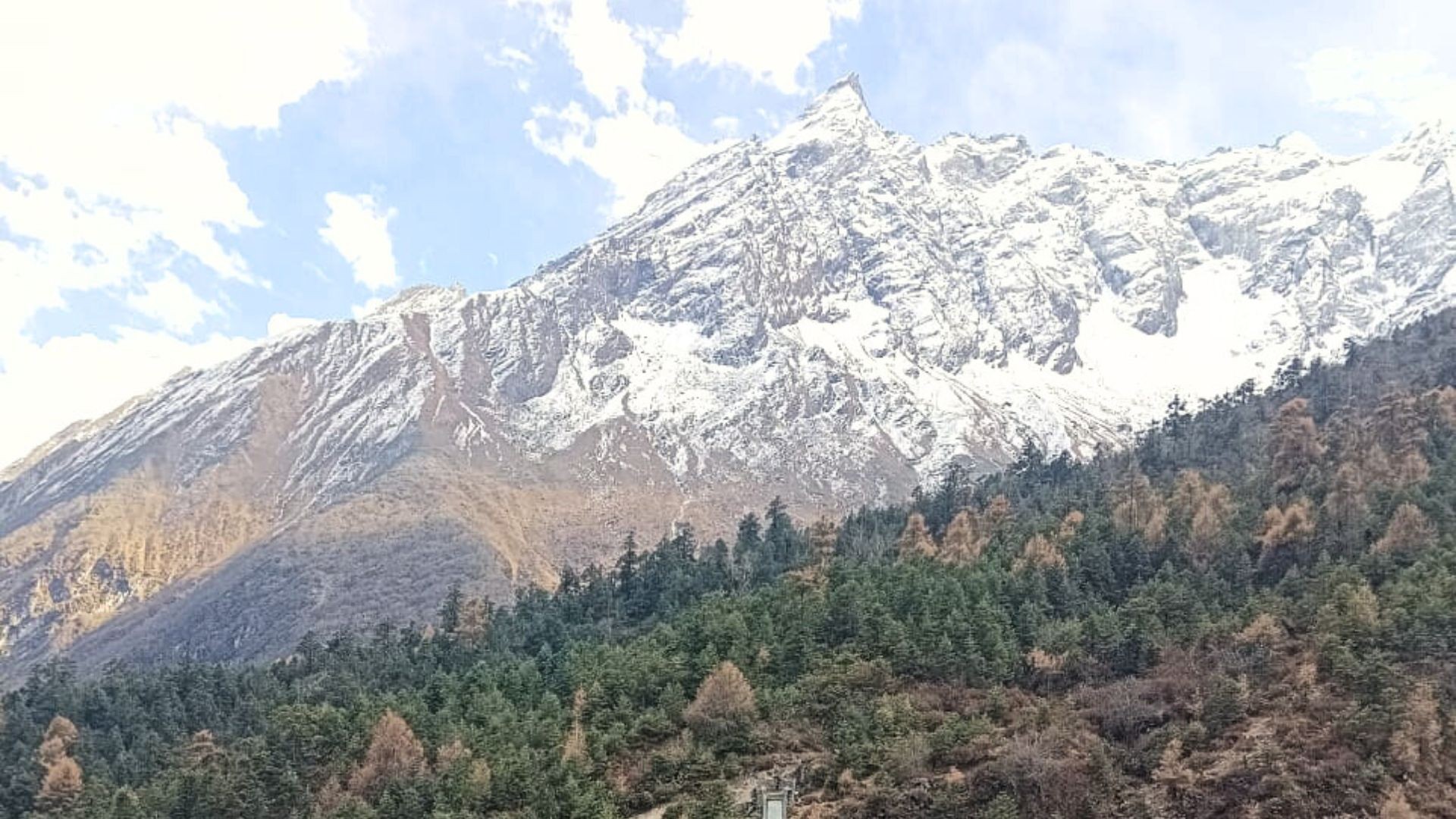
Manaslu Expedition
50 daysFrom $14,500
Cho Oyu Expedition
44 daysFrom $27,000
Annapurna I Expedition
48 daysFrom $18,000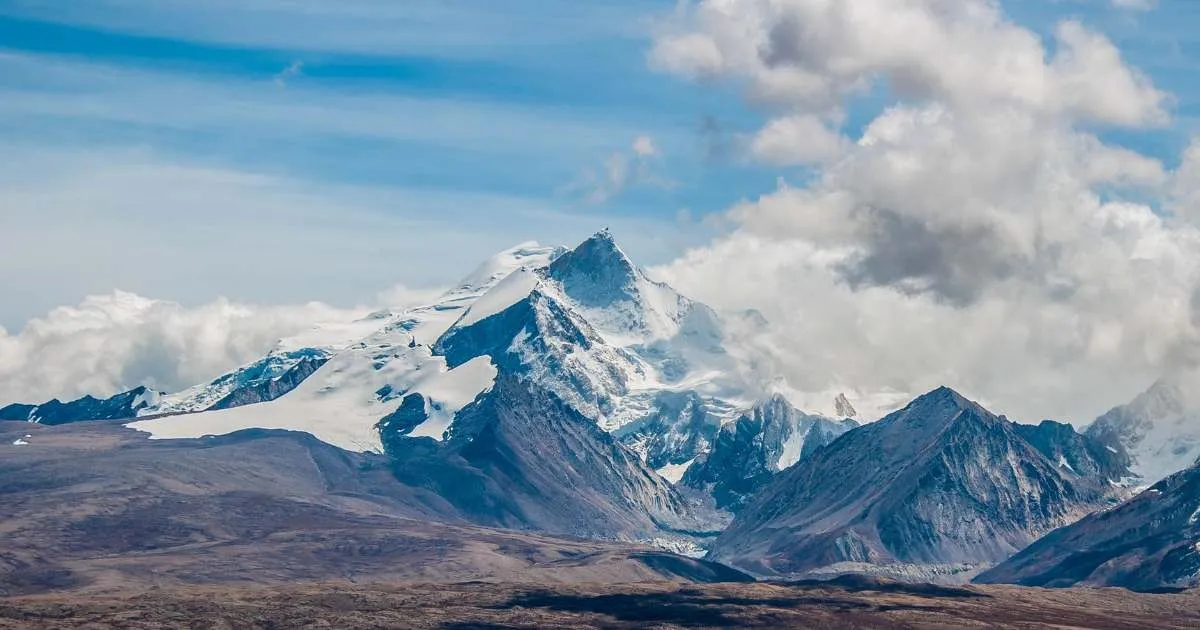
Mount Shishapangma Expedition
44 daysFrom $11,900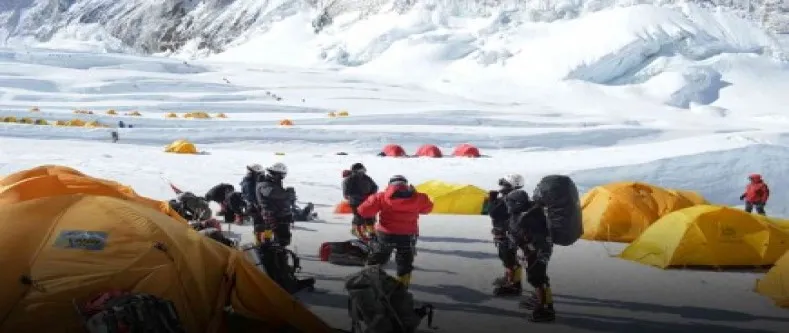
Mount Everest Expedition
64 daysFrom $45,500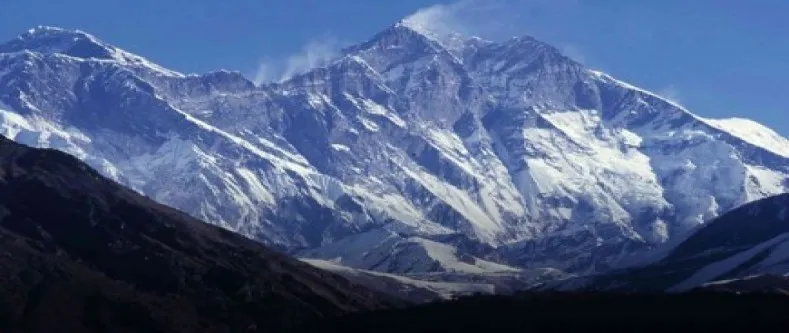
Lhotse Expedition
43 daysFrom $19,690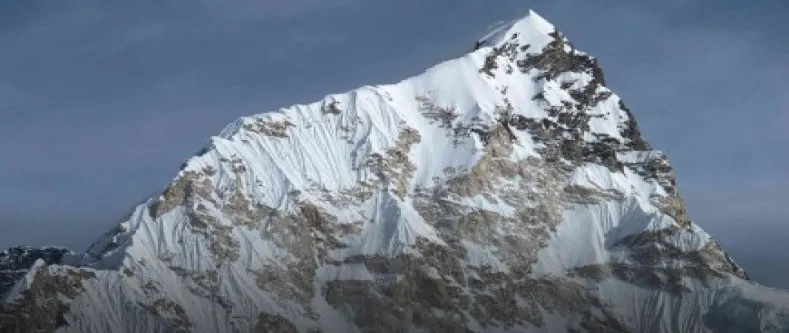
Mount Nuptse Expedition
43 daysFrom $12,250
Ama Dablam Expedition
29 daysFrom $6,999.webp)
Mount Pumori Expedition
36 daysFrom $9,790
Why Nepal is the World's Mountaineering Capital
Nepal's Himalayan range covers 77% of the country's total area, with peaks that test every level of climber — from introductory trekking peaks like Island Peak and Mera Peak, to the legendary summit of Everest. The country's network of experienced guides, established base camps, and well-regulated permit system make it the safest and most accessible place on Earth to attempt high-altitude climbing.
The Nepal Mountaineering Association (NMA) recognises 414 expedition peaks and 33 trekking peaks. Edmund Hillary and Tenzing Norgay opened the country's mountaineering era when they summited Everest on 29 May 1953, and Nepal's Sherpa community has anchored every major climb since.
Find your level
- TREKKING PEAKS
Trekking Peaks
Under 6,500m · No technical experience requiredPerfect for fit trekkers ready to take their first summit. These peaks involve glacier crossings and fixed-rope sections but require no prior mountaineering experience.
- Island Peak (6
- 189m)
- Mera Peak (6
- 476m)
- Lobuche East (6
- 119m)
5,500m – 6,500m - TECHNICAL
Technical Climbing
6,500m – 7,000m · Alpine experience neededFor experienced climbers with alpine skills. These peaks demand rope work, ice axe use, crampon technique, and the ability to navigate crevassed glaciers in high winds.
- Ama Dablam (6
- 812m)
- Pisang Peak (6
- 091m)
- Chulu Far East (6
- 059m)
6,500m – 7,000m - ★ HIGH ALTITUDE
High-Altitude Expeditions
7,000m+ · Expert climbers onlyThe ultimate mountaineering challenge. Multi-week expeditions requiring prior 7,000m+ summit experience, full acclimatisation rotations, supplemental oxygen and a skilled support team.
- Everest (8
- 849m)
- Manaslu (8
- 163m)
- Cho Oyu (8
- 188m)
7,000m – 8,849m
Nepal's most sought-after summits
Skills & gear checklist
Required skills
- Physical Fitness
Ability to trek 6–8 hours per day at altitude for 2+ weeks. Strong cardiovascular endurance essential.
- Crampon & Ice Axe Use
Confident use of crampons on steep ice and self-arrest technique with an ice axe.
- Fixed Rope Technique
Ascending and descending fixed ropes using jumar ascenders and figure-eight descenders.
- Altitude Acclimatisation
Prior experience at 5,000m+ strongly recommended. Ability to recognise AMS symptoms in yourself and teammates.
- Rope Management
Basic knots, anchor building, and rappelling for technical routes above 6,500m.
Essential gear
- Double Plastic Mountaineering BootsEssential
- 12-Point CramponsEssential
- Ice Axe (70cm)Essential
- Down Suit (–30°C rated)8,000m peaks
- Jumar Ascenders (pair)Essential
- Supplemental Oxygen & Mask8,000m peaks
- Helmet & HarnessEssential
- Sleeping Bag (–40°C rated)Essential
- Altitude Tent (high camp)Expedition
- Satellite CommunicatorRecommended
Best season & permits
When to go
Permits
- $11,000Everest Permit (Spring)Issued by the Nepal Department of Tourism · Per person
- $1,800–$5,0008,000m Peak PermitsManaslu · Cho Oyu · Dhaulagiri · Kanchenjunga
- $400–$600Technical Peaks (6,500–7,000m)Ama Dablam · Pisang Peak · Chulu Far East
- $250Trekking Peaks (under 6,500m)Island Peak · Mera Peak · Lobuche East · Pokhalde