


How to Pack Light Under 10 kg for Trekking: Women's Guide to Backpacking
Packing light is one of the most practical decisions you can make before a Nepal trek. At altitude, every kilogram you carry translates directly into fatigue, slower acclimatisation, and reduced enjoyment on the trail. A pack under 10 kg gives you independence from a porter for day hikes, keeps your centre of gravity low on steep switchbacks, and means you can move at your own pace without your bag making the decisions for you.
This guide is written specifically for women trekking in Nepal, covering clothing, toiletries, trekking essentials, and a few optional extras, all within a realistic 10 kg target. The weights listed are approximate, and your exact kit will vary depending on the season and the specific trek you choose.
Why 10 kg?
The 10 kg threshold is not arbitrary. At 4,000 m and above, where the air holds about 60 percent of the oxygen available at sea level, a heavy pack is genuinely limiting. Staying under 10 kg also means you retain the option of carrying it yourself, which gives you freedom on rest days, side trips, and early-morning starts without waiting for a porter. If you do hire a porter, which supports local employment and is entirely reasonable, a light pack simply makes their work safer too.
Clothing
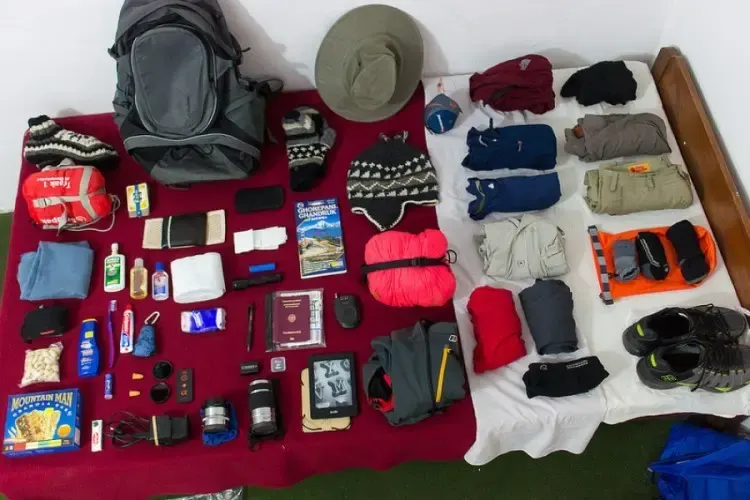
A layering system is the most weight-efficient way to dress for trekking in Nepal. Temperatures can swing from 20°C at midday to well below zero at high camp, so the goal is versatile pieces that combine rather than single-use garments that just add bulk.
Merino wool is worth the higher upfront cost. It regulates temperature across a wide range, resists odour far better than synthetic fabrics, and means you can wear the same base layer for several consecutive days, a real advantage when pack weight matters.
- 2 merino wool or moisture-wicking base layer tops
- 1 lightweight long-sleeve thermal top
- 2 pairs of trekking pants (zip-off legs are versatile in variable weather)
- 1 fleece mid-layer or softshell jacket
- 1 waterproof and windproof outer shell jacket
- 1 lightweight down or synthetic insulated jacket for high altitude and cold evenings
- 3–4 pairs of moisture-wicking underwear (merino if budget allows)
- 2–3 pairs of trekking socks (wool blend, full-length)
- 1 pair of liner socks to reduce blisters
- 1 warm hat covering the ears
- 1 lightweight neck gaiter or buff for above 4,000 m
- 1 sun hat with a wide brim (UV protection at altitude is serious)
- 1 pair of lightweight liner gloves
- 1 pair of warmer gloves or mittens for high passes
- 1 set of comfortable camp clothes for teahouse evenings
- 1 pair of lightweight sandals or camp shoes
- 1 small microfibre travel towel
Toiletries and Cosmetics
High-altitude trekking in the Himalayas exposes you to intense UV radiation even on overcast days. Sunscreen and lip protection are not optional extras, they are daily essentials. Decant everything into small 50 ml containers. Most brands and resupply items are available in Kathmandu at reasonable prices, so there is no need to bring full-sized products from home.
- High-SPF sunscreen (SPF 50 or above), at least 100 ml, applied every morning and reapplied on exposed skin
- SPF lip balm, lips dehydrate and burn quickly above 3,500 m
- Face moisturiser (the dry mountain air accelerates skin dehydration)
- Travel-sized shampoo and conditioner, or a solid shampoo bar
- Travel-sized body wash or a small soap bar
- Toothbrush and small toothpaste
- Deodorant (stick, not aerosol)
- Skincare treatment for your skin type in a travel-sized container
- Feminine hygiene products for your full trek duration, a menstrual cup is the lightest and most practical option, eliminates waste disposal concerns on the trail, and works reliably at altitude; if you prefer disposable products, pack enough and carry out all waste
- Toilet paper and hand sanitiser for trail use
- Any prescription medications you take regularly
Trekking Essentials
These items carry real safety weight and should not be cut regardless of pack pressure.
- Head torch with spare batteries, essential for early starts, teahouse rooms with unreliable power, and any trail that might run long into the evening
- Sleeping bag rated to -10°C for treks above 4,500 m (Everest Base Camp, Annapurna high passes); teahouses provide blankets but not reliably warm ones at altitude
- Sunglasses with UV400 protection, category 3 or 4 lenses, snow blindness is a real risk above the snowline
- Water purification, iodine tablets or a lightweight filter such as a SteriPen; reduces plastic waste and ensures safe hydration from taps and streams
- Basic first aid kit: blister treatment, paracetamol and ibuprofen, antihistamine, rehydration sachets, and Diamox (acetazolamide) if prescribed by your doctor for altitude sickness prevention, consult a travel medicine clinic before departure
- Trekking poles, optional on lower routes but recommended above 3,500 m for descent load on the knees; can be rented in Kathmandu or Pokhara if you prefer not to carry them on flights
- Power bank (10,000 mAh is a good weight-to-capacity balance) for charging in teahouses where sockets are often limited or charged per use
- Trekking boots, broken in before the trip, blisters at altitude are a genuine hazard; do not attempt the Everest or Annapurna routes in new boots
Optional Items
If you have space after packing essentials:
- Camera, Nepal's light is extraordinary and many trekkers find the photographs alone justify the weight; a good smartphone camera is a reasonable alternative
- E-reader loaded with several books, rest days and long teahouse evenings are a real part of the trekking experience
- Earplugs, teahouse walls are thin and roosters start early
- A small notebook and pen
- A lightweight dry bag or simple bin liner to protect gear during river crossings or heavy rain
Weight Management Tips
- Wear your heaviest items on travel days, trekking boots, down jacket, and fleece can all be worn rather than packed, saving 1.5–2 kg immediately
- Buy toiletries in Kathmandu, Thamel and local supermarkets stock sunscreen, shampoo, soap, and pharmaceutical basics; no need to carry full-sized products from home
- Decant everything, 50 ml containers of each product add up to significant savings across a full packing list
- Choose a 35–45 litre pack, larger packs invite overpacking; if your kit fits a 38-litre bag with space to spare, your weight is probably right
- Lay everything out and weigh before packing, a small luggage scale removes guesswork; cut anything without a clear daily use on trail
- Rent what you use infrequently, sleeping bags, trekking poles, and down jackets can all be hired in Kathmandu at reasonable daily rates
For a detailed breakdown of every piece of gear covered here, see our complete trekking gear and equipment guide. If you are still choosing your trek, both the Annapurna Circuit and Everest Base Camp Trek are routes where a light, well-chosen pack makes a noticeable difference to your experience.