The Kora is the ritual circumambulation of a sacred place—in this case Mount Kai…
The Kora is the ritual circumambulation of a sacred place—in this case Mount Kailash. 52 km / 32 miles long with a maximum altitude of 5,630 m / 18,471 ft, it is one of the most demanding and spiritually significant walks in the world. Hindu and Buddhist pilgrims from India, Nepal, China, Bhutan and beyond arrive every year in the summer months; some complete the Kora multiple times, and a small number prostrate themselves the entire way round (lying full length on the ground, standing, stepping to where their hands were, and lying down again), a feat that takes two to three weeks.
Day one of the Kora (13 km, 5 to 6 hours): Drive from Darchen to Yama Dwar, the official starting gate of the Kora, and walk along the Lha Chu river valley with the north and west faces of Kailash gradually revealing themselves. Overnight at Diraphuk (4,950 m), a guesthouse on the north face with some of the best close-up views of the mountain.
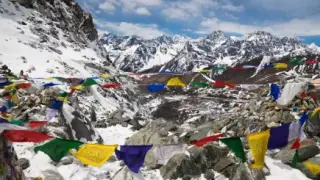
Day two of the Kora (22 km, 9 to 10 hours): The most demanding day. Leave before dawn for the ascent to the Drolma La Pass—5,630 m / 18,471 ft, the highest point of the Kora and among the highest walking passes in the world. Bring a packed lunch. Pass Shiva Tsal, a sacred spot for Hindus. At the pass, hundreds of prayer flags mark the crossing. The descent is long and steep, passing Gauri Kunda lake below and crossing a valley before reaching Zuthul Puk guesthouse (4,850 m). The cave at Zuthul Puk is said to contain Buddha's footprints and handprints. Overnight at Zuthul Puk.
Day three of the Kora (approximately 2 hours): A shorter, easier morning walk to complete the Kora circuit back near Darchen. There is time to explore caves near Zuthul Puk before the vehicle collects you. Pony hire: for those who cannot manage the full Kora trek, ponies are available at Darchen (USD 100 to USD 150 per day, depending on season; book in advance through Swotah). Ponies carry you to the top of the Drolma La Pass; you must descend the far side on foot. Even with a pony you pay for a full day.