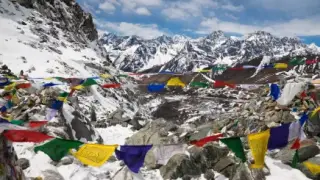
Lower Dolpo Trek

4.9482+ reviews across platformsRecommended on Tripadvisor

A 19-day restricted camping trek in far-western Nepal, crossing the Numa La (5,310 m) and Baga La (5,170 m) to the deepest lake in Nepal, Phoksundo Lake.

Duration
19 days
Highest point
5,310 m17,421 ft
Group
Max 8 people
Region
Dolpo Region, Nepal
Best season
Spring · Autumn
Stay
Full-service camping; hotels in Kathmandu and Nepalgunj
Meals
Three camp-cooked meals daily; treat all water
Transport
Flights via Nepalgunj and Juphal airstrip
Dates & Prices

Choose your date

All dates are guaranteed departures — we never cancel for low numbers. Book online or send a quick enquiry.

Year
Month
6 departures · 2027
Mar
6
Mar 6, 2027 — Mar 24, 2027
Guaranteed departure — from 2 trekkers
Available
USD4,200
per person
Apr
3
Apr 3, 2027 — Apr 21, 2027
Guaranteed departure — from 2 trekkers
Available
USD4,200
per person
May
8
May 8, 2027 — May 26, 2027
Guaranteed departure — from 2 trekkers
Available
USD4,200
per person
Sep
12
Sep 12, 2027 — Sep 30, 2027
Guaranteed departure — from 2 trekkers
Available
USD4,200
per person
Oct
11
Oct 11, 2027 — Oct 29, 2027
Guaranteed departure — from 2 trekkers
Available
USD4,200
per person

Can’t find a suitable date? We run private departures on any date with as few as 2 trekkers.

Trip Overview

About the Lower Dolpo Trek

The Lower Dolpo Trek is a 19-day restricted-area camping trek in far-western Nepal, circling through Shey Phoksundo National Park to the deep-blue Phoksundo Lake at 3,612 m, the deepest lake in Nepal, and crossing two high passes: the Numa La at approximately 5,310 m and the Baga La at approximately 5,170 m. The route runs through a remote pocket of far-western Nepal where Tibetan-influenced Bon culture has persisted largely unchanged for centuries.

The trek begins with a short flight from Nepalgunj to Juphal (near Dunai), then climbs through Tarakot, Laini and Dho Tarap, a village of flat-roofed stone houses on the high Tibetan plateau. After crossing the Numa La and the Baga La, the route descends to Phoksundo Lake, one of the most striking bodies of water in the Himalayas, before returning west via Chepka and Rupghat to Juphal. The entire high section is above 3,500 m, and the two pass crossings are the physical crux of the trip.

This is a fully supported camping trek. There are very few teahouses in the Dolpo highlands, so the expedition moves with tents, a cook, a dining shelter and pack animals or porters carrying camp equipment. That self-contained structure means the route is possible and comfortable even in remote sections where no lodges exist. The permit costs, passes and what to pack are covered in the guide sections below.

Last updated October 2026

Trip Highlights

Highlights

  • Phoksundo Lake: the deepest lake in Nepal at 3,612 m

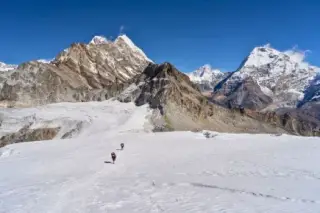
  • Cross the Numa La (5,310 m) and Baga La (5,170 m) back-to-back

  • Dho Tarap: a Bon-culture village on the high Tibetan plateau at 3,950 m

  • A restricted camping trek far less visited than Upper Dolpo or the classic Nepal circuits

  • Lower Dolpo permit at ~USD 20/week: the most affordable restricted-area trek in Nepal

  • Far-western Nepal, Shey Phoksundo National Park: 3,555 sq km of protected wilderness

Day by Day

Lower Dolpo Trek Itinerary: 19 Days

Tap any day to expand — altitudes, walking times, meals, and overnight details for every stage of the journey.

What’s included

What's included

What your trip price pays for, and what to budget for yourself.

Included11

  • Airport transfers;
  • Standard/Deluxe rooms in Kathmandu on twin/double sharing with breakfast;
  • Guided sightseeing tour in Kathmandu with a professional guide in a private vehicle;
  • Accommodation during the trek (or camping in case of need);
  • All meals (breakfast, lunch, dinner) during the trek;
  • Authorized English-speaking guide along with porters (2:1);
  • Equipment clothing for porters, including their insurance;
  • All applicable government tax;
  • All expenses for all staff: meals, accommodation, salary, equipment, insurance, transportation;
  • All necessary paperwork and Trekking Permit, Trekkers' Information Management System fees (TIMS);
  • Medical kit.

Not included8

  • International flights;
  • Nepalese visa fee
  • Extra night accommodation in Kathmandu because of early arrival, late departure, or early return from the mountain due to any reason other than the scheduled itinerary;
  • Lunch and evening meals in Kathmandu;
  • Travel and rescue insurance;
  • Entrance fees during sightseeing;
  • Personal expenses (phone calls, laundry, bar bills, battery recharge, extra porters, bottle or boiled water, shower, etc.);
  • Tips for guide(s), porter(s) and driver(s).

How Hard Is the Lower Dolpo Trek?

The Lower Dolpo Trek is a strenuous, remote camping trek. The route crosses the Numa La at approximately 5,310 m and the Baga La at approximately 5,170 m, spends several nights above 3,500 m, and runs through sections where there are no teahouses, so altitude, physical stamina and comfort with camping conditions are the core requirements.

6/ 10Hard

Strenuous and remote. 5-8 hr days, max altitude ~5,310 m (Numa La). Two high passes, camping throughout; strong fitness, altitude awareness and a pre-trip health check are essential.

Trail days
16

Effort by stage

Estimated from each day's altitude and walking time

  • Day 1–3Kathmandu → Nepalgunj2
  • Day 4–6Nepalgunj → Laini4
  • Day 7–10Laini → Numa La Base Camp6
  • Day 11–12Numa La Base Camp → Yak Kharka9
  • Day 13–14Yak Kharka → Phoksundo Lake6
  • Day 15–17Phoksundo Lake → Juphal4
  • Day 18–19Juphal → Kathmandu2
Trip Details

Planning your Lower Dolpo Trek

Everything you need to plan the trek, topic by topic. Tap any one to open it.

The Lower Dolpo Trek is graded strenuous, and altitude is the primary factor. The Numa La sits at approximately 5,310 m and the Baga La at approximately 5,170 m, and the route spends four to five consecutive nights above 3,500 m between Dho Tarap and Phoksundo Lake. Acute mountain sickness (AMS) is a real risk at these elevations, and the itinerary builds in an acclimatisation day at Dho Tarap (3,950 m) before the pass sequence.

Daily walking runs 5 to 8 hours on remote, unmaintained trail where route-finding and river crossings are common, and pass days start before dawn. There is no technical climbing, but the two-pass crossing on consecutive days (D10 and D11) is the physical crux: both are above 5,000 m with significant ascent and descent. Anyone with a cardiac or respiratory condition should have a full health check before booking. Swotah guides carry a first-aid kit, a pulse oximeter, and have experience managing altitude on this route.

Spring (April to early June) and autumn (mid-September to November) are the two main trekking windows for Lower Dolpo. Spring offers warming temperatures at…

Lower Dolpo sits inside a restricted zone that requires a special Restricted Area Permit (RAP), issued only through a registered Nepalese trekking agency and…

The Lower Dolpo Trek is a fully supported camping trek throughout the trekking section. There are very few teahouses in the Dolpo highlands, and beyond Dunai…

Food on the Lower Dolpo Trek is cooked by the Swotah camp cook, who prepares breakfast, a packed or hot lunch, and dinner from supplies brought by the support…

Lower Dolpo is accessed by air. The standard route is a 45-minute flight from Kathmandu to Nepalgunj, Nepal's main far-western hub, followed by a 30-minute…

Phoksundo Lake at 3,612 m is the deepest lake in Nepal, at approximately 145 m depth, and one of the most strikingly coloured: the water is turquoise-blue, fed…

A licensed trekking guide is legally required on the Lower Dolpo Trek, as it is a restricted area where permits are issued only to guided groups. Swotah's…

Mobile coverage in Lower Dolpo is very limited. Nepal Telecom (NTC) provides a signal in Dunai and at Juphal, and occasionally in Tarakot, but above Laini the…

Shey Phoksundo National Park is one of Nepal's most ecologically intact regions, and Dolpo's Bon-culture villages are socially fragile communities. Carry a…

What to pack

What to pack

The full kit list. Anything we loan (sleeping bag, down jacket) is called out — bring everything else.

    • Duffel bag (carried by porter/pack animal)
    • Daypack (25-30 L)
    • Dry bag or waterproof liner
    • Packing cubes
Frequently Asked

Questions & Answers

Everything trekkers ask before booking. Don't see yours? Tap Enquire — we usually reply within a few hours.

  • Yes, our representative will be there to greet you at the airport. Upon arrival, you will be transferred to your hotel by a private car/jeep.
Why Travel with Swotah

Why Book the Lower Dolpo Trek with Swotah

Most Nepal operators look the same from the outside. Here's what actually makes the difference.

  • Born in Nepal

    100% locally owned since 2016. Trek profits stay with the mountain families and village schools along your route.

  • Guaranteed Departures

    Every date on our calendar runs, even with only two trekkers. You never pay to be cancelled.

  • Certified Guides

    Government-licensed, English-speaking and trained in first aid and altitude medicine. All come from Nepal's mountain districts.

  • Small Groups

    Small groups, never more than 8 trekkers. You get a real experience, not a convoy.

  • Gear Included

    Sleeping bag and down jacket loaned at no extra charge.

  • Flexible Payment

    Deposit from 10% to confirm, balance before departure or in cash on arrival. Reschedule up to 30 days prior.

  • 24/7 Support

    Kathmandu office and dedicated WhatsApp emergency line. We answer at 2am if needed.

  • Hall of Fame

    TripAdvisor Travelers' Choice 2023, 2024 and 2025. Hundreds of verified five-star reviews.

Explore more
Planning a trip?

Get a free personalised travel brief for the Lower Dolpo Trek.

Tell us your dates and group size. Our team in Kathmandu will put together a tailored itinerary, honest costs and practical tips. Free, with no commitment.

  • Day-by-day itineraryBuilt around your dates
  • Honest, itemised costsNo hidden fees
  • Packing list & permitsWhat to bring, what to get

Replies within a few hours · Kathmandu team