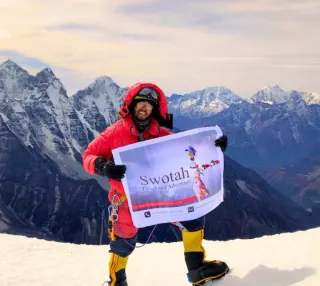
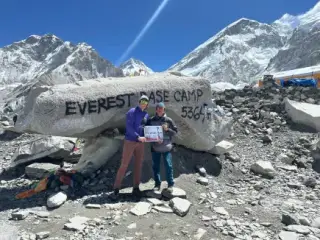
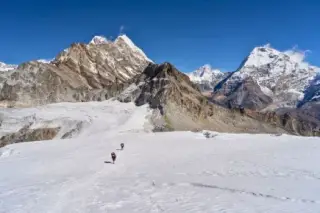

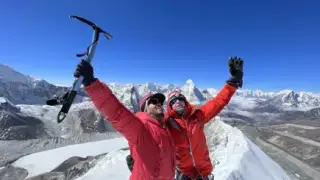
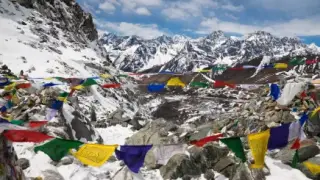

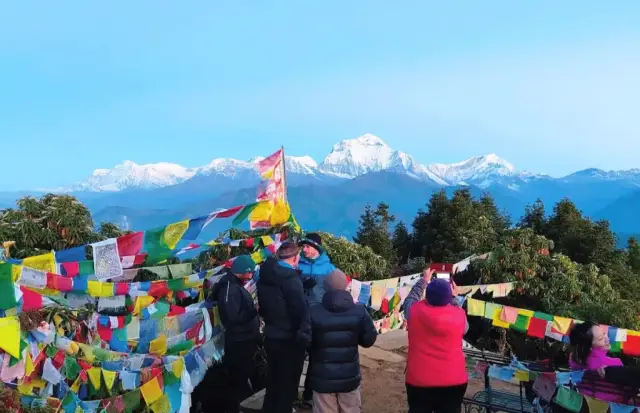

Yes, Nepal is safe to travel now. As of 25 October 2026, Kathmandu, Pokhara, Chitwan, Lumbini and the Everest, Annapurna, Manaslu, Mustang and Langtang trekking regions are open, and the autumn season is running. The 26 August 2026 Rasuwa flood was confined to one river corridor north of Kathmandu, and the only places still closed are the Syabrubesi to Tibet border road, which is being rebuilt, and the Tamang Heritage Trail. The 2025 protests are long over and a new government took office in March 2026. The US rates Nepal at Level 2, "exercise increased caution", but keeps a Level 4 "do not travel" zone around Rasuwagadhi, Timure and Syafrubesi in Rasuwa, and Canada advises against non-essential travel to Rasuwa and Nuwakot districts.
- OverallOpen, with normal precautions
- US advisoryLevel 2, with a Level 4 zone in northern Rasuwa
- Trekking regionsEverest, Annapurna, Manaslu, Mustang and Langtang open
- Still closedSyabrubesi to Rasuwagadhi road, Tibet land border, Tamang Heritage Trail
- GovernmentPrime Minister Balendra Shah, since 27 March 2026
- Health watchDengue in the lowlands, 6,831 cases to 2 September (EDCD)
Nepal is a Himalayan country of 77 districts, and both of the events that put it in the news in the past year were local. The youth-led protests of 8–13 September 2025 ended within a week, and an interim government held general elections on 5 March 2026. The flash flood of 26 August 2026 hit the Bhotekoshi and Trishuli corridor in Rasuwa, and a smaller flood on the Budhi Gandaki in Gorkha followed on 11 October; both affected areas are reopening for trekking. Every major trekking region is open. This guide covers the 2026 floods first, then the 2025 protests, then the practical steps for a smooth trip.
Is Nepal safe to travel after the 2026 floods?
The 26 August 2026 flood was a debris flood that ran 72 kilometres down the Bhotekoshi into the Trishuli after a mass of rock and ice broke away north of Langtang Lirung. It destroyed the Rasuwagadhi border post and much of the road to Tibet, and the Kathmandu Post put the toll on 22 October at 1,455 dead and 5,285 unaccounted for. The damage was severe, and it was confined to that one corridor. Kathmandu, Pokhara and the Everest and Annapurna regions sit in different river systems and were never touched.
Two months on, most of what the flood reached is running again. The Trekking Agencies' Association of Nepal (TAAN) reopened Langtang, Kyanjin and Gosaikunda for trekking on 22 October 2026, after a Bailey bridge at Betrawati reconnected the road to Dhunche and Thulo Syabru; Langtang treks now start at Thulo Syabru instead of Syabrubesi. The Prithvi Highway between Kathmandu and Pokhara has been open since 17 September, with a few one-lane sections. Manaslu is running again after the smaller 11 October flood, which every trekker on the trail came through safely. The places still closed are the Syabrubesi to Rasuwagadhi road, the overland border into Tibet (Tibet tours now fly Kathmandu to Lhasa), and the Tamang Heritage Trail. The UK government's advice, updated through September and October 2026, names Rasuwa as the main flood-affected district (Gorkha, Nuwakot and Dhading were added in September) but does not advise against travel to Nepal. Check gov.uk for the current version before you fly.
Our Nepal flood 2026 trekking update covers every route in detail, and our travel update page lists the live status of each trip we run.
What do government travel advisories say?
Official advice has eased since the protests. The US raised Nepal to Level 3 on 11 September 2025 and brought it back to Level 2 on 31 March 2026. After the August flood, several governments added warnings for the Rasuwa corridor only, and Nepal's foreign ministry asked them to keep advisories limited to the flood-hit areas. Levels change, so read the official page for your country before you fly.
| Country | Nepal overall | Area-specific advice |
|---|---|---|
| United States | Level 2, exercise increased caution (since 31 March 2026) | Level 4, do not travel: the Rasuwagadhi, Timure and Syafrubesi area of Rasuwa, including the China border crossing |
| Australia | Level 2, exercise a high degree of caution | Level 3, reconsider your need to travel: areas near the Trishuli River after the flood |
| Canada | See travel.gc.ca | Avoid non-essential travel to Rasuwa and Nuwakot districts |
| United Kingdom | No advice against travel to Nepal | Rasuwa named as the flood-affected district, with Gorkha, Nuwakot and Dhading listed in September |
Checked 25 October 2026. Kathmandu, Pokhara and the Everest, Annapurna and Manaslu regions sit outside all of these zones. The road to the Langtang trailhead runs through Rasuwa, so if you are booking a Langtang trek, check how your own government's advice treats the Dhunche and Thulo Syabru route.
Risk by topic, October 2026
| Topic | Level | What it means for you |
|---|---|---|
| Political unrest | Low | Calm since September 2025 and through the March 2026 election. Small demonstrations still happen in cities, so walk away from crowds. |
| Trekking regions | Open | Everest, Annapurna, Manaslu, Mustang and Langtang (from Thulo Syabru) are running. Check your route with your operator. |
| Tamang Heritage Trail | Paused | Timure, Briddim and Gatlang are cut off by the flood damage. |
| Syabrubesi to Tibet road | Closed | The Kerung border is shut, so Tibet tours fly Kathmandu to Lhasa. |
| Floods and landslides | Moderate | Low elsewhere now that the monsoon is over, but riverbanks in Rasuwa and Gorkha are still settling. Stay off them. |
| Dengue | Moderate | Mostly a lowland and city risk through the end of the warm season, with Gandaki and Bagmati provinces worst hit in 2026. Use repellent in Pokhara, Kathmandu and Chitwan. |
| Domestic flights | Check | Weather delays are common, and in peak season Lukla flights leave from Manthali, a 4 to 5 hour drive from Kathmandu. More on Lukla flights. |
| Altitude | Check | The biggest health risk on any high trek. Ascend slowly and carry insurance that covers helicopter rescue to 6,000 m. |
| Petty crime | Low | Pickpocketing in busy parts of Kathmandu and on buses. Keep valuables close. |
What happened in the September 2025 protests?
In early September 2025, a large wave of youth-led demonstrations swept through several cities in Nepal. The protests began after the government temporarily restricted many social media platforms as it introduced new digital rules and taxation measures. The online restrictions, together with rising frustration about inequality and governance, led to strong street actions. The demonstrations were concentrated in a brief period, 8–13 September 2025, and during that time, there were clashes and some damage in parts of urban centres. The most important point for travellers is that this was a short, concentrated episode, and authorities, community leaders, and tourism businesses worked quickly to restore calm and normal service. Our guide to Nepal after the Gen Z protests covers that period in more detail.
Government and Community Response: Stabilising Quickly
Following the protests, national and local authorities moved to stabilise public order and support recovery. The interim leadership and civic groups focused on de-escalation, clean-up and helping affected families. At the same time, tourism boards, hotels, guides and local communities launched public appeals to reassure visitors and to restore tourism confidence. These combined efforts produced a fast turnaround: streets were cleared, emergency services operated, and businesses reopened. Because the response was decisive and community-led, the recovery happened quickly in most places and normal life returned soon after the events. The interim government then steered the country toward general elections on 5 March 2026. The Rastriya Swatantra Party won 182 of the 275 seats, and Balendra Shah, the former mayor of Kathmandu, was sworn in as prime minister on 27 March. The political situation has stayed calm through the handover.

All parts of Nepal are open and safe now
Today, Nepal's regions are functioning normally and welcoming visitors. Kathmandu’s cultural sites and markets are operating; Pokhara’s lakeside and outdoor activities are running as usual; Lumbini and other pilgrimage sites are receiving visitors again; and trekking routes in the Annapurna, Everest approaches, Manaslu and other mountain areas are accessible with local guides and teahouses in regular operation, and Langtang reopened on 22 October 2026 from a new trailhead at Thulo Syabru. Domestic flights and road services that were briefly adjusted during the unrest have returned to standard schedules. Simply put: whether you plan to visit cities, cultural sites or mountain trails, the country is open and safe to travel.
Tourist safety, what actually happened to visitors
Although the protests were intense for a few days and there were civilian casualties among protesters and bystanders, tourists were not targeted. Some visitors experienced delays, missed flights, or brief displacement and inconvenience during the unrest, but there are no credible, widespread reports of foreign tourists being killed or the tourism community being attacked. Many travellers who stayed in touch with their tour operators or local hosts were able to continue their trips after conditions stabilised. Local operators and embassies also provided assistance to any guests who needed help returning home or changing plans.

How Nepali people feel, hospitality and a warm welcome
Nepali people are deeply proud of their culture and hospitality, and after the events, many communities publicly encouraged tourists to return. Local hosts, guides, lodge owners and small businesses are eager to welcome visitors again because tourism is a vital source of income for families across the country. When you travel now, you will generally find friendly, respectful hosts who are glad to share food, stories and the natural beauty of Nepal. Many Nepalis have been vocal on social channels and in person, asking visitors not to cancel and stressing that the protests were about political leaders and issues, not foreigners.
Travelling in the monsoon (July to September)
The weather matters more than the politics if you travel in the summer months. Nepal's monsoon runs from roughly June to September, and in the hills heavy rain can trigger landslides, flooding and road blockages that delay or reroute travel, while cloud can hold up mountain flights such as the one to Lukla. None of this makes the cities unsafe, but it shapes where to trek: the rain-shadow valleys north of the high peaks, including Upper Mustang, Dolpo and Nar Phu, stay dry and clear through the monsoon while the southern trails are wet and leech-prone. If you are trekking in July or August, choose a rain-shadow route and build a spare day around any domestic flight; our guide to monsoon trekking in Nepal covers the best options.
Health: dengue in 2026
Dengue is the health story of this year in Nepal's lowlands and cities. The Epidemiology and Disease Control Division (EDCD) counted 6,831 cases in 75 districts and four deaths between January and 2 September 2026, most of them after mid-July, with Gandaki Province (which includes Pokhara) and Bagmati Province (which includes Kathmandu) the worst affected. The mosquito that spreads it does not survive at trekking altitudes, so the risk is in the valleys, mostly in the daytime and until the weather cools in November. Use repellent, cover up in the late afternoon and see a doctor if a high fever starts within two weeks of your trip. Our health and safety guide covers vaccines and water.
Practical Travel Advice Before You Go
-
Confirm bookings, reconfirm your international and domestic flights, airport pickups and first-night accommodation with your operator or hotel. Most operators are offering flexible rebooking options.
-
Check insurance, make sure your policy covers trip interruption and civil unrest; terms vary by provider.
-
Register with your embassy, if your government offers a traveller registration service, use it so authorities can contact you in an emergency.
-
Plan a flexible first day, allow a relaxed window after arrival in Kathmandu to sort any last-minute logistics.
-
Keep documents handy, carry digital and paper copies of passport, visa and emergency contact numbers.
-
Follow local advice, rely on your guide and accommodation staff for real-time safety updates and route planning.
Practical Travel Advice While in Nepal
While in Nepal, avoid large crowds or any demonstrations (this is common sense everywhere). Travel with licensed guides, especially for trekking, and use trusted transport operators. Keep your phone charged and share your itinerary with family or friends at home. If you encounter any local disruption, contact your tour operator or your embassy’s local office for assistance. For most visitors, these steps are precautionary; daily life, treks, and tours are continuing as they normally do.
Why You Should Consider Not Cancelling
Tourism supports thousands of households, from guides and porters to homestay families, drivers, restaurant staff, and local artisans. A single booking can make a real difference to a family’s income. Because the country is now open and stable, keeping your booking helps communities recover faster and shows solidarity with people whose livelihoods depend on travel. If you do need to change plans, many operators are offering flexible options to move dates or alter itineraries without heavy penalties.
What to Ask Your Tour Operator Right Now
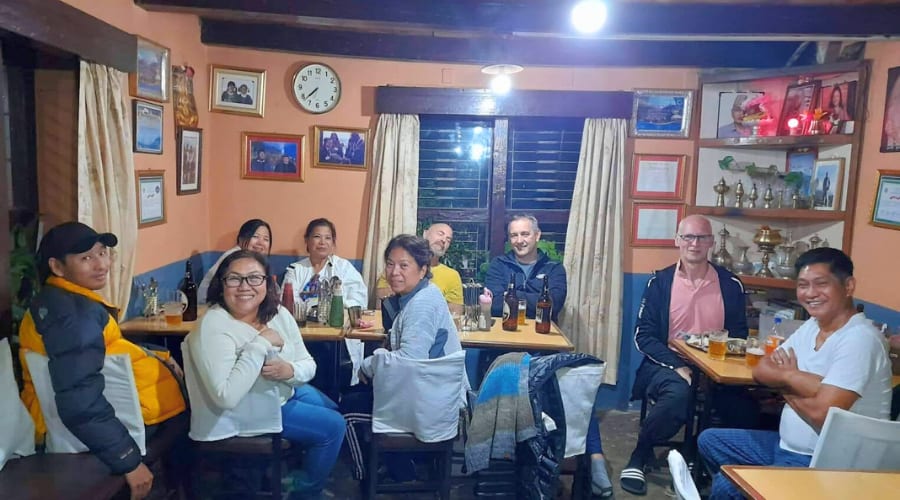
Before you travel, ask: Are domestic flights and pickups confirmed? What flexible rebooking policies do you offer? Who is my local emergency contact? Can the itinerary be modified to avoid busy urban zones if I prefer? A reputable operator will give clear answers, provide contingency plans, and update you in real time if anything changes.
FAQ
Is Nepal safe to travel to right now?
Yes. Calm returned after the protests of 8–13 September 2025, and after the 26 August 2026 flood every major trekking region is open again, Langtang included since 22 October 2026. Only the Syabrubesi to Tibet border road and the Tamang Heritage Trail are still closed.
Is it safe to trek in Nepal after the 2026 floods?
Yes. The Everest and Annapurna regions were never affected, Manaslu is running again after the 11 October flood, and Langtang treks now start from Thulo Syabru. Check your route with your operator, and keep off riverbanks in Rasuwa and Gorkha where the channels are still settling.
What level is the US travel advisory for Nepal?
Level 2, "exercise increased caution", since 31 March 2026. The US keeps a separate Level 4 "do not travel" warning for the Rasuwagadhi, Timure and Syafrubesi area of Rasuwa district near the Tibet border. Langtang treks now start from Thulo Syabru instead of Syabrubesi, so check how your own government's advice treats that route.
Were tourists harmed in the unrest?
Tourists were not targeted. Some travellers experienced delays or inconvenience, but there are no widespread verified reports of foreign tourists being killed. Most visitors resumed travel after the situation stabilised.
Should I cancel my trip?
Not automatically. Contact your tour operator and insurer. If you’re comfortable and have local support, travelling now helps local communities and is a safe option.
Is it safe to trek in the monsoon (July to August)?
Yes, with the right route. Choose a rain-shadow trek such as Upper Mustang or Dolpo, which stay dry, and allow a buffer day for possible flight or road delays.
Experience Nepal now
Nepal’s mountains, temples and warm people are ready to welcome you. The short period of unrest is behind the country, and life and tourism have returned to a normal, friendly rhythm. With simple precautions and local guidance, you can safely enjoy Nepal’s world-class trekking, rich culture and Himalayan scenery. If you are planning a first visit, our guide on things to know before going to Nepal covers visas, money, and etiquette. Travelling now is not only safe, it is a meaningful way to support local communities that are eager to host you.
Warm greetings from Swotah Travel & Adventure in Kathmandu. Our local team is actively monitoring conditions and ready to help you plan a safe, flexible and unforgettable trip. We offer: updated safety guidance, flexible booking and rebooking options, experienced local guides, curated trekking and cultural itineraries, and on-the-ground support from the moment you arrive.