


Trekking
Nepal's defining activity
Trekking in Nepal means multi-day walking between villages on established trails, sleeping in teahouses. Routes run from a 4-day Poon Hill walk at 3,210 m to the 21-day Three High Passes circuit above 5,300 m, with day hikes on the Kathmandu Valley rim for a single free day.

Popular treks
The routes our travellers ask for by name, from Everest Base Camp to the Annapurna Circuit.
Day hikes & short walks
Single-day walks on the Kathmandu Valley rim and above Pokhara. No permits, no altitude planning, back for dinner.
All Trekking trips
84 hand-crafted trekking itineraries, from short tasters to multi-week expeditions.
Annapurna Circuit Trek
14 daysFrom $1,230
Annapurna Base Camp Trek
14 daysFrom $1,000
Annapurna Circuit with Tilicho Lake Trek
20 daysFrom $1,855.webp)
Nar Phu Valley Trek
19 daysFrom $2,150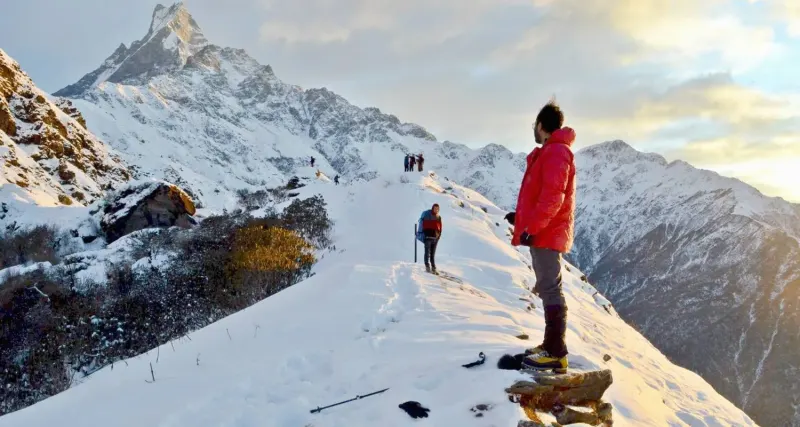
Mardi Himal Trek
11 daysFrom $1,030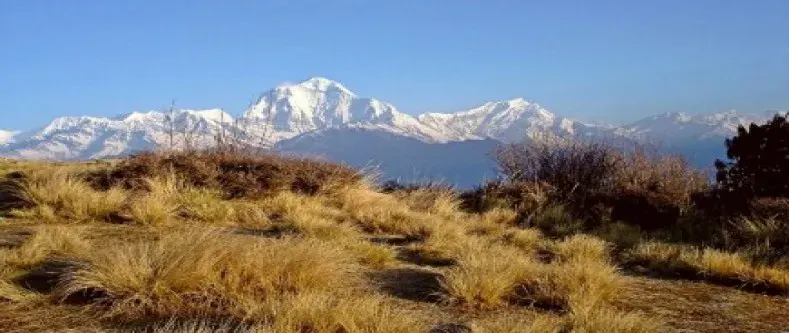
Annapurna Poonhill Trek
10 daysFrom $899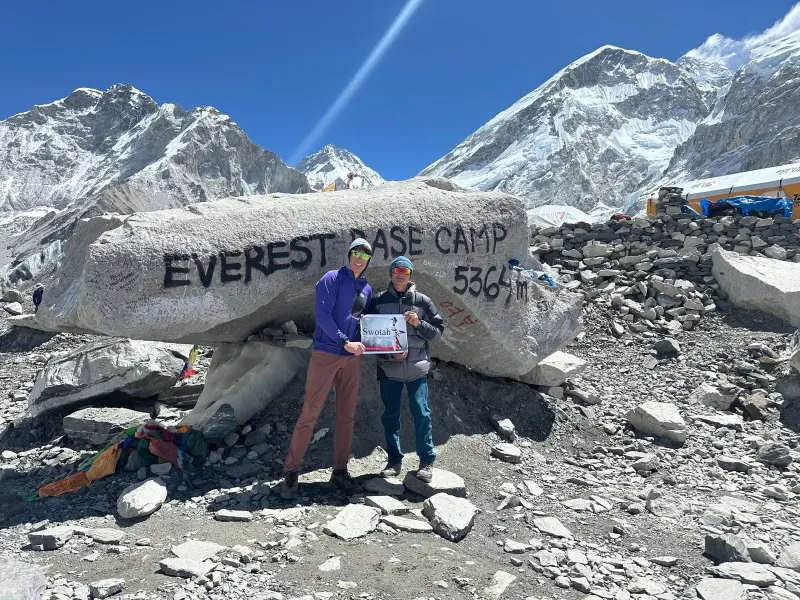
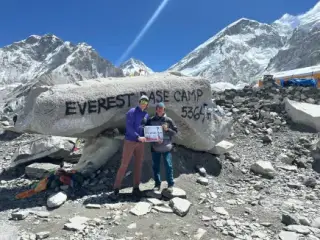
Everest Base Camp Trek
14 daysFrom $1,620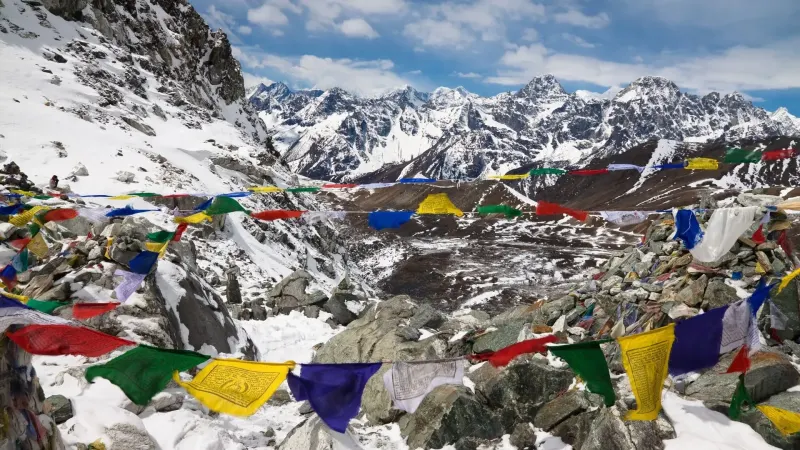
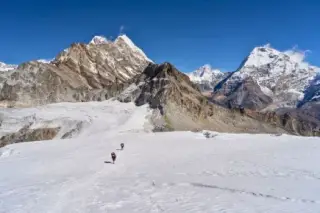
Everest Three High Passes Trek
21 daysFrom $1,899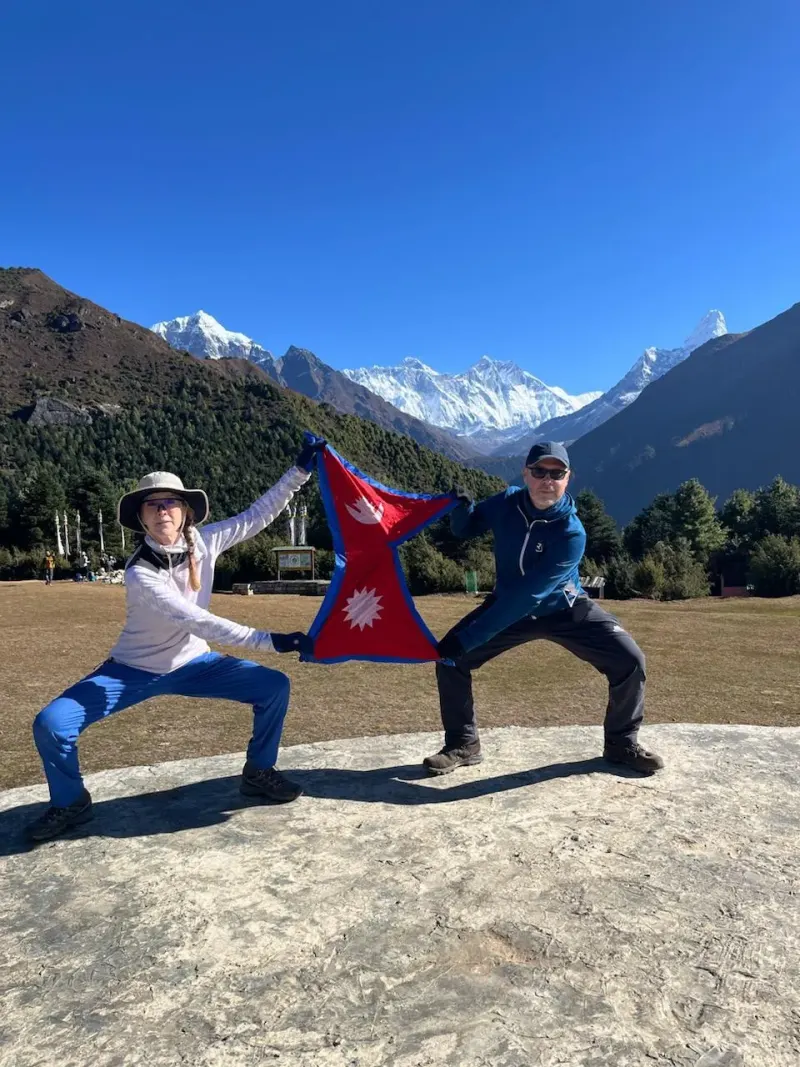
Everest Yoga Trek
14 daysFrom $1,750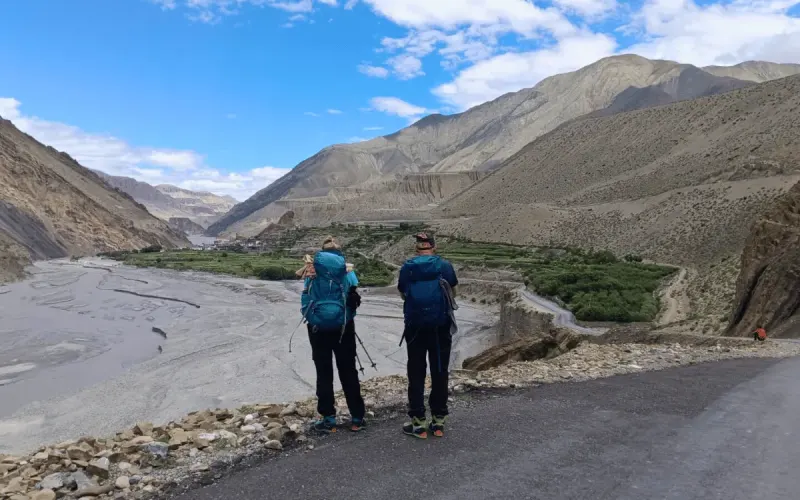
Upper Mustang
16 daysFrom $2,399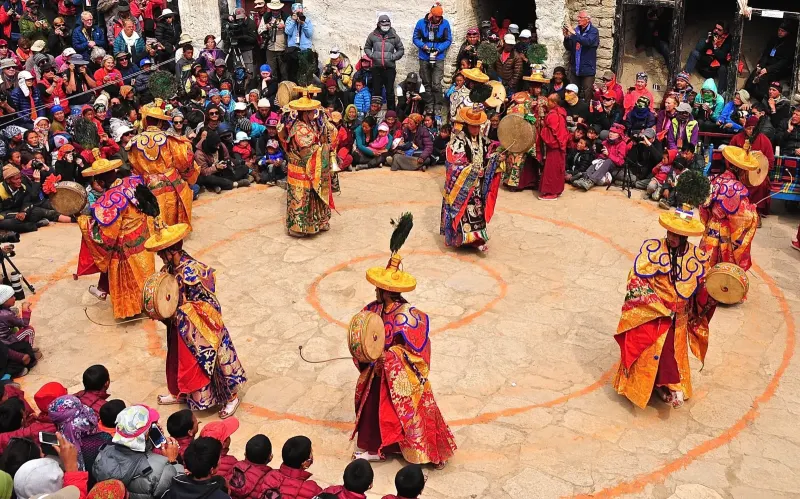
Upper Mustang-Tiji Festival
18 daysFrom $2,525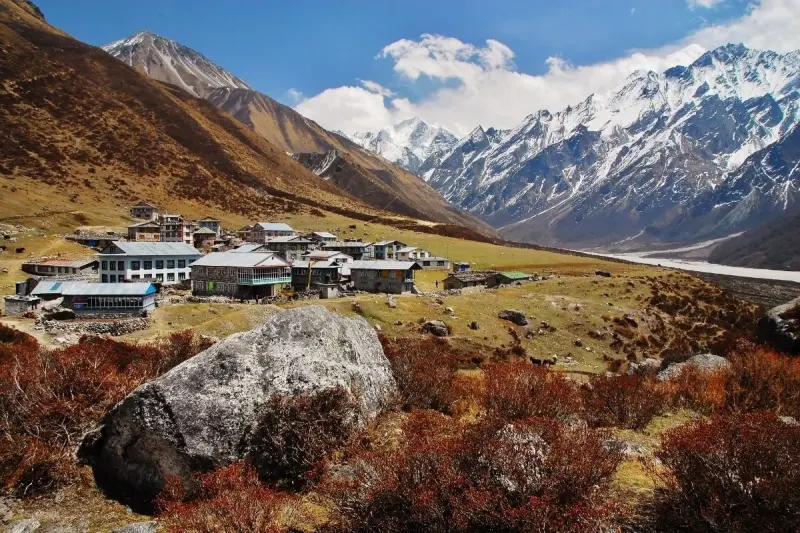
Langtang Valley Trek
16 daysFrom $1,215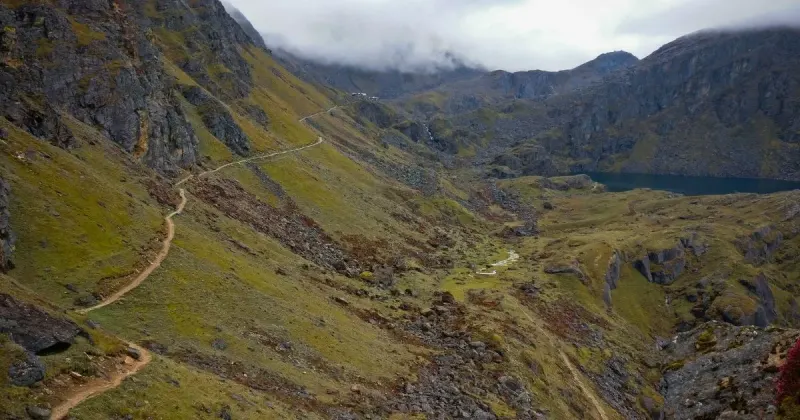
Gosaikunda Trek
10 daysFrom $1,399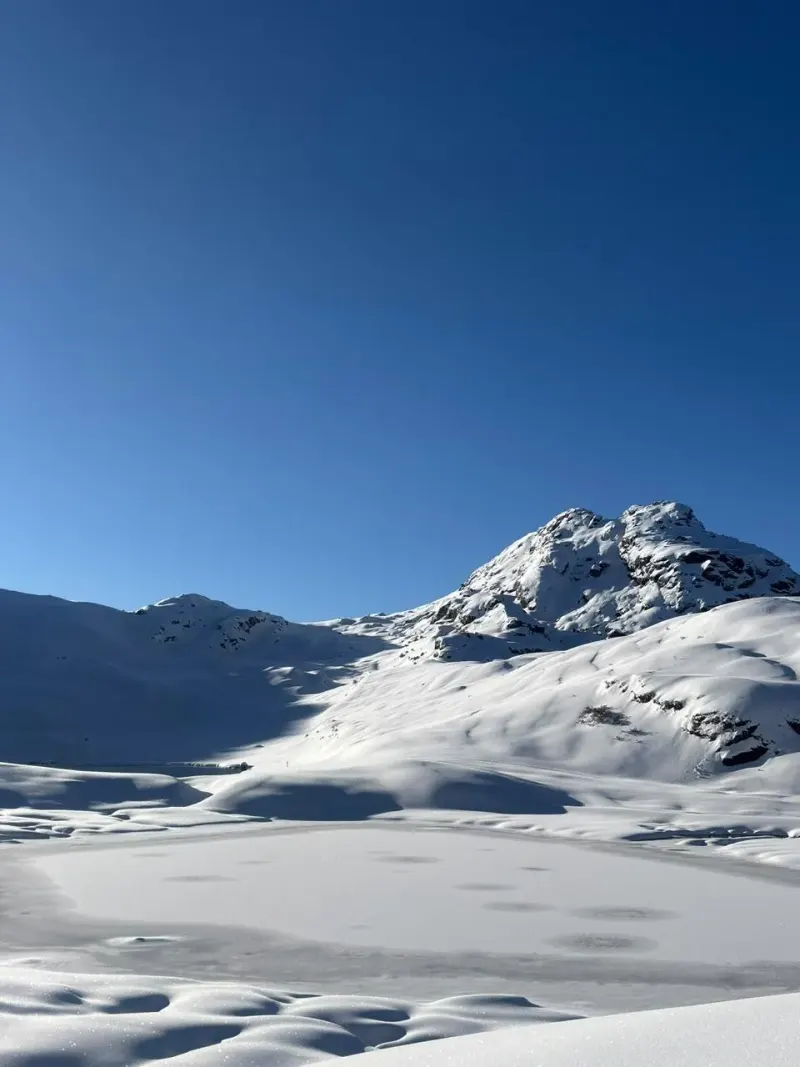
Panch Pokhari Trek
15 daysFrom $1,345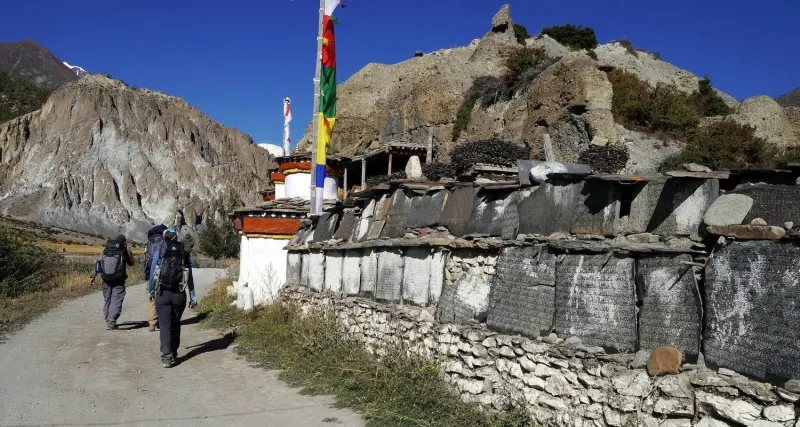
Manaslu Circuit Trek
14 daysFrom $1,235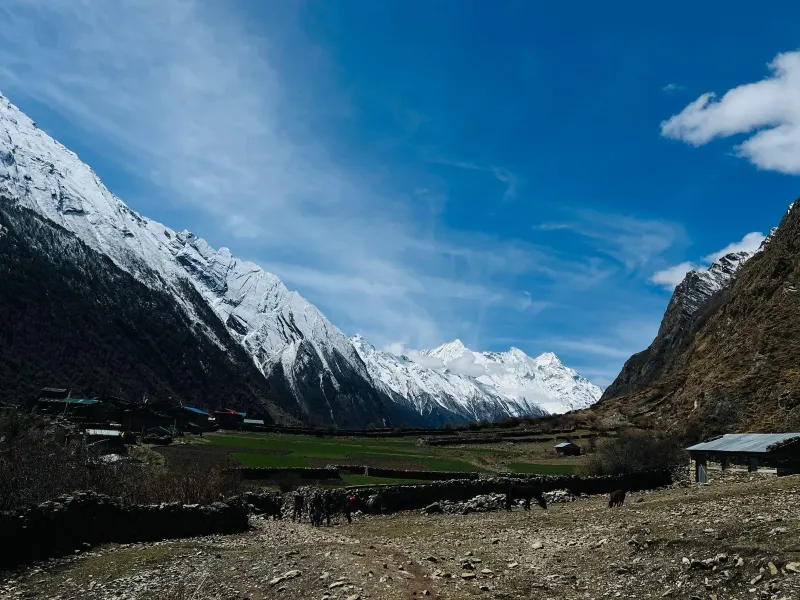
Manaslu Circuit Tsum Valley
22 daysFrom $1,975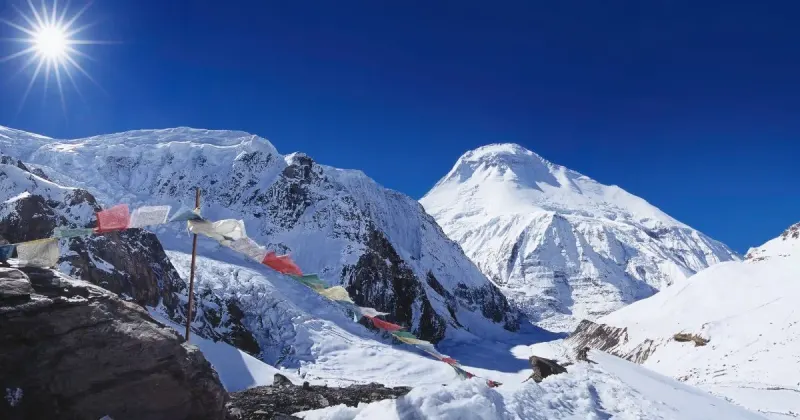
Dhaulagiri Circuit Trek
21 daysFrom $2,295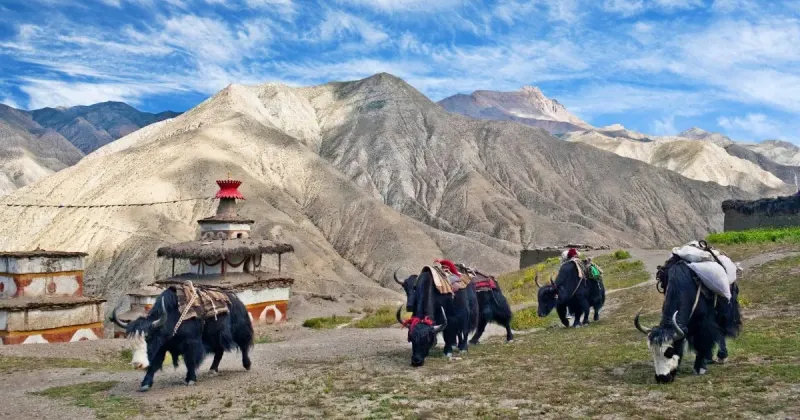
Upper Dolpo Trek
26 daysFrom $3,650.webp)
Lower Dolpo Trek
19 daysFrom $3,895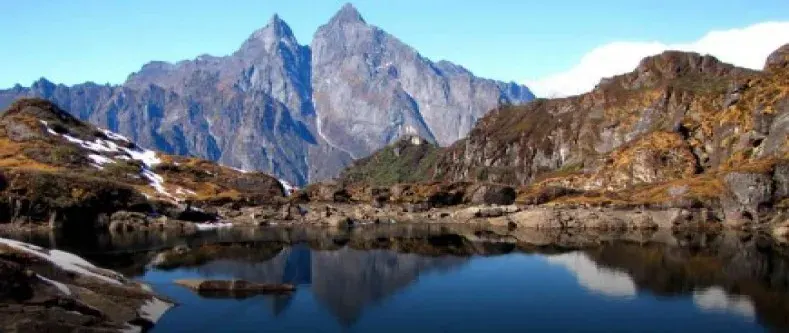
Makalu Barun Trek
22 daysFrom $2,835.webp)
Kanchenjunga Base Camp Trek
30 daysFrom $2,580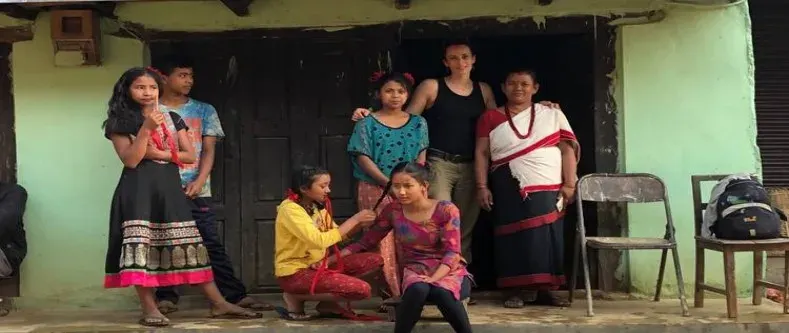
Millennium Trek
12 daysFrom $1,320.webp)
Karma Trek
32 daysFrom $4,000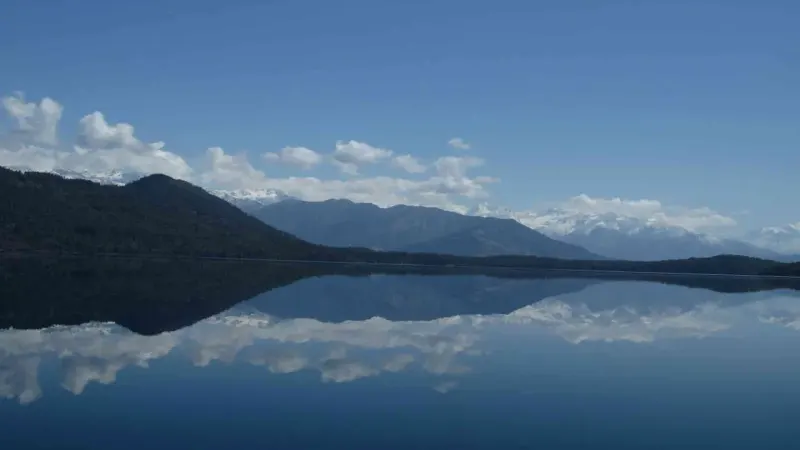
Rara Lake Trek
14 daysFrom $2,675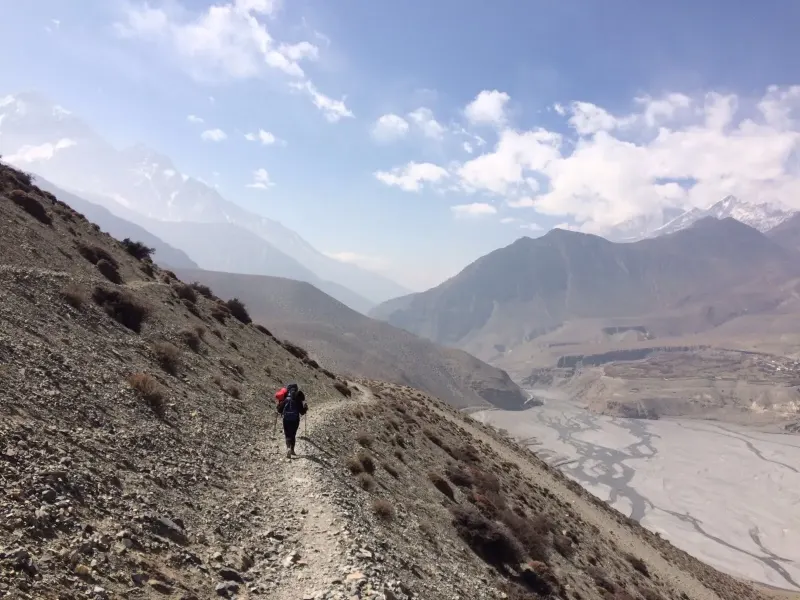
Jomsom Muktinath Trek
14 daysFrom $1,900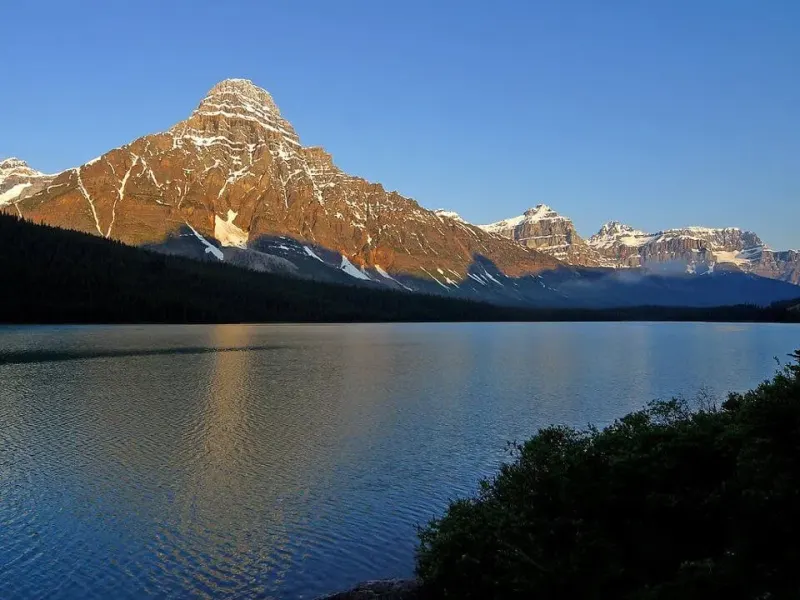
Khaptad National Park Trek
12 daysFrom $2,600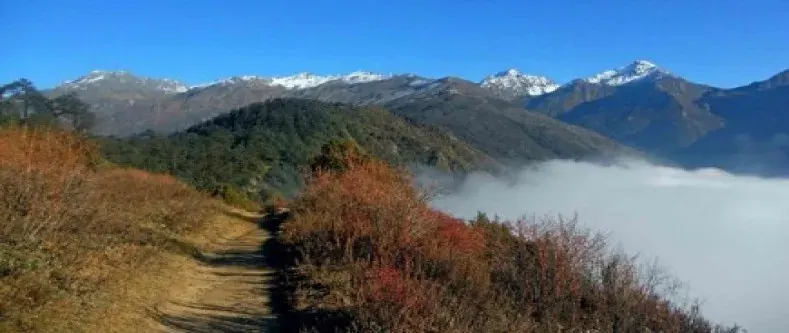
Tamang Heritage Trek
10 daysFrom $1,400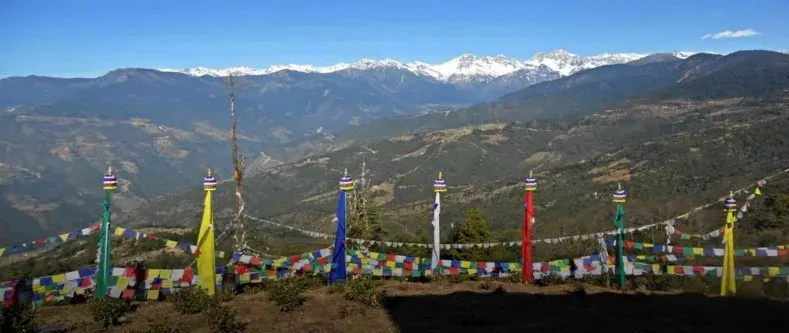
Helambu Valley Trek
10 daysFrom $1,500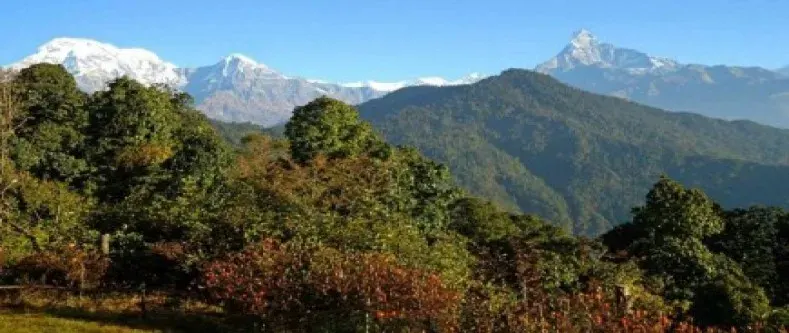
Royal Trek
9 daysFrom $1,380
Api Himal Trekking
18 daysFrom $2,455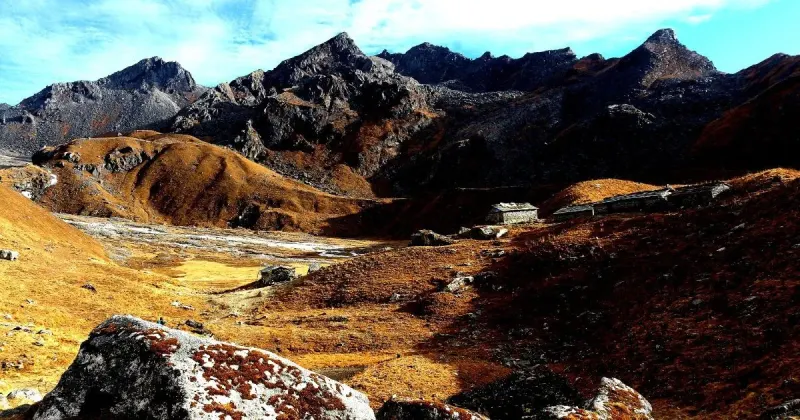
Khopra Ridge Community Trek
14 daysFrom $1,450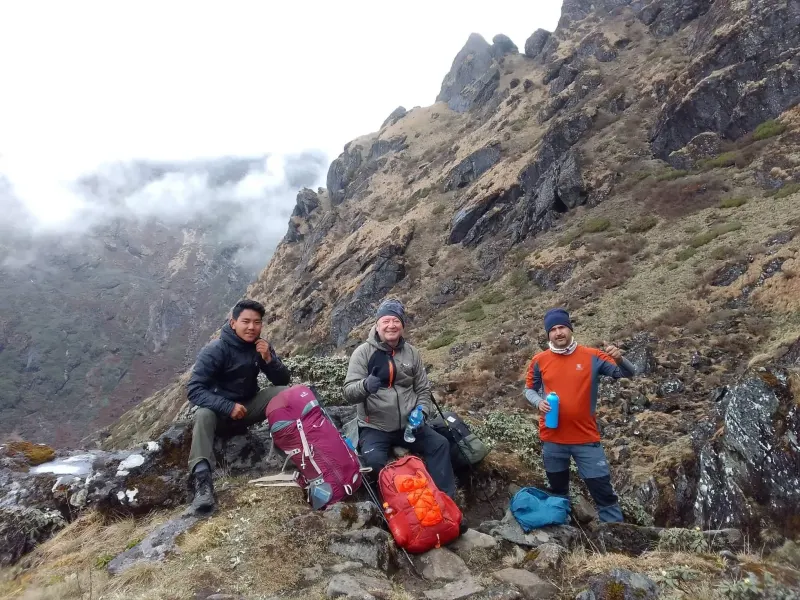
Arun Valley to Everest Base Camp Trek
21 daysFrom $2,280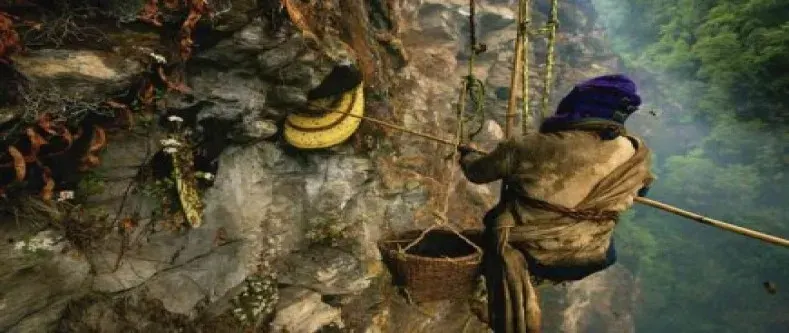
Wild Honey Hunting in Nepal
9 daysFrom $1,350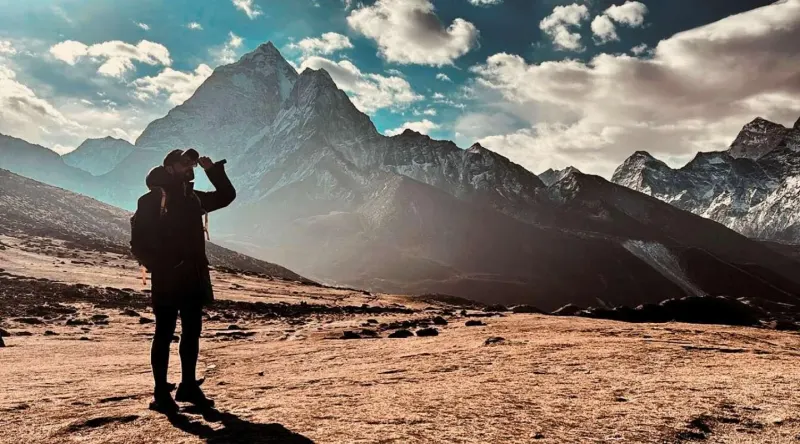
Mount Kailash Tour with Everest Base Camp
15 daysFrom $2,999.webp)
Langtang Ganja La Pass Trekking
15 daysFrom $2,000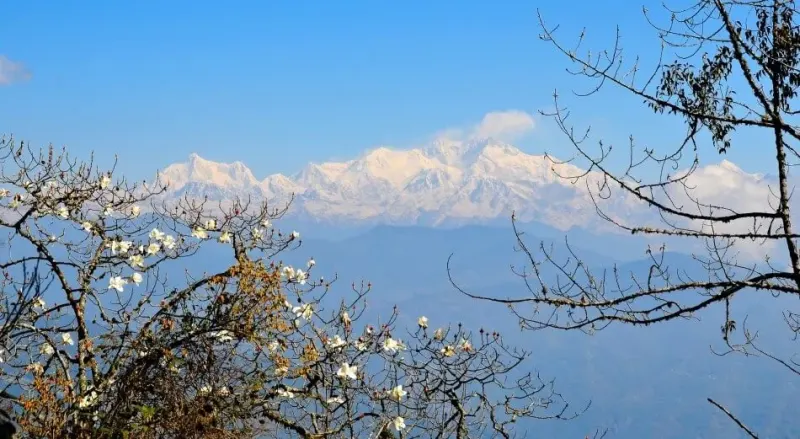
Kanchenjunga South Base Camp
21 daysFrom $2,250.webp)
Ganesh Himal Base Camp Trek
19 daysFrom $2,765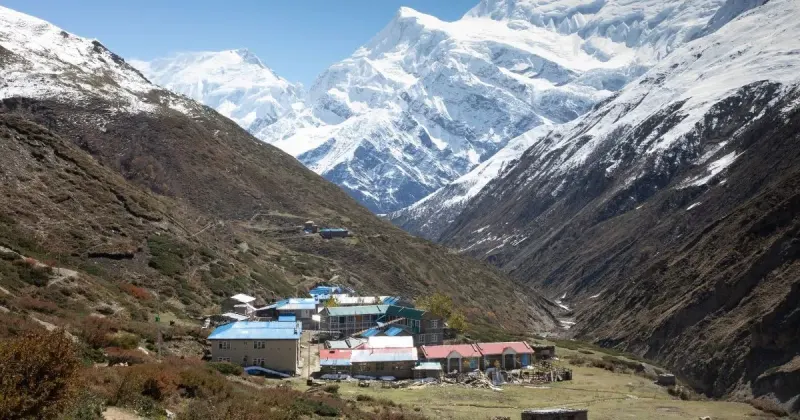
Lumba Sumba Trek
21 daysFrom $2,350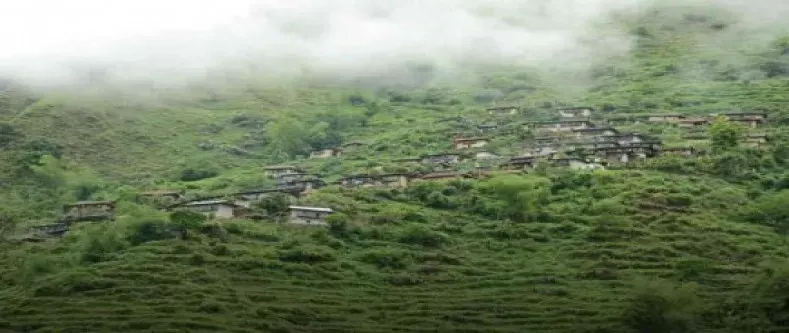
Jaljala Trek
13 daysFrom $1,765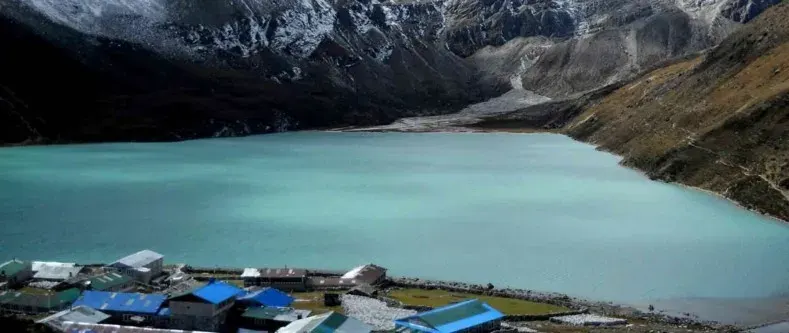
Dudh Pokhari Trek
17 daysFrom $2,100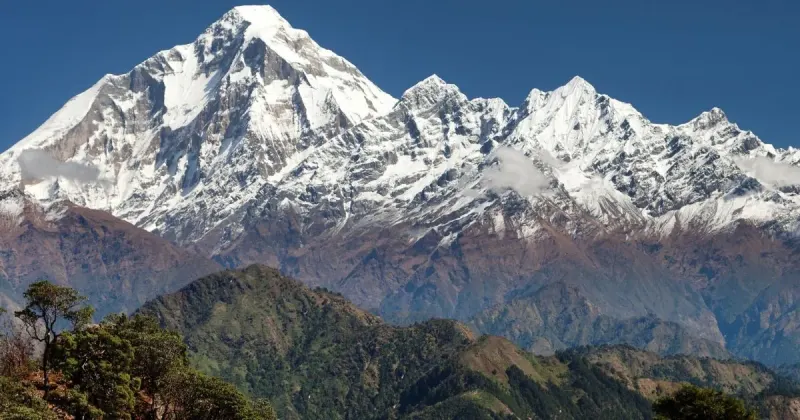
Milke Danda Trekking
14 daysFrom $1,575.webp)
Machhapuchhre Model Trek
13 daysFrom $1,330.webp)
Lower Manaslu Trek
13 daysFrom $1,400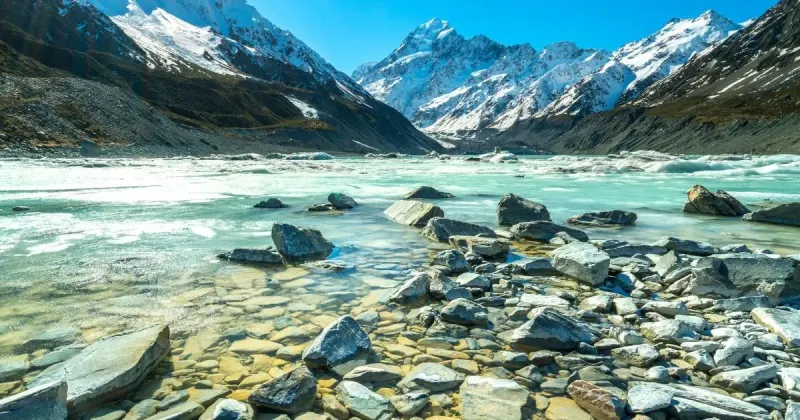
Hidden Lake and Glacier Trek
17 daysFrom $1,970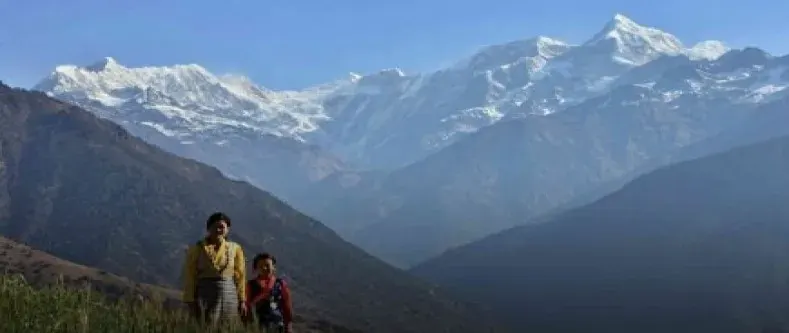
Numbur Cheese Circuit Trek
17 daysFrom $2,850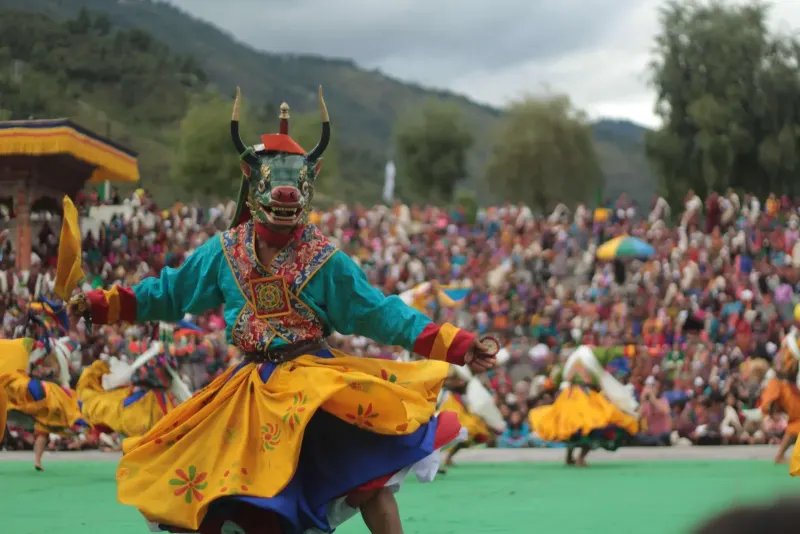
Treasures of Bhutan
12 daysFrom $2,775
Poon Hill Sun Salutation Yoga Trek
10 daysFrom $1,250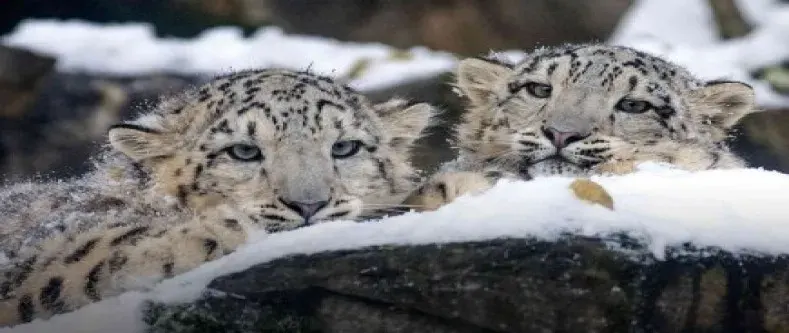
Snow Leopard Trek in Dolpo
20 daysFrom $3,800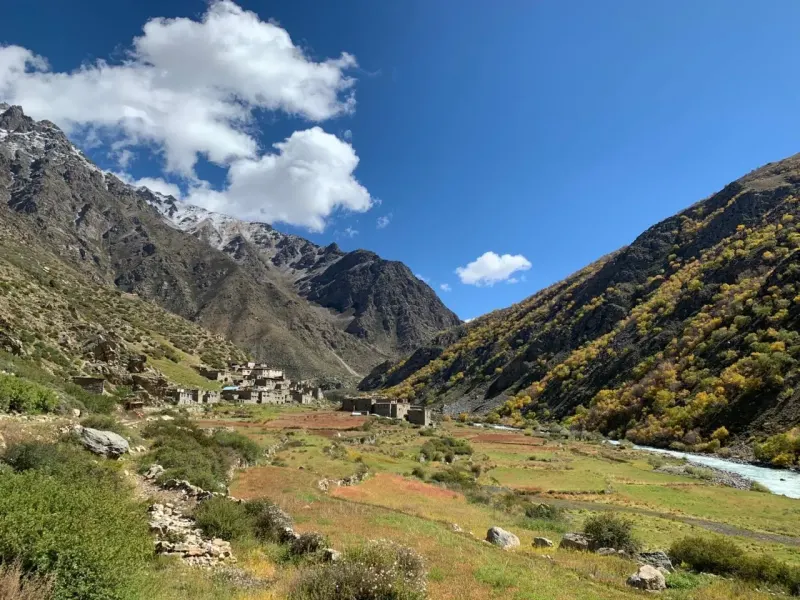
Humla Limi Valley Trek
20 daysFrom $3,890.webp)
Upper Dolpo to Jomsom Trek
29 daysFrom $4,000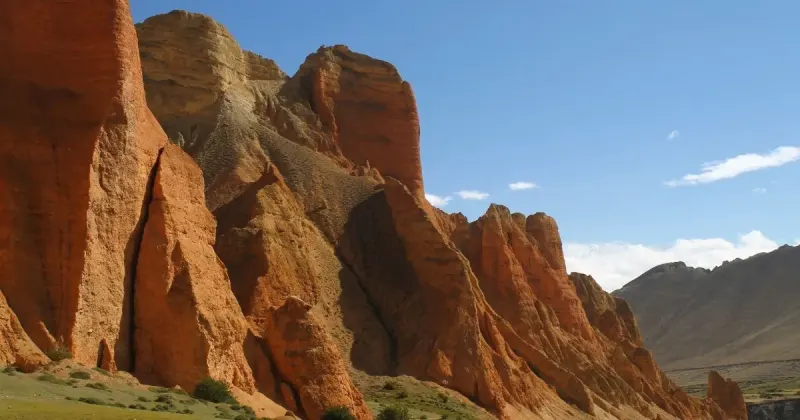
Teri La Pass Trek
23 daysFrom $4,120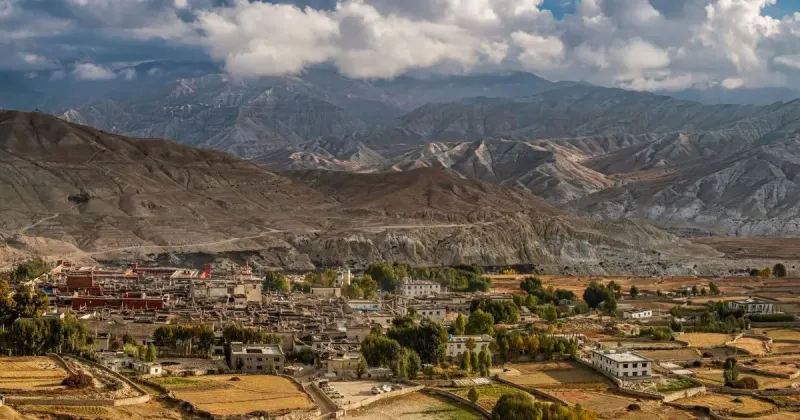
Saribung Pass Trek
26 daysFrom $3,750
Mani Rimdu Festival Trek in Everest Region
13 daysFrom $2,080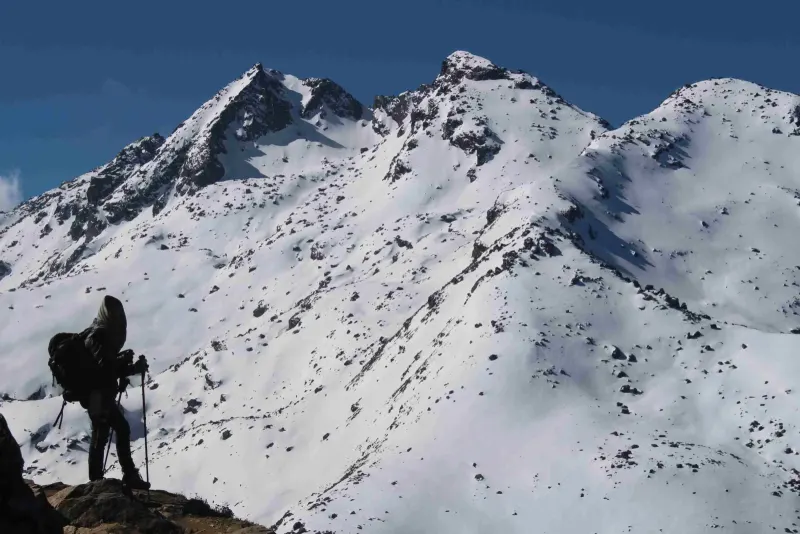
Thorong La Pass Trekking: 13 Days Annapurna Circuit Trek
13 daysFrom $1,150.webp)
8 Days- Annapurna Poonhill Trek
8 daysFrom $695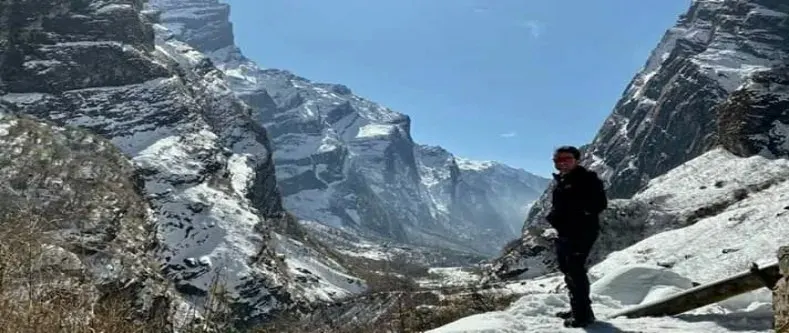
12 Days- Annapurna Base Camp Trek
12 daysFrom $1,045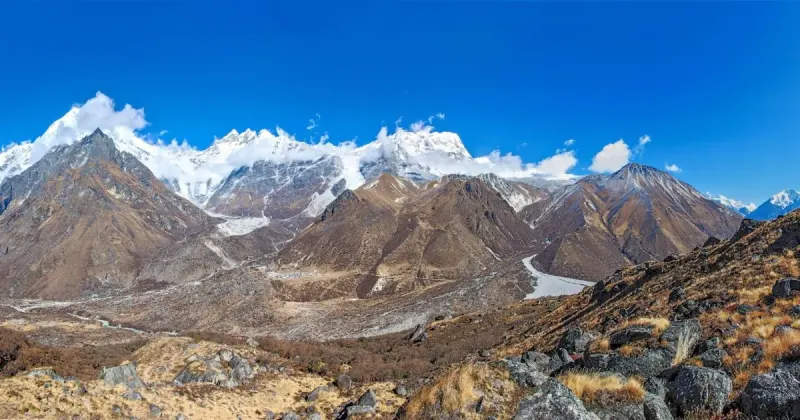
10 days- Langtang Valley Trek
10 daysFrom $730
Pikey Peak Trekking
12 daysFrom $1,900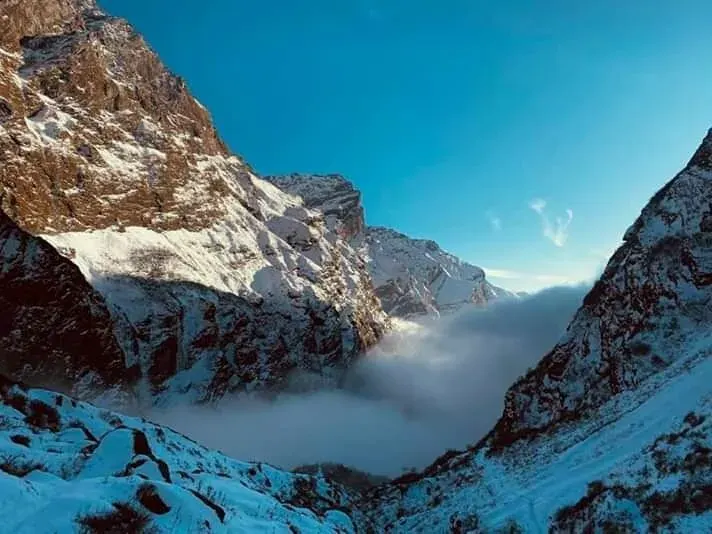
7 days Annapurna base camp trek
7 daysFrom $565.webp)
Gokyo Ri Valley Trek
15 daysFrom $1,675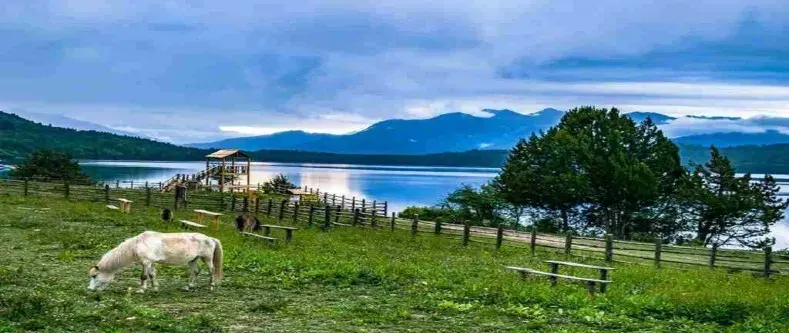
7 Days Rara Lake Trek
7 daysFrom $900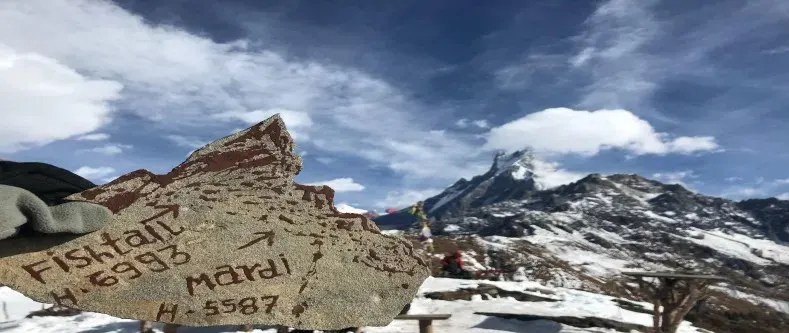
6 Days Mardi Himal Trek
6 daysFrom $550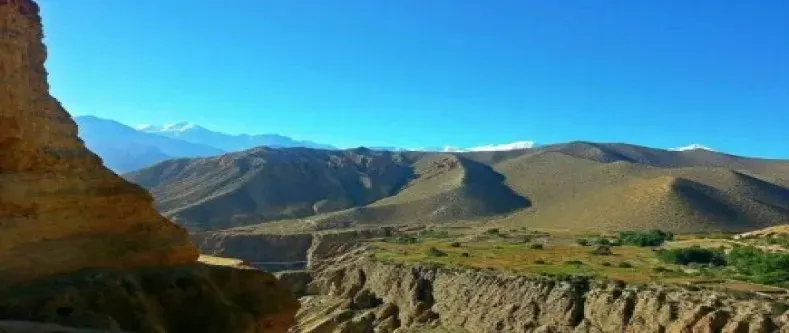
10 Days Upper Mustang
10 daysFrom $1,600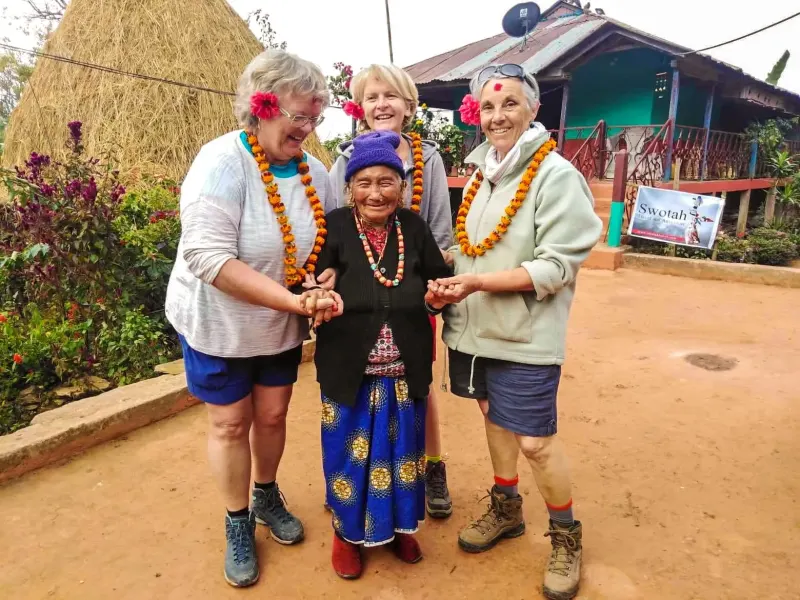
Millennium Homestay Trek
13 daysFrom $1,250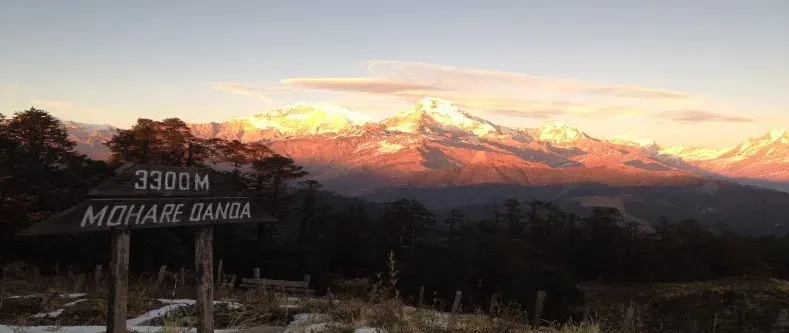
Mohare Danda Trek
11 daysFrom $1,300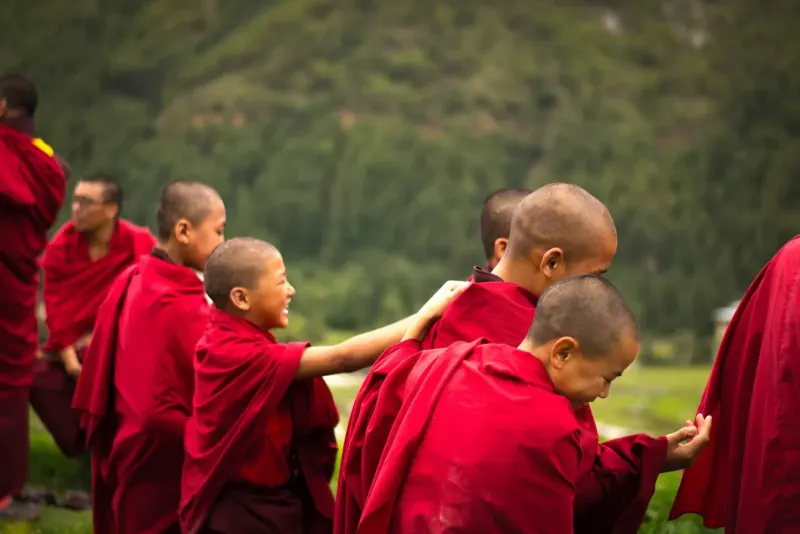
Best of Nepal and Bhutan Tour
14 daysFrom $2,350.webp)
Gokyo Ri with Everest Base Camp
18 daysFrom $1,775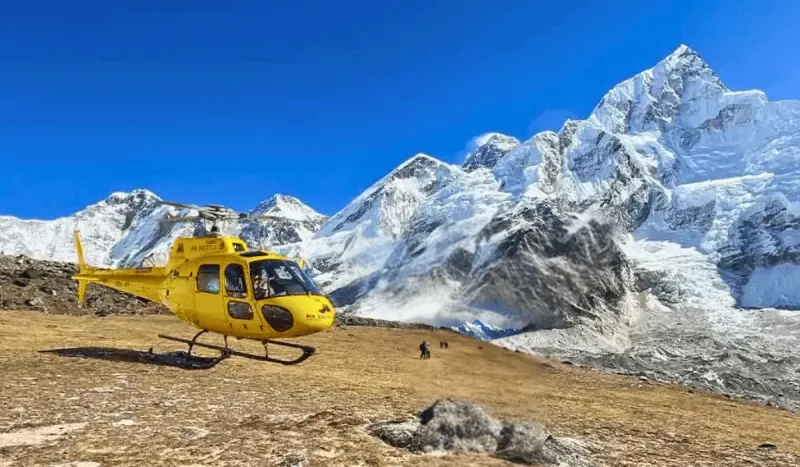
Everest Base Camp Helicopter Tour
1 daysFrom $1,850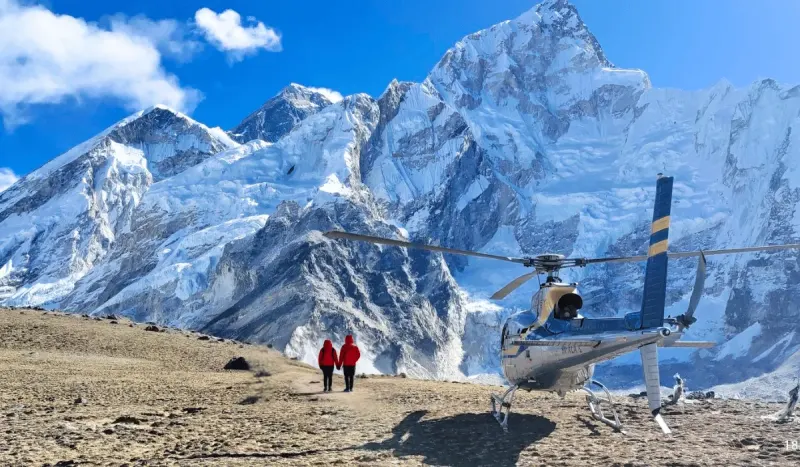
Everest Base Camp Trek with Helicopter Return
10 daysFrom $2,765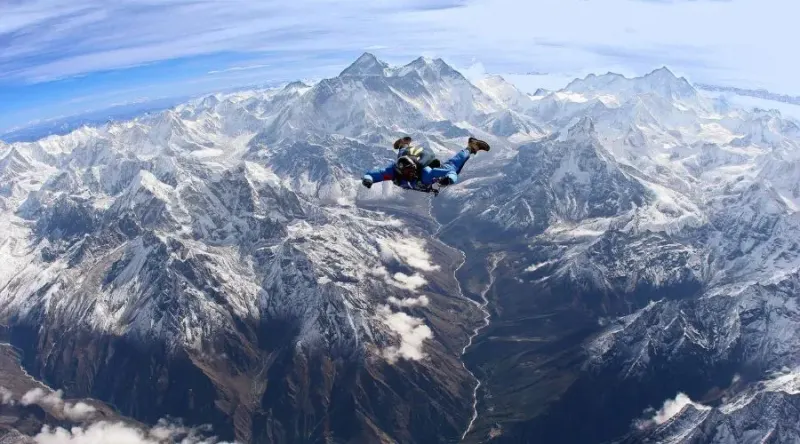
Everest Skydive in Nepal
11 daysFrom $25,000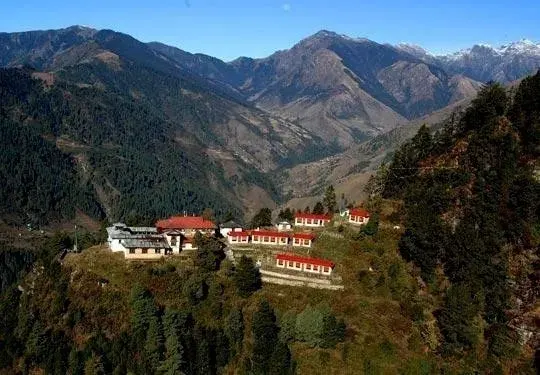
Lower Everest Trek
11 daysFrom $950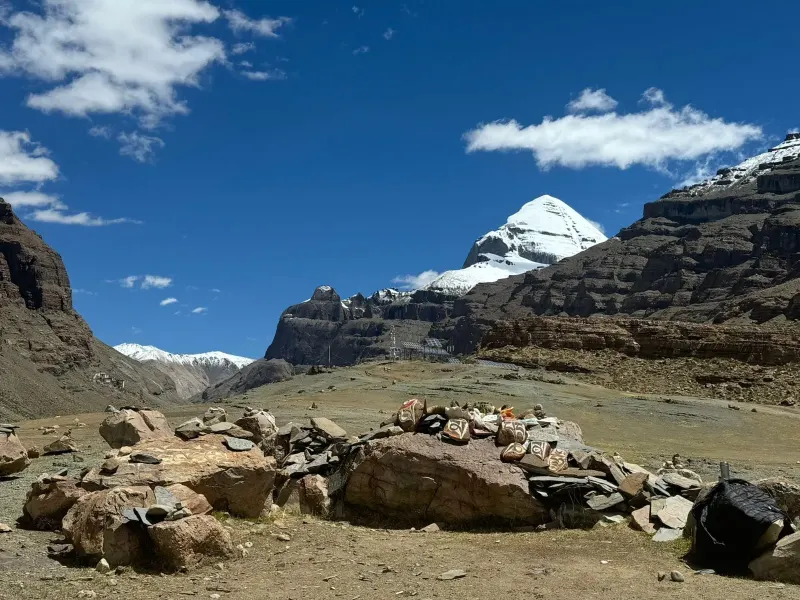
Kailash Mansarovar via Limi Valley
25 daysFrom $3,995
Poon Hill Trek
4 daysFrom $300Poon Hill Trek
4 daysFrom $300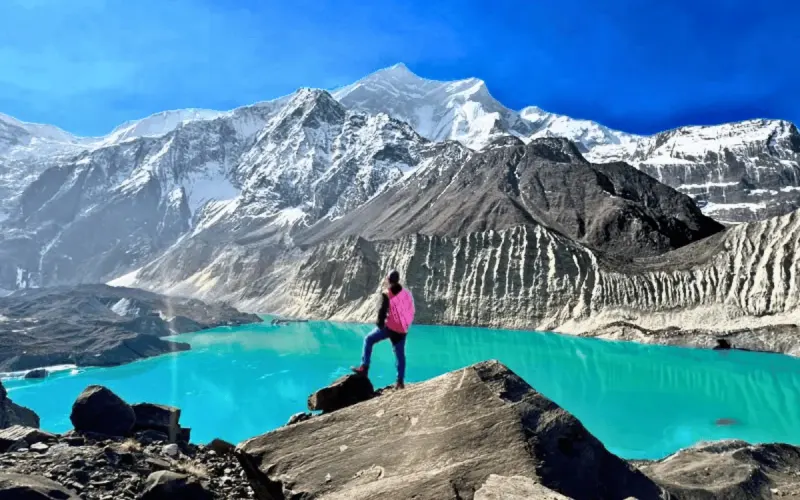
North Annapurna Base Camp Trek
14 daysFrom $1,650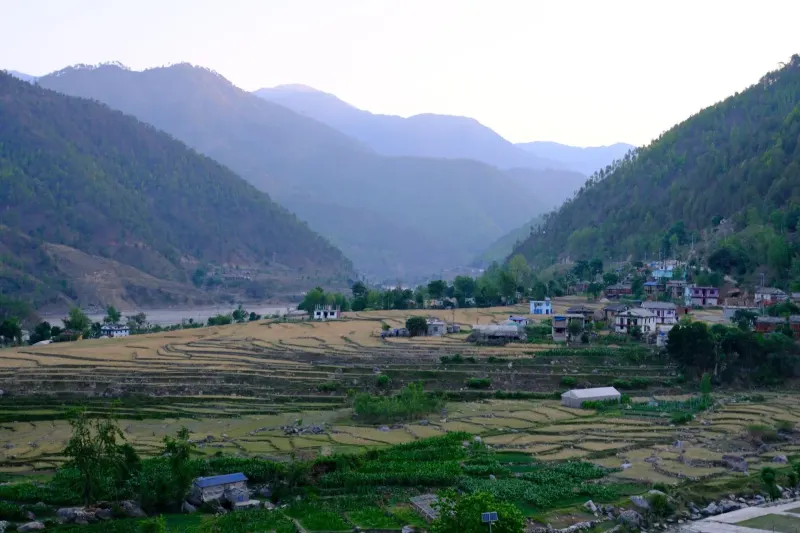
Danfe Trail Expedition
16 daysFrom $2,950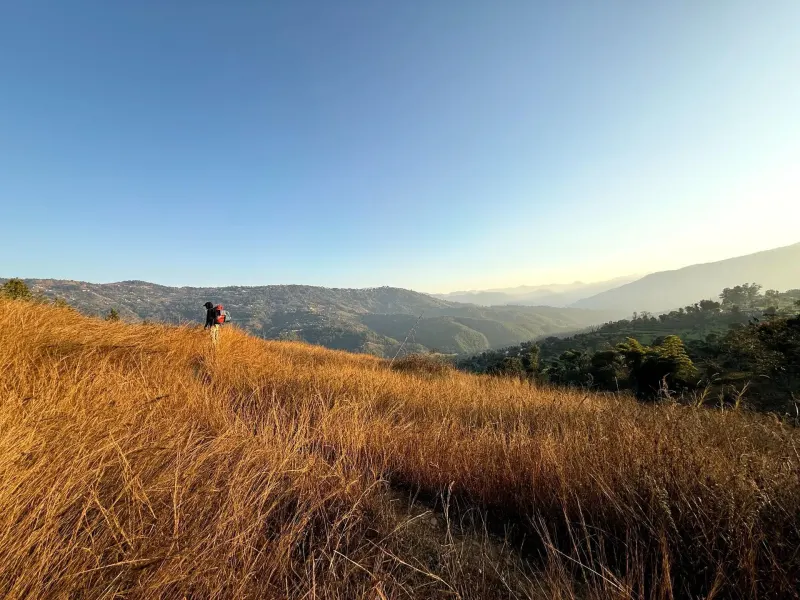
Jumla Heritage Trail
10 daysFrom $1,950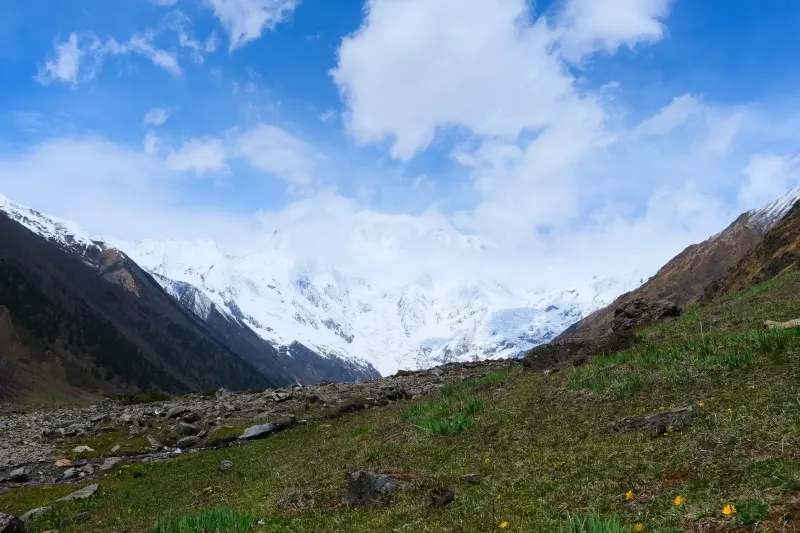
East Saipal Trek
16 daysFrom $2,900
Nepal Exploration
10 daysFrom $1,350.webp)
Chitlang Kulekhani Hiking
7 daysFrom $825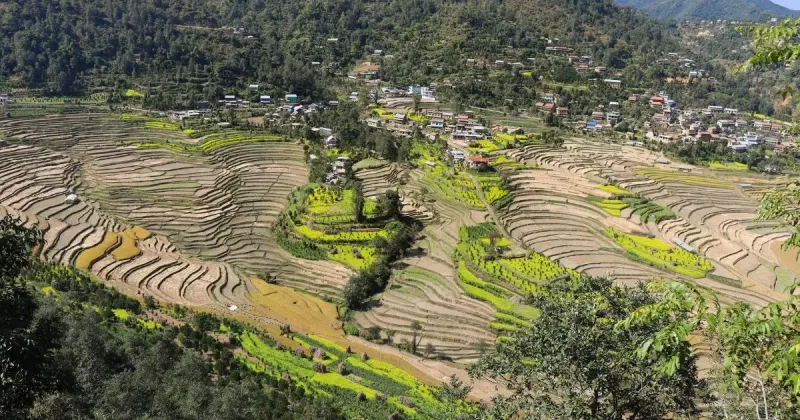
Dhulikhel Balthali Hike
5 daysFrom $659.webp)
Shivapuri Day hike in Kathmandu
4 daysFrom $446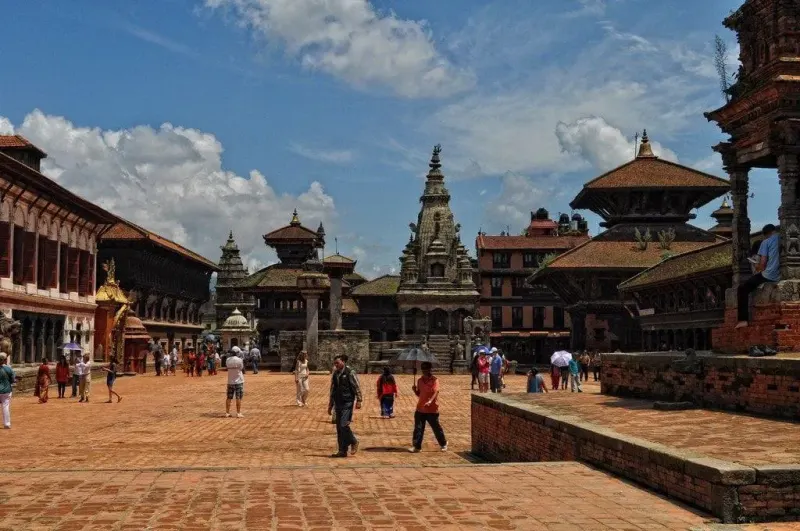
Best of Nepal Tour
12 daysFrom $995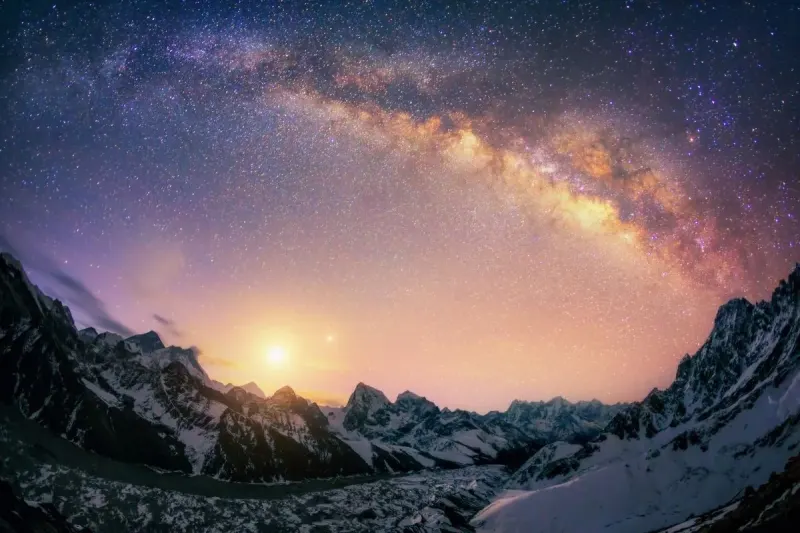
Stargazing Trek Sagarmatha National Park
5 daysFrom $1,300
What Trekking in Nepal Actually Involves
Trekking is multi-day walking on established trails between settlements, and in Nepal it is distinct from mountaineering in one important way: there is no climbing. No rope, no crampons, no technical ground on the standard routes. You walk uphill for five to seven hours, sleep in a teahouse at 2,500 to 5,100 m, and do it again the next day. Jimmy Roberts founded the first commercial trekking company in Nepal at Pokhara in 1965, and the teahouse network grew out of the trade in the decades after.
Above roughly 2,500 m it is altitude, not fitness, that decides most treks. The body needs time to produce more red blood cells, and the standard rule is to gain no more than 300 to 500 m of sleeping altitude a day once you are over 3,000 m, with a rest day every third or fourth. Itineraries that ignore this are why people fail on Everest Base Camp despite being fit enough for it. A teahouse is a family-run lodge: a bed, a blanket, a dining room with a stove, and a menu that is broadly the same from Lukla to Larkya La.
So which Nepal trek should you pick? Duration is the honest filter. Under a week, Poon Hill tops out at 3,210 m and delivers a genuine Himalayan sunrise. Around two weeks opens the two classics: Everest Base Camp at 5,364 m and Annapurna Base Camp at 4,130 m. Three weeks or more gets you the Manaslu Circuit over Larkya La (5,106 m) or the Three High Passes. For the shape of each area, read the Everest region and Annapurna region pages.
Find your level
- TREKKING PEAKS
Easy Treks
Under 3,500 m, 3 to 7 days, no prior experienceGentle valley walks and ridge trails for first-time trekkers, families, and those with limited time. Comfortable teahouses every 2-3 hours of walking.
- Poon Hill (4 days)
- Mardi Himal (5 days)
- Pikey Peak (5 days)
1,000m – 3,500m - TECHNICAL
Moderate Treks
3,500 to 5,000 m, 8 to 15 days, good fitness neededMulti-week treks crossing one or two passes above 4,500m. Fitness training and acclimatisation days built into the schedule.
- Annapurna Base Camp (12 days)
- Langtang Valley (10 days)
- Mardi Himal (7 days)
3,500m – 5,000m - ★ HIGH ALTITUDE
Challenging Treks
Above 5,000 m, 16 to 25 days, trekking experience helpfulLong expeditions crossing high passes, often in remote regions. Restricted-area permits required; prior altitude experience recommended.
- Everest Base Camp (14 days)
- Three Passes (20 days)
- Upper Mustang (16 days)
5,000m – 5,545m
Featured trekking sites
Skills & gear checklist
Required skills
- Cardiovascular Fitness
Ability to walk 5–7 hours per day, every day, for 2+ weeks. Hill training the best preparation.
- Altitude Awareness
Recognise AMS symptoms and follow the climb-high / sleep-low rule of acclimatisation.
- Comfortable in Basic Lodging
Teahouse rooms are simple. Shared bathrooms above 3,500 m, no heating, and a sleeping bag is essential.
- Decent Footwear Break-In
Trek your boots for 50+ km before you fly. Blisters at altitude end trips.
Essential gear
- Waterproof Trekking BootsEssential
- Down Jacket (–10°C)Above 3,500m
- Sleeping Bag (–10°C rated)Essential
- Trekking PolesRecommended
- Daypack (30–40L)Essential
- Headlamp + Spare BatteriesEssential
- Water Purification (SteriPen or tablets)Essential
- Sun Hat + UV Sunglasses (Cat 4)Above 3,500m
- Lightweight Down Sleeping Bag LinerRecommended
- First-Aid Kit + DiamoxEssential
Best season & permits
When to go
Permits
- $20 / $10TIMS CardRequired for most main trekking regions, individually or as a group
- $30Annapurna Conservation Area PermitCovers every trek in the Annapurna Conservation Area
- $50Sagarmatha National Park PermitRequired for Everest Base Camp and Khumbu trails
- $500Restricted Area Permit (Upper Mustang)$500 for first 10 days, $50/day after
- $100Restricted Area Permit (Manaslu)$100 for 7 days (Sep–Nov), $75 (Dec–Aug)