






Nepal's best jungle safaris are in the Terai lowlands along the Indian border. Chitwan National Park is the easiest to reach and the best for one-horned rhinos, with 694 of the country's 752 counted in 2021. Bardia, in the far west, is quieter and gives the best odds of seeing a tiger. Shuklaphanta is the place for big herds of swamp deer, and Koshi Tappu in the east is a wetland for birdwatchers. Go between October and April. February to April is the best window for sightings, after the tall grass has been cut. Expect jeep drives, canoe trips and guided walks rather than elephant rides.
- Best monthsOctober to April, sightings best February to April
- Tigers429 in Nepal (July 2026 census): Chitwan 145, Bardia 112
- Rhinos752 in Nepal, 694 of them in Chitwan (2021 count)
- Easiest parkChitwan: 25-minute flight to Bharatpur or 5 to 7 hours by road from Kathmandu
- Chitwan entry feeNPR 2,000 per foreign visitor (SAARC NPR 1,000)
- ActivitiesJeep safari, canoe ride, guided jungle walk, Tharu village visit
- Elephant ridesBeing phased down after a December 2025 Supreme Court order
If the mountain landscape in Nepal is starting to bore you then opt for Jungle safari destinations in Nepal. Nepal isn’t just the Himalayas. Home to some of the rarest animals in the world, this small country is a real jungle safari destination. The 2021 count found 752 one-horned rhinos, and the national tiger census released in July 2026 counted 429 Bengal tigers, up from 355 in 2022. A rhino count planned for 2025 was halted for lack of funds, so 2021 is still the latest figure.
While most of the people flock towards Africa to observe the unique wildlife, Nepal also has its fair share of awe-inspiring wildlife which includes: One-horned rhinoceros, royal Bengal tiger, deer, gharial crocodiles and an abundance of birdlife, making it a perfect bird-watching destination.
The best time to head for a jungle safari in Nepal is October to April. Park staff and villagers cut the tall elephant grass in January and February, so from February to April the views open up and animals come to the shrinking waterholes. From May the Terai is very hot, and the monsoon from June to September brings floods, closed sections and leeches. Some of the major jungle safari destinations in Nepal are listed below.
Nepal's Safari Parks at a Glance
| Park | Area | Best for | Best months | Getting there | Foreigner entry fee |
|---|---|---|---|---|---|
| Chitwan National Park | 952.63 km² | Rhinos, gharials, birds, easy access | October to April | Flight to Bharatpur or 5 to 7 h by road, stay in Sauraha | NPR 2,000 |
| Bardia National Park | 968 km² | Tigers, wild elephants, river dolphins | October to December, February to May | Flight to Nepalgunj, then about 2 to 3 h by road | Check at the gate |
| Shuklaphanta National Park | 305 km² | Swamp deer herds, grassland birds | October to December, February to May | Flight to Dhangadhi, then road to Mahendranagar | Check at the gate |
| Koshi Tappu Wildlife Reserve | 175 km² | Wetland birds, wild water buffalo | November to February | Flight to Biratnagar, then about 1.5 h by road | Check at the gate |
Fees are per person and are paid at the park gate. Chitwan's rate is from the park's own regulations. The other parks publish their own rates, so check with your guide before you go.
How Many Tigers and Rhinos?
| Count | Number | |
|---|---|---|
| Tigers in Nepal (2026 census) | 429 | |
| Tigers in Chitwan | 145 | |
| Tigers in Bardia | 112 | |
| Rhinos in Nepal (2021 count) | 752 | |
| Rhinos in Chitwan | 694 |
Tiger figures are from the national census released in July 2026. Rhino figures are from the 2021 count. The other tigers live in Parsa, Banke and Shuklaphanta.
Chitwan National Park
The oldest national park in Nepal, set up in 1973 in the subtropical lowlands of the inner Terai, Chitwan National Park is located in south-central Nepal. It now covers 952.63 sq km, after an extension in 2016, and has been a UNESCO World Heritage Site since 1984. The park records 68 species of mammals, about 544 species of birds, 56 species of reptiles and amphibians and 126 species of fish.
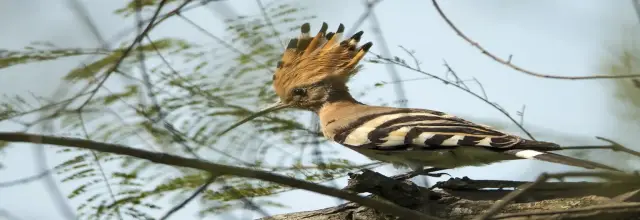
Chitwan National Park is the sanctuary for the rare One-horned Rhinoceros and Royal Bengal Tiger, which live in the park's dense forest. Besides rhino and tiger, it includes other animals like deer, wild dogs, rhesus monkeys, grey langur, wild boars, sloth bears and wild cats. The national park also shelters an array of snakes, including pythons, as well as the gharial (the Gangetic crocodile) and the marsh mugger crocodile. Likewise, the birds include the Woodpeckers, Peacocks, Hornbills, Peahens, Brahminy Ducks, Indian Pitta and Parakeets, Waterfowl, Floricans and many more...
Similarly, the fascinating part of Chitwan besides the exotic wildlife are the Tharu people and their culture. The Tharu people have long been said to resist malaria, and studies in the 1980s did find much lower malaria rates among them than among their neighbours. A stroll through the Tharu Village will provide an opportunity to see their traditional farming and relics while the traditional Tharu stick dance gives an insight into their culture.
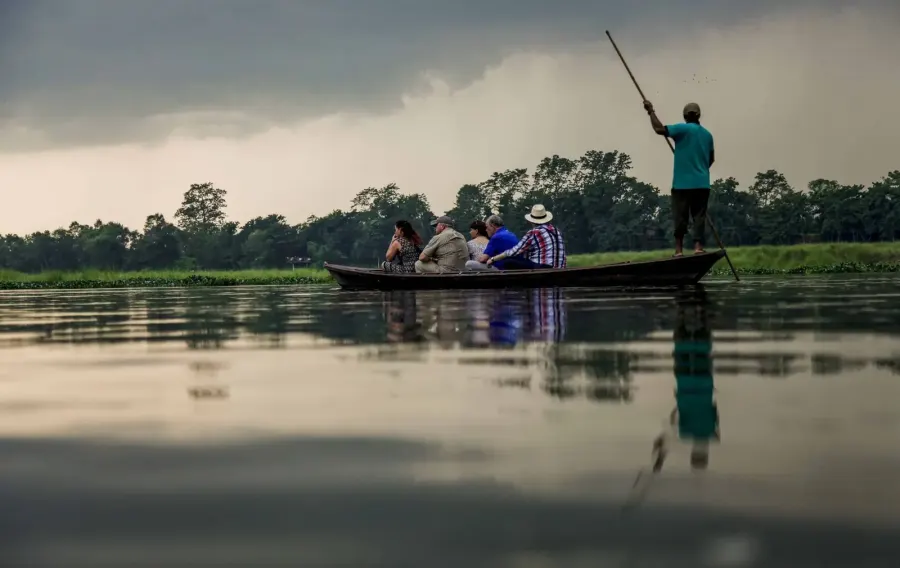
The activities within Chitwan National Park include jeep safaris, guided jungle walks, canoe rides on the Rapti River, birdwatching and visits to Tharu villages. One can reach Chitwan in about 25 minutes by air to Bharatpur, or in 5 to 7 hours by road from Kathmandu, a drive of about 160 km to Sauraha.
Best Time to Visit Chitwan
The national park is open year-round, although some lodges close and parts of the park shut during the monsoon, from late June to the end of September. The best time for a visit is the dry season, especially February to April, when the grass has been cut and rhinos, deer and the occasional tiger gather around the waterholes.
Bardia National Park
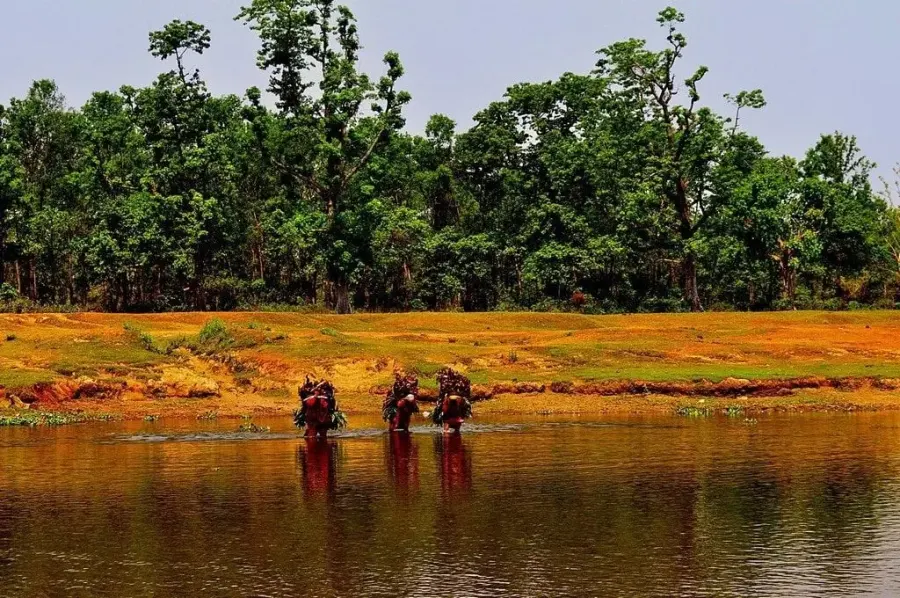
Bardia National Park covers 968 square kilometers in Nepal's far west and is the largest national park in the Terai. It is home to endangered species such as the one-horned rhinoceros, Bengal tiger, wild elephant, swamp deer, gharial and marsh mugger crocodiles, and the Gangetic dolphin in the Karnali River. Blackbuck are not in the park itself but in the nearby Blackbuck Conservation Area at Khairapur.
Surveys have recorded somewhere between about 40 and 60 mammal species and more than 400 species of birds in the park, along with many reptiles. The major vegetation types are sal forest, wooded grasslands and riverine forest. With 112 tigers in the 2026 census and far fewer visitors than Chitwan, Bardia gives the best odds in Nepal of seeing a tiger on foot or by jeep.
Daily flights from Kathmandu to Nepalgunj take about an hour, and overnight buses also run. From Nepalgunj it is about 2 to 3 hours by road to Thakurdwara, the village at the park entrance where the lodges are.
Best Time to Visit Bardia
The best time to visit Bardia National Park is from mid-September till mid-December and the start of February till the end of May. March to May is hot, but it is the peak time for tiger sightings along the rivers. Our guide to the best time to visit Bardiya goes month by month.
Related Package: Bardiya National Park Safari
Shuklaphanta National Park
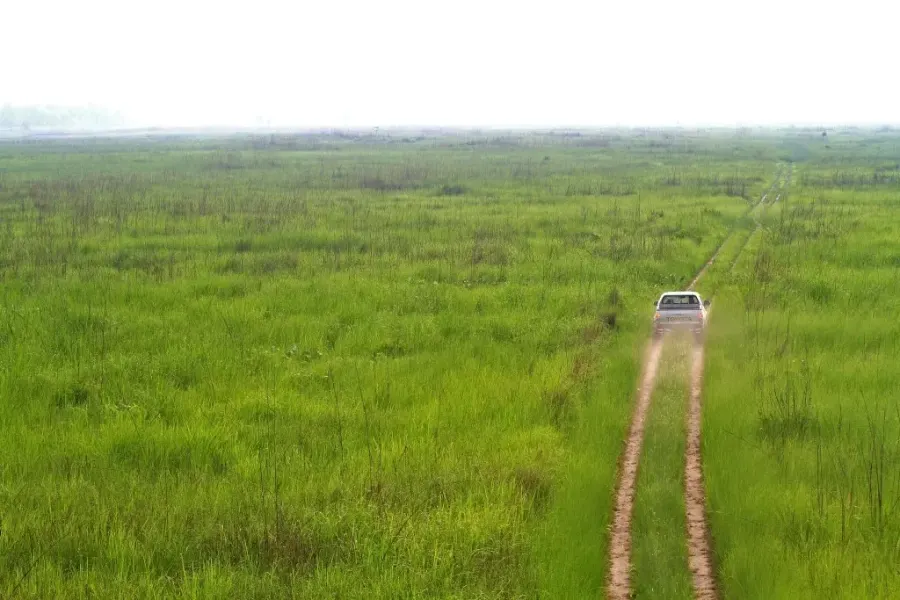
Shuklaphanta, a wildlife reserve until it was upgraded to a national park in 2017, is situated in far-western Nepal in Kanchanpur district. The park covers 305 square kilometres, with a buffer zone of another 243. It is famous for the barasingha, or swamp deer, an endangered species that lives here in herds of hundreds. The latest census counted about 2,200 of them.
Hog deer, Nilgai, wild dog, Jackal, and porcupine are among other wildlife spotted in the park. If you get lucky, you might also see wild elephants and tigers in the park. Another major attraction of this park is Rani Tal (Queen Lake) which is another most visited spot. Many animals and birds such as Heron, ducks, storks, kingfishers, and egrets come here in search of food whereas swamp deer wallow at the edge of the lake.
Shuklaphanta is Nepal's best park for grassland wildlife. A wide variety of the earth’s topography and climate zones are found within the small area of Nepal. In addition to the wildlife, this safari also treats you with fascinating land of ancient history, living culture and welcoming people. Nepal’s rich biodiversity makes it one of the best ecotourism destinations in the world.
Best Time to Visit Shuklaphanta
The best time to visit Shuklaphanta National Park is from mid-September till mid-December and the start of February till the end of May. Swamp deer gather on the open phantas (grasslands) after the grass is cut in winter.
Koshi Tappu Wildlife Reserve
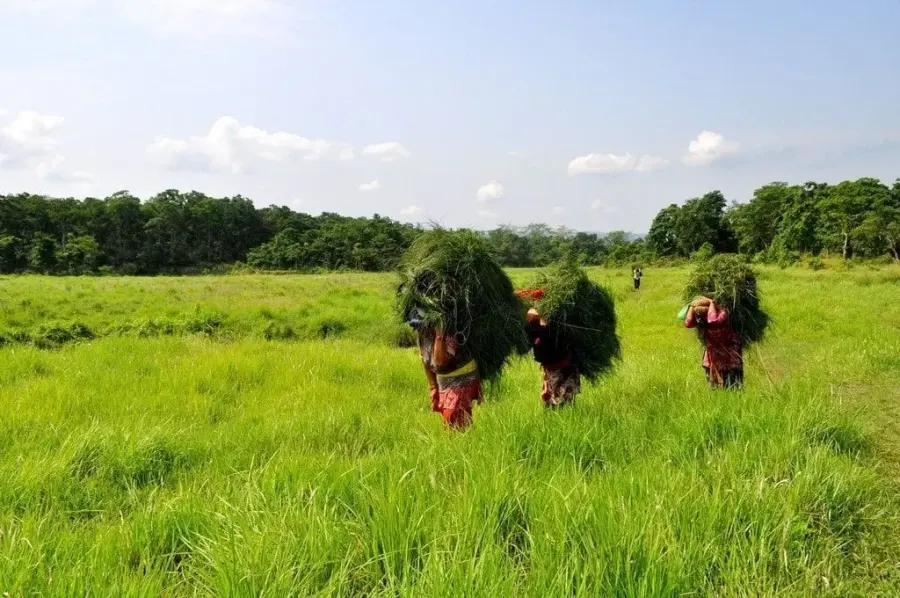
Koshi Tappu Wildlife Reserve is situated in eastern Nepal and covers 175 sq km of river islands, marsh and grassland on the Sapta Koshi, Nepal's largest river system. It was set up in 1976 to protect Nepal's last wild water buffalo (arna), and in 1987 it became the country's first Ramsar wetland of international importance. You can see snakes, wild elephants, gharial and lizards, and birds such as the black-necked stork, greater and lesser adjutant storks, Baer's pochard, red-necked falcon, Bengal florican, great stone plover, black-bellied tern, dusky eagle owl, swamp francolin and marsh warbler. Koshi Tappu also supports large grazing animals such as the wild water buffalo, nilgai (blue bull) and hog deer. Nearly 500 bird species have been recorded here, though published counts vary.
The small wetland carnivores include the rare fishing cat and smooth-coated otters. A few rare Gangetic dolphins live in the Koshi River, and we run a separate dolphin-watching trip on the Sapta Koshi. Usually visitors spend 4 days and 3 nights, but it is also possible to stay longer if you desire.
Related Package: Koshi Tappu Wildlife Tour
Best Time to Visit Koshi Tappu
The best season for visiting here is around November to February as many birds from Siberia and Tibet migrate here at that time.
Other Parks Worth Knowing
Parsa National Park joins Chitwan on its eastern side and covers about 627 sq km. It became a national park in 2017 and has a growing tiger population, with very few visitors. Banke National Park, created in 2010, covers about 550 sq km next to Bardia, and together they form one of the largest stretches of tiger habitat in the Terai. Neither has much tourist infrastructure yet, so most people see them on a specialist wildlife trip.
Staying Safe on a Jungle Walk
Walking safaris are the most exciting way to see the park, but rhinos and wild elephants can charge, and attacks do happen. In April 2024 a nature guide in Chitwan was killed by a rhino while leading tourists, and the visitors in his group were unhurt. Walk only with licensed park guides (usually two per group), keep quiet, stay together, and follow the guide's instructions, which often means climbing a tree or moving behind a large trunk if a rhino comes towards you. Never approach animals for a photo, and keep to the routes and hours the park allows.
Make your Jungle safari experience memorable with Swotah travel and adventures. We promote sustainable, ethical and responsible travel that avoids animal and environmental exploitation and aims to support local communities.
One booking note: skip elephant-back rides. They are being phased down after a December 2025 Supreme Court order calling for alternatives, and jeep, canoe and walking safaris get you close to wildlife with none of the welfare problems, as our piece on the unethical side of elephant rides explains.
Jungle Safari in Nepal FAQ
Which is better, Chitwan or Bardia?
Chitwan is easier to reach, has more lodges and is the best park for rhinos. Bardia takes longer to get to but is quieter and gives better odds of seeing a tiger. If you have only two or three days, choose Chitwan. If you have four or more and tigers are the goal, choose Bardia.
What is the best month for a safari in Nepal?
February to April, after the tall grass is cut and before the heat of May. October to January is also good, with cooler days and morning mist.
How much is the Chitwan National Park entry fee?
NPR 2,000 per foreign visitor, NPR 1,000 for SAARC nationals and NPR 150 for Nepalis, paid at the park gate. Jeeps entering the park pay a separate vehicle fee.
Can you see tigers in Nepal?
Yes, but they are shy and sightings are never guaranteed. Nepal counted 429 tigers in 2026, with the most in Chitwan (145) and Bardia (112). Bardia, with fewer visitors, gives the best chance.
Are elephant rides still offered in Chitwan?
Some operators still offer them, but they are being phased down after a December 2025 Supreme Court order, and we do not include them. Jeep, canoe and walking safaris are the better choice.