



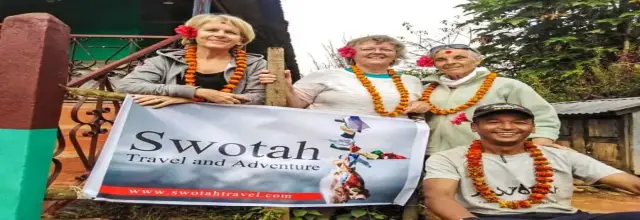

10 Reasons to choose a Homestay over a Hotel
Most travelers to Nepal book a hotel out of habit. It is familiar, needs no adjustment, and comes with wi-fi in the lobby. But if there is one decision that can genuinely transform your time in Nepal, it is choosing a homestay in Nepal over a standard hotel. From waking to fresh masala tea in a farmhouse kitchen to sitting around the fire while your hosts tell stories that date back generations, a homestay puts you inside Nepal's life rather than watching it pass from a balcony. Tourists arrive as visitors. They leave as family.
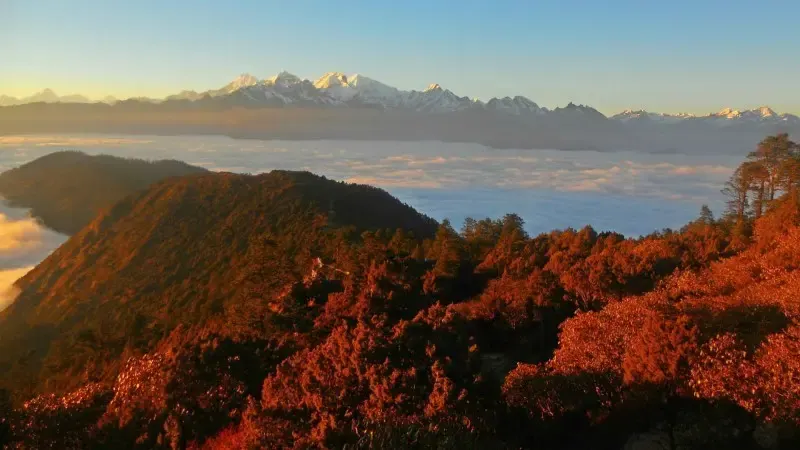
10 Reasons to Choose a Homestay on Your Nepal Visit
1. See Beyond the Tourist Trail
Staying with a host family opens doors that no hotel concierge can unlock. Your hosts know which viewpoint has no crowds at sunrise, which tea shop makes the best selroti, and which trail leads to a village most maps do not even show. Most guided tours follow the same loop, a homestay lets you get off the beaten path and discover the Nepal that belongs to the people who live there. You leave knowing places, not just having visited them.
2. Experience Truly Distinctive Accommodation
Hotels may feel familiar, but a homestay in Nepal is a genuine window into local life. Nepal has more than 100 ethnic groups, Newari, Gurung, Tamang, Sherpa, Tharu, Rai, each with a different kind of home, sleeping arrangement, and daily rhythm. One night you might sleep in a mud-brick farmhouse with carved wooden windows; another in a stone-walled Gurung home high in the hills. There is no better way to feel the diversity of Nepal than to sleep inside it.
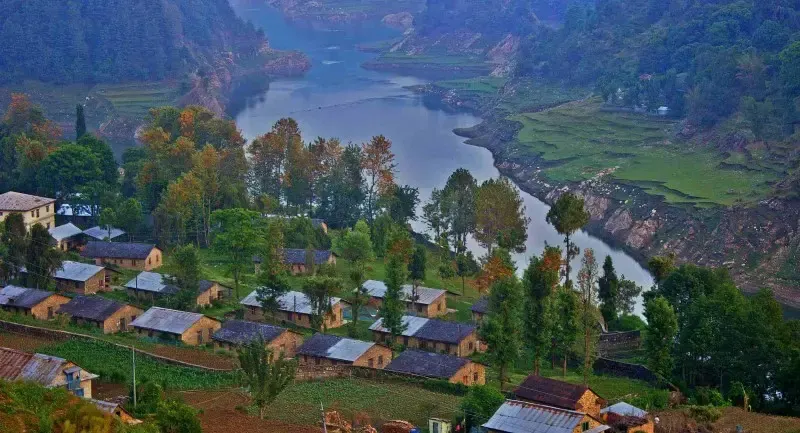
3. Try Organic Home-Cooked Meals
Forget restaurant menus, a homestay in Nepal is an edible education. Most rural families grow their own rice, lentils, and vegetables organically, and the food you eat has often been harvested from the field behind the house that same morning. You sit down to dal bhat, pickled vegetables, and seasonal greens prepared the way the family has cooked for decades. Sharing a meal is a sign of deep trust in Nepali culture, and your hosts will take genuine pride in feeding you well. For a deeper look at what you might taste, explore our guide to traditional Nepali food and drink.
4. Learn Local Culture and Customs Firsthand
Most tourists read about Nepali culture in a guidebook on the flight home. In a homestay, you live it before you leave. Your host family can teach you about their religion, the meaning behind their rituals, the significance of their traditional clothing, and the stories woven into local festivals. Nepal's cultural tapestry is extraordinarily rich; you could stay in ten different villages and have ten completely different experiences. Sherpa culture alone spans its own history, festivals, and cuisine worth exploring separately.
5. Pick Up the Language Faster Than Any App Can Teach You
A homestay is the single best language classroom in the world. Even learning a handful of words, namaste (hello), dhanyabad (thank you), mitho chha (it is delicious), creates an immediate bond with the people around you. Full immersion accelerates vocabulary faster than any app, and your host family will quietly correct your pronunciation over dinner, which is far more effective than any lesson. In return, most families are equally eager to practice their English with you.
6. Support the Local Economy Directly
Homestays offer exceptional value for money, and every rupee goes directly to the family hosting you. In small villages where agriculture is the main income, a single poor harvest or a sick animal can tip a family into hardship. The additional income from hosting travellers gives communities a financial cushion they would not otherwise have. Choosing a homestay is one of the most tangible forms of responsible travel in Nepal, your choice of accommodation becomes a contribution to a real family's livelihood.
7. Become Part of the Family
Nepal's culture revolves around family. Calling someone dai (older brother), didi (older sister), or aaama (mother) is not just polite, it is an expression of genuine warmth and kinship. Spend a few days under the same roof as a Nepali family and you will feel this shift happen naturally. You help carry firewood, you learn to fold the dough for momo, you sit on the porch and watch the valley fill with morning light together. These connections do not fade when you return home. Many travellers keep in touch with their host families for years.
8. Enjoy Unique Activities You Cannot Book Online
Homestays open up experiences that no activity booking platform lists. Learn how crops are planted and harvested by season. Join a cooking class using a wood-fired stove and ingredients from the garden. Explore a local temple during a festival that most tourists never know is happening. Many communities invite guests to participate in traditional dances, handicraft sessions, or early-morning prayers at a nearby monastery. If you want to time your stay around Nepal's extraordinary cultural calendar, our guide to treks timed around Nepal's festivals is a good place to start planning.
9. A Lighter Footprint on the Environment
Hotels generate significant waste, daily linen washes, packaged toiletries, imported food, and the carbon cost of running a large building in a remote area. A traditional homestay works on a different model entirely. Meals are cooked from local produce with minimal packaging. Many remote homes run on solar power. Water use is intentional rather than unlimited. By choosing a homestay, you reduce your environmental impact without having to think about it, the infrastructure naturally demands less from the land around it.
10. Memories That Last a Lifetime
No hotel can give you what a homestay can. A grandmother who presses a khada (silk scarf) into your hands on the morning you leave. A host who wakes at 5am to walk you to the ridge for the best sunrise in the valley. A child who learns your name and shouts it every time you pass the courtyard. These moments are not on any itinerary. They are the reason people come back to Nepal, not just once, but again and again.
What to Expect at a Nepal Homestay
If you have never stayed with a local family in Nepal before, knowing what to expect makes the experience even better:
- Meals included: Most homestays provide breakfast and dinner. Expect dal bhat, vegetable curries, and seasonal sides, hearty, healthy, and genuinely delicious.
- Simple but clean facilities: Rooms are basic but kept clean. Most rural homestays have squat toilets and bucket showers; some have Western-style facilities. Hot water in mountain villages usually means a heated bucket.
- Shared family spaces: You will likely eat with the family and sit in a shared common area. Privacy is respected, but the warmth of shared space is part of the experience.
- Limited connectivity: Wi-fi is rare in remote villages, and that is a feature, not a flaw. A digital detox alongside cultural immersion is exactly what many travellers come to Nepal for.
- Early mornings: Village life starts at dawn. If you want to join the household rhythm, fetching water, morning prayers, tending livestock, set your alarm early. If you prefer to sleep in, your hosts will not mind.
- Cash payments: Most family homestays do not take cards. Carry enough Nepali rupees before you leave the last major town.
What Does a Homestay in Nepal Cost?
A registered community homestay typically costs NPR 1,500 to 3,000 per person per night (roughly USD 12 to 25), and the price almost always includes dinner and breakfast cooked by the family. A mid-range Kathmandu or Pokhara hotel room runs NPR 3,000 to 8,000 with no meals, so the homestay is usually both the cheaper and the richer option. Payment is cash only in most villages; carry Nepali rupees from the last town with an ATM.
Where to Find the Best Community Homestays
Nepal pioneered organized village tourism, and several communities now run structured homestay programs with trained hosts and agreed standards:
- Sirubari (Syangja): Nepal's first organized village tourism program, a Gurung village south of Pokhara that has hosted guests since 1997.
- Ghalegaun (Lamjung): a showcase Gurung homestay village facing Annapurna II and Lamjung Himal, reachable in a day's drive from Kathmandu or Pokhara.
- Panauti and Bandipur: historic Newari towns with award-winning community homestay networks, easy to reach and ideal for first-timers.
- Tharu homestays (Chitwan and Bardia): village stays on the edge of the national parks that pair wildlife safaris with Tharu culture and dance.
- Briddim and Gatlang (Langtang region): Tamang villages on the Tamang Heritage Trail where the homestay is the standard accommodation, not the alternative.
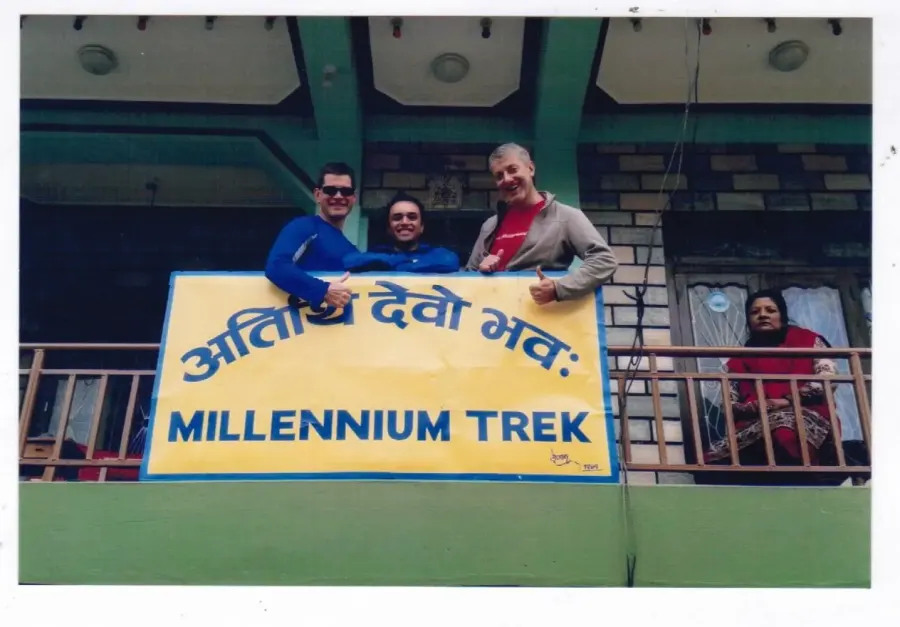
Whether you are on a trekking route or spending a few nights in the hills above Kathmandu, a community homestay will give you a Nepal that hotels simply cannot. For a direct comparison of your accommodation options on the trail, read our guide on why homestay trekking beats teahouse trekking for most travelers. Ready to book? Our Millennium Homestay Trek is designed to take you deep into village life in the hills above Kathmandu, authentic, affordable, and genuinely unforgettable.