


Everest Base Camp Trek During Winter
Would you ever consider trekking to Everest Base Camp, situated at an altitude of 5,364 m (17,598 ft), during the winter months?
There are many people who do make this iconic trek during the months of December to February. There are many rewards in doing this, but it also comes with many challenges as well.

The Rewards
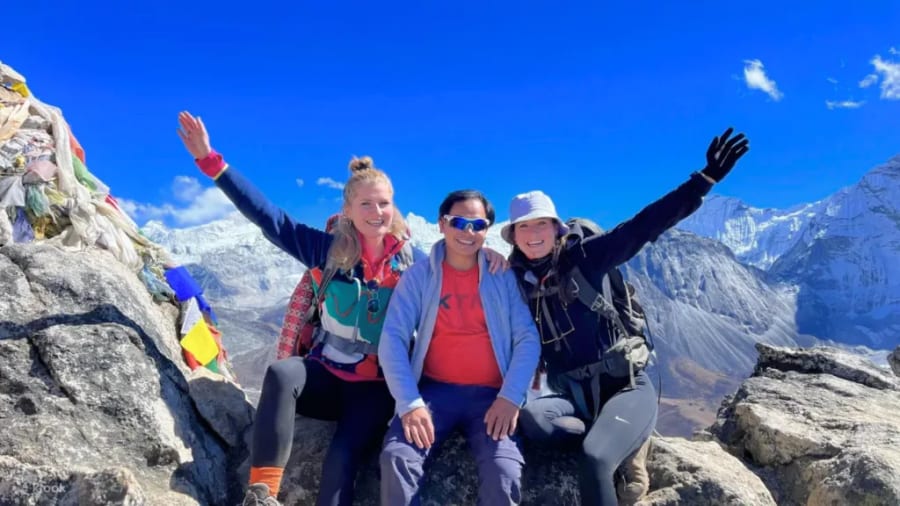
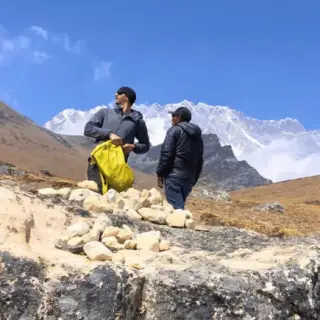
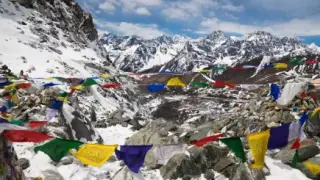
First of all, the mountain views will be astounding! Crystal clear skies and peaks covered in snow shining in the winter sun. The whole landscape you will be hiking through is like something out of a movie - a winter wonderland. Trails, houses, hills and vegetation covered in snow, rivers frozen - quite a sight.
Since the majority of people trek during the spring and autumn seasons, winter will be less busy on the trail. A lot less busy! Some days you may feel you have the whole of the mountains to yourselves. Even locals are seen less on the trails. Teahouses will be less busy, meaning you won't have to sleep in the dining room as sometimes happens during the busy season, and you won't have to wait so long for dinner. (Please note not all teahouses remain open however.)
It is physically more challenging to trek during the winter and through the snows, but if you are fit and wish to challenge your body to gain these rewards, the world (or at least the Everest Region) is yours!

The Challenges
First off, it's extremely cold. Day time temperatures will range from around -5°C / 23°F to -10°C / 14°F. Night time temperatures can drop as low as -15°C / 5°F to -25°C / -13°F. Do remember that the teahouses do not have heating in the sleeping rooms, so your four-season sleeping bag is invaluable. As is your extreme weather gear.
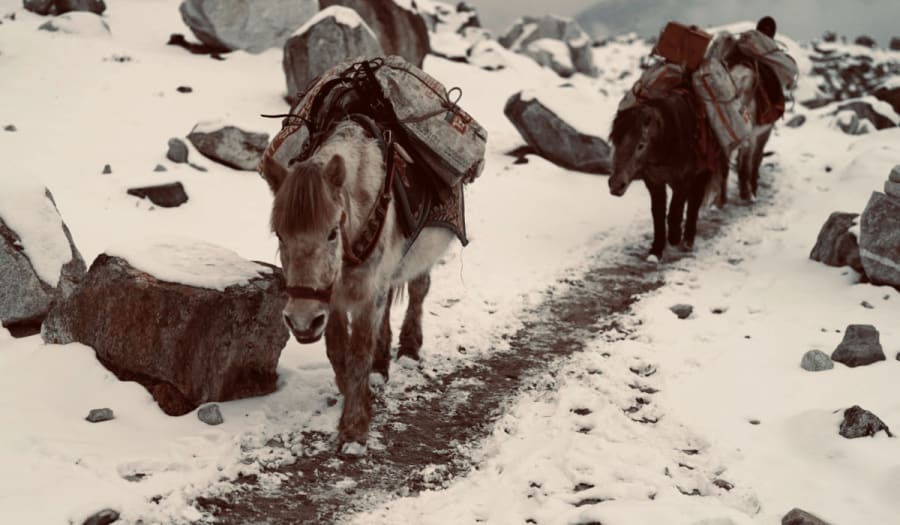
There can be storms bringing in high winds and snow. It may be hard to see the trail, and some may be blocked with snow. High passes may very likely be blocked. Note: always ask your teahouse owner for the latest update between there and the next overnight stop. Even if the trail is open, it may be slippery with ice. This presents more risk of falling and at this location, even a simple twisted ankle can cause a lot of problems. Days will be shorter making the trek more strenuous yet again as you push on to reach the next overnight stop. On the subject of health, you may suffer from frostbite if you are not careful. Keeping yourself hydrated becomes more difficult as who wants to drink cold water in the snow? Even if the water is newly boiled when you set off in the morning, it will cool off quickly.
Traditionally throughout Nepal many of the mountain people make their way down to lower lands during the winter. They also don't want to face the challenges of snow and road closures. So many of the teahouses may be closed. Your guide will assess which are open and ensure you get a bed for the night.
Another challenge may be actually getting to the Everest Region and back again. Flights can be delayed or cancelled due to bad weather. Something to consider when planning your trip.

Also Read: Everest Base Camp Trek in July
Doing it the Right Way
First off always pick the right trekking company to organise your winter trek to Everest Base Camp. Choose someone with a history of successful treks at this time of year. While it is possible to trek in the Everest Region without taking a guide, we certainly do not recommend it at any time of year. And during the winter, it would be extremely foolhardy to go alone when the trails are unclear and there are fewer people around.
Secondly, and equally as important, ask yourself if you really have enough trekking experience in this situation? Have you been trekking at high altitude before? Have you hiked through snow in the cold winter? Do you have access to enough warm gear? Are you prepared for the physical and mental difficulties that may occur? If YES, read on!
-
Be prepared for the cold. Bring water proof trousers as well as jackets to fit over your usual cold weather trekking gear. Make sure your boots, gaiters and gloves are waterproof. Not only do you want to stay warm, you do not want to risk hypothermia.
-
Set off early in the morning. Yes we know it will be colder, but you need to utilize all the daylight you can get. You may only be getting five to seven hours of daylight. Bearing in mind most days you will be trekking for five, six or more hours it is important to start as early as possible while you are rested.
-
Be prepared for delays. If it is snowing heavily your guide may recommend you delay starting your trek that day. Or even suggest taking a day out to wait for the storm to pass and/ or the trails to become clearer. It may be required to change your route. Flights in and out of Lukla may also be delayed or cancelled. Ensure you are carrying enough cash in case you require extra nights' accommodation and food.
-
Book your accommodation in advance. Your guide/trekking company should do this for you as standard. Even though teahouses will be quite empty, it is important not to be left out in the cold (sic!) if the chosen teahouse is full or closed for the winter.
-
Stay well hydrated. Take an insulated bottle so your water doesn't freeze in the low temperatures.
-
Be aware of altitude-related problems. Always monitor your body for signs of extreme tiredness, nausea or vomiting, dizziness and / or confusion. Always tell your guide if you are unwell - do not be embarrassed to do so.
Enjoy the Quiet
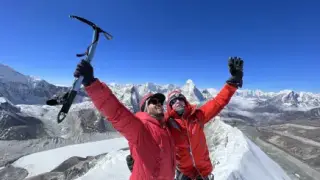
If you are well prepared physically and mentally, winter is the most amazing experience in the Everest Region. Very few people decide to trek at this time so you will be one of the few in your circle to have experienced the stunning snow-capped mountains against the vibrant blue skies. Or walked in (light) snow through places like Namche Bazaar, Tengboche Monastery and on to base camp.
You Might Be Interested