


For a structured retreat, start with Kopan Monastery above Boudhanath, whose one-month Buddhist meditation course has run every November since the early 1970s, or Dhamma Shringa, the free 10-day Vipassana centre about 12 km north of Kathmandu. Namo Buddha (1,750 m) and Lumbini, the Buddha’s birthplace, suit quieter stays. Pokhara has small yoga retreats, and Lawudo Gompa at about 4,000 m in the Khumbu is for experienced meditators only. Most centres change their schedules every year, so check current courses before you book flights.
- Best for a first Buddhist courseKopan Monastery, Kathmandu (November course)
- Best free optionDhamma Shringa Vipassana, 10 days, donation-based
- Birthplace of the BuddhaLumbini, UNESCO World Heritage Site since 1997
- Best for yogaPokhara retreats, or Dwarika’s in Dhulikhel for luxury
- Best seasonsOctober to November and March to April
- Swotah tripSpiritual Retreat Nepal, 8 days, from USD 887 (group departure)
A spiritual retreat is a period spent in a place, such as a monastery, ashram, or retreat center, to deepen one's spiritual practice, experience spiritual enlightenment, or take a break from everyday life's demands. It can be a solitary experience or one shared with others, and may involve meditation, prayer, yoga, or other spiritual practices.
When it comes to Nepal, the country is widely known for the number of temples, monasteries, and cultural monuments that have both cultural and spiritual values and beliefs.
Here are the ten best spiritual retreats in Nepal, from city stupas to a cave monastery in the Khumbu:
-
Kopan Monastery
-
Swayambhunath Stupa
-
Boudhanath Stupa
-
Pashupatinath Temple
-
Namo Buddha
-
Lumbini
-
Tushita Nepal, Pokhara
-
Dwarika’s Resort, Dhulikhel
-
Sadhana Yoga Retreat, Pokhara
-
Lawudo Gompa, near Namche
Nepal’s Spiritual Retreats Compared
The ten places below are three different kinds of stay. Kopan, Dhamma Shringa and Lawudo run formal courses with rules and schedules. The great stupas and Pashupatinath are pilgrimage sites you visit by day. Pokhara and Dhulikhel are where you go for yoga with a comfortable bed.
| Place | Tradition | Where | Best for | How to get there |
|---|---|---|---|---|
| Kopan Monastery | Tibetan Buddhist (Gelug, FPMT) | Hill north of Boudhanath, Kathmandu | Residential meditation and Buddhism courses | Taxi from Thamel, about 30 to 45 minutes |
| Swayambhunath | Buddhist and Hindu | Hilltop west of central Kathmandu | Morning kora and quiet sitting | Taxi or a walk from Thamel |
| Boudhanath | Tibetan Buddhist | Northeast Kathmandu | Evening kora, monasteries around the stupa | Taxi, about 30 minutes from Thamel |
| Pashupatinath | Hindu (Shiva) | Bagmati River, east Kathmandu | Evening aarti, sadhus, cremation ghats | Taxi, about 20 to 30 minutes |
| Namo Buddha | Tibetan Buddhist (Kagyu) | Ridge in Kavre, about 40 km east | Quiet monastery stay, ridge walks | Drive of 1.5 to 2 hours |
| Lumbini | Buddhist, all schools | Rupandehi, southern Terai | Pilgrimage and meditation in the monastic zone | Flight to Bhairahawa, then 30 minutes by road |
| Tushita Nepal | Yoga and meditation | Pumdibhumdi, above Phewa Lake, Pokhara | Small yoga and wellness stays | Short drive from Lakeside |
| Dwarika’s, Dhulikhel | Wellness, yoga, Ayurveda | Dhulikhel, about 30 km east | Luxury short breaks | Drive of about an hour |
| Sadhana Yoga Retreat | Hatha yoga | Sedi Bagar, about 3 km north of Pokhara | Yoga, cleansing and fasting programmes | Short drive from Lakeside |
| Lawudo Gompa | Tibetan Buddhist (FPMT) | Above Mende, Khumbu, about 4,000 m | Experienced meditators on solo retreat | Fly to Lukla, then two days’ walk to Namche and about three hours more |
Kopan Monastery
Kopan Monastery is a Tibetan Buddhist monastery in the Kathmandu Valley of Nepal. Lama Thubten Yeshe and Lama Thubten Zopa Rinpoche, a Sherpa from Thame in the Khumbu, bought the hilltop in 1969 and held their first meditation course there in 1971. The monastery sits on a hill north of Boudhanath, overlooking the Kathmandu valley, about 10 kilometers from the city center. The two lamas went on to found the Foundation for the Preservation of the Mahayana Tradition (FPMT), and Lama Zopa led it until his death in 2023.
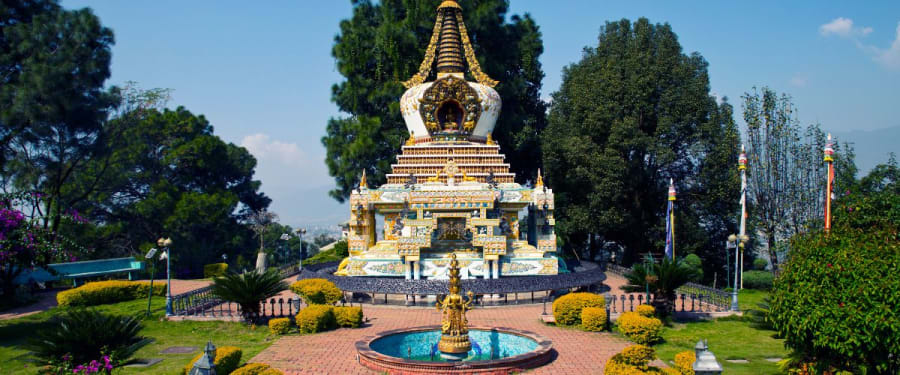
Located in the hills above Kathmandu, this Tibetan Buddhist monastery offers courses on meditation and Buddhism through the year. The best known is the one-month Lam Rim course every November, which began with about a dozen students and drew 279 people from 49 countries in 2019. Shorter introductory courses run in other months, so check current courses on the monastery’s own pages.
Kopan Monastery is known for its teachings on Tibetan Buddhism, particularly the teachings of the Gelug tradition. The monastery offers courses and retreats for both monastics and laypeople, including teachings on meditation, Tibetan language, and Buddhist philosophy. Hundreds of monks live at Kopan, many from the Himalayan regions of Nepal and from Tibetan families, and its sister nunnery, Khachoe Ghakyil Ling, sits on the same hill.
In addition to its religious and educational activities, Kopan Monastery is also involved in various social and cultural activities in the local community. These include providing medical care and education to the local population and working to preserve and promote the cultural heritage of Nepal and Tibet.
Swayambhunath Stupa
This ancient stupa on a hilltop west of central Kathmandu is a popular place for spiritual contemplation and offers stunning views of the city.
Swayambhunath is at least 1,500 years old, and a 5th-century inscription links it to the Licchavi kings. Pilgrims climb its 365 stone steps from the east side at dawn, past the monkeys that gave it the nickname Monkey Temple. It is part of the Kathmandu Valley World Heritage Site, listed by UNESCO in 1979. It is also a popular tourist attraction due to its beautiful architecture and cultural significance. The stupa is a central part of the Buddhist tradition in Nepal and is considered one of the holiest Buddhist sites in the country.
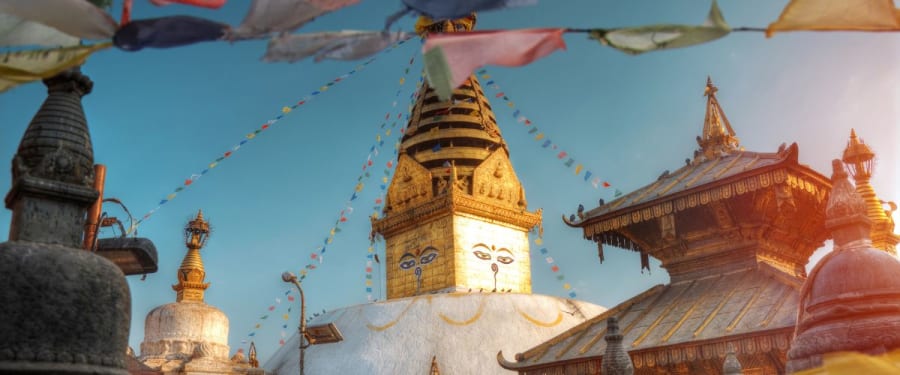
Several temples and shrines are located around the stupa, and visitors can walk around the stupa, spinning the prayer wheels and lighting incense as they go. There are also several monasteries near the stupa where visitors can learn more about Buddhism and the local culture.
Overall, the Swayambhunath Stupa is a beautiful and peaceful place that is well worth a visit for anyone interested in Buddhism or spiritual retreats.
Boudhanath Stupa
Another Tibetan Buddhist site in Kathmandu, the Boudhanath Stupa, is a UNESCO World Heritage site and a popular place for meditation and prayer.
It is one of the holiest and most famous Buddhist sites in Nepal. Tradition dates the first stupa to the Licchavi period, around the 5th or 6th century, and it has been rebuilt many times, most recently after the 2015 earthquake. Its base is about 100 meters across and the dome rises about 36 meters. Foreigners pay an entry fee of around NPR 400.
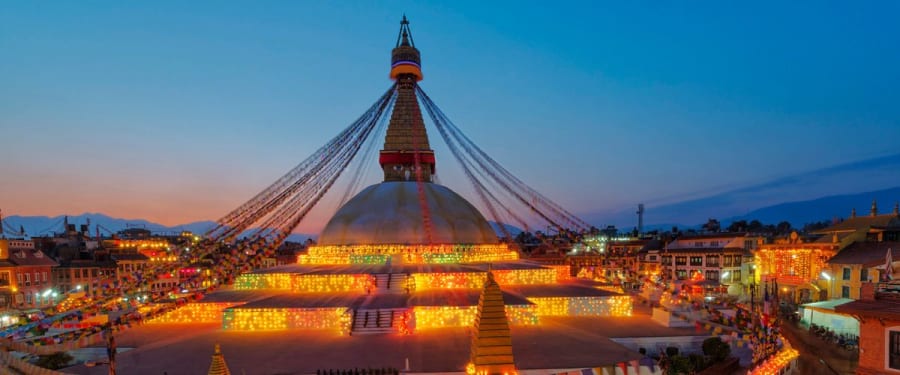
The stupa is a popular place for spiritual retreats, as it is a peaceful and serene environment that is conducive to meditation and contemplation. Visitors to the stupa can walk around the central dome, spinning the prayer wheels and offering prayers and offerings to the deities. There are also many small shrines and monasteries located around the stupa, and visitors can participate in Buddhist rituals and ceremonies.
In addition to its spiritual significance, the Boudhanath Stupa is an important cultural and historical site, symbolizing Nepal's rich Buddhist heritage. It is a popular destination for Buddhist pilgrims and tourists alike, and it is a beautiful and peaceful place to spend time contemplating and reflecting.
Pashupatinath Temple
This Hindu temple in Kathmandu is a sacred site for Hindus and a popular place for spiritual retreats and pilgrimages.
The temple complex is home to several smaller shrines and ghats (bathing steps) along the river, where devotees perform rituals and cremations. The temple is also famous for spiritual retreats, with many visitors coming to meditate and seek spiritual guidance.
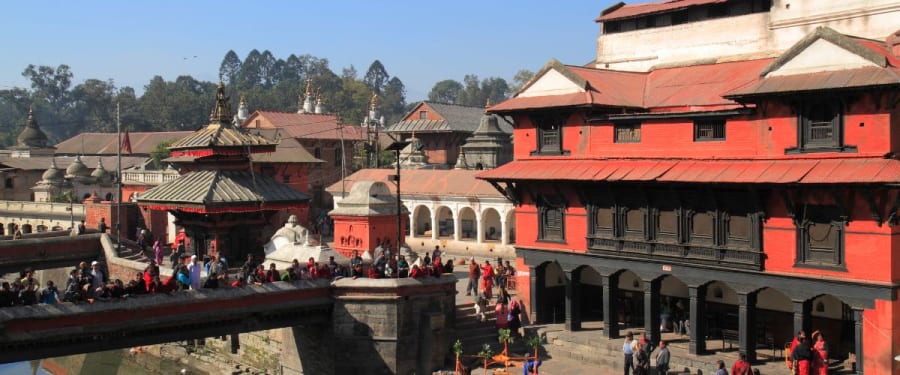
The grounds are open to visitors of all faiths, although non-Hindus cannot enter the main temple courtyard. Foreigners buy a ticket of about NPR 1,000. Dress modestly, take off your shoes where asked, and never photograph a cremation up close. The evening aarti on the riverbank is the best time to come.
If you plan to visit Pashupatinath Temple for a spiritual retreat, it is essential to respect the temple's customs and traditions. It is also a good idea to read up on the temple's history before your visit. Our Pashupatinath Temple visitor guide covers the rules, fees and the best times to go.
Namo Buddha
Located about 1.5 to 2 hours’ drive from Kathmandu, this Buddhist monastic complex sits on a forested ridge at about 1,750 m and holds meditation teachings at times through the year.
Namo Buddha is a famous Buddhist pilgrimage site located in the Kavrepalanchok district of Nepal, about 40 kilometers east of the capital city of Kathmandu. Buddhists believe this is where the Buddha, in a previous life as Prince Mahasattva, offered his body to a starving tigress and her cubs. Tibetans call the place Takmo Lu Jin, the tigress body offering. The site is considered sacred by Buddhists and is often visited by Buddhists and travelers seeking spiritual retreats and enlightenment.
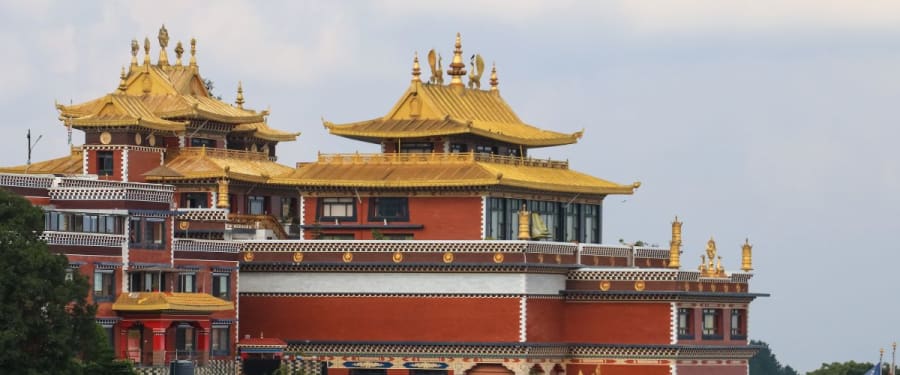
Several monasteries and stupas are located at Namo Buddha, including the old stupa that marks the tigress story and Thrangu Tashi Yangtse Monastery, built from the late 1970s on the hilltop above it. Visitors can participate in various spiritual practices and rituals, such as chanting, meditation, and prayer, as well as explore the surrounding area and take in the beautiful natural surroundings.
Many people find that spending time at Namo Buddha can be a powerful and transformative experience, helping them connect with their inner selves and find peace and clarity.
Lumbini
This town in southern Nepal is the birthplace of the Buddha and is home to several monasteries, stupas, and temples that are popular for spiritual retreats. It has been a UNESCO World Heritage Site since 1997.
Many visit Lumbini for spiritual retreats to meditate and seek inner peace. The Lumbini Development Trust has developed the area around the birthplace of the Buddha as a peaceful place with gardens and monasteries. At its centre are the Maya Devi Temple, over the spot where the Buddha is said to have been born, and the pillar Emperor Ashoka set up on his visit in 249 BCE. The monastic zone is split in two, with Theravada monasteries in the east and Mahayana and Vajrayana ones in the west, each built by a different country.
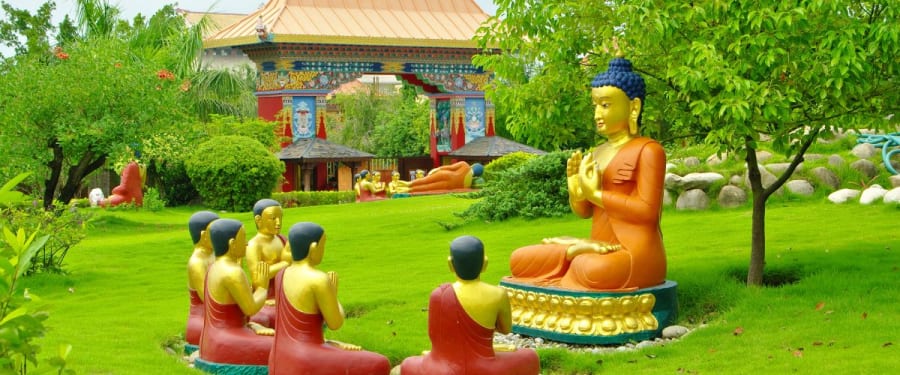
There are also several meditation and retreat centers in Lumbini, some of them inside the monastic zone, where visitors can participate in spiritual practices such as mindfulness meditation, yoga, and other spiritual disciplines. These retreats offer a chance for visitors to connect with their inner selves and find peace and tranquility in a beautiful and peaceful setting.
Tushita Nepal, Pokhara
Tushita Nepal is a small meditation and yoga retreat centre set on a quiet hillside at Pumdibhumdi, above Phewa Lake and the Pokhara valley. It is a private centre, with no link to the FPMT’s better-known Tushita in Dharamsala, India.
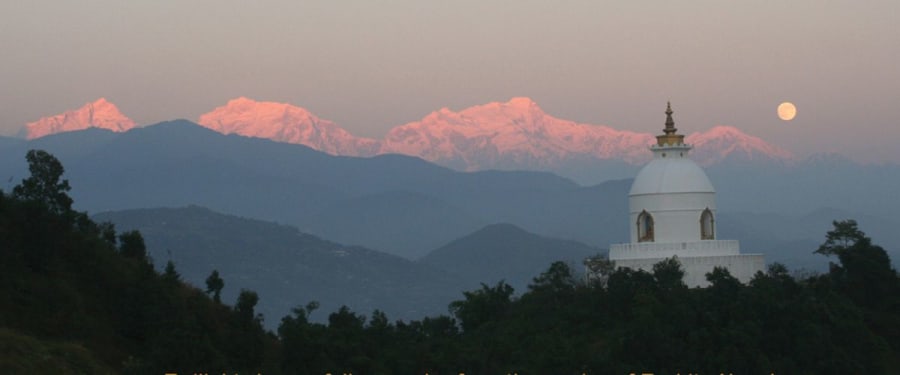
The center offers yoga, meditation and wellness programs with Ayurvedic-style meals, and the mix changes from season to season, so check current courses before you go.
These programs are designed to help participants slow down and build a daily practice they can take home.
The center is located in a peaceful and serene setting, surrounded by the natural beauty of the Pokhara valley. It suits people who want a few quiet days of yoga and meditation in Pokhara between treks.
Dwarika’s Resort, Dhulikhel
Set on a ridge in Dhulikhel, just east of the Kathmandu Valley, Dwarika's Resort is one of Nepal's best-known luxury wellness resorts, offering yoga, meditation, sound healing, and Ayurvedic treatments with Himalayan views.
The resort's Pancha Kosha philosophy shapes everything from its Himalayan salt room, sound chambers and yoga studios to its plant-based Himalayan cuisine, and guests can combine single-day programmes with longer curated wellness journeys. It is about an hour's drive from Kathmandu, a little more in traffic, so it fits into a short trip.
Also Read:
Vipassana in Nepal: A 10-Day Course at Dhamma Shringa
Top Buddhist Destinations to Visit in Nepal
Sadhana Yoga Retreat, Pokhara
Sadhana Yoga Retreat is a yoga retreat in Sedi Bagar, a village of rice terraces about 3 km north of Pokhara, that offers spiritual retreats for people interested in deepening their yoga practice and exploring their spiritual growth. These retreats typically involve daily yoga and meditation classes, as well as various workshops and lectures on mindfulness, self-inquiry, and spiritual growth.
Depending on the specific retreat, participants may also have the opportunity to engage in activities such as hiking, trekking, and cultural experiences.
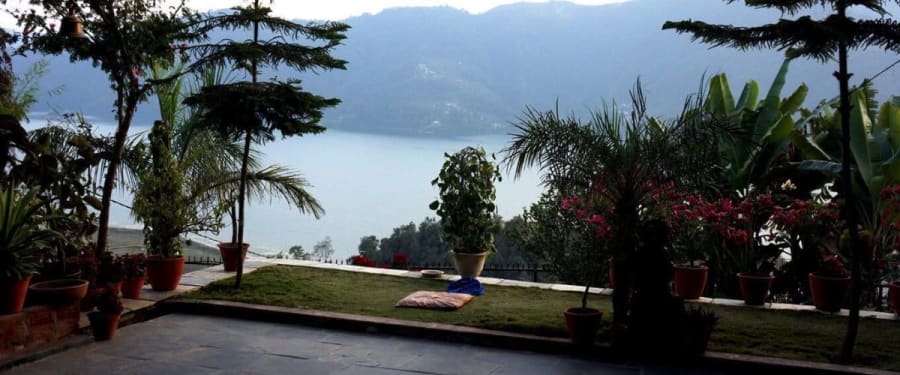
If you're considering a spiritual retreat at Sadhana Yoga Retreat, research it first to see if it suits you and your goals.
Some things to consider are the length of the retreat, the level of physical activity involved, the type of accommodations provided, and the overall atmosphere and culture of the retreat. It's also a good idea to review the retreat's policies on cancellations and refunds and consider any possible travel and medical concerns.
Lawudo Gompa, near Namche
Lawudo Gompa is a Tibetan Buddhist monastery and retreat centre above the village of Mende in the Khumbu, in the Solu-Khumbu district of Nepal. The monastery is situated in a remote area at an altitude of about 4,000 meters (13,000 feet). It grew up around the cave where the Lawudo Lama meditated for more than twenty years, and Lama Zopa Rinpoche of Kopan was recognised as his reincarnation. It is known for its peaceful and isolated setting, which makes it a popular destination for spiritual retreats.
The monastery is near Namche Bazaar, the main town of the Khumbu and the gateway to Mount Everest. Namche Bazaar is a popular stop for trekkers and travelers visiting the area and is known for its colorful market and rich Tibetan culture.
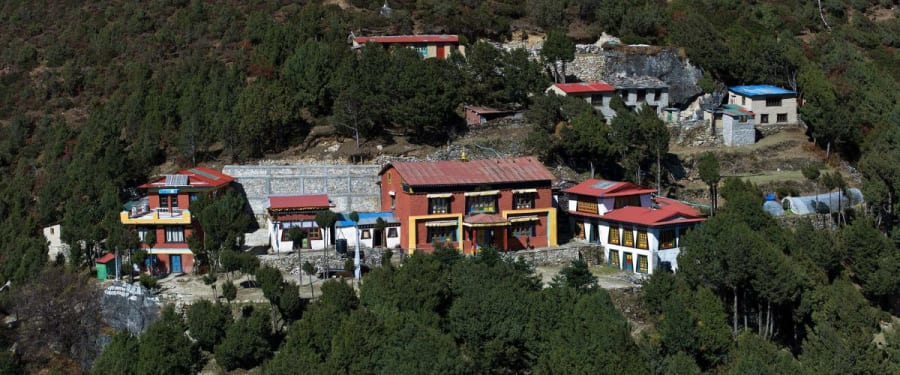
If you are planning a spiritual retreat at Lawudo Gompa, spend at least two nights in Namche Bazaar first to acclimatize to the altitude. The hike to Lawudo Gompa from Namche Bazaar takes about three to four hours via Thamo and Mende, a moderate walk at altitude, and many visitors combine it with the classic Everest trail. The journey to the monastery is an opportunity to experience the stunning natural beauty of the region, as well as to learn about the local culture and way of life.
Being well-prepared for a spiritual retreat at Lawudo Gompa is essential, as the monastery is located in a remote and isolated area with limited facilities. Retreat places are limited and meant for people with some meditation experience, so contact the centre well before you travel.
Many people use spiritual retreats as an opportunity to spend time in nature or engage in creative activities, such as writing or painting, to connect with their inner selves and find spiritual nourishment. Spiritual retreats can last for a few days or weeks, depending on the individual's needs and goals.
Also Worth Knowing: Dhamma Shringa Vipassana Centre
Dhamma Shringa sits in the Shivapuri foothills about 12 km north of Kathmandu, at roughly 1,600 m, next to protected forest. It teaches Vipassana in the tradition of S. N. Goenka. Courses last 10 days, in silence, with about ten hours of sitting a day. They are free. Food and lodging are paid for by donations from people who have already finished a course, and new students cannot donate until they finish. Two 10-day courses usually start each month, but the festival months of October and November change the schedule, so apply early. For a first-hand account of the 10 days, read Vipassana in Nepal: A 10-Day Course at Dhamma Shringa.
How to Choose a Spiritual Retreat in Nepal
Start with how much structure you want. A Vipassana course has fixed rules, no phones and noble silence for all 10 days. Kopan’s courses mix teachings, discussion and meditation, and its November course takes a full month. A yoga retreat in Pokhara is far looser. You can usually join for a few days and leave for a trek.
Season matters too. October, November, March and April bring dry days and clear mountains. Lumbini is hot from May, often above 35°C, and the monsoon from June to September brings leeches and cloud to the hills. Some centres close or slow down over Dashain and Tihar.
Wherever you go, dress modestly, walk clockwise around Buddhist stupas, ask before you photograph monks, and leave a small donation at the monasteries you visit.
Plan a Spiritual Trip in Nepal with Swotah
Swotah does not run a monastery or a meditation centre. It plans trips that take you to them, with transport, permits, hotels and a guide who knows the etiquette at each site. These are the trips that fit this article, with the “From” price of each group departure:
| Trip | Length | What it covers | From |
|---|---|---|---|
| Spiritual Retreat Nepal | 8 days | Yoga and meditation in Bhaktapur, Pharping’s Asura Cave and Namo Buddha | USD 887 |
| Nepal Yoga Retreat | 6 days | Daily Hatha and Vinyasa near Chhaling, heritage sites, Nagarkot sunrise | USD 1,100 |
| Buddhism Circuit Nepal | 10 days | Boudhanath, Swayambhunath, Namo Buddha, Lumbini and Pokhara’s World Peace Pagoda | USD 1,205 |
| Poon Hill Sun Salutation Yoga Trek | 10 days | Sunrise yoga on Poon Hill (3,210 m) in the Annapurna foothills | USD 1,250 |
| Everest Yoga Trek | 14 days | Daily yoga in the Khumbu, Tengboche Monastery, no high pass | USD 1,750 |
Swotah can arrange any of these as a private trip on your own dates.
Contact us to plan a trip around the retreat you choose.
If your idea of spirituality involves walking, two of our most popular itineraries combine both: the Everest Yoga Trek pairs daily practice with Khumbu scenery, and the Mani Rimdu Festival Trek is built around the masked dances at Tengboche Monastery. The festival’s public days fall on 26 to 28 October in 2026 and shift each year with the Tibetan calendar, so check the departure dates against the Mani Rimdu festival dates before you book.
Spiritual Retreats in Nepal: FAQs
What is the best spiritual retreat in Nepal for beginners?
Kopan Monastery is the usual first choice for Buddhism, since its courses are taught in English and assume no background. For pure meditation, the 10-day Vipassana course at Dhamma Shringa is harder but free. If you mostly want yoga, a few days in Pokhara is the gentlest start.
How much does a spiritual retreat in Nepal cost?
It ranges from nothing to hundreds of dollars a night. Vipassana courses at Dhamma Shringa run on donations from past students. Monastery courses such as Kopan’s charge a fee that covers food and a room, and luxury resorts like Dwarika’s price wellness programmes like a five-star hotel. Fees change every year, so check current courses with each centre.
When is the Kopan November course?
The Lam Rim course starts in November each year and lasts about a month. Places fill months ahead, so register as soon as the monastery opens bookings.
Do I need a visa or permit for a retreat in Nepal?
A tourist visa covers a retreat in Kathmandu, Pokhara or Lumbini. Lawudo is inside Sagarmatha National Park, so you also need the park entry permit and the Khumbu Pasang Lhamu rural municipality fee.
Can I combine a retreat with trekking?
Yes. Many people do a short course in Kathmandu and then trek. The Everest Yoga Trek and the Poon Hill Sun Salutation Yoga Trek build daily yoga into the walking itself.