







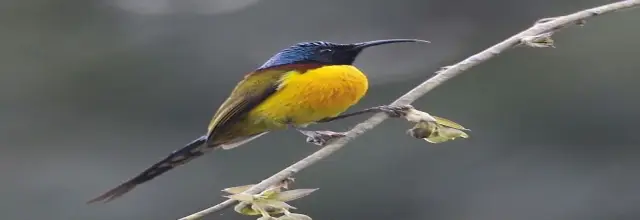

Nepal has 902 recorded bird species on the 2025 official checklist, roughly 8 percent of the world's birds. The best bird watching sites are Chitwan National Park (about 544 species), Koshi Tappu Wildlife Reserve (about 490 to 530, the top wetland site), the Annapurna Conservation Area (about 523) and Bardia and Shuklaphanta in the far west. Near Kathmandu, Phulchowki and Shivapuri Nagarjun National Park are easy day trips. The best months are October to April, when winter migrants arrive, with December to February best for waterbirds and March to May best for breeding hill birds.
- Species recorded902 (official checklist, 2025)
- Only endemic birdSpiny Babbler
- Top lowland siteChitwan National Park, about 544 species
- Top wetland siteKoshi Tappu, Nepal's first Ramsar site (1987)
- Best day trip from KathmanduPhulchowki, about 300 species
- Best monthsOctober to April
- Important Bird Areas42 (Bird Conservation Nepal, 2024)
Bird watching in Nepal is an astounding opportunity to see some of the rarest birds in the world. Nepal's 2025 official checklist lists 902 species, with new records added since, roughly 8 percent of the world's birds, in about 0.1 percent of its land. While some areas in Nepal are known to provide easier views of birds, others are not as easily accessible or convenient. The bird watching in Nepal suits both types of bird watchers: those who are short on time as well as those who aren’t.
There are numerous bird-watching areas in Nepal, explored and unexplored, protected and unprotected, convenient and non-convenient. This is precisely what brings birdwatchers from around the world to Nepal: the chance to explore remote areas for birdwatching. There is a possibility of new discoveries in every forest, grassland, and rocky mountain all over Nepal. New birds keep turning up. At least five species were added to the national list in 2025, and a Collared Kingfisher seen in Dhanusha became a first for Nepal in October 2026. Bird Conservation Nepal, the BirdLife International partner, now lists 42 Important Bird and Biodiversity Areas, up from 27 in 2005. Some of the most important and accessible are listed below.
Nepal Bird Watching Sites at a Glance
| Site | Main habitat | Species recorded | Best for | Getting there from Kathmandu |
|---|---|---|---|---|
| Chitwan National Park | Sal forest, grassland, rivers | About 544 | Hornbills, Bengal Florican, Slender-billed Babbler | 5 to 7 hours by road or a 25-minute flight to Bharatpur |
| Koshi Tappu Wildlife Reserve | Wetland, river islands, barrage | About 490 to 530 | Winter ducks, storks, Swamp Francolin | Flight to Biratnagar, then about 2 hours by road |
| Annapurna Conservation Area | Subtropical forest to alpine | About 523 | Pheasants, raptor migration, high-altitude birds | Via Pokhara, 6 to 7 hours by road or a 25-minute flight |
| Bardia National Park | Sal forest, grassland, Karnali river | About 426 | Grassland birds, Sarus Crane | 1-hour flight to Nepalgunj, then 2 to 3 hours by road |
| Shivapuri Nagarjun National Park | Temperate and subtropical forest | About 396 | Spiny Babbler, laughingthrushes | 30 to 45 minutes to the Panimuhan gate |
| Shuklaphanta National Park | Grassland, swamp | About 373 | Bengal Florican, Hodgson’s Bushchat | Flight to Dhangadhi, then about 1.5 hours by road |
| Phulchowki | Oak and rhododendron forest | About 300 | Hill birds, niltavas, cutias | About 1 hour by road |
Bird species recorded at each site
| Site | Species | Scale (up to 544) |
|---|---|---|
| Chitwan | 544 | |
| Koshi Tappu and Barrage (BirdLife) | 486 | |
| Annapurna (ACAP) | 523 | |
| Bardia | 426 | |
| Shivapuri Nagarjun | 396 | |
| Shuklaphanta | 373 | |
| Phulchowki | 300 |
Counts come from different surveys and years (park and BirdLife sources, NTNC for Annapurna), so read them as a guide to how rich each site is, not an exact ranking.
Shivapuri
Shivapuri Nagarjun National Park (called Shivapuri National Park until the Nagarjun forest was added in 2009) is one of the most densely forested areas in the Kathmandu valley. The park has several entry points. The closest to Kathmandu is the Panimuhan gate, just north of the Budhanilkantha Temple. The old Shivapuri checklist counted around 318 species of bird, and a 2021 to 2022 survey of the enlarged park raised the list to 396. The high number of bird count is not the only reason for bird watching in Shivapuri. The relatively unexplored forests, especially on the northern side, open up the potential for discovering new species in Shivapuri, making it one of the important bird watching destinations within Kathmandu.
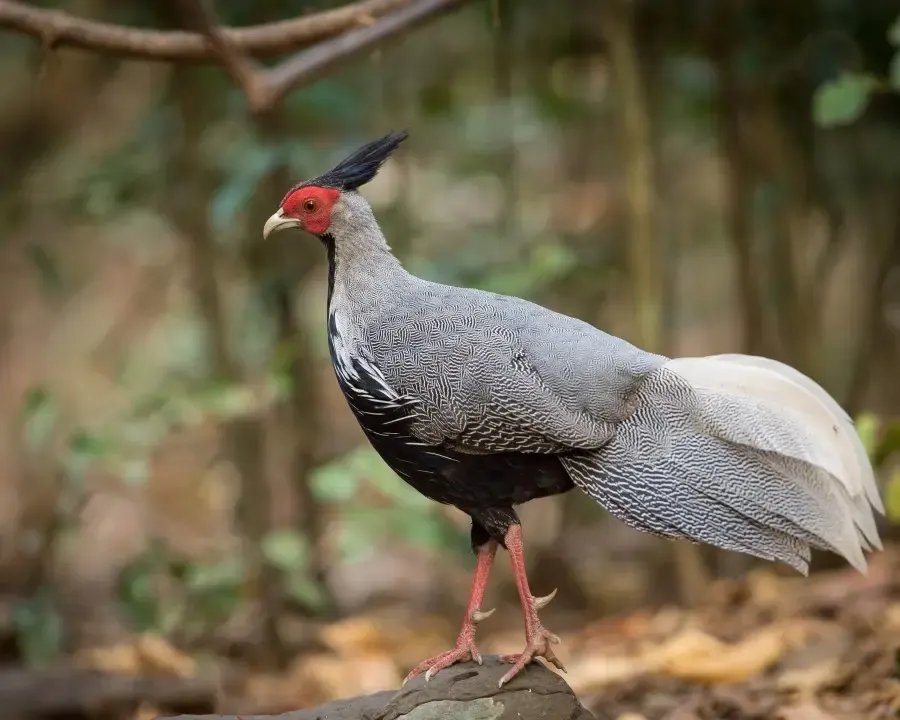
Photo: Kalij
The forest is a sanctuary to three of the restricted-range bird species: the Spiny Babbler (Nepal’s only endemic bird), the Hoary-throated Barwing and the White-throated Tit. The park has diverse vegetation. The lower slopes are now reduced to scrub, and the upper slopes are covered in temperate forests. This diversity is reflected in the species of birds in the area, which includes the Hill Partridge, Mountain Scops Owl, Great Barbet, Wedge-tailed Green Pigeon, Eurasian Jay, Kalij Pheasant, Nepal Fulvetta, Asian Paradise-Flycatcher, Rufous-bellied Woodpecker, and Grey-winged Blackbird.
Birds of prey include various eagles and a variety of robins, warblers, and laughing thrushes. Two globally threatened birds, the White-rumped Vulture and Hodgson’s Bushchat can also be observed at the Shivapuri Nagarjun National Park. Foreigners pay an entry fee at the gate. Published rates vary, so check the current fee with the park office before you go.
Shivapuri is a delight to all bird watchers who have an eye for exploration. A ‘must visit’ for bird watchers.
Phulchowki
Perhaps the most well-known, recommended, and visited bird-watching destination around Kathmandu, Phulchowki (about 2,780 m, the highest point on the valley rim) is located in the southeast of the city. The forests in Phulchowki cover the upper slopes of Phulchowki hill, and the lower slopes extend into the Godavari.
Phulchowki holds a great density of birds, counting to around 300 species. On a good spring morning it gives one of the biggest day lists in the valley.
Although its vegetation composition is similar to the other forests in the valley, Phulchowki is widely regarded as the best place to observe birds locally. Nepali ornithologists say birds are easier to spot at Phulchowki than anywhere else around the valley.
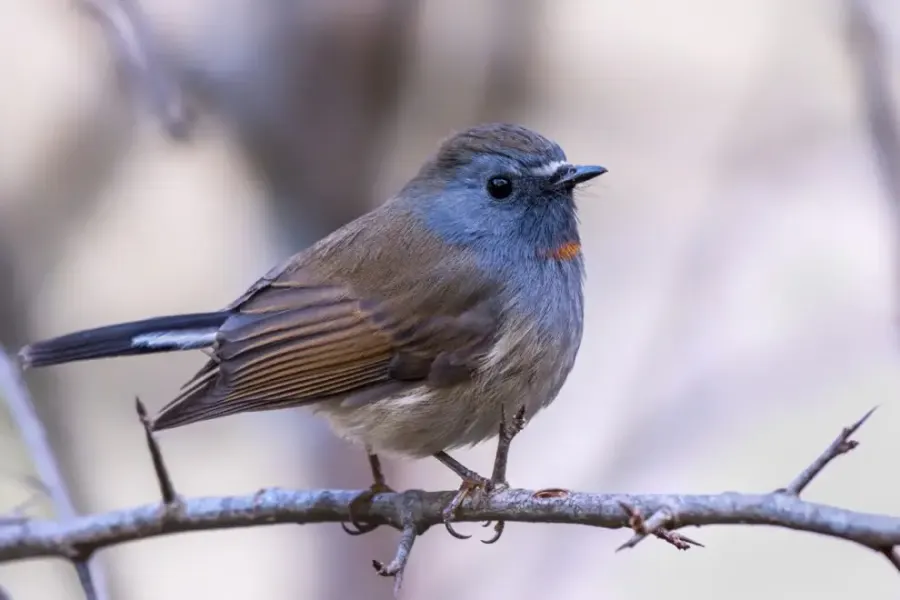
Photo: Rufous gorgeted flycatcher
Bird watchers in Phulchowki will get to observe a wide species of birds such as the Rufous-gorgeted Flycatcher, Rufous-bellied Niltava, Yellow-browed Tit, Greater Yellownape, Grey-headed Woodpecker, Nepal Cutia, Ultramarine Flycatcher, Chestnut-headed Tesia, Red-billed Leiothrix, Whiskered Yuhina, Besra, Bronzed and Racket-tailed Drongos, and Black-winged Cuckooshrike.
Other species include various types of warblers, babblers, and thrushes. One can also spot different eagle and vulture species, such as the White-rumped Vulture, the Slender-billed Vulture, and the Cinereous Vulture. One can also see Blue-naped Pitta, one of the rare birds in the area. Spectacled Finch, a passage migrant, occasionally appears around this place.
Sometimes during winter, it snows on Phulchowki hill, resulting in an altitudinal migration of many birds to the lower slopes.
Phulchowki is an exciting and time-saving bird-watching destination in Nepal within Kathmandu valley.
Godavari Botanical Gardens
The Godavari Botanical Gardens, situated at the foot of Phulchowki, is a site well suited for bird watchers who hate climbing hills. The National Botanical Garden here holds both exotic and local flora, making it close to the ‘Garden of Dreams’ for birds and bird watchers.
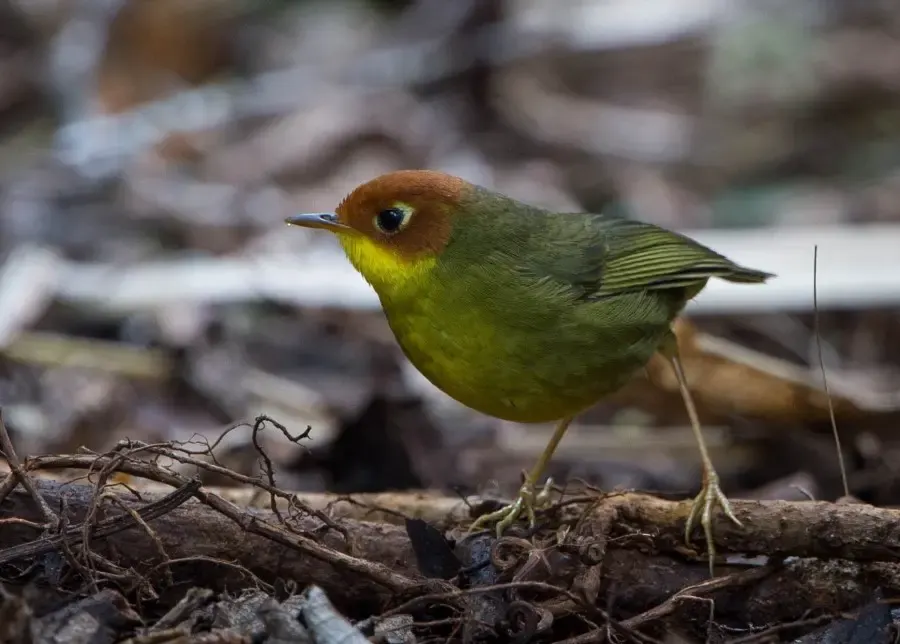
Photo: Chestnut-headed Tesia
The Godavari area is a popular picnic location. Thus, this place is crowded during weekends and public holidays, reducing the chance of seeing timid birds. So, it's advisable to visit during working days in order to observe birds in their habitat.
In and around the Godavari, the same species of birds on the lower slopes of the Phulchowki hills can be observed. Besides, Flocks of Tibetan Serins are common around the Godavari during winter.
Bajrabarahi
West of Phulchowki is Bajrabarahi, a 20-hectare forest of broad-leafed trees. It is a popular religious site, but lesser-known as a bird-watching site. The area shelters 40 species of birds, including the Asian Barred Owlet, Blossom-headed Parakeet, Spot-bellied Eagle Owl, Chestnut-tailed Starling, and the Steppe and Bonelli’s Eagles. The Lesser Kestrel is a rare species of the area. Bhattedanda, about eight kilometers south of Bajrabarahi, can be included in the day’s bird watching.
Taudaha
A perfect getaway from the hectic city and regular tourist spots, Taudaha is the best-known natural lake in the Kathmandu valley. Taudaha Lake, right on the foothills of Chobhar holds religious and mythological importance in Nepal.
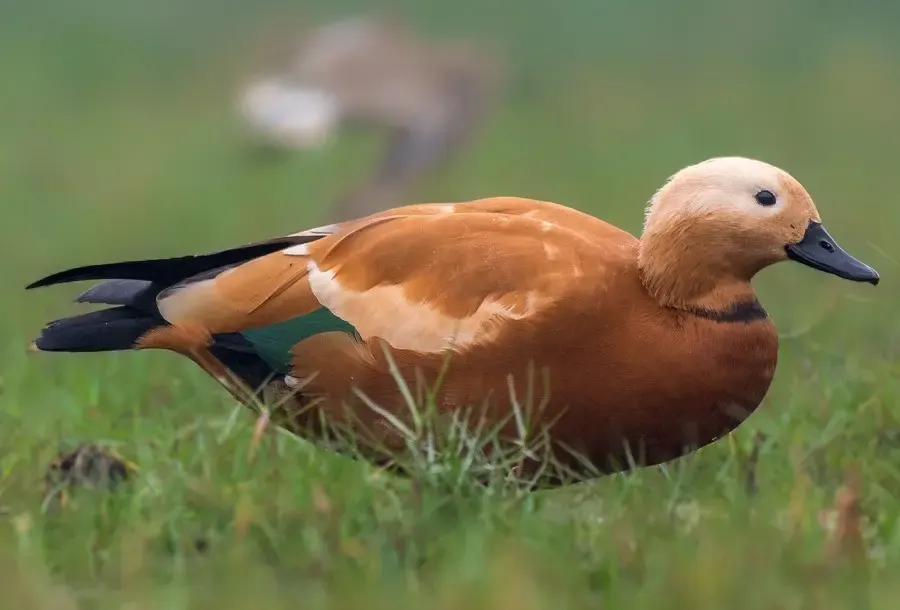
Photo: Ruddy Shelduck Taudaha
Situated near Kathmandu, its proximity to the capital city makes it a very popular destination for worshippers, families, and young couples seeking privacy. Besides, it is a migratory bird haven perfect for birdwatchers. The lake is a stopover for numerous migratory bird species such as cormorants, Ruddy Shelduck, Serpent eagle, and common teal. From December to January, birds fly to Taudaha as far as from Siberia. The common coots are found throughout the year.
Nagarjun
The Nagarjun hill forms the northwestern boundary of Kathmandu valley. The forests of Nagarjun, a former royal retreat, have long been protected and have been part of Shivapuri Nagarjun National Park since 2009. While the slopes facing the city have sparse forests, its northwestern slopes still contain dense forests that are less explored and makes for the great bird-watching destination. The area does not hold as many species as the other hilly areas in the Kathmandu valley, but its unexplored areas most probably hold great surprises.
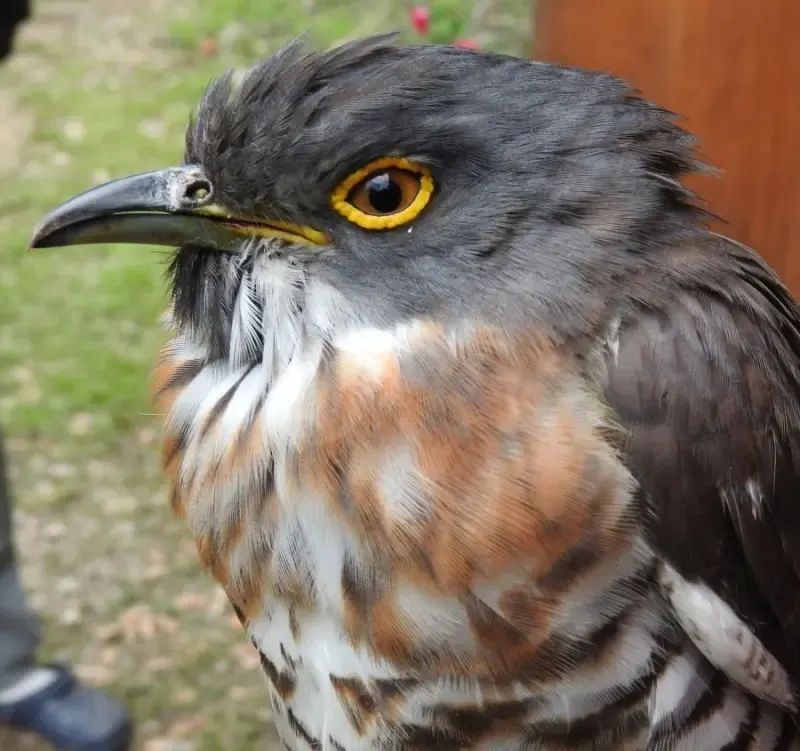
Photo: Large hawk cuckoo
The Nagarjun area hosts birds such as the Maroon Oriole, Large Hawk-Cuckoo, Northern Eagle Owl, Red-billed Blue Magpie, Long-tailed Mountain Thrush, Chestnut-headed Bee-Eater, and Eurasian Woodcock. The Brown Wood Owl has also been spotted here.
The slopes facing the city are ideal for a couple of hours of bird-watching. If one wants to explore the area more thoroughly, an entire day is needed. The area can be covered on foot, though motorways are also present.
Other Bird Watching Sites Around Kathmandu
Kathmandu is well known for its bird-watching areas of national importance. But, nowhere else in Nepal is the conflict between humans and birds escalating at such a harrowing rate. As the forests shrink, the concrete jungle grows. Despite the scenario, few forests still remain intact, providing shelter to the rare birds within the valley.
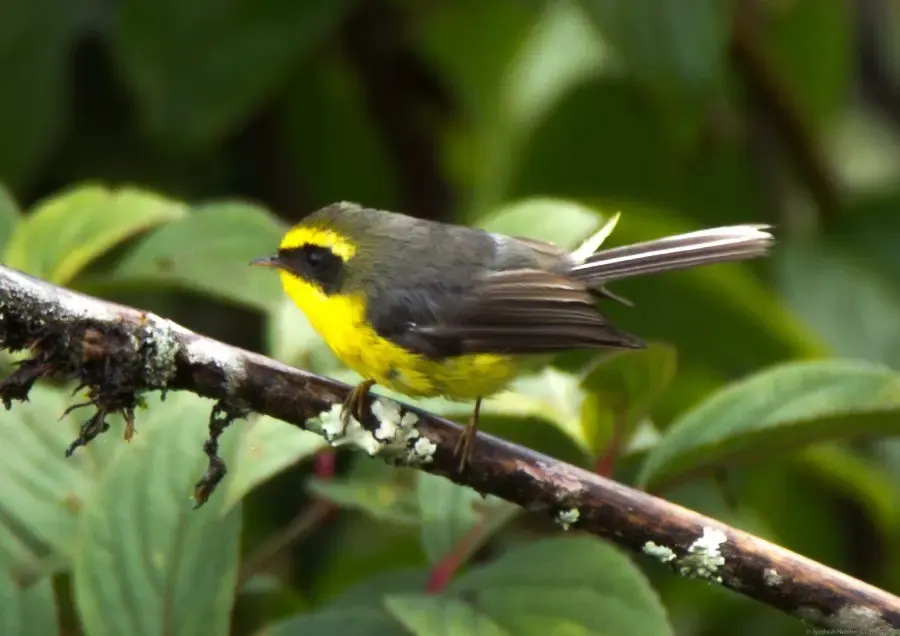
Photo: Yellow-bellied Fantail
Rani Bari is a small forest located between Samakhushi and Lazimpat. It is one of the last remaining forests within the city. Previously, Nepal Bird Watching Club used to bring people on bird watching trips thus this patch of forest survived. While the area does not receive much birdwatching visitors, the area still retains a considerable number of bird species such as warblers and eagles. Occasionally, thrushes can also be seen during their migration.
Among the best refuges for birds are in the vicinity of religious sites. Though anything but near their former sprawling self, the forests in the Pashupatinath area are worth a visit. The Swayambhunath area also draws a good number of birds. The large pigeon population attracts birds of prey such as the Peregrine Falcon.
The Gokarna forests also offer something more leisurely: golf. If you cannot sink a birdie at golf, you can seek solace in the birds of the surrounding forest. Relinquishing the golf club for a pair of binoculars may provide a glimpse of the Lesser Yellownape, Grey-headed Woodpecker, Orange-bellied Leafbird, Long-tailed Minivet, Yellow-bellied Fantail, Ashy Wood Pigeon and the Brown Fish and Brown Wood Owls.
Koshi Tappu
The Koshi Tappu Wildlife Reserve is an assortment of habitats. Its 17,500 hectares (175 km²) include grasslands or phantas, riparian vegetation, ox-bow lakes, marshes, and sparse forests. To its south is the Koshi Barrage area, a seven-kilometer by five-kilometer strip of land, more than half of which is covered in water. In 1987 the Koshi Tappu Wildlife Reserve became the first protected wetland in Nepal under the Ramsar Convention on Wetlands signed at Ramsar, Iran, in 1971.
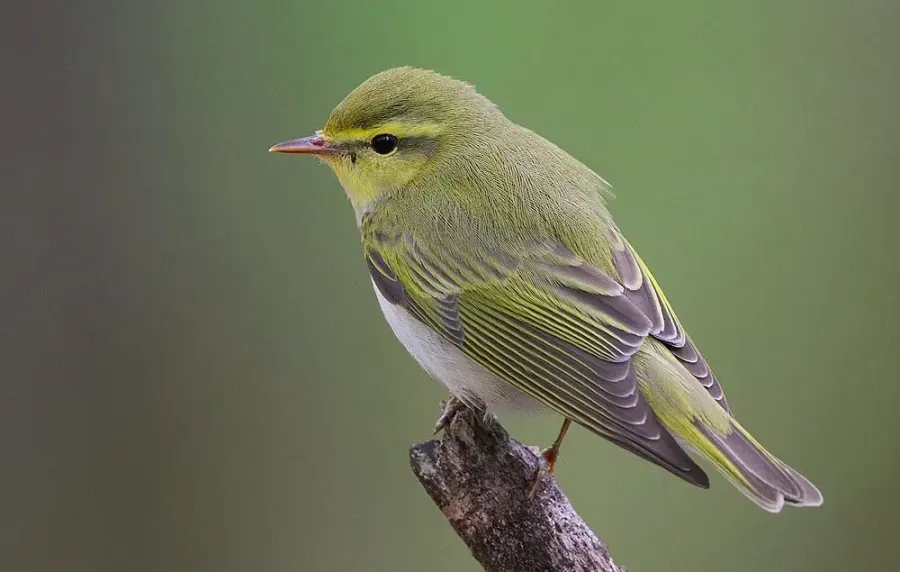
Photo: Wood Warbler
The Koshi Tappu and Koshi Barrage areas are of international significance for birds and birders alike. More than 170 species of birds can be seen there in a single day. The largest heronry in Nepal was recorded from the area, comprising of nearly 26,000 nests of 12 species of waders. There are records of 20 globally threatened species from the area in which 11 of them visit the area frequently. The area’s reputation as a bird haven is further supported by the fact that it shelters 13 of Nepal’s 22 near-threatened bird species among which 8 of these are wetland birds.
A large number of Nepal’s birds, especially the ones on the country’s threatened list, are found in the lowlands. 55 percent of the country’s threatened species are found in the lowlands, within the altitudinal range of 75 to 1000 meters.
A single day’s bird count conducted in February of 2003 recorded an astonishing 9,800 birds. Depending on the survey, the reserve’s list runs to about 490 to 530 species (BirdLife lists 486 for the reserve and barrage). The Baer’s and Ferruginous Pochards, Bengal and Lesser Floricans, Black-bellied Tern, Indian Skimmer, Pallas’s and Grey-headed Fish Eagles, White-tailed, Indian Spotted, Greater Spotted, and Imperial Eagles, four species of vultures, Pallid Harrier, Lesser Kestrel, Laggar Falcon, Darter, Black-headed Ibis, Black-necked Stork, Greater and Lesser Adjutants, Spot-billed Pelican, Hodgson’s Bushchat, Bristled Grassbird and Yellow-vented Warbler are a few names on the area’s bird roster. The Swamp Francolin, a globally Vulnerable species, has its highest numbers in this conservation area.
A week-long Bird Festival is organized annually by the people living around the reserve, commencing on the 2nd of February, which is World Wetlands Day. During the festival, indigenous cultural programs are organized along with bird-watching trips that are free of cost for everyone, including tourists.
Chitwan
The Chitwan National Park is the country’s first national park, established in 1973, which covers an area of 952.63 km². The park’s vegetation is mainly comprised of Sal (Shorea robusta), a hardwood tree, small areas of grasslands, tropical and pine forests.
The national park is a sanctuary to about 59% of threatened species of Nepali birds, whose existence depends on the survival of the forests. More than half of Nepal’s total bird species are found in Chitwan, which provides shelter to around 544 species of birds. This number includes approximately two-thirds of the country’s globally threatened bird species.
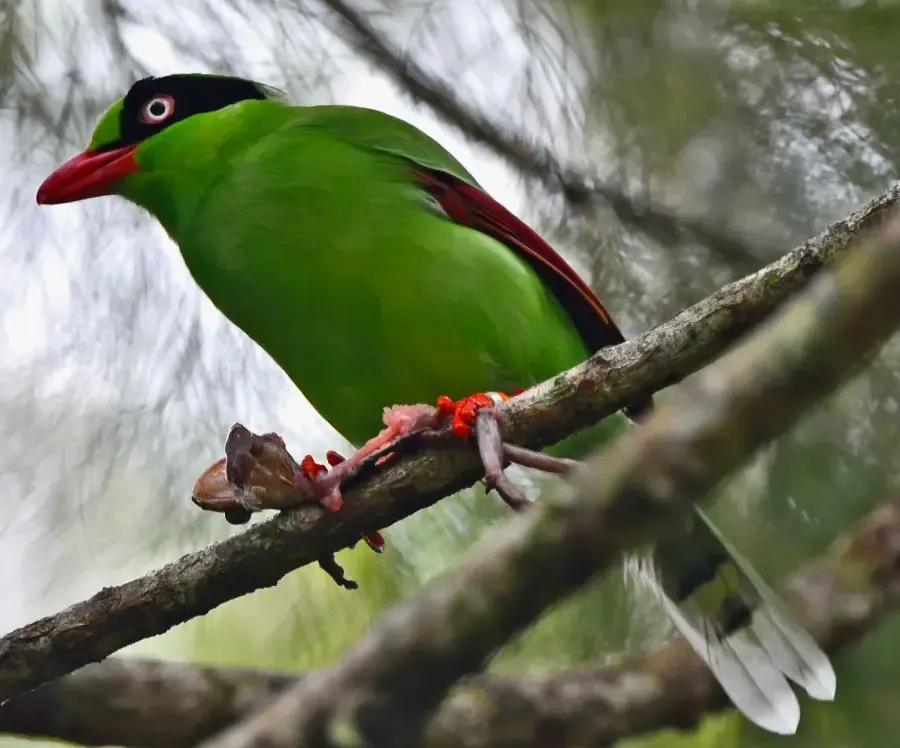
Green Magpie
The Critically Endangered grassland species, the Bengal Florican, lives in Chitwan. Likewise, the Grey-crowned Prinia, Slender-billed Babbler and the Lesser Adjutant also inhabit the Chitwan grasslands. Chitwan is the Slender-billed Babbler’s stronghold in Nepal and is believed to shelter the largest population of this species in the Indian subcontinent.
Similarly, the Indian Spotted Eagle, a globally Vulnerable species, breeds in Chitwan. In addition, the park also contains 15 of Nepal’s 22 near-threatened bird species which is the highest recorded until now. It includes Ferruginous Pochard, Great Hornbill, Black-bellied Tern, Grey-headed and Lesser Fish Eagles, White-tailed Eagle, Cinereous and Red-headed Vultures, Pallid Harrier, Laggar Falcon, Darter, Painted and Black-necked Storks, Rufous-rumped Grassbird and Yellow-breasted Bunting. Other birds include Sarus Crane, Bengal, and Lesser Floricans, Indian Skimmer, Pallas’s Fish Eagle, Jerdon’s Babbler and curlews. The Bar-headed Goose, a trans-Himalayan migrant, is also occasionally seen near the Narayani river.
Thus, UNESCO declared Chitwan National Park a World Heritage Site in 1984. Foreign visitors pay NPR 2,000 park entry per day. Some of the birds observed during the Chitwan wildlife tour are found nowhere else in Nepal. Due to the country's largest tract of lowland forest and the exceptionally high number of birds, Chitwan is a bird haven for all birdwatchers.
Pokhara Valley
Pokhara, a 6 to 7 hour drive or a 25-minute flight west of Kathmandu, is a popular bird-watching destination. The Pokhara valley’s numerous lakes and forests offer a chance to witness diverse species of birds. The valley’s proximity to the highlands to its north, its location in a valley lower than that of Kathmandu, combined with its many large lakes, attracts birds found both in the lowlands and highlands, as well as migrants seeking water bodies.
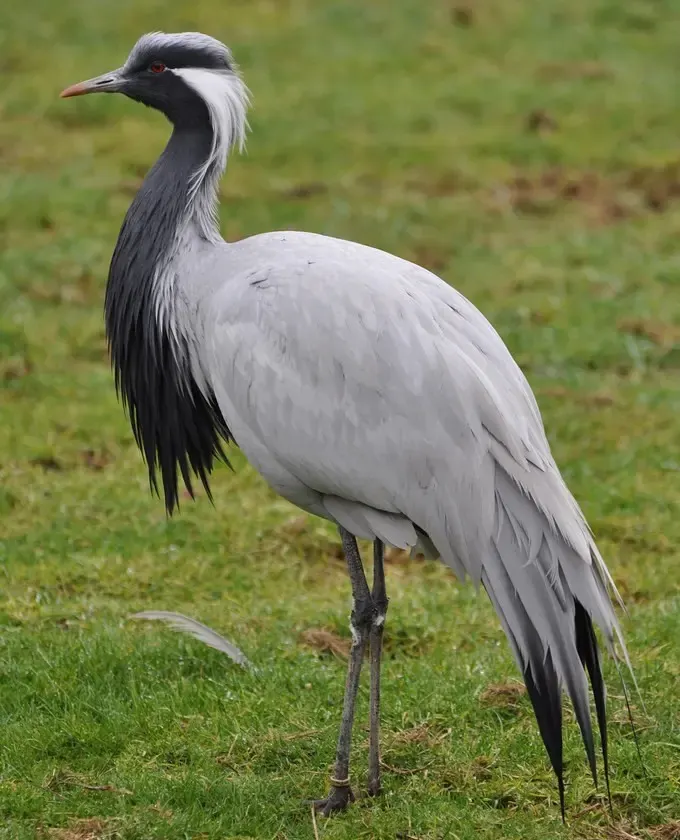
Photo: Demoiselle crane
The forests in the western and southern ends of Phewa Lake are rich in birdlife. The regularly seen species in these forests include Besra, Kalij Pheasant, Ashy Bulbul, Black-backed Forktail, Puff-throated Babbler, Red-billed Leiothrix, Crimson Sunbird, Maroon Oriole, Red-thighed Falconet, Spiny and White-browed Scimitar-Babblers, Red-billed and Green Magpies.
In the winter the area is visited by Long-tailed Mountain Thrush, Chestnut-headed and Grey-bellied Tesia, Chestnut-crowned Warbler, and Snowy-browed Flycatcher. The lake is occupied by wintering and passage migrant ducks like Falcated Duck and Goldeneye. The nearby Naudanda area is one of the best areas for observing vultures in the country, which includes Himalayan Griffons, Red-headed Vultures and Eurasian Black (Cinereous) Vultures.
Related Tour: Paragliding in Pokhara, Biking in Pokhara
Annapurna Area
Pokhara is a gateway to the most popular destination for trekkers in Nepal: the Annapurna region. Its hills and mountains have been protected since 1986 as the Annapurna Conservation Area (ACAP), Nepal’s largest protected area at 7,629 km².
ACAP is one of the richest reserves of biodiversity in the Himalaya. The area includes the Kali Gandaki Valley, which is taken as an avian dividing line between two Himalayan regions, the east and the west. A trek north from Pokhara takes you to the Annapurna Sanctuary, a basin of the Modi River. The area is covered with sub-tropical and temperate forests, which is home to rare birds such as Slender-billed Scimitar-Babbler, Golden Babbler, Golden-breasted Fulvetta and Fulvous Parrotbill. Lammergeier and Himalayan Griffon Vultures can also be seen soaring in the Annapurna region.
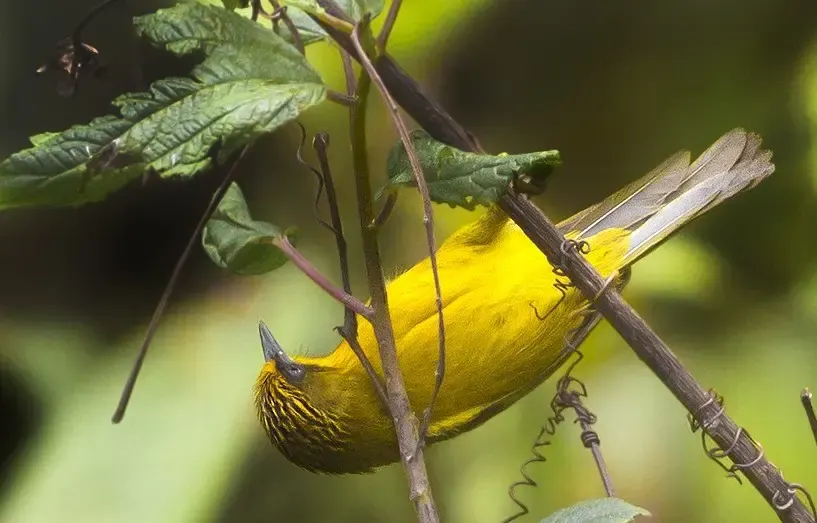
Photo: Golden Babbler
The area is home to about 523 bird species, according to the National Trust for Nature Conservation’s 2024 to 2025 report. The Cheer Pheasant (globally Vulnerable), Satyr Tragopan and the Yellow-rumped Honeyguide inhabit this region. Some other near-threatened birds include Ferruginous Pochard, Pallid Harrier, Red-headed and Cinereous Vultures. Likewise, restricted-range species of the Western and Central Himalayan Endemic Bird Area, such as the Spiny Babbler, Nepal Wren-Babbler and Hoary-throated Barwing, also live here. It is one of the few places in Nepal where the Spectacled Finch spends the winter.
The Kali Gandaki Valley in the northwestern part of ACAP is visited by 40 migrant species on the way to their winter home in India every year. The Demoiselle Crane was also spotted in the area. Large numbers of birds of prey, over 8,000 individuals of 20 species have been recorded in a single season in this region. The two locations, Khare on the southern edge and the Upper Kali Gandaki, identified as internationally important raptor migration sites in Nepal are also located within the ACAP.
Similarly, ACAP is the only protected area in Nepal where all six species of Nepal’s Himalayan pheasant are found. The small Pipar Pheasant Reserve on the forested south slopes of Machapuchare peak (visible from Pokhara) is widely known as prime Himalayan pheasant habitat, perfect for birdwatchers keen to observe these majestic beauties.
Langtang and Gosaikunda
The Langtang National Park is another major area that protects bird species of the Himalayan temperate forests. Langtang is also the breeding shelter for a globally Vulnerable bird species, the Wood Snipe. The area is also inhabited by birds such as Satyr Tragopan, Yellow-rumped Honeyguide, Nepal Wren-Babbler, Hoary-throated Barwing, Pallid Harrier, Red-headed and Cinereous Vultures, Great Spotted and Imperial Eagles.
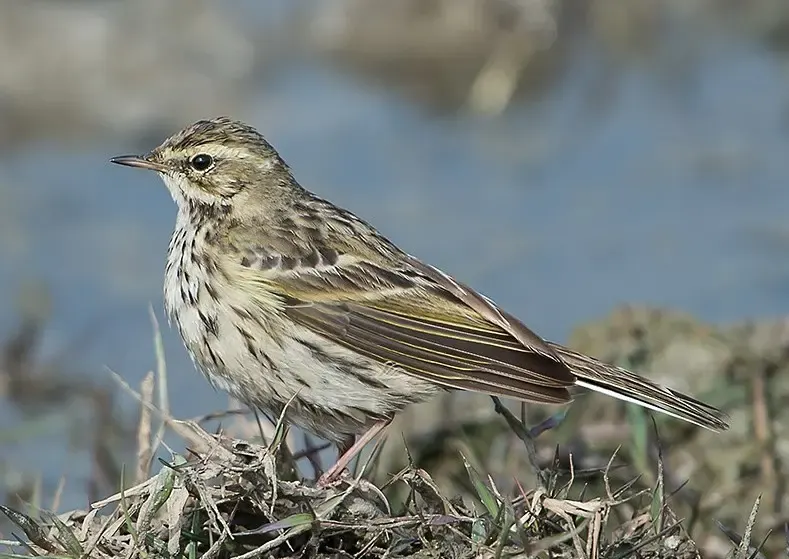
Photo: Rosy Pipit
Gosaikunda in the Langtang National Park also doubles as a trekking destination and a bird-watching area. Gosainkunda flaunts birds such as Lammergeier, Snow Partridge, Himalayan Monal, Smoky Warbler, as well as choughs and finches. In summer, this trekking area receives visitors such as the Rosy Pipit, Altai and Alpine Accentors and Golden Bush-Robin.
Related tour package: 10-day Langtang Valley Trek, from USD 730 per person (group departure).
Trail status: Langtang, Kyanjin and Gosaikunda reopened on 22 October 2026 after the August flood, with Thulo Syabru as the new trailhead. See our Nepal flood trekking update before you book.
Bardia and Shuklaphanta
Bardia National Park and Shuklaphanta National Park (a wildlife reserve until 2017) in the western Terai are well noted for their population of grassland and forest bird species. Bardia National Park shelters about 426 species of birds, while Shuklaphanta has about 373 recorded species. Both of these protected areas conserve large stretches of grasslands. The survival of some of the world’s endangered grassland birds, like the Bengal Florican, depends upon the survival of the grasslands in these two areas.

Photo: Jerdon's Babbler
Shuklaphanta holds Nepal’s largest population of the Critically Endangered Bengal Florican, though only a handful of birds are counted there now, and it is a key winter site for Hodgson’s Bushchat. These two areas are also important places for Swamp Francolin, Ferruginous Pochard, Great Hornbill, Sarus Crane, Lesser Florican, Black-bellied Tern, Pallas’s Fish Eagle, Grey-headed and Lesser Fish Eagles, White-tailed, Indian Spotted, Great Spotted, and Imperial Eagles, Darter, Painted and Black-necked Storks, Rufous-rumped Grassbird, Jerdon’s Babbler and Finn’s Weaver.
The appeal of bird watching is that it goes well with other activities, such as wildlife safaris, pilgrimages and trekking. Contact us for birdwatching combined with other sightseeing activities. We specialize in customized and responsible tours anywhere within Nepal.
Best Time for Bird Watching in Nepal
| Months | What you see | Best sites |
|---|---|---|
| October to November | Autumn migration, clear skies, raptors moving down the Kali Gandaki | Annapurna, Phulchowki, Chitwan |
| December to February | Winter ducks, geese and waders at their peak, hill birds move lower | Koshi Tappu, Taudaha, Chitwan, Bardia |
| March to May | Breeding season, birds singing and in full plumage, rhododendron forests in flower | Phulchowki, Shivapuri, Annapurna foothills, Shuklaphanta |
| June to September | Monsoon breeders, but heavy rain, leeches and flooded roads | Kathmandu valley forests on dry mornings |
Start early. Most birds are active in the first two to three hours after dawn, and a local bird guide will find species you would walk straight past.
Bird Watching Trips With Swotah
| Trip | Days | From (per person, group departure) |
|---|---|---|
| Bird Watching in Nepal | 9 | USD 1,520 |
| Chitwan Jungle Safari | 7 | USD 800 |
| Koshi Tappu Wildlife Tour | 6 | USD 1,469 |
| Bardiya National Park Safari | 7 | USD 1,100 |
| Shuklaphanta National Park Safari | 7 | USD 1,765 |
| Shivapuri Hike | 4 | USD 446 |
Swotah can arrange any of these as a private trip, timed for the season and the birds you most want to see.
Related Tour Package: Shuklaphanta National Park Safari
Frequently Asked Questions
How many bird species are there in Nepal?
902 on the 2025 official checklist kept by BirdLife Nepal with the Department of National Parks and Wildlife Conservation. New records are added most years, so the number keeps creeping up.
What is the best place for bird watching in Nepal?
Chitwan National Park has the longest list, at about 544 species. Koshi Tappu is the best wetland site, especially from December to February. For a day trip from Kathmandu, Phulchowki is the usual first choice.
When is the best time for bird watching in Nepal?
October to April. Winter brings migrant waterbirds to the lowland wetlands, and March to May is the breeding season in the hills, when birds are singing and easiest to find.
Which bird is found only in Nepal?
The Spiny Babbler is Nepal’s only endemic bird. Look for it in scrub on the hills around Kathmandu, including Shivapuri and Phulchowki.
What is the national bird of Nepal?
The Himalayan Monal, or Danphe, a large pheasant of the high forests. You can see it around Gosaikunda in Langtang and in the Annapurna region.
Ref: BirdLife Nepal (2025) Birds of Nepal: An Official Checklist, Important Bird and Biodiversity Areas in Nepal (2025), NTNC ACAP Annual Report 2024 to 2025, ECS (2010) Birdwatching in Nepal, BirdLife International (2019) Important Bird Areas factsheet, Journal of Himalayan Ornithology, and BCN(2010) the state of Nepal’s birds.