



How Difficult Is the Kailash Mansarovar Yatra? A Complete Guide
“Yatra – a pilgrimage or journey to a holy place”
There are two basic questions people ask themselves while considering doing the Kailash Mansarovar Yatra.
'Do I need to be religious to go there?' and 'How difficult is the Kailash Mansarovar Yatra?'
The answer to the first question is no. You do not need to be religious to go there. With Mount Kailash holding so much spiritual meaning for Hindus, Buddhists, Jains and Bons, the majority of the people on this trip are doing it for spiritual reasons. But there are a lot of others who are interested in seeing the landscape, the mountains and wish to witness the colourful and often boisterous fervour of the pilgrims.
The answer to the second question is more complicated. What one person considers difficult, another may feel it strenuous yes, but not 'difficult'. Let's dive a little deeper.
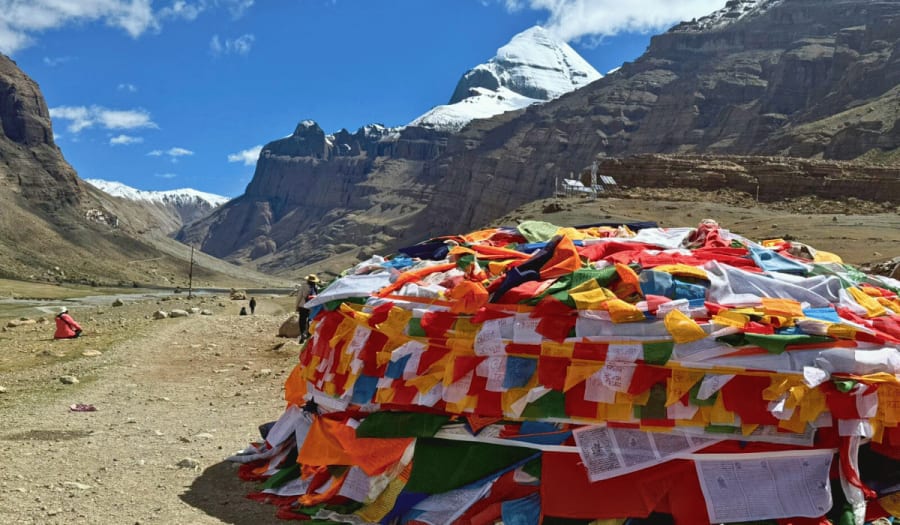
As you may know, Mt Kailash lies in Tibet, just over the border from Nepal. But in order to reach there it involves three full days of driving. While being on the roof of the world in that desert like dry landscape is both interesting and thrilling, hours in a vehicle is quite tiring in itself. There may be a rest day built into your itinerary when you reach across the Nepal/ China border. And there should be a day trip to Mansarovar Lake, another sacred pilgrimage site. Because why go all that way and not stroll along the lakeshore and take a dip in its icy water - or at least watch others take a cold dip! But those approximately 24 hours of driving is a long time to wait to reach the actual 'Yatra' or 'Kora'.
When you finally reach Yama Dwar for the first day of the trek around the holy mountain, you will have driven a couple of hours in the morning before you set off on your five to six hours trek. With hundreds of pilgrims of different religions milling around it may seem chaotic and overwhelming. But look to the skies. If not to pray, then to admire the mountain so many have come to see.
If you feel the complete Yatra / Kora is too much for you, it is here at Yama Dwar you can hire a pony (note: book ahead of time) to take some of the strain off… not all the strain however. Otherwise it is a five to six hour trek to the next overnight stop.
The second day of the Yatra is the most challenging. There is a high pass to cross - Drolma La Pass at 5,630 m / 18,471 ft, and the whole day will take you around 9 to 10 hours to hike. If you have chosen to hire a pony it can only go to the top of the pass. They do not go down the other side, leaving you to make your own way down a steep mountain for around seven hours. We would say, it takes a lot of faith or a bit of trekking experience to make it through this day!
The final day of the Kora will involve around two hours of hiking before you are collected by vehicle and driven back to the town of Darchen for lunch and on to the town of Saga for the night. From there its another five hours drive to the border and six or seven on to Kathmandu. Your legs may be stiff and muscles tight - remember to stretch at any opportunity on the drive back to Kathmandu (over three days).
Having read this blog, you may now have a third question 'Why would I want to do the Kailash Mansarovar Yatra?' Challenging your body aside, Mt Kailash sits in its almost triangle form, on the corner of three countries - Nepal, Tibet and India in the trans-Himalayas. It holds spiritual significance for four religions, and it is famously the most prominent peak on Earth that has never been climbed.
Buddhists believe it is the home of the deity Chakrasamvara and that it is also related to the spiritual journey of Milarepa, a Buddhist disciple and famous yogi and poet.
Hindus believe it is the home of the benevolent, and often fearsome, Lord Shiva, the destroyer and transformer of the Hindu trinity, and his wife Parvati.
For followers of the Jain religion, Kailash is where Rishabhanatha achieved enlightenment and for followers of Bon beliefs, they believe the founder of their religion descended from the sky to Mt Kailash.
It would seem clear that with so many different peoples and religions viewing this mountain and surrounding areas as holy and sacred, there must be some force or power at play in this spot. Even non-religious people feel the mysticism and pull of this place.
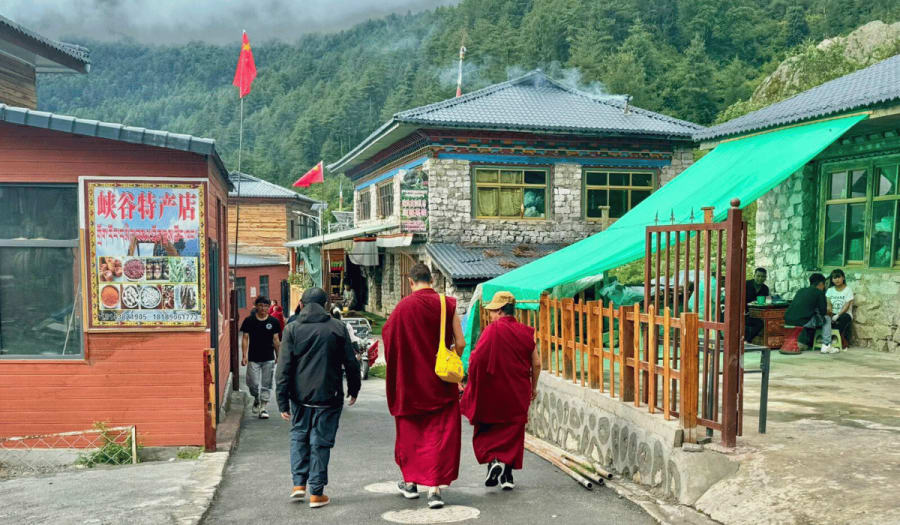
On a practical note, it is suggested you be of good fitness to make this trip. You will see many pilgrims who look less than ready for such a journey, and are most likely dressed in clothing not really suitable for a high altitude trek. But their faith and belief will get them through. For the rest of us, heading to the gym a few weeks ahead of the Yatra and hiking up and down our local hillsides will definitely help make the trip less strenuous.
Still on that practical note, you will be at high altitude in Tibet sleeping at 4,950 m / 16,240 ft in Diraphuk and at 4,850 m / 15,912 ft at Zuthul Puk. And remember the Drolma La Pass at 5,630 m / 18,471 ft. Altitude related illness is real and can happen to anyone. We recommend you monitor your body closely for any signs such as grogginess, nausea, and shortness of breath. Do let your guide know immediately if you feel unwell. Your guide is trained in first aid and dealing with altitude related ailments but we suggest, if you have any respiratory problems to consult your doctor before booking.
You may also be thinking about whether the food will be safe to eat on this trip. With the sheer volume of people on the Yatra, hotels will have a fast turn-over of freshly cooked food, which should be perfectly safe. Bottled water will also be safe to drink.
To sum up, the Kailash Manasarovar Yatra is not for the faint of heart for all the reasons above - driving time, trekking time, altitude, volume of people etc. But it is an amazing experience. And for those who have trekked before in the high Himalayas or similar, it will give you a real sense of achievement and of experiencing something different from other treks.
Kailash Mansarovar Yatra: Permits and How to Get There
Mount Kailash is located in the Tibet Autonomous Region of China, which means entry requires a Tibet Travel Permit in addition to the standard Chinese visa. As a rule, independent travel to Tibet is not permitted, all travellers must be part of an organised group with a licensed Chinese/Tibetan tour agency. The travel infrastructure means this trip is most practically arranged as part of a tour package. For Indian citizens, the official yatra resumed in 2025 via the Lipulekh and Nathu La routes, alongside the Nepal route described below.
From Nepal, the route travels overland via the Rasuwagadhi border crossing to Kerung (Gyirong) in Tibet, then drives across the Tibetan plateau to Darchen (the base for the Kailash Kora). The entire journey from Kathmandu to Darchen takes approximately 3 days of overland driving.
Best Time for the Kailash Mansarovar Yatra
The Kailash Kora is only accessible during the warmer months when passes and roads are clear of heavy snow. The season runs from approximately May to September, with June and July representing peak pilgrimage months (particularly around the full moon of the Tibetan month of Saga Dawa, which Buddhists regard as the most auspicious time for the Kora). Temperatures in the Kailash region range from around 5–15°C during the day to -5°C or colder at night, even in summer.
Outside of May–September, snow and cold make the high passes impassable and accommodation very limited. Travel in the shoulder months (early May, late September) is possible but requires additional weather flexibility.
What to Pack for the Kailash Mansarovar Yatra
The combination of high altitude (sleeping above 4,850m), variable weather, and limited supply access makes packing correctly especially important:
- Layering system: Thermal base layer, fleece mid-layer, waterproof/windproof outer shell
- Sleeping bag: Rated to at least -10°C
- Trekking poles: Essential for the Drolma La descent (steep and rocky)
- High-altitude sun protection: SPF 50+ sunscreen, UV-blocking sunglasses, sun hat (UV intensity at 5,600m is extreme)
- Altitude medication: Consult your doctor about Diamox (acetazolamide) as a preventive measure
- Hydration: Water purification tablets or a filter, streams are available but need treating
- Cash: ATMs are not available in the Kailash region; bring sufficient cash (Chinese Yuan or USD) for the entire trip
You Might Be Interested
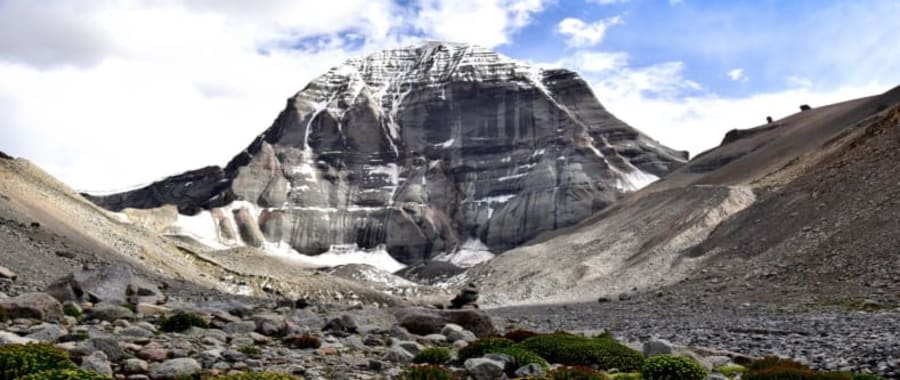
Kailash Mansarovar Overland Tour
$2750