

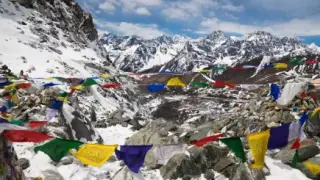

Mountaineering
From trekking peaks to 8,000 m expeditions
Nepal's climbing runs from NMA trekking peaks such as Mera and Island Peak, which need crampons and fixed rope but no expedition, to eight of the world's fourteen 8,000 m giants climbed over 30 to 64 days with fixed camps and Sherpa teams.
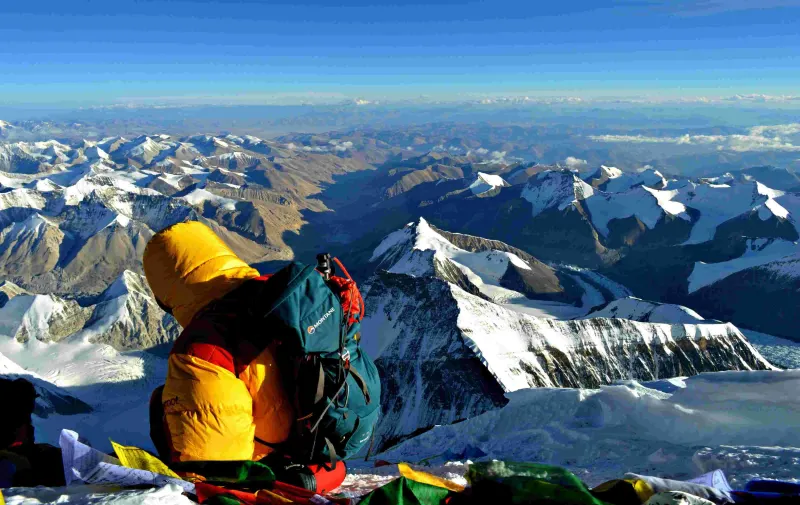
All Mountaineering trips
23 climbs in three altitude bands, from first NMA trekking peaks to full 8,000 m expeditions.
6,000 m & trekking peaks
NMA trekking peaks climbed with crampons and fixed rope. The base camp training day covers every technique you need.
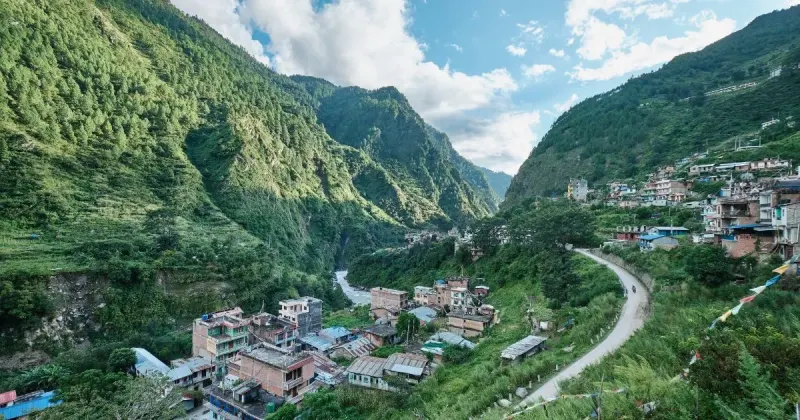
Yala Peak Climbing
5,500 m14 daysFrom $1,825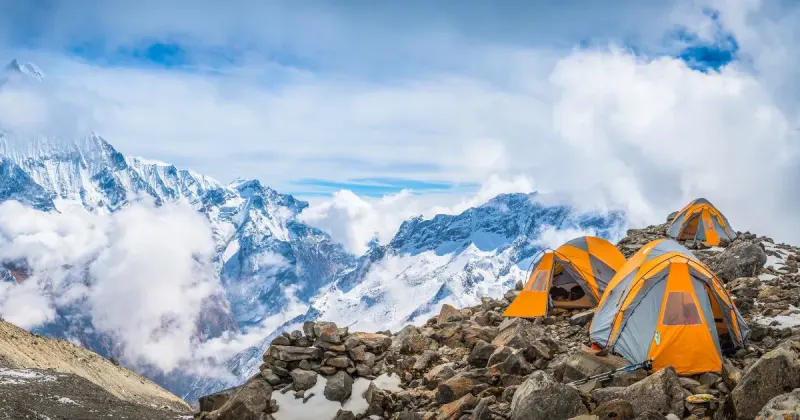
Tent Peak Annapurna Trekking
5,663 m19 daysFrom $1,850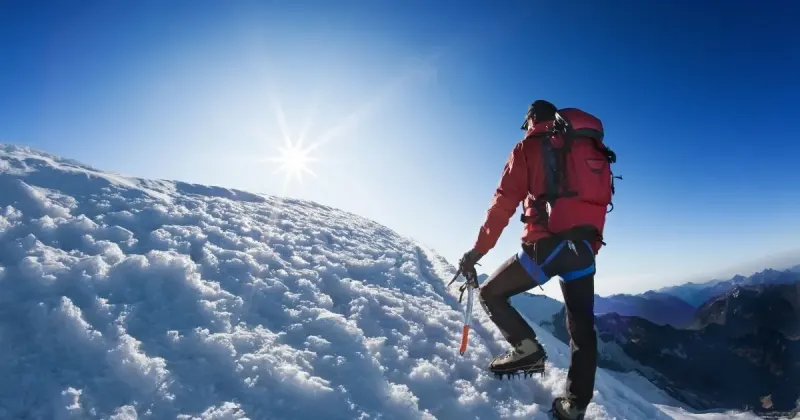
Pokalde Peak Climbing
5,806 m17 daysFrom $1,850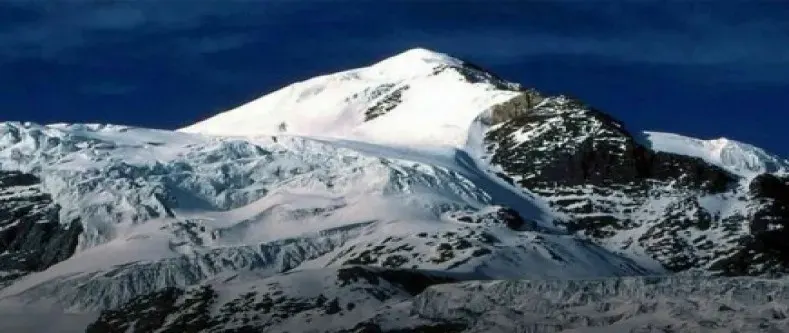
Naya Kanga Peak Climbing
5,884 m16 daysFrom $1,925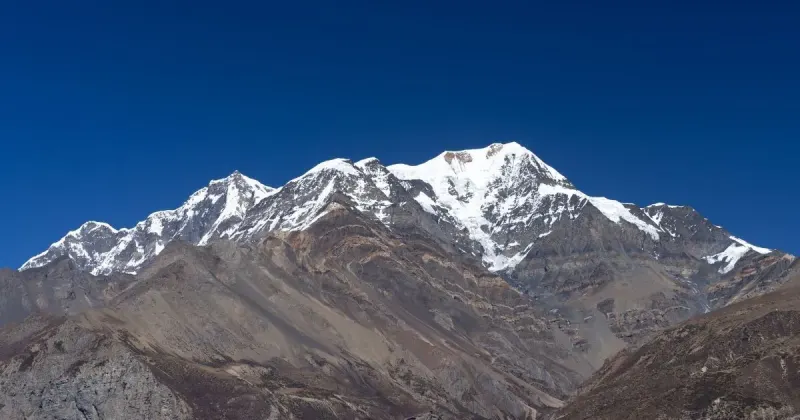
Pisang Peak Climbing
6,091 m18 daysFrom $2,095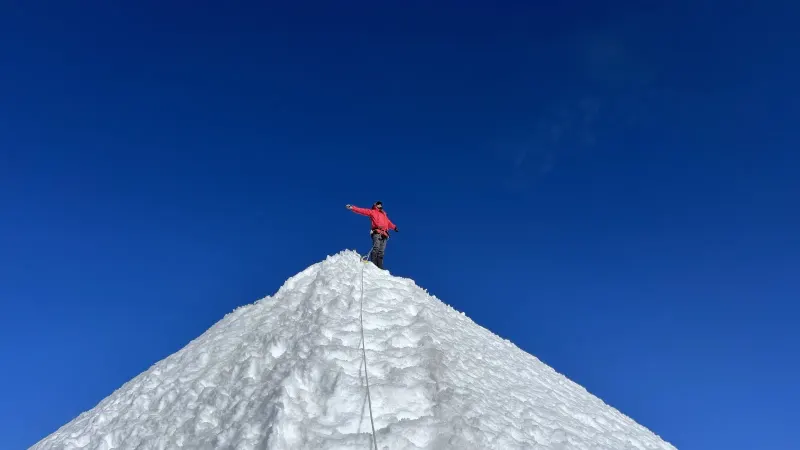
Lobuche Peak Climbing
6,119 m18 daysFrom $2,250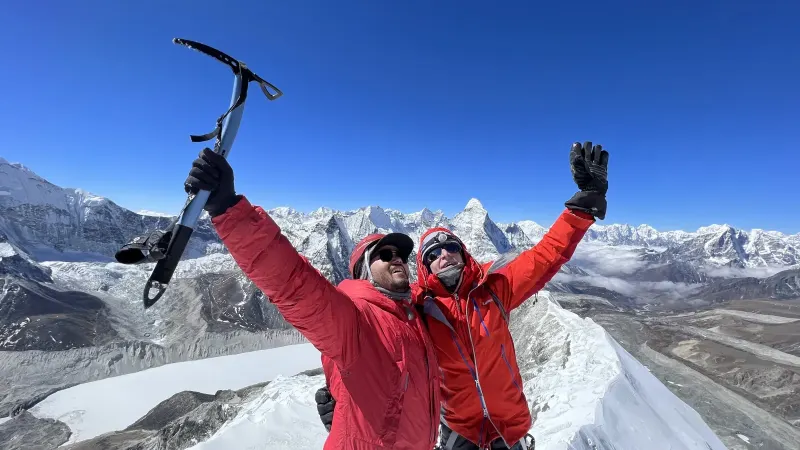
Island Peak
6,189 m18 daysFrom $2,495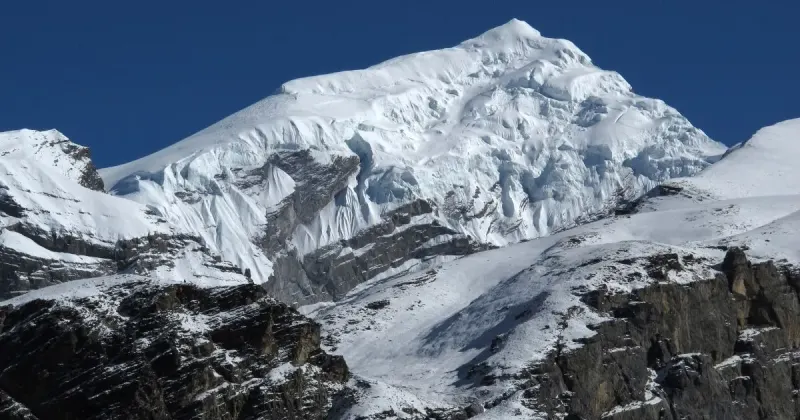
Chulu West Peak Climbing
6,419 m19 daysFrom $2,950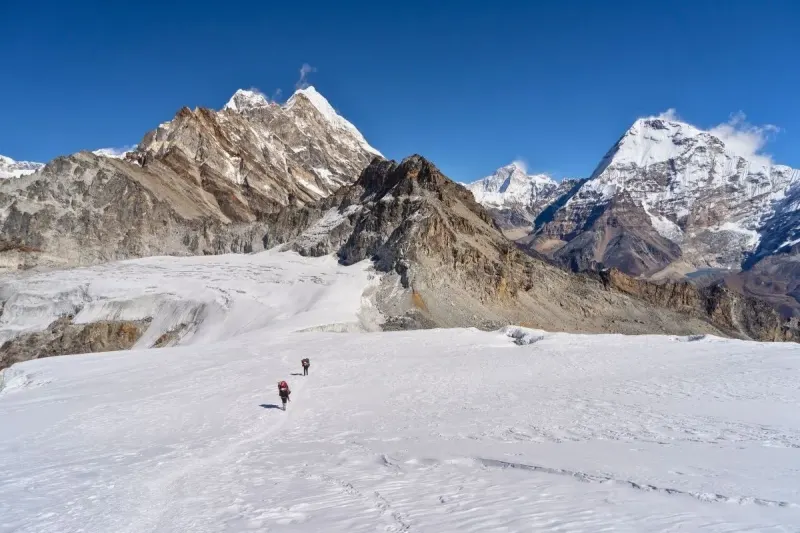
Mera Peak Climbing
6,476 m16 daysFrom $2,150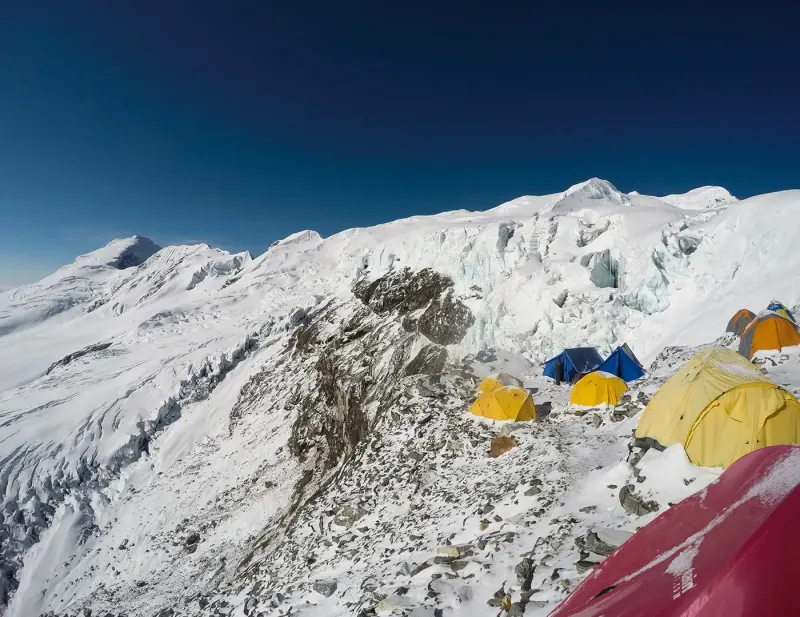
18 days - Mera Peak
6,476 m18 daysFrom $2,250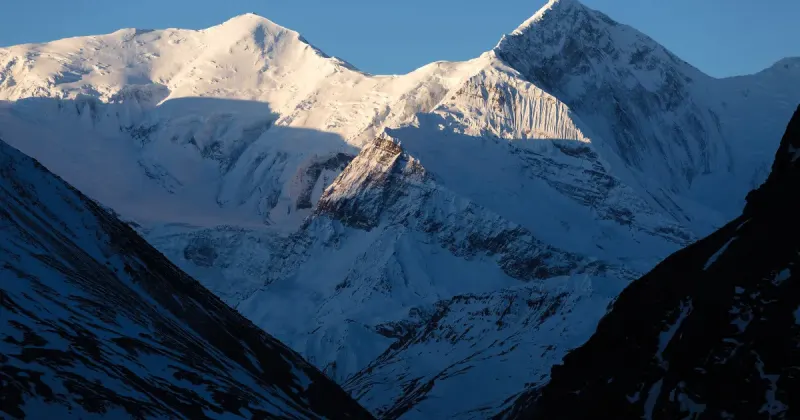
Chulu East Peak Climbing
6,584 m21 daysFrom $2,650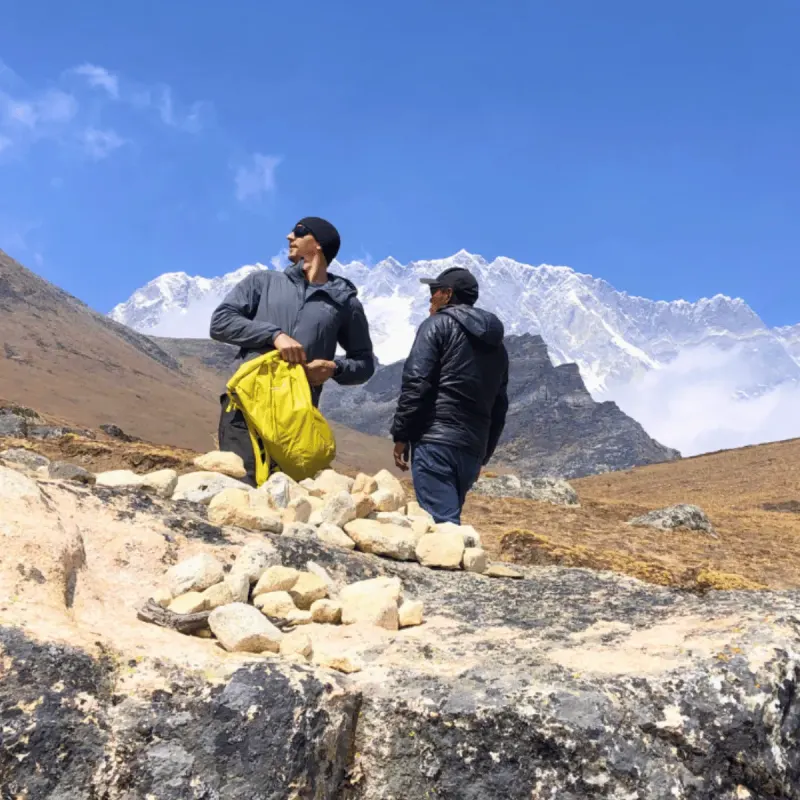
Ama Dablam Expedition
6,812 m29 daysFrom $6,999
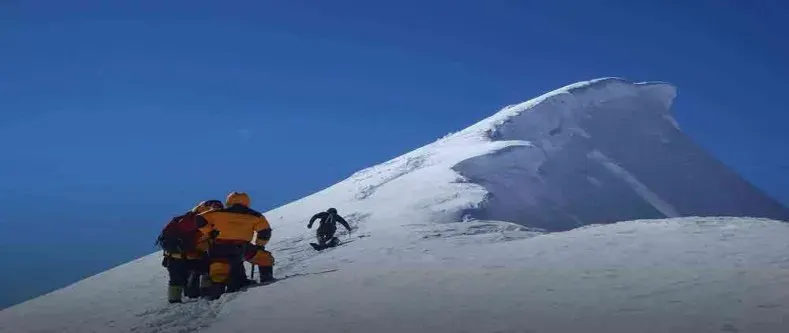
7,000 m peaks
Quieter mountains with full expedition structure. Most climbers use one as the proving ground before an 8,000 m attempt.
.webp)
.webp)
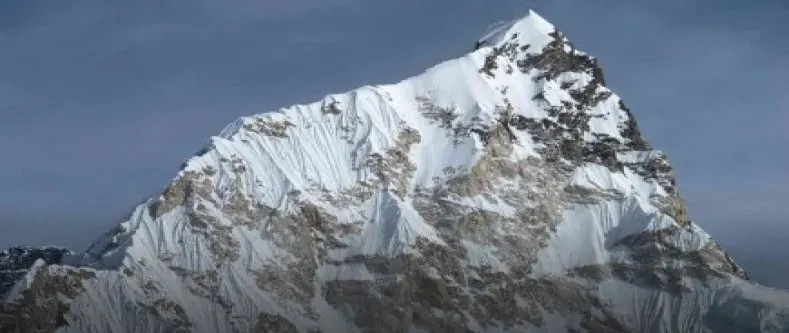
8,000 m expeditions
Nepal's eight-thousanders. Fixed camps, acclimatisation rotations, and supplementary oxygen on the highest.
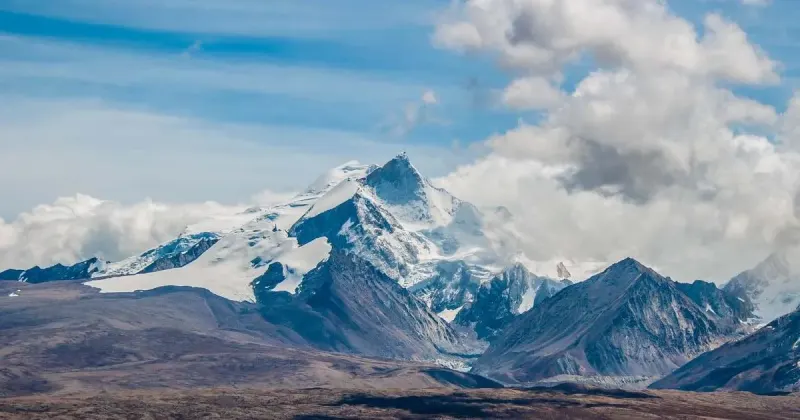
Mount Shishapangma Expedition
8,027 m44 daysFrom $11,900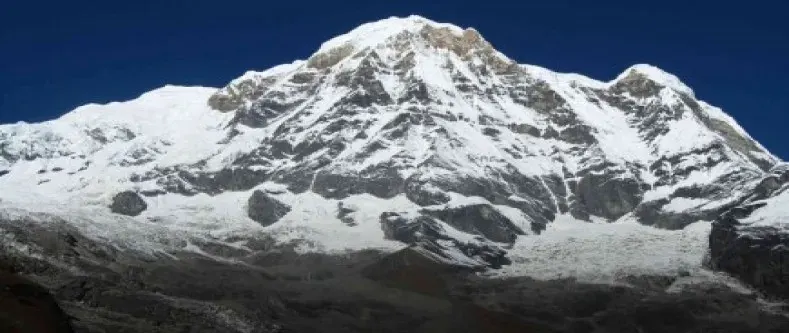
Annapurna I Expedition
8,091 m48 daysFrom $18,000
Manaslu Expedition
8,163 m50 daysFrom $14,500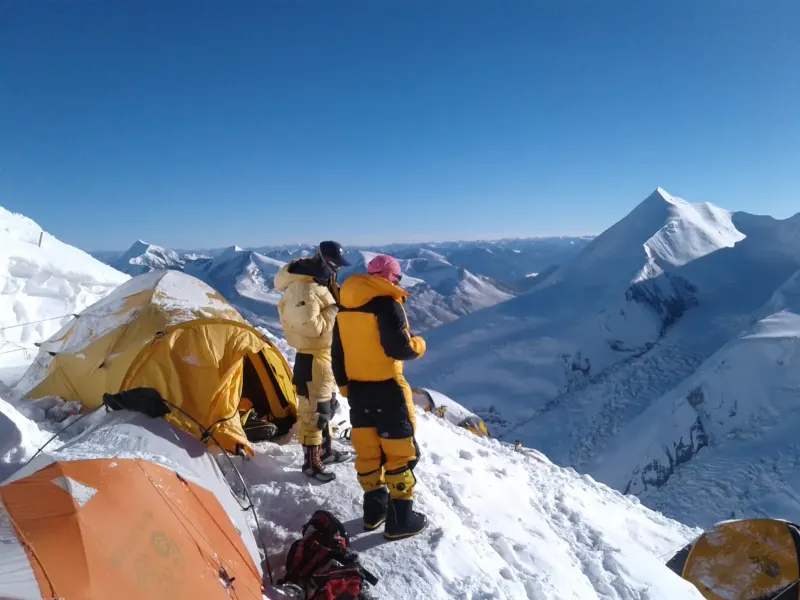
Mount Dhaulagiri Expedition
8,167 m47 daysFrom $18,000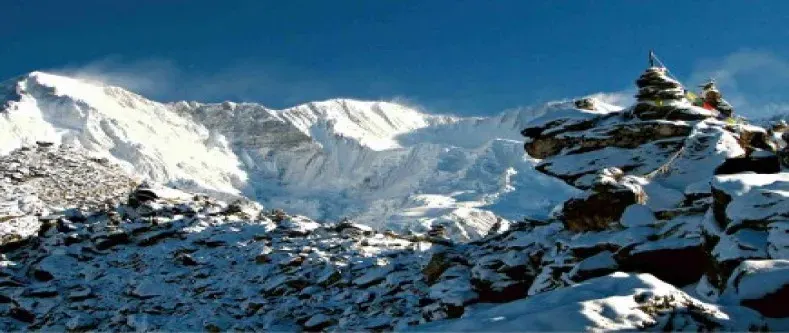
Cho Oyu Expedition
8,188 m44 daysFrom $27,000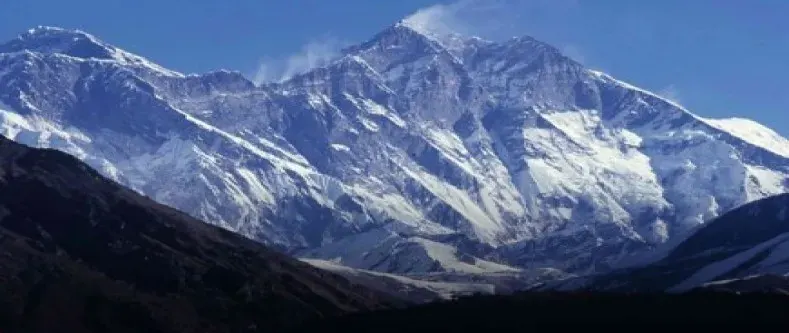
Lhotse Expedition
8,516 m43 daysFrom $19,690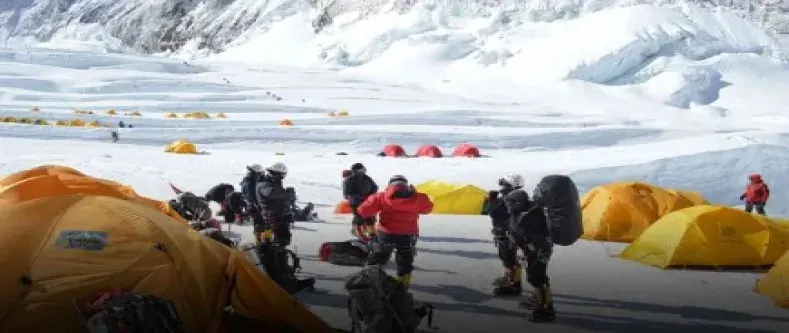
Mount Everest Expedition
8,849 m64 daysFrom $45,500
Expedition Climbing in Nepal
An expedition peak is any mountain licensed by Nepal's Department of Tourism rather than under the NMA trekking-peak system, and in practice that means 6,500 m and up. Eight of the fourteen summits above 8,000 m are in Nepal or on its borders: Everest (8,848.86 m), Kanchenjunga (8,586 m), Lhotse (8,516 m), Makalu (8,485 m), Cho Oyu (8,188 m), Dhaulagiri (8,167 m), Manaslu (8,163 m) and Annapurna I (8,091 m). These are not scaled-up treks. They are 30 to 64-day commitments with fixed camps, rotations for acclimatisation, and on the highest peaks, supplementary oxygen.
Annapurna I and Cho Oyu sit at opposite ends of the risk scale, and the averages hide that. Annapurna I carries the worst summit-to-fatality ratio of any 8,000 m peak, driven by avalanche exposure on its faces, while Cho Oyu is generally treated as the most approachable of them and is the usual first 8,000er. Everest's south side has been climbed by thousands since 1953, which has made the logistics routine without making the mountain safe. The Khumbu Icefall is still the objective hazard nobody has solved, and the Sherpa climbers who fix and maintain the route through it are exposed to it far more often than clients are.
What should you climb before an 8,000er? A sensible progression exists and skipping it is how people get hurt. Ama Dablam (6,812 m) is the classic technical apprenticeship, a steep and exposed rock and ice route that teaches fixed-line work at altitude. Mera and Island Peak come before that again; see the peak climbing page. From Ama Dablam, Lhotse and Everest are the next step, and both share the same route as far as Camp 3.
Find your level
- TREKKING PEAKS
Trekking Peaks
Under 6,500 m, no technical experience requiredPerfect for fit trekkers ready to take their first summit. These peaks involve glacier crossings and fixed-rope sections but require no prior mountaineering experience.
- Island Peak (6
- 189m)
- Mera Peak (6
- 476m)
- Lobuche East (6
- 119m)
5,500m – 6,500m - TECHNICAL
Technical Climbing
6,500 to 7,000 m, alpine experience neededFor experienced climbers with alpine skills. These peaks demand rope work, ice axe use, crampon technique, and the ability to navigate crevassed glaciers in high winds.
- Ama Dablam (6
- 812m)
- Pisang Peak (6
- 091m)
- Chulu Far East (6
- 059m)
6,500m – 7,000m - ★ HIGH ALTITUDE
High-Altitude Expeditions
Above 7,000 m, expert climbers onlyThe ultimate mountaineering challenge. Multi-week expeditions requiring prior 7,000m+ summit experience, full acclimatisation rotations, supplemental oxygen and a skilled support team.
- Everest (8
- 849m)
- Manaslu (8
- 163m)
- Cho Oyu (8
- 188m)
7,000m – 8,849m
Nepal's most sought-after summits
Skills & gear checklist
Required skills
- Physical Fitness
Ability to trek 6–8 hours per day at altitude for 2+ weeks. Strong cardiovascular endurance essential.
- Crampon & Ice Axe Use
Confident use of crampons on steep ice and self-arrest technique with an ice axe.
- Fixed Rope Technique
Ascending and descending fixed ropes using jumar ascenders and figure-eight descenders.
- Altitude Acclimatisation
Prior experience at 5,000m+ strongly recommended. Ability to recognise AMS symptoms in yourself and teammates.
- Rope Management
Basic knots, anchor building, and rappelling for technical routes above 6,500m.
Essential gear
- Double Plastic Mountaineering BootsEssential
- 12-Point CramponsEssential
- Ice Axe (70cm)Essential
- Down Suit (–30°C rated)8,000m peaks
- Jumar Ascenders (pair)Essential
- Supplemental Oxygen & Mask8,000m peaks
- Helmet & HarnessEssential
- Sleeping Bag (–40°C rated)Essential
- Altitude Tent (high camp)Expedition
- Satellite CommunicatorRecommended
Best season & permits
When to go
Permits
- $11,000Everest Permit (Spring)Issued by the Nepal Department of Tourism, per person
- $1,800–$5,0008,000m Peak PermitsManaslu, Cho Oyu, Dhaulagiri, Kanchenjunga
- $400–$600Technical Peaks (6,500–7,000m)Ama Dablam, Pisang Peak, Chulu Far East
- $250Trekking Peaks (under 6,500m)Island Peak, Mera Peak, Lobuche East, Pokalde