

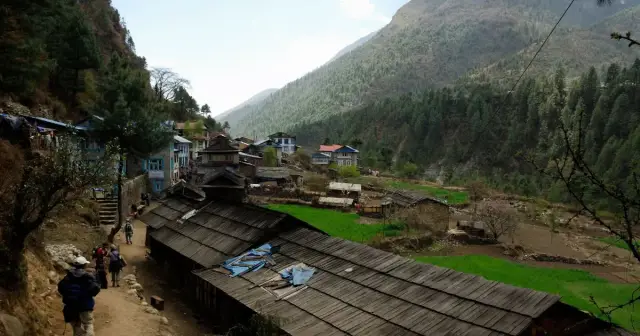

Phakding (2,610 m) is a Sherpa village on the Dudh Koshi River and the first overnight stop on the Everest Base Camp trek. It's about 8 km and three hours from Lukla, mostly downhill, so you sleep 250 m lower than Lukla on your first night, which helps your body adjust. The village is a string of teahouses on both banks of the river, and the next day you walk on to Namche Bazaar (3,440 m) in five to six hours.
- Altitude2,610 m / 8,563 ft
- From LuklaAbout 8 km, 3 hours
- To Namche BazaarAbout 10 km, 5 to 6 hours
- RegionPasang Lhamu rural municipality, Solukhumbu
- PermitsKhumbu card (checked at Lukla), park permit at Monjo the next day
- FacilitiesTeahouses, hot showers, Wi-Fi, charging, bakeries
The rural villages in Nepal are where you'll find true authenticity and warmth if you're there to immerse yourself in the culture and daily life of the endearing locals. While travelling through the villages of Nepal, you might perspire, find it difficult to breathe, and drag your feet uphill for hours until you reach an open valley with colourful homes tucked between the mountains and hospitable residents who extend invitations to visit their tea shops. You quickly forget the struggle.
Adventure travel, village tourism, hiking, white water rafting, jungle safaris, and lodging in specially constructed resorts or self-pitched tents are all popular activities in Nepal. The idea of village tourism is unique in Nepal. You must visit a village if you wish to become a part of the friendly locals' way of life, basic daily meals, traditional delicacies, and different natural surroundings. The rural life of Nepal offers genuine warmth and diversity that will live forever in a visitor's memories.
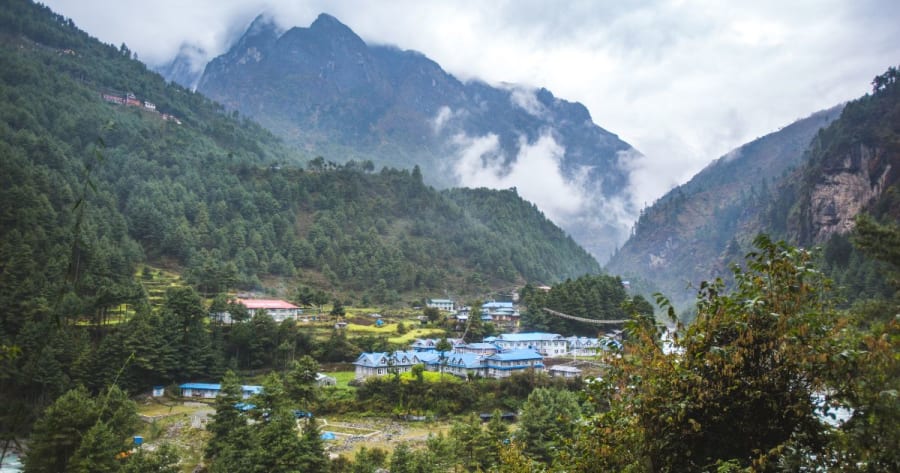
Phakding is a popular overnight stop on the way to the Everest Base Camp trek. It is located north of Lukla, in the valley of the Dudh Kosi River. Phakding sits at 2,610 m / 8,563 ft above sea level. Many people choose to spend the night there on the way to Everest Base Camp. Because it's lower than Lukla, it's a gentle first night before the real climbing starts.
A tourist's joy is increased by the genuine friendliness and warmth of the people. This village has many places to stay, including guesthouses. After getting to know this area, you can stroll along the Dudh Koshi, a headwater of the Kosi River, in the morning and the evening.
Sleeping low on the first night is a good start to acclimatisation, and the welcoming locals make sightseeing simple. Once you've taken a look around, you may choose from a variety of guesthouses or take a stroll to the beautiful Dudh Kosi River, which is close by, to keep yourself occupied. Before entering the heart of Phakding, you will have some fantastic views of the Dudh Kosi River as you come closer.
Why go to Phakding?
Almost everyone heading to Everest Base Camp, Gokyo or the Three Passes spends a night here, so Phakding is busy in October, November, April and May. Come in the evening and you'll find trekkers from a dozen countries sharing dining rooms by the stove.
The village is small and mostly serves as the first night's stop on Everest treks. On the other hand, it offers a variety of cuisines when it comes to eating. There are also a few local bars (bhattis) serving chhang and raksi, though alcohol is best left until after the trek.
The route to Phakding begins from Lukla, Lukla is the main gateway for trekkers heading to Everest Base Camp and Gokyo Ri. The Phakding Village plays a leading role in supporting and flourishing tourism in the area, and to fulfil that purpose, several small businesses are located nearby. Guesthouses have been built in this village. The breathtaking scenery of mountain peaks covered with sun rays astounds visitors.
The village has grown in renown and popularity due to its location along the Everest Base Camp Trekking Route. It is also among the best rest spots on the route across the Everest region. A night in Phakding, lower than Lukla, gives your body an easy start before the climb to Namche.
The little village offers a variety of inexpensive to premium teahouses to accommodate trekkers looking for lodging. The community is, therefore, crucial for increasing tourism in the Sagarmatha Zone.
What are the major Highlights?
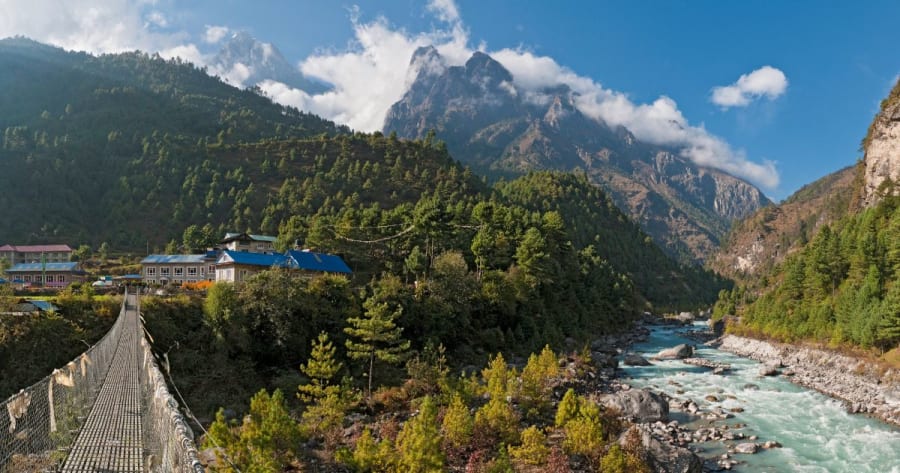
The major sights to see are bells ringing and herds of yaks, horses, and donkeys. These creatures are employed to transport cargo to and from Lukla. You pass a few suspension bridges as you make your way toward the settlement of Phakding. You will have an amazing experience crossing these bridges and be treated to a stunning view of the mountains and perennial rivers.
The Dudh Koshi River, one of the highest rivers in the world, is the last thing you encounter before reaching the major residential area. You arrive at Phakding, a small mountain settlement, at last. Although the agricultural area is located lower than Lukla, it still has some stunning distant vistas of the mountains.

While trekking from Lukla to Phakding, you will have the opportunity to observe directly how the Nepali people endure at such high altitudes. They cultivate their own crops, including lettuce, potatoes, onions, and carrots. The fields are lovely and enjoyable to stroll over.
How to get to Phakding?
Phakding is an ethnic Sherpa settlement with stone homes and teahouses. Since there are no direct roads leading there, we must first fly from Kathmandu to the airport in Lukla before beginning the trek from Lukla to Phakding. The trek from Lukla to Phakding through the Rhododendron forest, rural communities, and suspension bridges is incredibly restorative.
Be cautious and avoid crossing the suspension bridge while yaks or donkeys are doing so. The walk from Lukla to Phakding takes about three hours. Most trekkers spend their first night at Phakding before continuing on to Gokyo Lakes or Everest Base Camp. The following day, trekkers continue from Phakding up to Namche Bazaar.
It is located south of Namche Bazaar and north of Lukla, and it is the first overnight stop for most treks in the Khumbu region. Phakding Village is also the first lodging stop for the well-known EBC Trek.
Trekkers who would rather skip the Lukla flight can come by road. A jeep from Kathmandu reaches Salleri in 8 to 12 hours and continues to Surke, 1 to 2.5 hours' walk below Lukla. The old walk-in from Jiri takes about a week. Our guide to the Everest Base Camp trek on a budget compares the options.
Most Lukla flights depart in the morning. In spring and autumn they leave from Manthali (Ramechhap), a 20-minute flight after a 4 to 5 hour drive from Kathmandu. After landing, the travellers will thus have the entire day to engage in a simple trek. Additionally, it takes around three hours to walk the 7.5 kilometres (4.6 miles) from Lukla to Phakding. So most trekkers don't stay in Lukla. On their first day, they choose to go to Phakding village, where they spend the night. But you can pause for food and drink at many locations along the way.
The short trek from Lukla to Phakding takes place over a path dotted with lush vegetation and breathtaking mountain views. The majority of the time, you will be moving gently downhill on the rocky, dirt, and stone pathways.
Phakding on the Altitude Profile
Day one goes down before it goes up. You lose 250 m from Lukla to Phakding, then climb 830 m to Namche the next day.
| Place | Stop | Altitude |
|---|---|---|
| Lukla | Fly in | 2,860 m |
| Phakding | First night | 2,610 m |
| Monjo | Park gate | 2,835 m |
| Namche Bazaar | Second night | 3,440 m |
Things to Do in Phakding
Arrive by early afternoon and you have time to look around. Walk up to Rimijung Monastery, about an hour above the village, said to date from the 16th century. On the way in from Lukla, stop at Ghat to spin the prayer wheels and walk clockwise around the long mani walls. In the evening, try a plate of Sherpa stew or momos in your teahouse, and sort out your daypack for the long climb to Namche. Lodges here have hot showers, Wi-Fi and charging, and they're cheaper than anything higher up.
Which is the best time to go to Phakding village?
Most of Nepal experiences its busiest trekking times in the spring and fall, including the Everest region. Thanks to the consistent weather and temperate temperatures, this season offers the nicest views of the mountains and the surrounding area.
At 2,610 m, Phakding stays green and mild even in winter, when nights drop below freezing but days are often sunny. The monsoon, from June to September, brings rain and leeches to the forest sections and frequent Lukla flight delays. Our guide to the best time for the Everest Base Camp trek covers each month.
Bottom Line
Phakding is where the trek begins to feel real. Since Lukla to Phakding is located on the lower part of the trail, there is a lot more greenery there. There will be a lot of vegetation, including trees and distant mountains will be seen.
Phakding Village: FAQs
How high is Phakding?
2,610 m (8,563 ft), about 250 m lower than Lukla.
How long is the trek from Lukla to Phakding?
About 8 km and three hours at an easy pace, mostly downhill with a few short climbs and a couple of suspension bridges.
Is there Wi-Fi and hot water in Phakding?
Yes. Most teahouses have Wi-Fi, hot showers and charging, sometimes for a small fee. It's one of the cheapest places on the trek to get online.
Why do treks stop at Phakding instead of going straight to Namche?
Namche is 580 m higher than Lukla and the climb is steep. Breaking it with a night at Phakding keeps the first two days moderate and lets your body start adjusting before you sleep above 3,000 m.