


9 Reasons to Go for the Langtang Valley Trek
The Langtang Valley trek is the closest major Himalayan trek to Kathmandu: the trailhead at Syabrubesi lies about 122 km north of the capital, a 6 to 7 hour drive, with no domestic flight needed. The route climbs through Langtang National Park to Kyanjin Gompa at 3,870 m in a comfortable 7 to 8 days, with optional day hikes to Kyanjin Ri (4,773 m) and Tserko Ri (4,984 m) for full Himalayan summit views. Langtang sees far fewer trekkers than Annapurna or Everest, and every teahouse bed directly supports a valley that rebuilt itself after the 2015 earthquake. Here are nine reasons to make the Langtang Valley trek your next one.
Why Choose the Langtang Valley Trek?
1. Experience the Rebirth of Langtang
The April 2015 earthquake hit Langtang harder than any other trekking region: a massive avalanche off Langtang Lirung buried Langtang village, and around 300 people died in the valley, including most of the village's residents. The community rebuilt over the following years, and today's teahouses are newer and better equipped than much of what stands on more famous routes, hot showers included. Trekking here is the most direct way to support that recovery, because tourism is the valley's main livelihood.
2. The Closest Trekking Region to Kathmandu
Syabrubesi (1,503 m), the starting point, is about 122 km from Kathmandu, a 6 to 7 hour drive by local bus or jeep. No domestic flight means no Lukla-style weather cancellations and a noticeably lower cost than the Everest region; you can leave Kathmandu in the morning and start walking the next day.
3. A Moderate, Walkable Trail
The standard itinerary gains altitude gradually: Lama Hotel (2,470 m), Langtang village (3,430 m), then Kyanjin Gompa (3,870 m), over three walking days from the road. The trail is well graded by Nepali standards, which makes Langtang one of the best first Himalayan treks for fit beginners and families with older children. It is still a high-altitude trek, so rest days and a sensible pace matter; the summit hikes above Kyanjin are optional, not required.
4. Up-Front Mountain Views and Two Summit Day Hikes
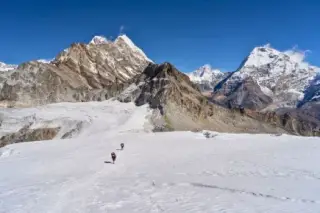
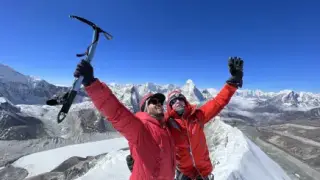
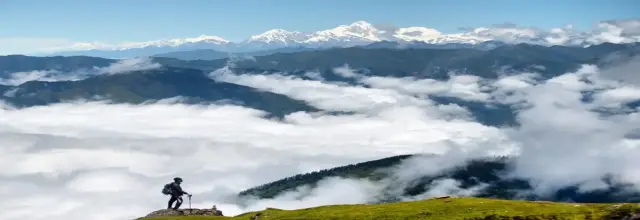
Langtang Lirung (7,227 m) dominates the valley from the second day, with Dorje Lakpa (6,966 m), Langshisha Ri, and the Ganesh Himal filling the skyline as you climb. From Kyanjin Gompa, two day hikes deliver the panoramas: Kyanjin Ri (4,773 m) in 3 to 4 hours return, and Tserko Ri (4,984 m), a long 7 to 9 hour round trip that is the trek's high point in both senses. Both are walked from the teahouse with a daypack; no camping is needed.
5. The Biodiversity of Langtang National Park
Langtang National Park, established in 1976 as Nepal's first Himalayan national park, surrounds the entire route. Its forests of oak, bamboo, and rhododendron shelter red pandas, Himalayan black bears, Himalayan tahr, and rhesus and langur monkeys, plus well over 200 recorded bird species. Spring (March to May) adds flowering rhododendron to the lower trail; quiet walkers genuinely do spot tahr herds above the treeline.
6. Rich Tamang Culture and Heritage
The Tamang people, whose language and customs trace to Tibet, populate most villages on the route, alongside families of Tibetan descent in the upper valley. Stone houses, carved wooden windows, and prayer-flag-strung rooftops line the trail, and the separate Tamang Heritage Trail west of the valley extends the cultural side into homestay territory for those with extra days.
7. Kyanjin Gompa and the Valley's Buddhist Heritage
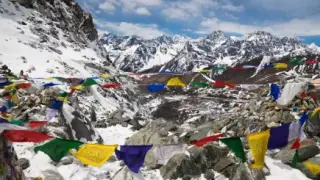
Kyanjin Gompa, the centuries-old monastery that gives the upper settlement its name, sits beneath Langtang Lirung surrounded by chortens, mani walls, and fluttering prayer flags. The village around it also hosts a small cheese factory established in 1955 with Swiss assistance, and its yak cheese remains a trail-famous treat; the bakeries of Kyanjin serve surprisingly good pastries at 3,870 m. Our post on Kyanjin Ri, the viewpoint of Langtang, covers the morning hike above the monastery.
8. Comfortable Teahouses the Whole Way
Rebuilt teahouses operate at every overnight stop, so the trek needs no tents or cooking crew: rooms are simple twin-beds, menus run from dal bhat to pasta, and the post-earthquake construction means newer rooms than on many older routes. Camping remains possible for groups that prefer it, but virtually everyone treks teahouse-style here.
9. Fewer Crowds Than Annapurna and Everest
Langtang receives a fraction of the visitors of Nepal's two famous regions, even in peak October, and the trail feels genuinely quiet outside the high season. For trekkers who want big mountains without the procession, this is the region's strongest card.
A Typical 8-Day Langtang Itinerary
- Day 1: Drive Kathmandu to Syabrubesi (1,503 m), 6 to 7 hours by jeep or local bus.
- Day 2: Trek to Lama Hotel (2,470 m), about 6 hours through river gorge and forest.
- Day 3: Trek to Langtang village (3,430 m), 5 to 6 hours, passing the memorial to the 2015 disaster.
- Day 4: Short 3 to 4 hour walk to Kyanjin Gompa (3,870 m), with the afternoon free for the monastery and bakeries.
- Day 5: Day hike to Tserko Ri (4,984 m), 7 to 9 hours return, or the shorter Kyanjin Ri (4,773 m).
- Day 6: Descend to Lama Hotel.
- Day 7: Descend to Syabrubesi.
- Day 8: Drive back to Kathmandu.
The profile keeps altitude gains modest above 3,000 m, which is why the route acclimatises well in a single week; trekkers wanting extra security add a second night at Kyanjin Gompa between the two viewpoint hikes.
Costs, Food, and Accommodation on the Trail
A daily on-trail budget of USD 25 to 35 per person covers everything in comfort. Teahouse rooms cost NPR 500 to 1,000 per night for a twin, and many lodges discount the room if you eat dinner and breakfast in-house. Dal bhat, the refillable national meal, runs NPR 600 to 900 and rises with altitude, as do hot showers and device charging (NPR 200 to 500 each up-valley). A licensed guide costs USD 25 to 30 per day and a porter USD 20 to 25, arranged through your agency. Two practical notes: there are no ATMs beyond the trailhead, so carry all cash in Nepali rupees from Kathmandu, and phone signal is patchy past Lama Hotel, with most teahouses selling Wi-Fi vouchers instead.
Extending the Trek: Gosaikunda and the Tamang Heritage Trail
Gosaikunda (4,380 m), a cluster of alpine lakes sacred to both Hindus and Buddhists, joins the Langtang Valley into a 12 to 14 day loop: descend the valley, climb past Sing Gompa, and cross the Laurebina La (4,610 m) into Helambu, finishing within a short drive of Kathmandu. Each August, thousands of pilgrims trek to the lakes for the Janai Purnima festival. The other classic add-on is the Tamang Heritage Trail west of Syabrubesi, a 4 to 5 day homestay circuit through the villages of Gatlang, Tatopani, and Briddim that deepens the cultural side of the region before or after the main valley walk.
Permits and Practicalities
The trek needs two documents: the Langtang National Park entry permit (NPR 3,000 for foreigners) and a TIMS card (NPR 2,000, arranged through a registered agency). Both are covered in our guide to trekking permits in Nepal. The best seasons are October to November and March to May, and the route is also one of the more workable winter treks since the standard itinerary stays below 4,000 m. Ready to go? See the full Langtang Valley trek itinerary or talk to our team.