


10 Best Things to Do in Bhutan
Bhutan packs an extraordinary amount into a small kingdom: the cliff-hanging Tiger's Nest monastery, fortress-monasteries the size of villages, festival dances that have run unchanged for centuries, and the world's only carbon-negative landscape to do it all in. Visiting costs more than its neighbours, the Sustainable Development Fee is USD 100 per person per night through August 2027, plus a USD 40 visa, but the trade is a country with no crowds at all. Here are the ten things most worth doing, roughly in the order most itineraries meet them.
1. Hike to Tiger's Nest (Paro Taktsang)
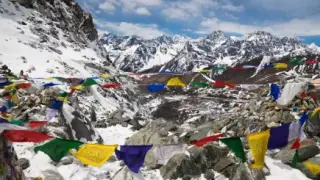
Bhutan's defining image is real and better in person: Paro Taktsang monastery clings to a cliff face 900 metres above the Paro valley, at about 3,120 metres altitude. The hike up takes two to three hours through pine forest strung with prayer flags, with a cafeteria viewpoint halfway for the classic photograph. Go early, before the light flattens and the day-trippers arrive.
2. Cross Punakha Dzong
Punakha Dzong, the "Palace of Great Happiness", sits at the meeting of two rivers and is widely called the most beautiful building in the Himalayas. It was Bhutan's seat of government until the 1950s and still hosts royal weddings; in spring the jacaranda trees around it bloom purple and the whole scene looks staged. Pair it with a walk across Punakha's swaying suspension bridge, one of the longest in Bhutan.
3. Time Your Trip for a Tsechu Festival
Tsechus are Bhutan's great monastery festivals: days of masked cham dances, giant unfurled thangkas, and entire valleys turned out in their finest woven textiles. Paro's tsechu falls in spring and Thimphu's in autumn, and both transform a normal itinerary into something unforgettable. Dates follow the lunar calendar, so confirm them before you fix flights.
4. Stand at Dochula Pass
The road from Thimphu to Punakha crests at Dochula Pass (3,100 m), where 108 memorial chortens ring a viewpoint that, on clear days, lines up the whole eastern Himalaya including Gangkhar Puensum, the highest unclimbed mountain on Earth at 7,570 metres. October to February gives the most reliable views.
5. Explore Thimphu, the Capital Without Traffic Lights
Thimphu is the world's only capital city with no traffic lights; white-gloved police direct the junctions by hand. See the giant golden Buddha Dordenma above the valley, the weekend market, the national takin reserve, and the institute where students spend years mastering Bhutan's thirteen traditional arts.
6. Watch the Black-Necked Cranes in Phobjikha
From late October to mid-February, the glacial Phobjikha Valley hosts hundreds of endangered black-necked cranes that migrate over the Himalaya from Tibet. The valley deliberately keeps its power lines underground for them, and the crane festival each November is one of Bhutan's gentlest, loveliest events.
7. Try Archery, the National Sport
Archery matches happen most weekends across Bhutan, played across 145-metre ranges with singing, dancing, and merciless teasing of the opposition. Many tours arrange a session with traditional bamboo bows; hitting the target at all earns you genuine respect.
8. Soak in a Hot-Stone Bath
The traditional Bhutanese dotsho is a wooden tub of river water heated by fire-roasted stones, infused with artemisia herbs. After a day of dzongs or trails, it is the best money you will spend in Bhutan, and farmhouse versions in Paro and Punakha are the most atmospheric.
9. Trek the High Valleys
Bhutan's treks are quieter than anything in Nepal: the Druk Path between Paro and Thimphu (4-5 days) is the accessible classic, while the Gangtey Nature Trail offers an easy half-day through Phobjikha. The legendary Snowman Trek, 25+ days above 4,000 metres, is for the truly committed.
10. Shop for Textiles and Crafts
Bhutanese weaving is among the world's finest, and a hand-woven kira or scarf is the souvenir that lasts. Thimphu's craft bazaar and the National Textile Museum set the standard; expect to pay fairly, because everything genuinely is handmade.
When to Visit Bhutan
Spring (March to May) and autumn (September to November) are the classic windows: clear mountain views, mild valley temperatures, and the biggest tsechus at Paro (spring) and Thimphu (autumn). Winter is underrated, with crisp skies, the black-necked cranes in Phobjikha, and the quietest sites of the year; only the higher passes get properly cold. The monsoon months of June to August bring afternoon rain and leeches on the trails, but also the greenest valleys, mushroom season, and the easiest bookings. With the SDF charged per night, shorter shoulder-season trips also simply cost less overall.
A Sample Five-Day Itinerary
| Day | Plan |
|---|---|
| 1 | Fly into Paro (the landing between the ridges is an event in itself), acclimatise with Paro Dzong and the National Museum |
| 2 | Hike to Tiger's Nest in the morning, hot-stone bath in a farmhouse after |
| 3 | Drive to Thimphu: Buddha Dordenma, the craft bazaar, and an archery match if one is on |
| 4 | Over Dochula Pass to Punakha Dzong and the suspension bridge; jacaranda season if you time it for spring |
| 5 | Return to Paro for the morning flight out |
With seven or more days, add the Phobjikha Valley for the cranes and the Gangtey Nature Trail, or the quiet Haa Valley over the Chele La pass, Bhutan's highest motorable road at 3,988 metres.
Bhutan FAQ
How much does a Bhutan trip really cost?
Budget the USD 100 per-night SDF plus USD 40 visa, then your operator's package for hotels, guide, transport, and meals on top. A comfortable mid-range trip lands around USD 250 to 450 per person per day all-in; luxury lodges go far beyond that.
Can I travel Bhutan independently?
International visitors book through a licensed Bhutanese operator and travel with a guide; Indian, Bangladeshi, and Maldivian nationals have separate, more flexible arrangements. Within your tour, itineraries are fully customisable, so "guided" does not mean "group bus".
How do I get there?
Druk Air and Bhutan Airlines fly to Paro from Kathmandu, Delhi, Bangkok, and Singapore, and the Kathmandu-Paro sector passes Everest, Kanchenjunga, and Makalu on a clear day, the best USD 200 window seat in aviation. Overland entry is possible at Phuentsholing from India. Many travellers pair the two countries; our Nepal, Bhutan and Tibet journey does exactly that.
Is the SDF worth it?
If you measure a destination by what you share it with, yes. The fee funds Bhutan's free healthcare, education, and the forests that keep it carbon-negative, and it is why Tiger's Nest on a spring morning holds dozens of people rather than thousands.
Before You Go
All international visitors (except Indian, Bangladeshi, and Maldivian nationals, who have separate arrangements) book through a licensed Bhutanese operator, pay the USD 100 per-night SDF and USD 40 visa fee, and travel with a guide. From January 2026 a 5 percent GST applies to tourism services, though the SDF and visa fee are exempt. Full logistics, costs, and route options are in our complete guide to travelling to Bhutan, and our Treasures of Bhutan tour or the combined Nepal and Bhutan journey cover everything on this list.