



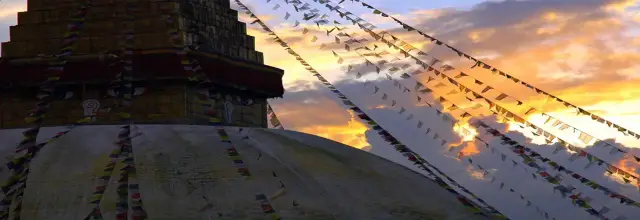

Top 10 Attractions of Kathmandu
Kathmandu is one of Asia's most layered cities, a place where ancient stupas cast shadows over bakeries, monks in saffron robes navigate the same lanes as motorcycle couriers, and seven UNESCO World Heritage Sites sit within 15 kilometres of each other. Whether you have a single afternoon or a full week, here are the top attractions every visitor to Kathmandu should explore.
1. Shivapuri Nagarjun National Park
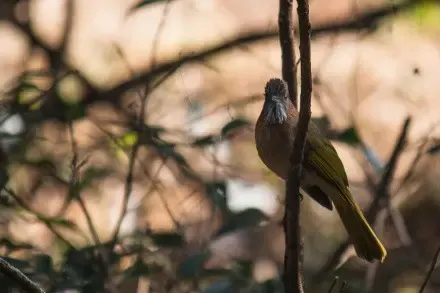
Rising just 12 km north of the city, Shivapuri Nagarjun National Park is Kathmandu's nearest wilderness escape. The park covers 159 km² across two forested areas, Shivapuri and Nagarjun, and is home to over 311 bird species, 102 species of moths and butterflies, and mammals including clouded leopards, pangolins, and Assamese macaques. A morning hike to the Shivapuri summit rewards with panoramic Himalayan views rarely seen from such an easy starting point. The park entrance is a 30-minute drive from Thamel.
Related Tour: Shivapuri Day Hike in Kathmandu
2. Garden of Dreams
Hidden behind high walls just minutes from Thamel, the Garden of Dreams, Sapana ko Bagaicha, is one of Kathmandu's most peaceful corners. Built in the early 20th century in neo-classical style, it features six pavilions, cascading fountains, lotus ponds, and a collection of flowering plants brought from across the world. After being abandoned for decades, the garden was fully restored in 2006 and is now a genuine sanctuary from the noise outside. Arrive early to have it largely to yourself.
3. Narayanhiti Palace Museum
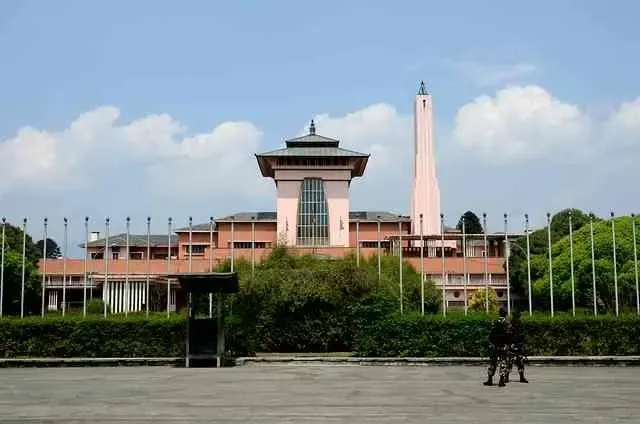
Once the official residence of Nepal's kings, Narayanhiti Palace was converted into a museum after the 2008 abolition of the monarchy. Built in 1963 by King Mahendra, the palace is best known as the site of the 2001 Royal Massacre, one of the most shocking events in modern Nepali history. Today, visitors can tour the state rooms, throne halls, and private royal quarters, which remain largely unchanged from their original furnishings. The guided tour takes around 90 minutes and offers a compelling window into Nepal's recent history.
4. National Museum, Chhauni
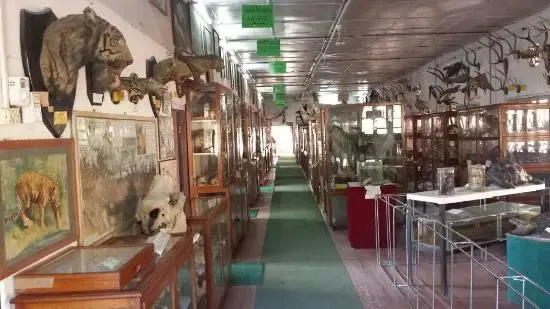
Nepal's National Museum at Chhauni houses the country's most significant collection of historical artefacts across three main galleries. The weapons collection, featuring armour and firearms used in Nepal's wars against Tibet and Britain in the 18th and 19th centuries, is particularly striking. Separate galleries display Licchavi-era stone sculptures, Buddhist thangkas, rare manuscripts, and an impressive coin collection. It is an essential stop for anyone who wants to understand Nepal's deep history before exploring its temples and palaces.
5. Indra Chowk
Indra Chowk is one of Kathmandu's most atmospheric market junctions, a medieval crossroads connecting Kathmandu Durbar Square to the bustling Asan bazaar. The centrepiece is the Akash Bhairab Temple, flanked by four metal lions that appear to rear over the street. The surrounding lanes are famous for bead sellers, textile merchants, and traditional dhaka fabric stalls. Non-Hindus cannot enter the temple, but the exterior carvings and the market energy are worth lingering over. The area comes alive during Indra Jatra, when massive chariot processions pass through the square.
6. Royal Botanical Garden, Godawari
Located 19 km south of Kathmandu at the foot of Phulchowki Hill, the Royal Botanical Garden offers one of the most peaceful half-day escapes from the city. Home to over 800 plant species across themed sections, including an orchid house, Japanese garden, fern garden, rock garden, and biodiversity education zone, the grounds are tranquil and largely unvisited by tourists. If you are spending time in Patan, the Botanical Garden makes a perfect afternoon addition before returning to Kathmandu.
7. Kumari Ghar, House of the Living Goddess
One of Kathmandu's most distinctive experiences is glimpsing the Kumari, a young girl worshipped as a living goddess, at Kumari Ghar in Kathmandu Durbar Square. The three-storey palace, built in 1757, is renowned for its extraordinary woodwork: carved lattice windows, peacock reliefs, and brass deities fill every surface of the courtyard. The Kumari appears briefly at a carved window on most days, and her appearance is considered a profound blessing by Hindu and Buddhist devotees alike. Photography is not permitted in the courtyard, but the architecture alone merits a long visit.
8. Momo Culture, Kathmandu's Essential Street Food
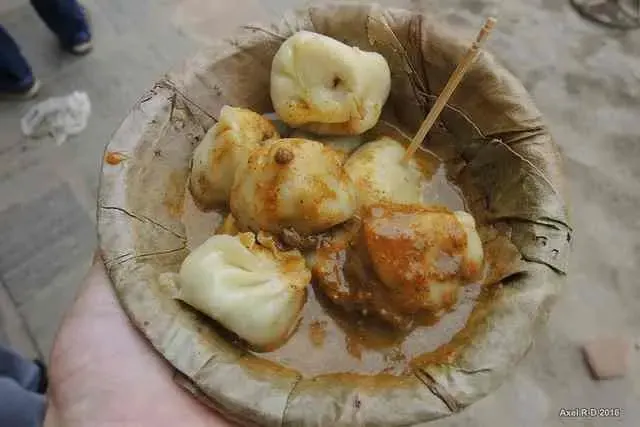
No visit to Kathmandu is complete without eating momo. These steamed Tibetan-style dumplings, stuffed with buffalo, chicken, paneer, or vegetables, are the city's definitive street food, eaten at every time of day and debated with genuine passion by locals. Each stall has its own dipping achar (chutney), usually a bright tomato-and-sesame sauce unique to the cook. For everyday momos, the stalls around New Road and Boudha are local favourites. For the famous jhol momo, momos served in a spiced soup broth, the restaurants near Patan's Mangal Bazaar are legendary. Read our guide to traditional Nepali food and drinks to know what else to try before you arrive.
9. Thamel, Kathmandu's Backpacker Quarter
Thamel is the tourist heart of Kathmandu, a dense, endlessly walkable neighbourhood of narrow lanes packed with trekking gear shops, rooftop restaurants, souvenir stalls, and bars that stay open late. You can buy everything here: down jackets, altitude medication, hand-knitted pashminas, thanka paintings, and remarkably good espresso. The energy is chaotic, colourful, and oddly addictive. Spend a morning getting lost in the quieter back lanes, where Newari shrines and family courtyards appear between the gear shops. Thamel is also the best place to finalise trekking arrangements, hire a guide, or compare tour prices. For a sense of the warmth waiting beyond the tourist quarter, read our piece on Nepal as a country of benevolence.
10. Kathmandu's Food Scene, Beyond Dal Bhat
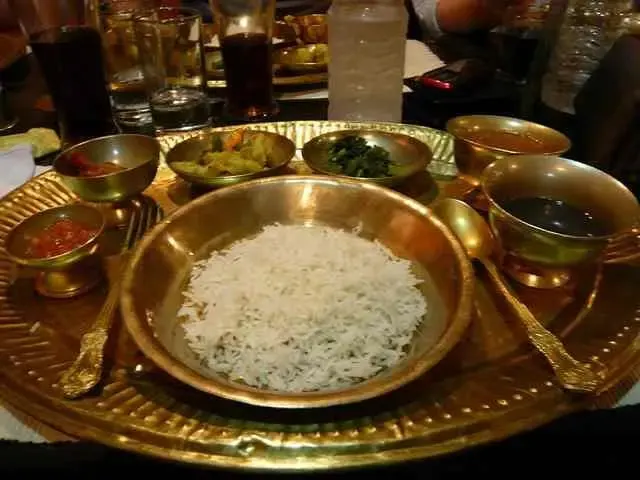
Dal bhat, steamed rice, lentil soup, and seasonal vegetable curry, refilled until you cannot eat any more, is the foundation of Nepali cooking. But Kathmandu's food scene extends far beyond the classic trekker menu. Newari cuisine, the traditional food of the Kathmandu Valley's indigenous people, features dishes like bara (fried lentil pancakes), choila (spiced grilled buffalo), and aila (homemade grain spirit) found almost nowhere else. Asan Bazaar and the old streets of Patan are the best places to taste it. Explore more in our guide to traditional Nepali dishes and wines.
The UNESCO World Heritage Sites of Kathmandu Valley
Kathmandu Valley contains seven UNESCO World Heritage Sites, more per square kilometre than almost anywhere on Earth. Here are four you should not leave without visiting:
Pashupatinath Temple
The most sacred Hindu temple in Nepal sits on the banks of the Bagmati River east of Kathmandu. Dedicated to Lord Shiva, Pashupatinath draws hundreds of thousands of Hindu pilgrims from across South Asia every year. The ghats along the river are used for open-air cremation ceremonies, which respectful visitors can observe from the opposite bank. Non-Hindus cannot enter the main temple, but the surrounding complex, with its hundreds of smaller shrines, resident sadhus in colourful robes, and sacred deer wandering freely, is extraordinary to explore.
Boudhanath Stupa
One of the largest stupas in Asia, Boudhanath is the spiritual centre of Tibetan Buddhism in Nepal. The great white dome, crowned by a gilded tower painted with the all-seeing eyes of the Buddha, is ringed by monasteries, incense-filled prayer-wheel corridors, and Tibetan restaurants. Visit early morning or at dusk, when monks circle the stupa in burgundy robes and the air fills with the scent of butter lamps. The atmosphere here is unlike anywhere else in Kathmandu and well worth spending a full afternoon.
Swayambhunath, The Monkey Temple
Perched on a hilltop west of the city, Swayambhunath is one of the oldest religious sites in Nepal and offers the best panoramic view of Kathmandu Valley. The 365 stone steps to the summit are lined with prayer flags, carved statues, and the rhesus macaques that give it its popular nickname. At the top, the gilded stupa and surrounding shrines blend Hindu and Buddhist traditions in a way unique to Nepal. Sunrise is the best time to visit, the valley is still quiet, the light is extraordinary, and the monkeys have the place almost to themselves.
Kathmandu Durbar Square
At the historical heart of the old city, Kathmandu Durbar Square was the ceremonial seat of Nepal's ancient kings. Despite damage from the 2015 earthquake, visible restoration work is ongoing, the square remains one of the most impressive historic sites in Asia. Key highlights include the Taleju Temple (open to Hindus only during Dashain), the imposing black-stone Kal Bhairav relief, and the Kumari Ghar at the square's southeastern edge. The adjacent lanes of Indra Chowk and Asan extend the experience into the living market city beyond.
Entry Fees and Practical Tips
Foreign visitors pay entry fees at most heritage sites, in Nepali rupee cash at the gate. Published rates as of 2026:
- Pashupatinath Temple: NPR 1,000
- Kathmandu Durbar Square: NPR 1,000 (valid for the day; longer visitor passes available with a passport photo)
- Boudhanath Stupa: NPR 400
- Swayambhunath: NPR 200
- Patan Durbar Square: NPR 1,000
- Bhaktapur (city entry): NPR 1,500 to 1,800, covering the whole old town
- Garden of Dreams: NPR 400
- Shivapuri Nagarjun National Park: NPR 1,000
SAARC nationals pay reduced rates at most sites, and fees change without much notice, so carry more small cash than the list suggests. For getting around, the ride-hailing apps Pathao and inDrive beat negotiating with taxis, and most of the old city between Thamel, Durbar Square, Indra Chowk, and Asan is best covered on foot.
With two full days you can see the essentials without rushing: day one for the old city (Durbar Square, Kumari Ghar, Indra Chowk, Asan, and momos in between), day two for the great religious sites, Swayambhunath at sunrise, Pashupatinath in the late morning, and Boudhanath for the dusk circumambulation. Add a third day for Shivapuri or the Godawari gardens if you want green space before a trek.
Planning a trip to Kathmandu? Our Shivapuri Day Hike is a great way to see the valley from above before diving into the city. Also check out our guide to fascinating facts about Nepal, and festivals you should not miss when you are here.