


5 Budget Treks in Nepal (2026): What They Cost Per Day, Permits and Guides
The five budget-friendly treks here are Annapurna Base Camp, Mardi Himal, Khopra Ridge, Langtang Valley and Lower Mustang. All of them use teahouses, start by bus from Kathmandu or Pokhara, and need only national park or conservation fees, not a restricted-area permit. Plan on roughly USD 40 to 90 per person a day on the trail once a licensed guide, room and meals are counted, nearer the low end when two or three of you share one guide. Mardi Himal (4 to 6 days) is the shortest and cheapest of the five. Langtang reopened on 22 October 2026 after the 26 August flood, with treks now starting from Thulo Syabru.
- Treks coveredABC, Mardi Himal, Khopra Ridge, Langtang, Lower Mustang
- Daily budgetAbout USD 40 to 90 per person with a guide
- PermitsACAP or Langtang NP NPR 3,000 + TIMS NPR 2,000
- GuideLicensed guide required since 1 April 2023
- ShortestMardi Himal, 4 to 6 days from Pokhara
- Swotah trips fromUSD 550 (6-day Mardi Himal)
Nepal has some of the most affordable multi-day trekking in the world. You can walk a classic Himalayan route for roughly USD 40 to 90 a day per person once permits, food, lodging and a licensed guide are counted, at the low end when two or three trekkers share one guide. That is far less than a guided trek costs in most countries.
The five budget-friendly treks below, Annapurna Base Camp, Mardi Himal, Khopra Ridge, Langtang Valley and Lower Mustang, run from 4 to 12 days and keep costs low with teahouse lodging, public transport and short itineraries. One 2026 point matters for your budget: since April 2023 a licensed guide has been mandatory on these routes, so a guide is now a fixed cost rather than an optional one.
This guide breaks down transport, permits, food, lodging and guide rates for each trek so you can plan a realistic budget.
What are the 5 famous budget-friendly treks in Nepal?
-
Annapurna Base Camp trek
-
Mardi Himal trek
-
Khopra ridge trek
-
Langtang valley trek
-
Lower Mustang trek
There is more than one aspect leading to the different price ranges of any trek you pick. Some of the key factors that affect the total cost of a trek are the season of the trek, the route of the trek, the duration of the trek, and last but not the least the number of people on the trek, since a group splits the guide's wage.
The 5 Budget Treks Compared
Days are walking days from the trailhead. Room and meals are the per-person figures from each section below, before the guide's wage. Permit fees are for foreign nationals.
| Trek | Days on trail | Highest point | Permits | Room + meals a day | Swotah trip |
|---|---|---|---|---|---|
| Annapurna Base Camp | 7 to 12 | 4,130 m | ACAP + TIMS | USD 25 to 45 | From USD 565 (7 days) |
| Mardi Himal | 4 to 6 | About 4,500 m | ACAP + TIMS | USD 25 to 35 | From USD 550 (6 days) |
| Khopra Ridge | 7 to 9 | About 3,640 m (Khayer Lake about 4,600 m) | ACAP + TIMS | USD 25 to 35 | See trip page |
| Langtang Valley | 7 to 10 | Kyanjin Ri, 4,773 m | Langtang NP + TIMS | USD 20 to 35 | Running, starts Thulo Syabru |
| Lower Mustang | 7 to 9 | Muktinath, about 3,710 m | ACAP + TIMS | USD 25 to 35 | See trip page |
1. Annapurna Base Camp Trek
Annapurna Base camp trek traverses through the Annapurna region of Nepal. It is approximately 7 to 12 days on the trail, and our trips run 7, 12 and 14 days. From the sanctuary at 4,130 m you see Annapurna I (8,091 m), Annapurna South, Hiunchuli, Machhapuchhre (6,993 m), Gangapurna and Annapurna III. Dhaulagiri and Nilgiri come into view if you add the Poon Hill loop. The Annapurna Base Camp trek offers a chance to experience the natural hot spring at Jhinu Danda. Along with the panoramic views and Annapurna's high peaks, it is an excellent trip to get face-to-face with Gurung and Magar people’s culture and practices and be pleased with their hospitality.
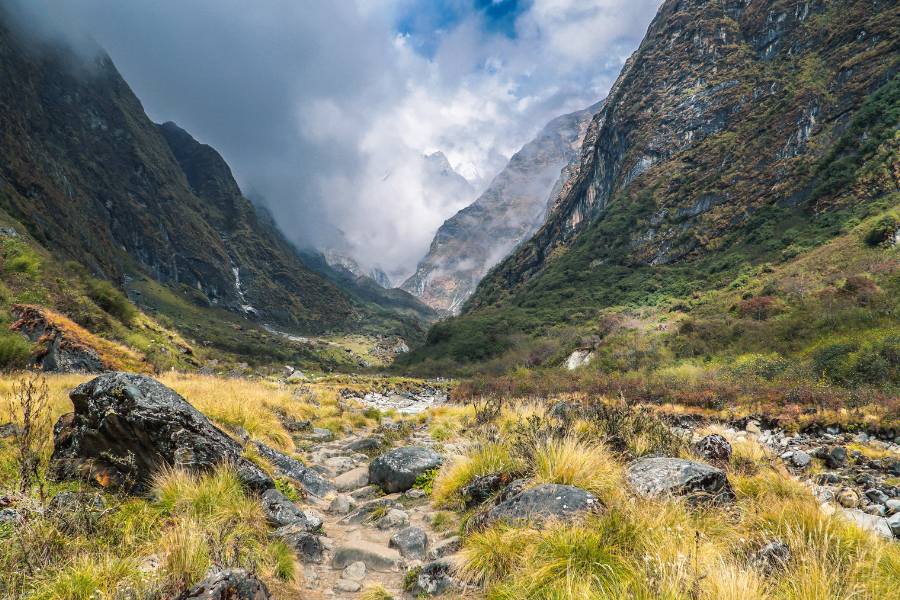
Breakdown of the cost of the Annapurna Base Camp trek
Transportation
A tourist bus from Kathmandu to Pokhara costs about USD 10 to 20, depending on the seat and whether lunch is included. It is timetabled at 7 to 8 hours and often takes longer with roadworks. A local bus is cheaper, at around NPR 1,000. Foreigners pay dollar fares on the 25-minute flight from Tribhuvan International Airport, about USD 125 to 130 one way, and the price moves with the airline and the season. Then comes the drive from Pokhara to Siwai, which costs about $6 to $9 by local bus or around $120 for a reserved jeep. From Siwai on to Chhomrong, Himalaya and Annapurna Base Camp you walk, so there is no more transport to pay for until the drive back.
Permits
There are two permits one needs to trek in the Annapurna region:
-
TIMS - The TIMS card costs NPR 2,000 (about USD 13), or NPR 1,000 for citizens of SAARC countries, and is issued through a registered trekking agency (since April 2023, a licensed guide is also required on these routes, see our solo trekking rule explainer).
-
ACAP (Annapurna Conservation Area Permit): This is a protected area, which is why every foreign and SAARC trekker needs the Annapurna Conservation Area Permit. It costs NPR 3,000 (about USD 19) for foreign nationals, while trekkers from SAARC nations pay NPR 1,000. Buy it in Kathmandu or Pokhara. If you are caught without one at a checkpoint, you pay double.
Food and accommodation
The price is affected by the place you pick to stay at. A normal teahouse charges around $5 to $10 per night (roughly NPR 750 to 1,500). Better lodges with attached bathrooms, found mostly lower down around Ghandruk and Jhinu, cost around $30 to $40. Food and drinks run about $20 to $35 a day, and prices climb the higher you go because everything above Chhomrong is carried up by porters.
Guides and porters
Prices for guides and porters vary depending on their work experiences and qualifications. Nevertheless, budget USD 25 to 40 per day for a licensed guide and USD 20 to 25 for a porter, plus tips of about 10% of their wages. A porter-guide, who carries some of your gear and guides, costs about USD 25 to 35 and is the cheapest way to meet the guide rule.
2. Mardi Himal Trek
Mardi Himal (5,587 m) is a peak below Machhapuchhre, and the trek follows the ridge east of the Modi Khola valley that leads to Annapurna Base Camp. It is completed in 4 to 6 days from Pokhara. Trekkers sleep at High Camp (about 3,580 m) and walk up to Mardi Himal Base Camp (about 4,500 m) and back in a day. The trek offers the mesmerizing mountainous view of Mount Machhapuchre, Annapurna South, Mount Hiunchuli, Mardi Himal, etc. The Mardi Himal trek is off the beaten trek and is less crowded. Since it is not very difficult, it is a beginner-friendly trek and is an ideal option for the first trek. The forest and cliffs lower down hold Himalayan tahr, musk deer and barking deer, though you need luck to see them. Snow leopards live higher up and are almost never seen.
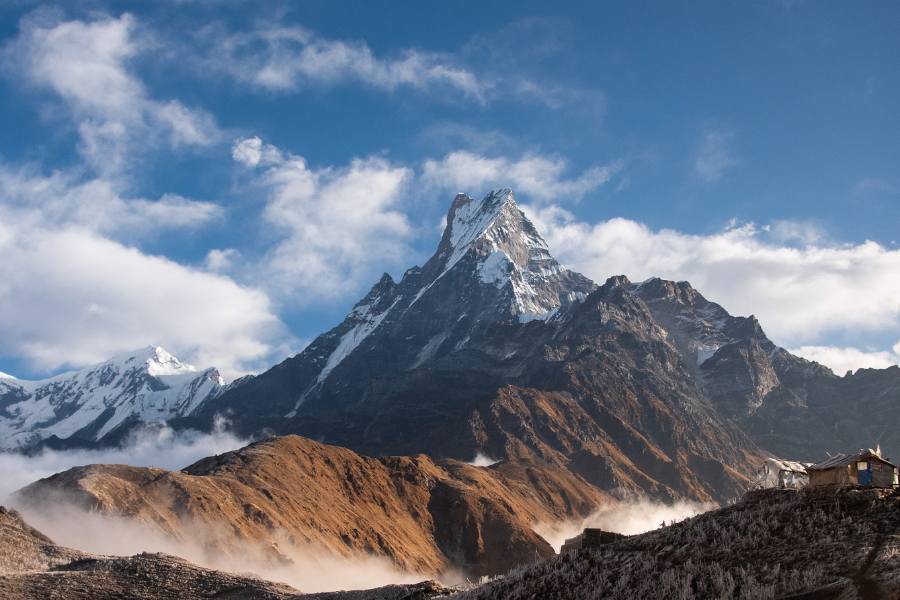
Breakdown of the cost of the Mardi Himal trek
Transportation
Getting from Kathmandu to the start of the Mardi Himal trail by public transport costs around $10 to $15. Typically trekkers take a bus from Kathmandu to Pokhara, followed by a drive of about an hour to Kande. (To save some money you can walk some of the road sections instead of driving.)
Permit
For the Mardi Himal trek, one needs two permits:
-
TIMS (Trekker’s Information Management System)
-
ACAP( Annapurna Conservation Area Permit )
(These are the same two permits as on the Annapurna Base Camp trek above: NPR 3,000 for ACAP and NPR 2,000 for TIMS.)
Food and Accommodation
A decent teahouse room on the Mardi Himal trek costs around NPR 500 to 800 ($3 to $5) per night. Sharing a twin bedroom with a friend costs a little less each, around NPR 900 ($6) for the room. (Carrying around NPR 5,000, about $32, for extra snacks on the way is enough.) Talking about meals, three meals a day are covered by about NPR 3,000 ($20), a little more at High Camp.
(NOTE: This is an average cost, if you choose to eat not-so-fancy meals then the prices fall significantly).
Guides and Porters
Guides cost USD 25 to 40 and porters USD 20 to 25 per day, including their food and accommodation, on the Mardi Himal trek.
- Days4 to 6 from Pokhara
- Highest pointMardi Himal Base Camp, about 4,500 m
- Highest sleepHigh Camp, about 3,580 m
- PermitsACAP NPR 3,000 + TIMS NPR 2,000
- Swotah trip6 days, from USD 550 / person
3. Khopra Ridge Trek
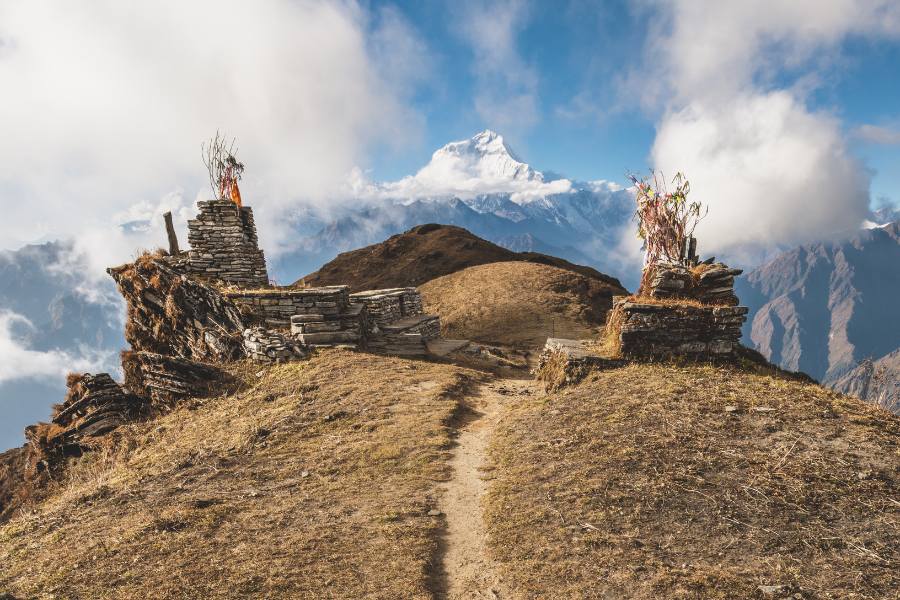
Another budget-friendly trek to opt for is the Khopra Ridge trek. The trail takes about 7 to 9 days from Pokhara. It is a less explored trek of Nepal. Khopra Ridge Trek is beginner-friendly and does not require any particular skills, just being in good physical shape is sufficient. From Khopra Danda (about 3,640 m) trekkers see Tukuche Peak, Nilgiri, Dhaulagiri, Bara Shikhar (Annapurna Fang) and Machhapuchhre (Fishtail). A side trip from the ridge takes one to Khayer Lake, at about 4,600 m, so give yourself a night on the ridge before going up. It is a holy lake that is worshipped by the locals. On the bank of the beautiful Kahyer lake, there is a Khayer Barahi temple where the local Magar community and Hindu devotees visit to seek blessing. The trek passes through villages like Ulleri, Ghorepani, Bayeli Kharka and Nayapul. These villages show a simple lifestyle and terrific landscapes with picturesque views.
Breakdown of the cost of the Khopra Ridge trek
-
The same two permits are required that are mentioned above in the Mardi Himal trek and Annapurna Base camp trek: TIMS and ACAP.
-
Three meals a day cost around NPR 3,000 (about $20), a bit more up on the ridge.
-
Guides take around USD 25 to 40 and porters USD 20 to 25 per day. A tip of about 10% of their wages is normal, more if you are impressed by their service.
-
While on the Khopra Ridge trek, transportation is used from Kathmandu to Pokhara and from Pokhara to Nayapul. Using public buses for both legs costs approximately $15 to $20.
-
Accommodation in a teahouse or community lodge, on average, ranges from $5 to $10 a night.
4. Langtang Valley Trek
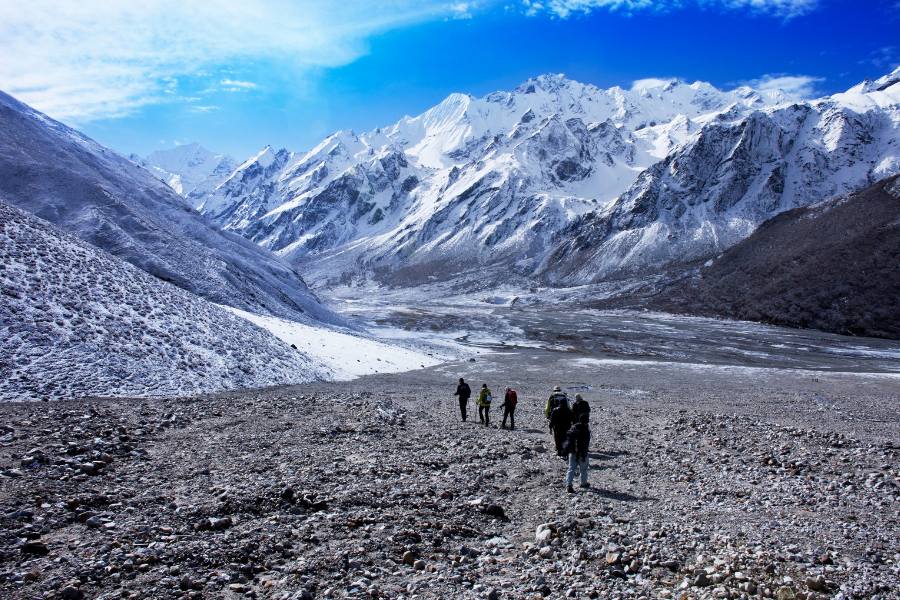
Trekking through the Langtang region of Nepal means passing one of the best visuals in Nepal. Surrounded by giant mountains, wildflowers, and small villages is what this trek is all about. It is the best trek for some alone time as there is not a heavy flow of trekkers like in other well-known treks of Nepal. Langtang Valley Trek is known for the Kyanjin Ri viewpoint (4,773 m). From the viewpoint, one watches Langtang Lirung, Yubra, Naya Kanga, Yala Peak, Changbu, etc. One gets to visit Kyanjin Gompa (about 3,870 m), a small village around an old Buddhist monastery. You get to share the everyday life of the people of the valley, who are Tamang and Tibetan-descended Langtangpa, sometimes called Bhote.
Access in 2026: the 26 August 2026 flood in Rasuwa destroyed the bridges at Betrawati and Syabrubesi and closed the road to the trailhead. The Trekking Agencies' Association of Nepal reopened Langtang on 22 October 2026, after a Bailey bridge at Betrawati reconnected the road to Thulo Syabru, and our Langtang departures are running again. Read the Nepal flood 2026 trekking update before you budget for this one.
Breakdown of the cost of the Langtang Valley trek
-
Trekking permits required for the Langtang trek are TIMS and the Langtang National Park entry permit ( required to trek through the Langtang National Park. The TIMS card, now issued digitally as e-TIMS for the Langtang region, is NPR 2,000 (about USD 13), or NPR 1,000 for SAARC nationals. The Langtang National Park entry permit is NPR 3,000 (about USD 19), or NPR 1,500 for trekkers from SAARC nations. Our Langtang permits guide has the details.
-
If you choose a route through Shivapuri Nagarjun National Park, from Sundarijal, you pay its entry fee at the gate, about NPR 565 (NPR 500 plus VAT) for foreigners in recent listings.
-
About $4 to $7 (NPR 600 to 1,000) per meal is a typical cost, more near Kyanjin Gompa. Therefore $15 to $25 is enough for a day’s complete meals.
-
Trekking by the classic route means you drive from Kathmandu to Syabru Besi and Syabru Besi to Kathmandu while returning back. Before the flood the public bus cost around $10 to $15 each way. See the access note above for the situation now.
-
Guide: USD 25 to 40 per day. Porter: USD 20 to 25 (excluding tips).
5. Lower Mustang Trek
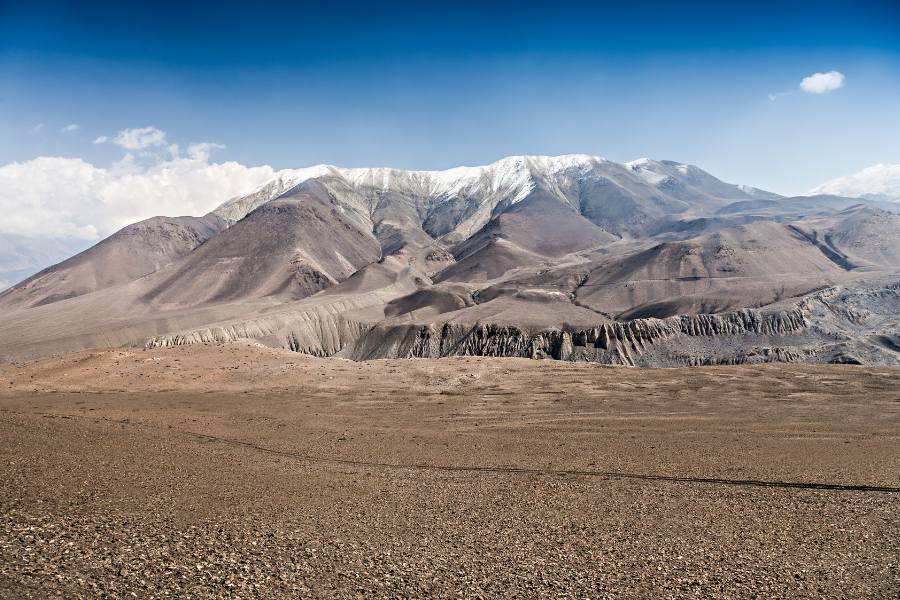
Mustang is one of Nepal’s best-known regions abroad. Lower Mustang is the Kali Gandaki valley around Jomsom (2,720 m), in Gandaki Province. It is 7 to 9 days long, suits beginners who take the height slowly, and is budget-friendly. Kagbeni is the edge of the restricted Upper Mustang zone, and going north from there needs a separate USD 50 a day permit. The highlight of the Lower Mustang trek is the Muktinath temple, at about 3,710 m. It is a god Narayana ( Vishnu ) temple which is a sacred place for Hindus and Buddhists. The 108 taps in the temple are believed to wash off all your sins if you pass through each one of them. One passes through villages like Lupra, the old Bon village, and places like Kagbeni, Marpha and Jomsom. Jeeps now use the valley road, so good itineraries follow the side trails away from it. The wide views of Annapurna and Dhaulagiri are among the best in the Lower Mustang trek.
Breakdown of the cost of the Lower Mustang trek
-
TIMS and ACAP are the two permits required ( costs are mentioned above)
-
A basic meal costs around $5 to $8 (NPR 800 to 1,200) here. So, around $20 to $25 covers three meals a day.
-
Transportation: Generally, people take a bus from Kathmandu to Pokhara for the Lower Mustang trek, about USD 10 to 20 depending on the facilities the bus has. From Pokhara to Jomsom a bus or shared jeep costs roughly USD 9 to 12 and takes about 8 hours. The 20-minute flight is far quicker, and foreigners pay roughly USD 120 to 200 one way (Tara Air set USD 160 in 2024).
-
Guides charge USD 25 to 40 and porters USD 20 to 25 per day.
NOTE: The cost of accommodation, public transportation, and the charge of guides and porters are higher during the peak season. Exchange rates move constantly, so check current rates when planning your trip.
Where the Money Goes Each Day
Here is a typical trail day for one trekker in the Annapurna region, using the top of each range. Two people sharing a guide halve the biggest line. Dollar figures use about NPR 155 to the US dollar, the Nepal Rastra Bank rate in mid-October 2026.
| Item | Per day | Top of range |
|---|---|---|
| Licensed guide | USD 25 to 40 | |
| Meals and drinks | USD 20 to 35 | |
| Teahouse room | USD 5 to 10 | |
| Permits, spread over a week | About USD 5 | |
| Porter (optional) | USD 20 to 25 |
Ways to Keep the Cost Down
Going without a guide is no longer a way to save. A licensed guide has been required on most trekking routes since 1 April 2023, and the TIMS card is only issued through a registered agency. Since 22 March 2026 one trekker alone can get a restricted-area permit, but the guide is still compulsory, so the old advice to trek independently doesn't apply to these five routes. Our trekking permits guide covers every fee.
What does work is sharing. Two or three friends with one guide cut the biggest daily cost by half or more. A porter-guide at USD 25 to 35 a day does two jobs for one wage. Dal bhat comes with free refills, which makes it the best-value meal on any menu. Carry purification tablets or a filter instead of buying bottled water, which gets dearer with every hundred metres. And trek in late September or early December, when lodges are quieter and some will drop the room rate if you eat there.
Budget Treks in Nepal: FAQs
Which of these five treks costs the least?
Mardi Himal, because it is the shortest. Four to six days from Pokhara with a guide, a teahouse room and three meals comes to roughly USD 170 to 500 per person, permits included, before the bus to Pokhara, depending on how many of you share the guide. Our 6-day Mardi Himal trek starts from USD 550.
How much does a budget trek in Nepal cost per day?
About USD 40 to 90 per person on the trail. Room and meals take USD 25 to 45 of that, and the licensed guide, at USD 25 to 40 a day, is the rest. Permits add a one-off NPR 5,000 (about USD 32) in the Annapurna and Langtang regions.
Can I save money by trekking without a guide?
Not legally on these routes. A licensed guide has been mandatory on most trekking routes in Nepal since 1 April 2023, and TIMS cards are issued only through registered agencies. Sharing one guide between two or three trekkers is the honest way to cut the cost.
What permits do budget treks need?
ABC, Mardi Himal, Khopra Ridge and Lower Mustang need the ACAP permit (NPR 3,000) and a TIMS card (NPR 2,000). Langtang needs the Langtang National Park permit (NPR 3,000) and TIMS. None of the five needs a restricted-area permit unless you go north of Kagbeni into Upper Mustang.
Is Langtang open in 2026?
Yes. The trekking agencies' association reopened Langtang on 22 October 2026. The road reaches Thulo Syabru but not yet Syabrubesi, so that is where our treks now start. Check the flood update for the latest.