

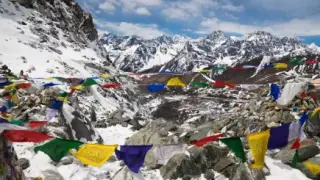


11 Weirdest Things That Happen Only in Nepal
Nepal is an absolutely beautiful country with varied diversities in culture, tradition, and nature. With diversity comes different absurd practices which might surprise anyone not from Nepal for good. From worshipping a dog to traditionally legal eloped marriages, we have it all here. Here is the list of the weirdest things that happen only in Nepal.
Worshipping A Dog
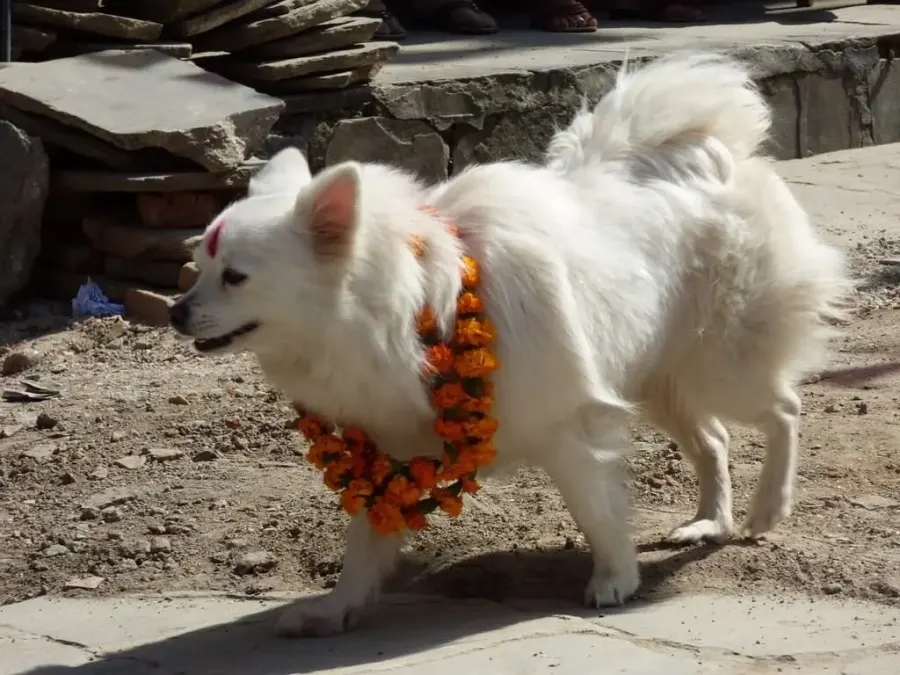
Yes, you read it right!!! In Nepal, we have a special day for dogs during Tihar (another major festival in Nepal). During Kukur Tihar (dog worshipping day), almost all dogs are worshipped with flower garlands and tika. They are also offered food and treated like royalty for their loyalty and faithfulness.
9 New Years in a Year
There isn’t any other country in the world as diverse as Nepal, and I guess none of the other countries in the world celebrates nine new years within a year! Every year, Nepal celebrates nine new years in one year. Here is how 1st Baisakh is the official Nepali New year and everyone celebrates it. Then comes Lhosar which is the new year for three different castes in Nepal. Sonam Lhosar, Tamhu Lhosar, and Gyalpo Lhosar three different new years for three castes.
Newar people have their own New year called Vintuna. Likewise, the Tharu community and Limbu communities celebrate the new year during maghi festival. Muslims celebrate the new year during August in Nepal. And comes the English new year. Fascinating, isn’t it?
Blood Drinking Festival
In the remote villages of mountainous regions of Nepal, people celebrate blood drinking festival. A cultural festival of the Thakali people in Mustang district, people drink the fresh yak blood with the belief that drinking fresh blood of yak treats gastritis, acidity, jaundice, muscle sprain, body swelling, and other bowel-related diseases as the yaks feed on valuable herbs like yarshagumba (Cordyceps), jatamasi( Spikenard), panchaaunle ( Dactylorhiza Hatagireha), among others growing in the highland pasture. As part of the festival, a part of the yak's neck is pierced for the blood to gush out, and a tumbler is placed under to collect the fresh blood, which is then drunk.
Related Tour Package: Upper Mustang Teeji Festival, Mountain Biking in Nepal
Eloping
Eloping or runoff marriage sounds fun right? Well, not for most of the castes in Nepal. However, there is an astonishing version of runoff marriage in Gurung, Limbu, and many other communities in Nepal. In which a group of people participates in a cultural gathering and during the time of celebration, any guy can fall in love with any girl at first sight. They can quickly end up eloping together without anyone’s consent. Weird right?
Bride of Bel and the Sun
There is a different versions of marriage all over the world. In Nepal, young girls are often married to a fruit bel and sun. People from newar communities have the tradition of marrying Bel (wood apple fruit) and the Sun in their pre-adolescent period.
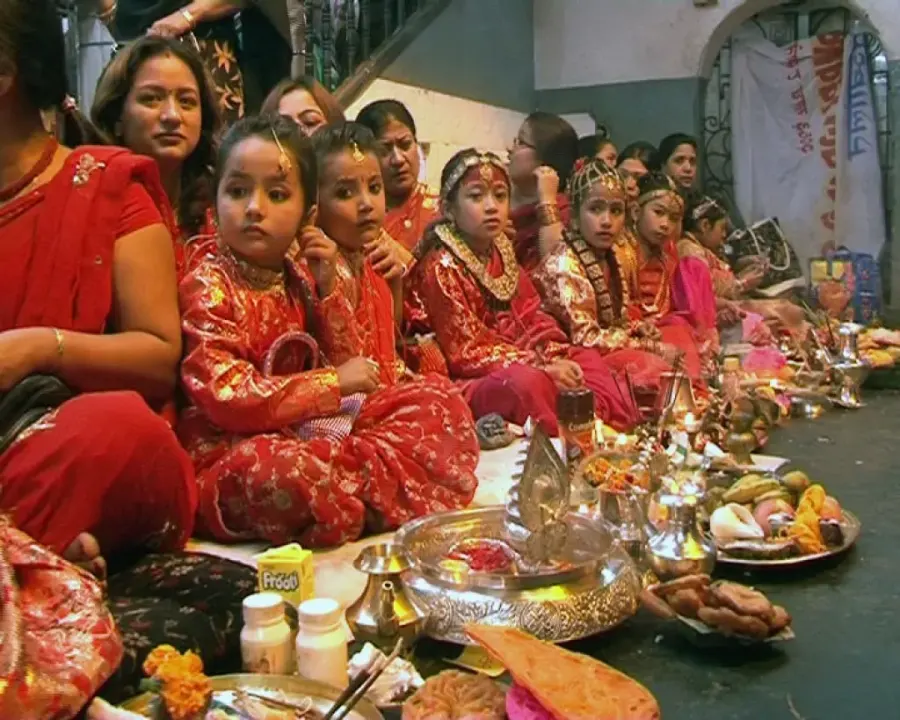
The fruit is the bridegroom, which symbolizes the eternal bachelor Lord Kumar, the son of Lord Shiva, and the marriage makes sure that the girl becomes and remains fertile. Once married to bel and sun, a girl can never be a widow.
Living Goddess
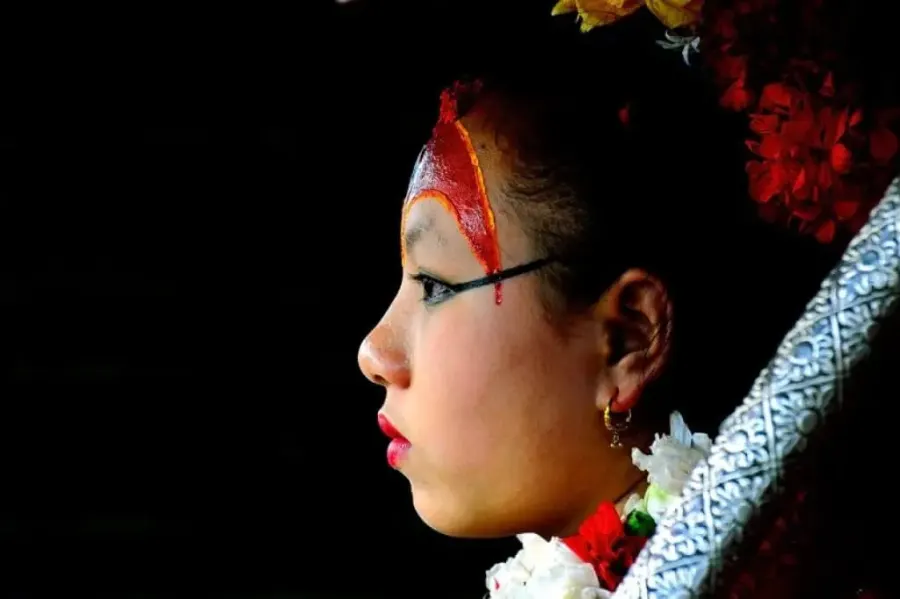
Yes, living goddess alive and real. In Nepal, you can see Kumari (the living goddess). This extraordinary culture is a perfect example of peaceful co-existence of religions which Nepal is known for. Nepalese believe Kumari as the manifestation of Lord Durga (Taleju Bhawani) in the body of a pure prepubescent girl. She is worshipped as Kumari until she suffers some kind of injury or illness or until her first period.
Collecting Yarshagumba (Cordyceps)
Yarshagumba (Cordyceps Sinensis) is a rare herbal medicine to cure deadly diseases like cancer. Cordyceps Sinesis literally means plant in summer and insect in winter in Tibetan. Before the rainy season begins, spores of the cordyceps mushroom feed on the heads of caterpillars’ that lives underground. The fungus later grows out through the head of the caterpillar and drains all the energy from the insect until it dies. Creepy right?
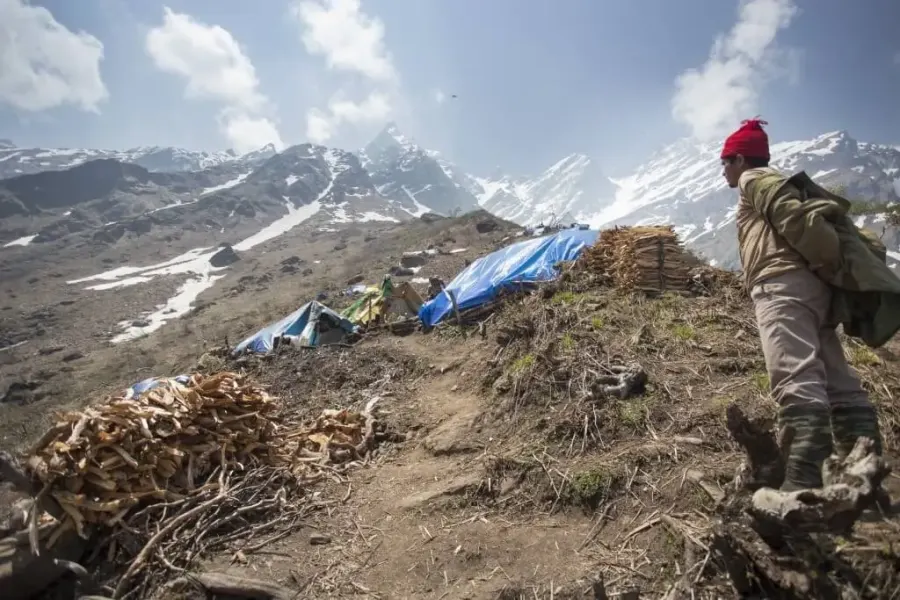
Yarshagumba is not cultivated, it grows naturally on government land as well as inside national parks of Nepal. And the most interesting part is, during the Yarshagumba growth time, even the schools and colleges in the region are shut down as the students and teachers move to the higher hills in search of this rare medicinal plant. Imagine how important this herb is!
Related Package: Khaptad National Park trek,Saipal Himal Expedition
Did you know about any of these weirdest things in Nepal? Did we miss any? Comment in the box below and let us know.
A Time Zone 15 Minutes From Everyone Else
Nepal runs on GMT+5:45, one of only two quarter-hour time zones in regular use on Earth. The 15-minute offset from India is a deliberate marker of independence, and it reliably wrecks the first day of every new arrival's calendar. Set your watch at the border and double-check your flight times.
The Calendar Says 2083
Nepal's official calendar, the Bikram Sambat, runs about 57 years ahead of the Gregorian one, so 2026 in your passport is 2082-2083 on every Nepali document, newspaper, and public holiday list. The new year arrives in mid-April with the chariot-battling Bisket Jatra festival in Bhaktapur, and yes, every Nepali keeps two dates in their head at all times.
Honey Hunting on Cliffs
Twice a year in the foothills, Gurung honey hunters descend bamboo rope ladders down sheer cliffs, through smoke and swarms of the world's largest honeybee (Apis laboriosa), to cut combs of wild honey, some of it the famous "mad honey" with mildly psychoactive properties from rhododendron nectar. It is one of the oldest and most dangerous harvest traditions on the planet, and it still happens within a few days' walk of Pokhara. Our article on Nepal's red honey tells the full story.
Cows Have Right of Way
The cow is Nepal's national animal and legally protected, so slaughtering one is a crime and beef is absent from traditional menus. The practical street-level consequence amuses every visitor: a cow asleep in the middle of a Kathmandu intersection simply redirects the traffic around it, indefinitely, and nobody honks at her twice.