Pashupatinath at dawn: shoot the ghats from the east bank between 30 minutes bef…
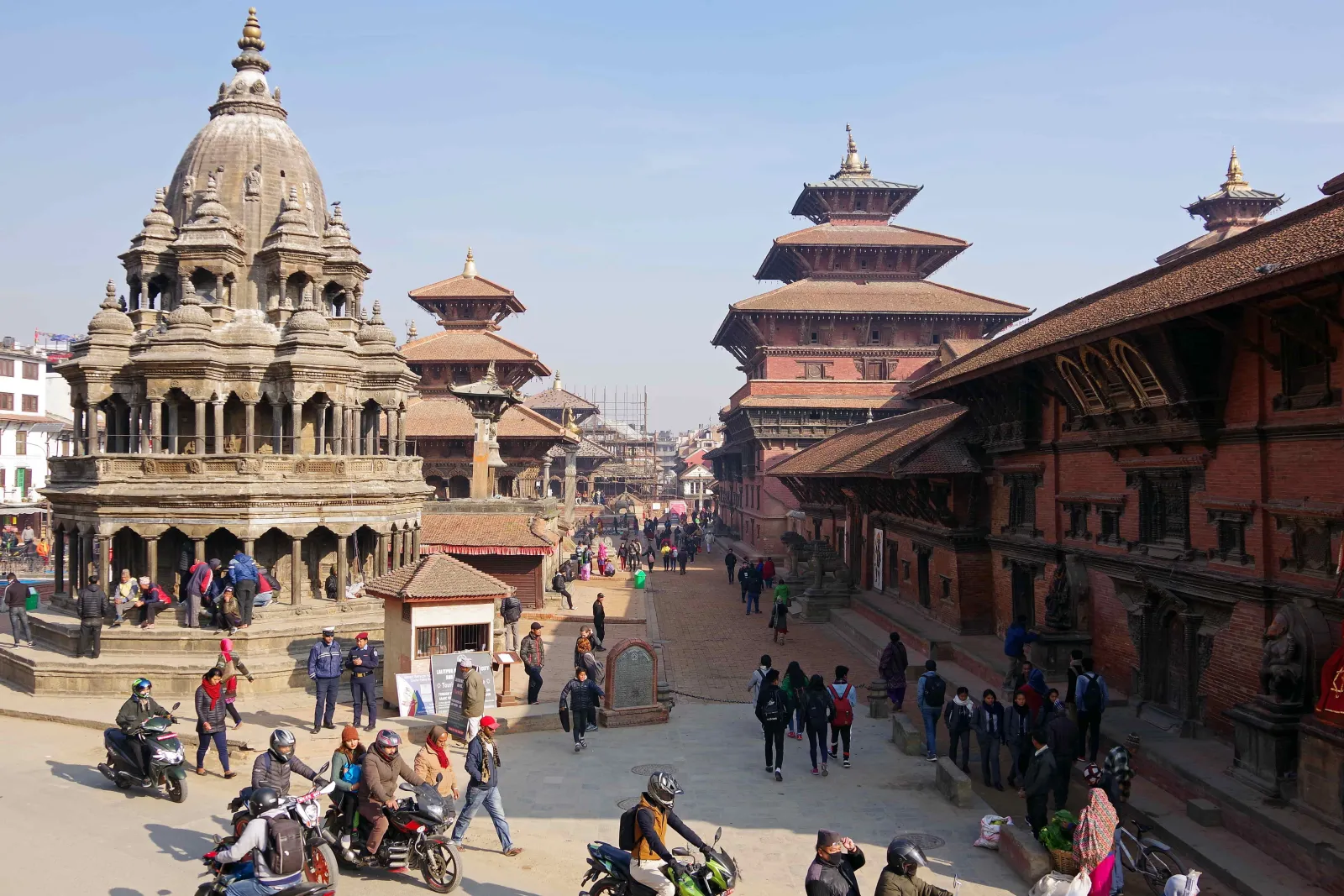
Pashupatinath at dawn: shoot the ghats from the east bank between 30 minutes before and 30 minutes after sunrise. ISO 400-800, f/5.6-8, expose to retain detail in shadows; a 70-200mm at f/5.6 isolates priests against smoke. White balance 3,200-3,800 K for warm firelight. Boudhanath blue hour: arrive 40 minutes before sunrise; 16-35mm or 24-70mm at f/8, ISO 1600-3200, 4,200-4,800 K to preserve the electric-lamp colour. Swayambhunath golden hour: shoot from the east stupa steps with a wide zoom (24mm-ish) for the KTM basin below; also work the prayer-wheel corridor at f/2-2.8 for subject-isolation bokeh, ISO 800.
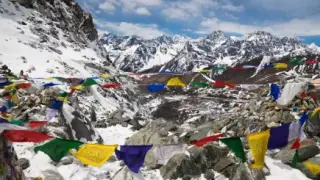
Bhaktapur Potters' Square: ISO 400, 85-135mm at f/4-5.6 for environmental portraits; shoot facing west in the late afternoon for front-lit faces. Nagarkot Himalayan panorama: a 70-200mm or 100-400mm at f/8 at civil twilight (about 20 minutes before sunrise) resolves the full arc Dhaulagiri-Everest; ISO 400, white balance 5,500-6,000 K. Sarangkot: identical approach to Nagarkot but a shorter lens (50-100mm focal length) works because the Annapurna massif is closer. Phewa Lake: shoot the Fishtail Mountain reflection in the first 30 minutes of blue hour; a tripod, 24-70mm, ISO 200-400, and a circular polariser reduce glare and deepen the reflection.