
ACTIVITY

Cultural Tours

Three civilisations in one valley

Tibetan Buddhism, Indian Hinduism and older indigenous traditions have been layering in Nepal for 2,000 years. Seven of the country's ten UNESCO sites sit within 20 km of each other, and the Buddha was born a day's drive south.
10UNESCO sites
2,500+ yearsContinuous civilisation
126Ethnic groups
123Languages spoken
View all trips
Cultural Tours
About this activity

Where the Buddha Was Born and the Pagoda Was Invented

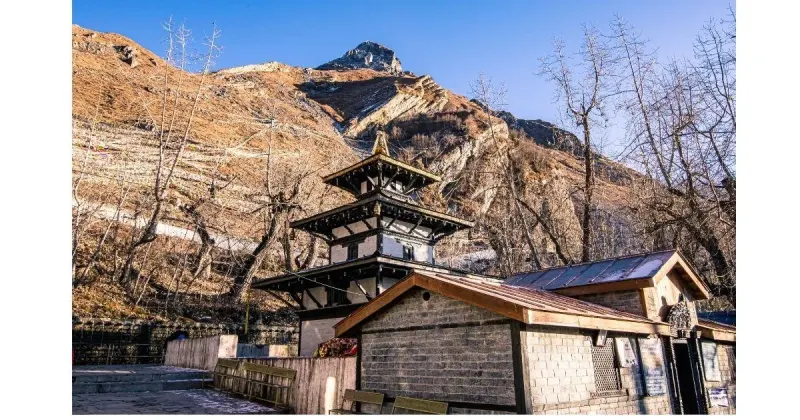
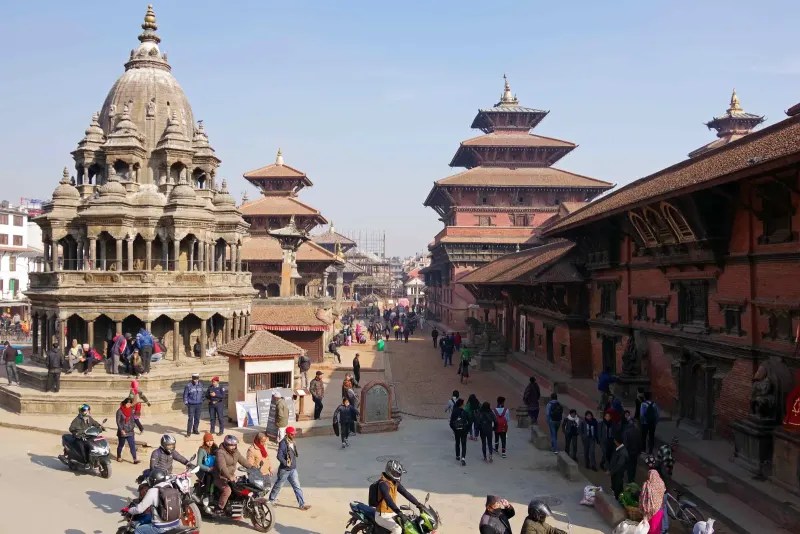
Lumbini, in the southern lowlands, is where Queen Maya Devi gave birth to Siddhartha Gautama around 563 BC, making it one of the four holiest sites in Buddhism. It has been a UNESCO World Heritage Site since 1997. That is the fact most visitors know. The one they usually don't is that the tiered pagoda, the building most people picture when they think of East Asian temples, was invented in the Kathmandu Valley by Newar craftsmen.

Araniko led a delegation of Newar artisans to the court of Kublai Khan in the 13th century and built the white stupa at Miaoying temple in Beijing, which still stands. The style travelled from Nepal outward, not inward. Nepal holds 10 UNESCO World Heritage Sites in total: seven inside the Kathmandu Valley, plus Lumbini, Sagarmatha and Chitwan. Seven within a 20 km radius is the densest concentration in South Asia.

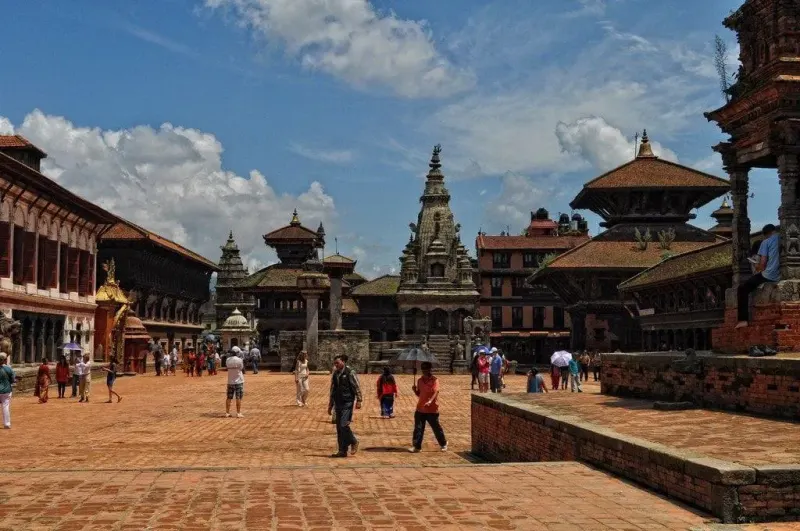
A Nepal cultural circuit needs 7 to 10 days: enough to cover the valley properly and reaches Lumbini, which most itineraries rush or skip. Bhaktapur deserves a full day rather than the standard two hours, and Patan has recovered from the 2015 earthquake further than Kathmandu's own Durbar Square, which is still partly scaffolded. The Kathmandu Valley page covers the seven sites in detail, and spiritual journeys go deeper on the pilgrimage side.

Lumbini, the Buddha's birthplaceOne of Buddhism's four holiest sites, UNESCO-listed since 1997.
The pagoda started hereNewar craftsmen invented the tiered form. Araniko took it to Kublai Khan's court in the 13th century.
The living goddessThe Kumari is a young Newar girl worshipped as an incarnation of Taleju, and she still appears at Indra Jatra.
Three royal citiesKathmandu, Patan and Bhaktapur were each a separate Malla capital, which is why each has its own Durbar Square.
Cultural Tours
Featured peaks

Featured cultural tours sites

#NameAltitudeRegionLevelPermit
01
Pashupatinath Temple
Kathmandu
1,360mKathmanduTrekking PeakFree
02
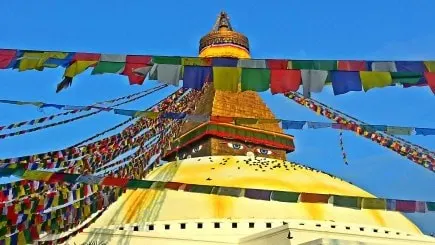
Boudhanath Stupa
Kathmandu
1,400mKathmanduTrekking Peak$5
03
Swayambhunath
Kathmandu
1,540mKathmanduTrekking Peak$2
04
Bhaktapur Durbar Square
Kathmandu Valley
1,400mKathmandu ValleyTrekking Peak$18
05
Lumbini
Rupandehi
150mRupandehiTrekking PeakFree
06
Patan Durbar Square
Kathmandu Valley
1,350mKathmandu ValleyTrekking Peak$10
Planning

Best season & permits

When to go

Jan
Feb
Mar
Apr
May
Jun
Jul
Aug
Sep
Oct
Nov
Dec
Prime Good Not recommended
Autumn (Sep–Nov) is festival season, with Indra Jatra, Dashain and Tihar falling in it, and the clearest air of the year. Spring (Mar–May) is warm and comfortable. Avoid the heavy monsoon of July and August, which turns Bhaktapur's earthen streets to mud.

Permits

  • Kathmandu Durbar Square
    Foreign entry fee, valid for the day
    $10
  • Bhaktapur Durbar Square
    The highest of the three, and includes museum access
    $18
  • Patan Durbar Square
    Includes the Patan Museum, the best in the country
    $10
  • Lumbini Sacred Garden
    Free to enter. The Maya Devi Temple charges separately.
    Free
Good to know

Cultural Tours questions, answered

How many UNESCO World Heritage Sites does Nepal have?
Ten. Seven are inside the Kathmandu Valley and were inscribed together in 1979: the Durbar Squares of Kathmandu, Patan and Bhaktapur, the Hindu temple at Pashupatinath, the stupas at Boudhanath and Swayambhunath, and the Changunarayan temple complex. The other three are Lumbini, Sagarmatha National Park and Chitwan National Park.
Is Lumbini worth the trip from Kathmandu?
If Buddhism is any part of why you came, yes. It is where the Buddha was born, one of the four great pilgrimage sites, and it is quiet in a way the Kathmandu Valley is not. Be honest about the logistics though: it is in the southern lowlands, roughly 300 km from Kathmandu, so it means a short flight to Bhairahawa or the better part of a day on the road. Itineraries that promise Lumbini as a day trip are not being realistic.
How many days do you need for a cultural tour of Nepal?
Seven to ten to do it properly. Two days covers the Kathmandu Valley essentials, a third does Bhaktapur without rushing, and Lumbini needs two including travel. Add Pokhara or Chitwan and you are at ten. A three-day whistle-stop of the valley is possible, but you will see the squares and none of the life in them.
Has Kathmandu recovered from the 2015 earthquake?
Unevenly, and it is worth knowing before you arrive. Patan and Bhaktapur Durbar Squares read as complete. Kathmandu Durbar Square still has scaffolding and gaps where temples stood. Boudhanath was fully rebuilt and rededicated in 2016. The visitor infrastructure has been normal for years; it is the monuments that are still catching up.
Do I need to pay to enter the Durbar Squares?
Yes, each charges a foreign entry fee, and they differ: Bhaktapur is the most expensive and includes museum access, Patan includes the Patan Museum which is the best in the country, and Kathmandu is cheaper. Pashupatinath's grounds are open to everyone but the inner temple is Hindu-only. Fees are set in Nepali rupees and revised periodically, so treat any dollar figure as approximate.
What is the Kumari?
A pre-pubescent Newar girl worshipped as a living incarnation of the goddess Taleju. She is selected as a small child, lives in the Kumari Ghar beside Kathmandu Durbar Square, and returns to ordinary life at puberty. She appears publicly only a handful of times a year, most notably during Indra Jatra in September. You may glimpse her at a window; photographing her is not permitted.
When is the best time for a cultural tour?
Autumn, September to November, without much competition. The air is at its clearest after the monsoon and it is festival season: Indra Jatra in September, then Dashain and Tihar. Those are not staged for tourists, which is the point. Spring, March to May, is warm and comfortable but hazier. Avoid July and August, when Bhaktapur's brick streets turn to mud.