ACTIVITY

Adventure Sports

Bungee, rafting, paragliding

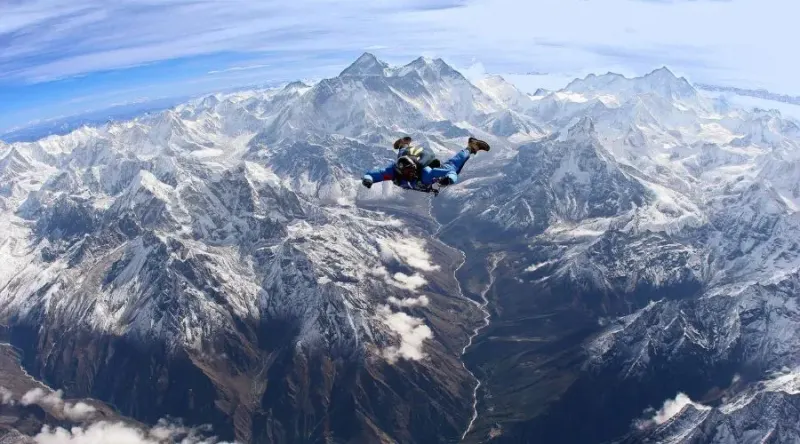
Nepal drops from 8,849 m to near sea level in under 200 km. That gradient is what gives it the rivers, the thermals and the gorges, and it means you can jump, fly and raft inside one week.

160mBungee height
10+Rafting rivers
Pokhara, BandipurParagliding sites
View all trips
Adventure Sports
ADVENTURE SPORTS TRIPS

All Adventure Sports trips

6 hand-crafted adventure sports itineraries, from short tasters to multi-week expeditions.

About this activity

What the Gradient Gives You

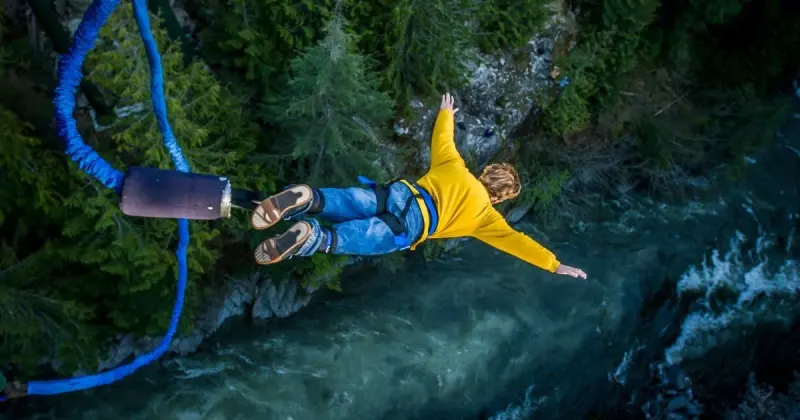
Eight peaks above 8,000 m meet tropical lowlands in less than 200 km, and Nepal's terrain does the rest. Everything here follows from that drop: rivers with real gradient, reliable thermals off the ridges, and gorges deep enough to jump into. The Bhote Koshi bungee is a 160 m fall from a suspension bridge over a gorge, about three hours from Kathmandu, and among the highest commercial jumps anywhere.

The Sun Koshi is the serious one. It runs 270 km through eastern Nepal over roughly nine days of Class III to IV water, and it is regularly listed among the world's best river expeditions. Shorter trips on the Trishuli and Bhote Koshi work as two-day add-ons. Paragliding at Pokhara launches from Sarangkot at 1,592 m with the Annapurnas across the valley and Phewa Lake below, and it is one of the most consistent flying sites in Asia.

Tandem paragliding, bungee and commercially rafted rivers are all guided, so none of it requires experience. That is worth saying plainly. What they do require is an operator who maintains gear and carries real insurance, because Nepal's safety regulation is thinner than the marketing suggests. Ask who underwrites the operator and when the equipment was last replaced. A week is enough to stack a jump, a flight and a river; Pokhara is the base for most of it.

Bhote Koshi bungeeA 160 m fall from a gorge bridge, roughly three hours from Kathmandu. Among the highest commercial jumps in the world.
Sun Koshi270 km of Class III–IV water over about nine days, through eastern Nepal.
Pokhara paraglidingTandem flights of around 30 minutes off Sarangkot (1,592 m), over Phewa Lake with the Annapurnas opposite.
No experience neededAll of it is guided and tandem where it matters. Choose the operator on gear and insurance, not price.
Adventure Sports
Featured peaks

Featured adventure sports sites

#NameAltitudeRegionLevelPermit
01
Bhote Koshi Bungee
Sindhupalchok
160m dropSindhupalchokTechnical$135
02
Sun Koshi Rafting
Eastern Nepal
270 km, 9 daysEastern NepalExpeditionPackage
03
Pokhara Paragliding
Pokhara
Sarangkot launch 1,592mPokharaTrekking Peak$80–$120
04
Trishuli Rafting
Central Nepal
Class II–IIICentral NepalTrekking Peak$30/day
05
Kalinchowk Zip Line
Dolakha
1.8 km cableDolakhaTrekking Peak$25
06
Phewa Lake Kayak
Pokhara
BeginnerPokharaTrekking PeakHourly rental
Planning

Best season & permits

When to go

Jan
Feb
Mar
Apr
May
Jun
Jul
Aug
Sep
Oct
Nov
Dec
Prime Good Not recommended
Autumn (Oct–Nov) is prime for all of it: stable weather, clean thermals for flying and rivers at their best level after the monsoon. Spring (Mar–May) is the second window. The monsoon swells rivers past safe commercial limits and grounds paragliders.

Permits

  • Bungee Jumping
    Single jump, includes T-shirt and transport
    $135
  • Paragliding (tandem)
    30-minute Pokhara flight with certified pilot
    $80–$120
  • Rafting Day Trip
    Trishuli or Bhote Koshi, all equipment included
    $40–$80
  • Multi-Day Rafting
    Sun Koshi or Karnali, 5+ days, expedition style
    $80–$120/day
Good to know

Adventure Sports questions, answered

Do I need experience for any of this?
No. Paragliding is flown tandem with a pilot, the bungee is operated for you, and commercial rafting puts a guide in every boat. The Sun Koshi is the one exception worth flagging: nine days of Class III to IV water is committing, and while you don't need prior rafting experience, you do need to be a confident swimmer and comfortable being cold and wet for a week.
Is adventure sport in Nepal safe?
It can be, and the honest answer is that it depends entirely on the operator. Nepal's regulatory oversight is lighter than the marketing implies, so the burden is on you to check. The good operators carry insurance underwritten by European companies, replace gear on fixed rotation rather than when it fails, and will tell you the age of the equipment if you ask. The cheap ones cut exactly those corners. Pokhara's flying site has a strong record helped by stable thermals and a big open landing zone.
How high is the Bhote Koshi bungee?
160 m, from a suspension bridge over the Bhote Koshi gorge, about three hours' drive from Kathmandu. It is among the highest commercial jumps in the world. The same site runs a canyon swing, which many people find more frightening than the jump because the free fall is longer.
When can you raft in Nepal?
The season follows the water. September to November is prime: the monsoon has topped the rivers up and the level drops steadily into clear, powerful water. March to May is lower and warmer. During the June to August monsoon the rivers swell well past safe commercial limits and the good operators simply stop running, which is the correct decision even though some don't.
How long is a paragliding flight in Pokhara?
A standard tandem flight is about 30 minutes from Sarangkot, landing by Phewa Lake. Longer cross-country flights are available if the thermals cooperate. Fly early: the air is smoothest in the morning, and by afternoon both the thermals and the haze build. Flights are cancelled during the monsoon.
Can I combine adventure sports with a trek?
Easily, and most people do. The rivers and the flying are around Pokhara and the Kathmandu road, which is exactly where treks start and finish. A common shape is to trek first, then spend the last few days jumping and flying while your legs recover. A week covers a jump, a flight and a short raft without rushing.
When is the best season for adventure sports?
October and November for everything at once: stable weather, clean thermals for flying, and rivers at their best level after the monsoon. March to May is the second window. The monsoon grounds paragliders and pushes the rivers above safe limits, so June to August is the one stretch to avoid.