

Mustang Region
Former Kingdom of Lo, Gandaki Province
Upper Mustang was a forbidden kingdom until 1992 and kept its own monarchy until 2008. It sits in the rain shadow behind Annapurna and Dhaulagiri, which makes it the one major Nepal trek that works through the monsoon.
Trips Starting from Mustang Region
Hand-crafted itineraries that start in Mustang Region, from a single sunrise day-trip to multi-week Himalayan expeditions.
Upper Mustang
16 daysFrom $2,399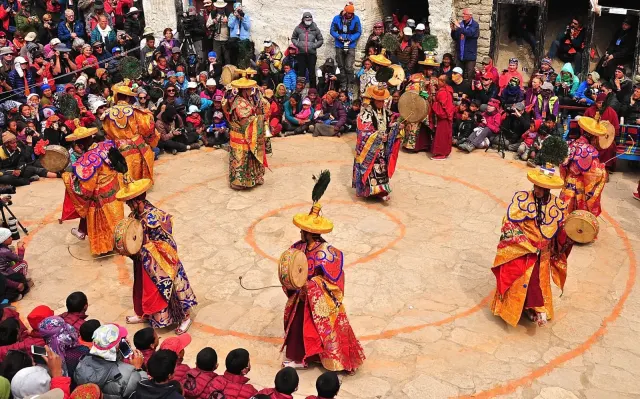
Upper Mustang-Tiji Festival
18 daysFrom $2,525.webp)
Karma Trek
32 daysFrom $4,000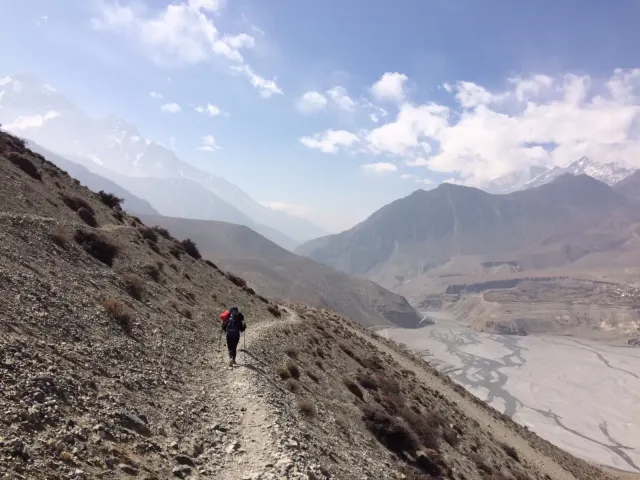
Jomsom Muktinath Trek
14 daysFrom $1,900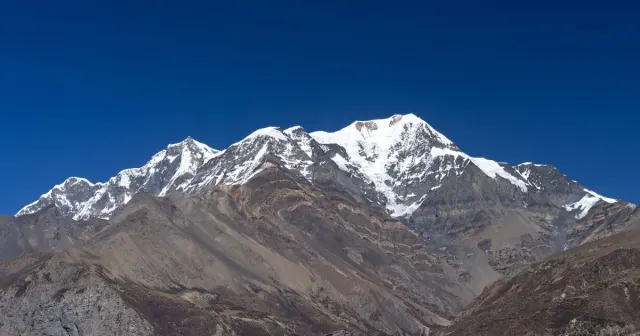
Pisang Peak Climbing
18 daysFrom $2,095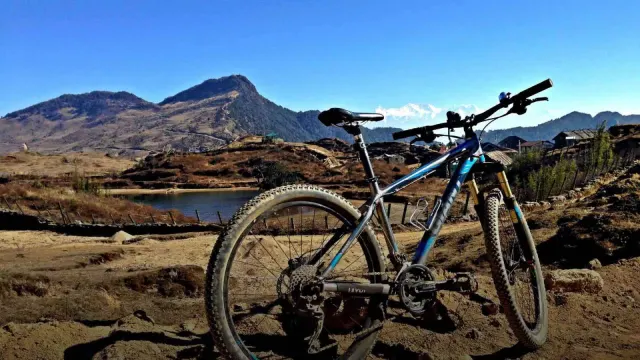
Easy Upper Mustang Mountain Biking
14 daysFrom $2,650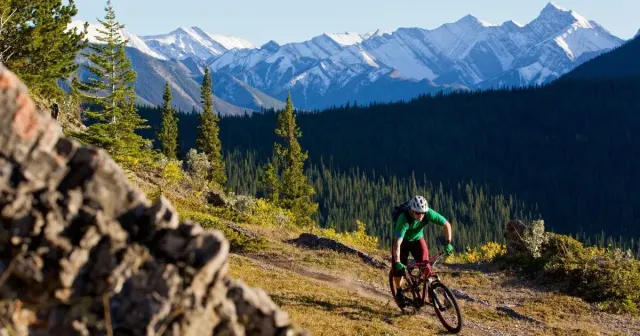
Mountain Biking in Mustang
17 daysFrom $3,250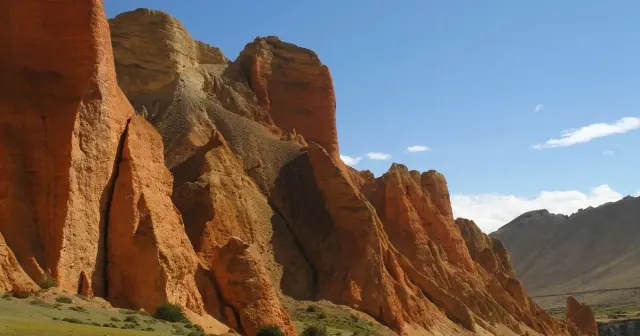
Teri La Pass Trek
23 daysFrom $4,120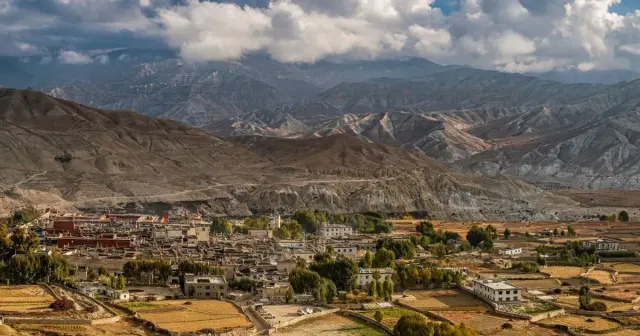
Saribung Pass Trek
26 daysFrom $3,750
10 Days Upper Mustang
10 daysFrom $1,600
Muktinath Tour
5 daysFrom $927
The Walled City of Lo Manthang
Lo Manthang is a walled settlement at 3,840 m that served as the capital of the Kingdom of Lo, founded by Ame Pal in 1380. Mustang stayed a distinct monarchy inside Nepal until 2008, when the republic formally ended the royal title; Jigme Dorje Palbar Bista, the last king, died in 2016. The district was closed to foreigners entirely until 1992, and it remains a restricted area today, which is why the culture survived so intact.
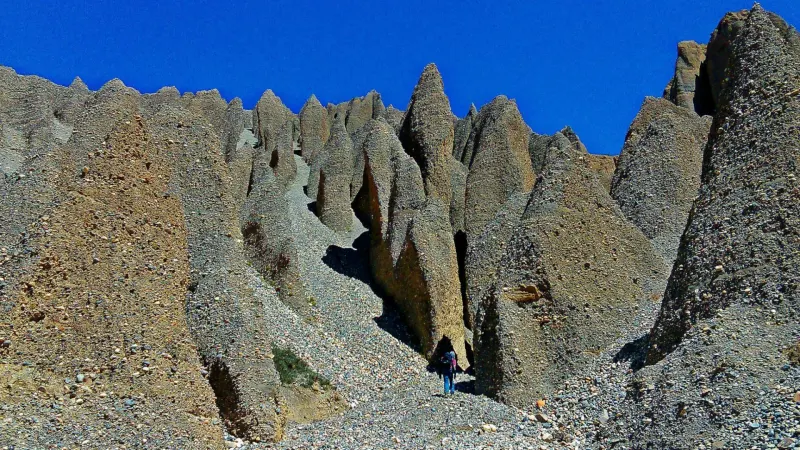
Geography is what makes Mustang look nothing like the rest of Nepal. The district lies in the rain shadow north of the Annapurna and Dhaulagiri massifs, so the monsoon that soaks the rest of the country largely misses it. The result is an arid, ochre and grey plateau of eroded cliffs, cut by the Kali Gandaki, that reads as Tibetan rather than Himalayan. The gorge itself, measured between Annapurna I and Dhaulagiri, is among the deepest on the planet. Sky caves are dug into the cliffs by the thousand, some 3,000 years old, and many are still unexcavated.
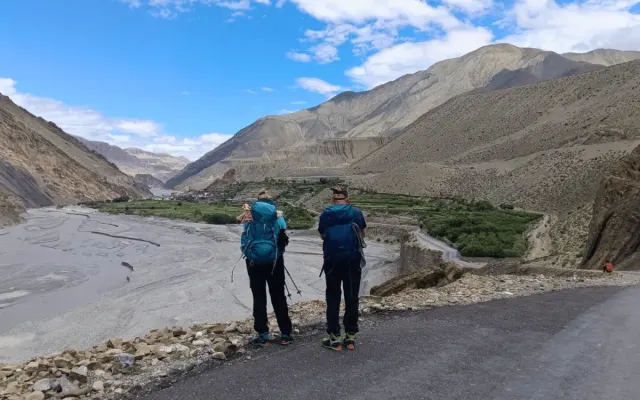
Most trips to Upper Mustang run 10 to 16 days. The Upper Mustang Trek walks north from Jomsom through Kagbeni and Ghami to Lo Manthang, and increasingly uses jeep sections where the road now runs. The Tiji festival trek times arrival for the three-day monastic dance held at Lo Manthang each May, which is the single best reason to go. If Upper Mustang's permit cost is the obstacle, Jomsom and Muktinath sit in Lower Mustang and need only the standard ACAP permit.
Things to do in Mustang Region
Standout experiences hand-picked by our local guides.
- 01Lo ManthangA walled capital at 3,840 m, founded 1380. Four storeys of royal palace and three major gompas inside the walls.
- 02Tiji FestivalThree days of masked monastic dance each May, staging the defeat of a demon. Book a year out.
- 03Sky CavesThousands of chambers cut into vertical cliffs, some 3,000 years old, holding burials and manuscripts.
- 04Kali Gandaki GorgeMeasured against Annapurna I and Dhaulagiri on either side, among the deepest gorges on Earth.
- 05MuktinathAt 3,800 m, sacred to Hindus and Buddhists. 108 spouts and a gas flame burning above water.
- 06Monsoon TrekkingThe rain shadow keeps Mustang walkable in July and August, when most of Nepal is closed in.
- 07Ghar GompaFounded in the 8th century, older than the kingdom itself, with Padmasambhava's rock paintings.
- 08Restricted AccessClosed until 1992 and permit-controlled since. Numbers stay low by design.
Best time to visit Mustang Region
Mustang inverts the Nepali calendar. Because it sits behind the rain shadow, June to August is genuinely good here, while winter closes the district with cold and wind rather than snowfall.
- ★ BEST SEASONSpringMarch – MayThe prime window, and Tiji falls in May. Clear, dry, and the trail reopens after winter. Afternoon wind up the Kali Gandaki is relentless from about 11am. Temperatures shown are Lo Manthang (3,840 m).2°C – 18°C
- GOODSummerJune – AugustThe rain shadow keeps Mustang dry while the rest of Nepal is under monsoon. Warm days, green barley terraces, and the only good high trekking in the country. Access flights to Jomsom can still be weather-delayed.8°C – 23°C
- ★ BEST SEASONAutumnSeptember – NovemberClear and stable, with the Yartung horse festival at the turn of the season. The most comfortable temperatures of the year.-2°C – 16°C
- MONSOONWinterDecember – FebruaryBitter and windy. Much of Lo Manthang's population migrates south to lower ground for the season, and many lodges close. Not recommended.-12°C – 7°C