

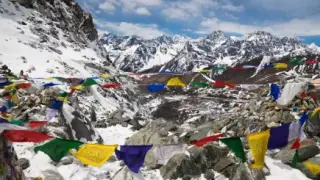

Annapurna Region
Gandaki Province, Western Nepal
Annapurna I was the first 8,000 m peak ever climbed, in 1950. The massif around it holds Nepal's two best-known trails, the Circuit and Base Camp, and drops from high desert at Thorong La to subtropical valley in a few days' walk.
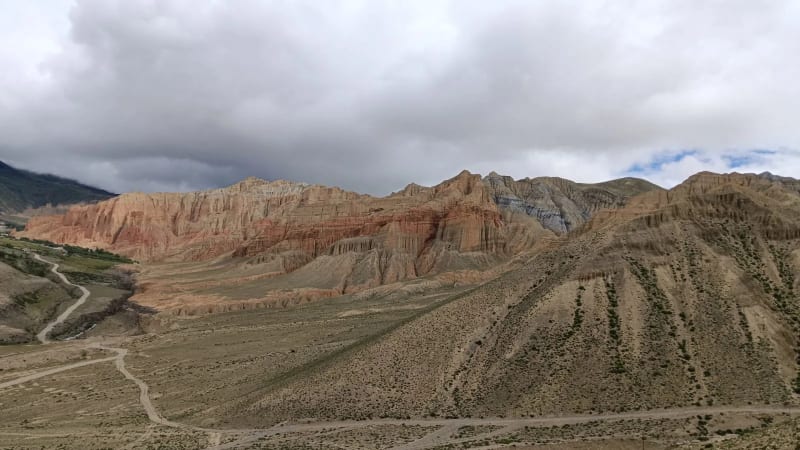
Trips Starting from Annapurna Region
Hand-crafted itineraries that start in Annapurna Region, from a single sunrise day-trip to multi-week Himalayan expeditions.
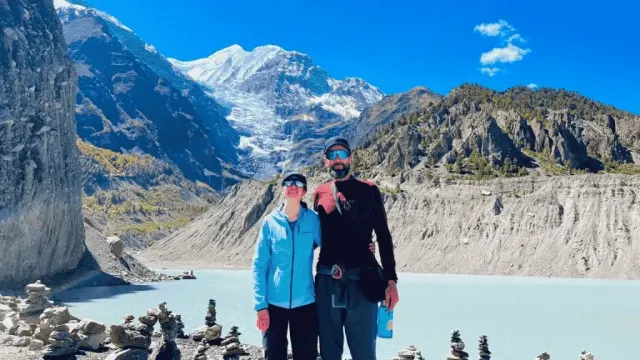
Annapurna Circuit Trek
14 daysFrom $1,230
Annapurna Base Camp Trek
14 daysFrom $1,000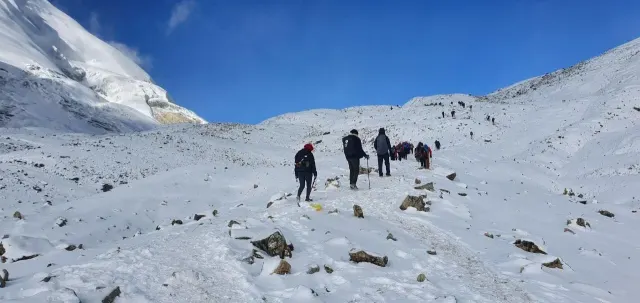
Annapurna Circuit with Tilicho Lake Trek
20 daysFrom $1,855.webp)
Nar Phu Valley Trek
19 daysFrom $2,150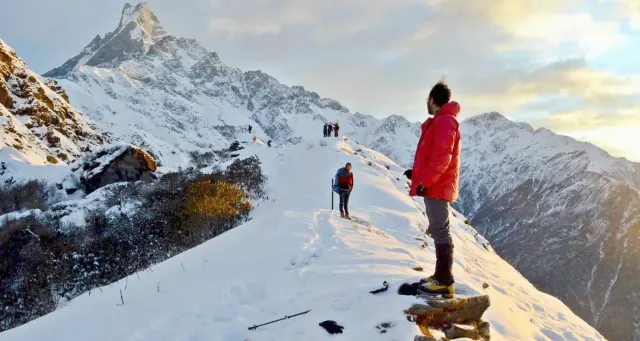
Mardi Himal Trek
11 daysFrom $1,030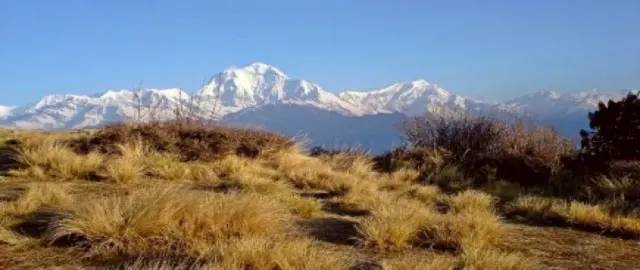
Annapurna Poonhill Trek
10 daysFrom $899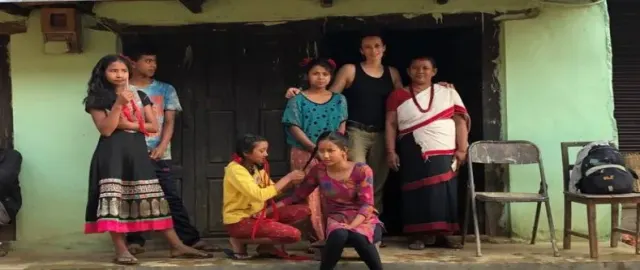
Millennium Trek
12 daysFrom $1,320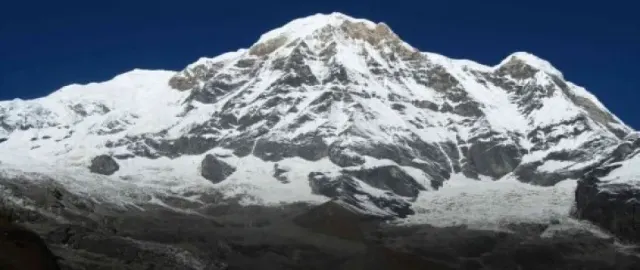
Annapurna I Expedition
48 daysFrom $18,000.webp)
Karma Trek
32 daysFrom $4,000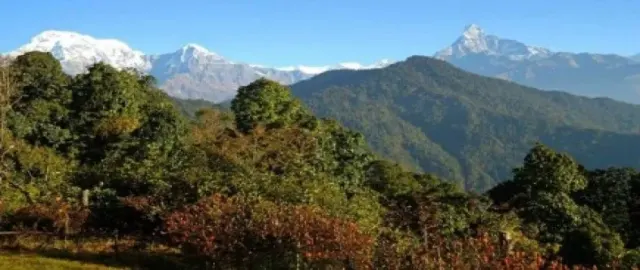
Royal Trek
9 daysFrom $1,380
Khopra Ridge Community Trek
14 daysFrom $1,450
Tent Peak Annapurna Trekking
19 daysFrom $1,850
Pisang Peak Climbing
18 daysFrom $2,095
Wild Honey Hunting in Nepal
9 daysFrom $1,350
Chulu East Peak Climbing
21 daysFrom $2,650
Dudh Pokhari Trek
17 daysFrom $2,100.webp)
Machhapuchhre Model Trek
13 daysFrom $1,330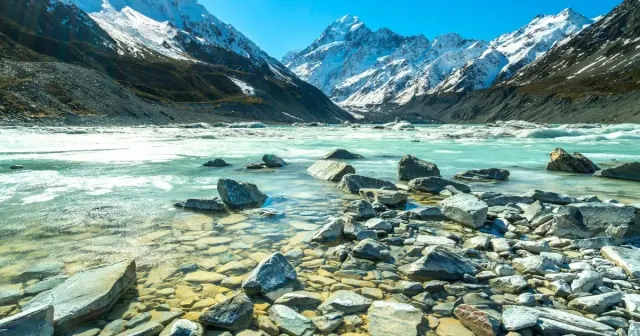
Hidden Lake and Glacier Trek
17 daysFrom $1,970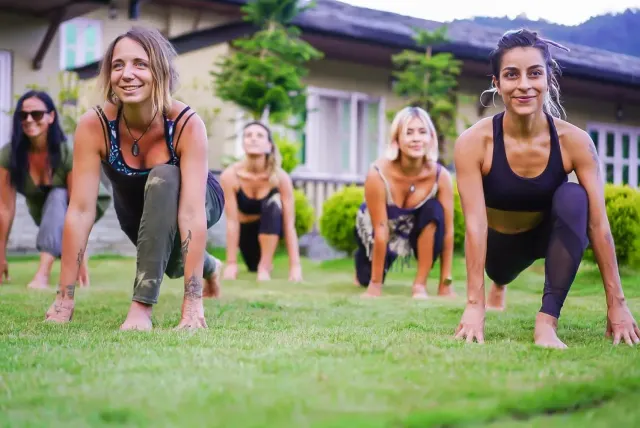
Poon Hill Sun Salutation Yoga Trek
10 daysFrom $1,250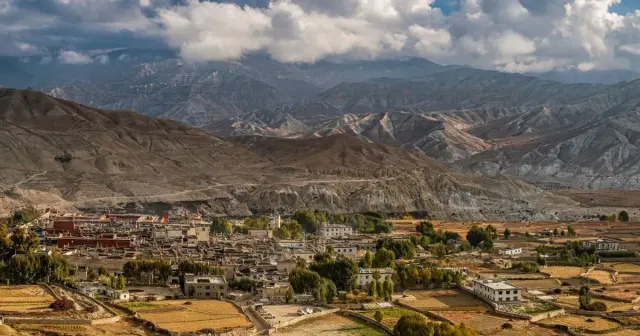
Saribung Pass Trek
26 daysFrom $3,750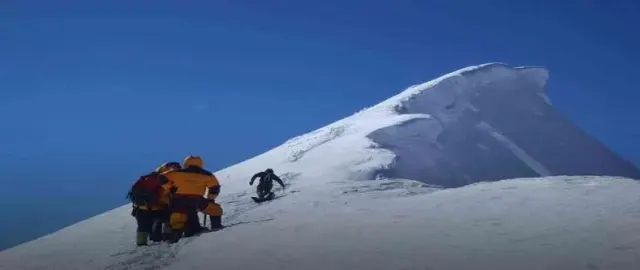
Himlung Himal Expedition
31 daysFrom $9,000
Thorong La Pass Trekking: 13 Days Annapurna Circuit Trek
13 daysFrom $1,150.webp)
8 Days- Annapurna Poonhill Trek
8 daysFrom $695
12 Days- Annapurna Base Camp Trek
12 daysFrom $1,045
7 days Annapurna base camp trek
7 daysFrom $565
Chulu West Peak Climbing
19 daysFrom $2,950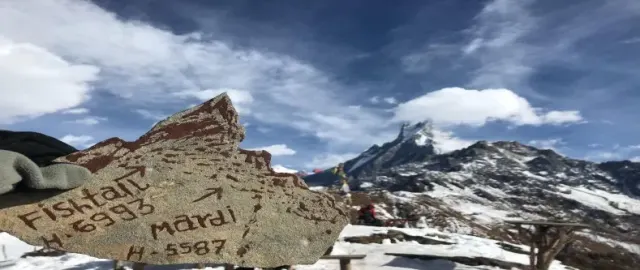
6 Days Mardi Himal Trek
6 daysFrom $550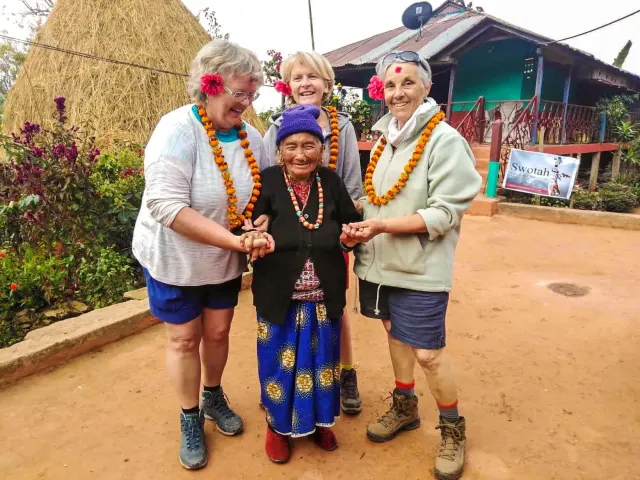
Millennium Homestay Trek
13 daysFrom $1,250
Mohare Danda Trek
11 daysFrom $1,300
Best of Nepal and Bhutan Tour
14 daysFrom $2,350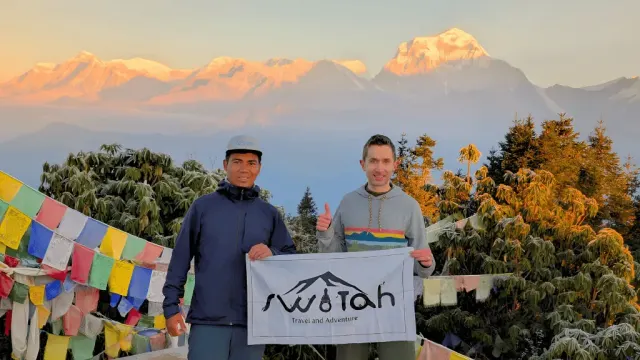
Poon Hill Trek
4 daysFrom $300Poon Hill Trek
4 daysFrom $300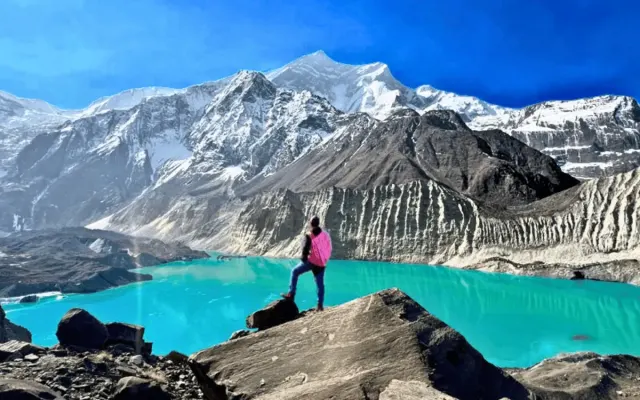
North Annapurna Base Camp Trek
14 daysFrom $1,650
The First 8,000-Metre Summit
Annapurna I is an 8,091 m peak in western Nepal and the first mountain above 8,000 m that anyone climbed. Maurice Herzog and Louis Lachenal reached the summit on 3 June 1950, three years before Everest, and both paid for it with frostbitten fingers and toes on the descent. The mountain still carries the highest fatality-to-summit ratio of any 8,000 m peak, which is why the trekking routes around it, and not the summit, are what draw people here.
The Annapurna Conservation Area covers 7,629 km², making it the largest protected area in Nepal. It runs from subtropical valley floor at around 800 m to the summit itself, and that spread is the point: 474 recorded bird species, 102 mammals, and villages belonging to Gurung, Magar, Thakali and Manangba communities. Six summits here pass 7,200 m. Machhapuchhre (6,993 m), the fishtail peak above Pokhara, is closed to climbing on religious grounds and has never been officially summited.
Which Annapurna trail suits you comes down to how many days you have. The Annapurna Circuit Trek crosses Thorong La at 5,416 m and passes through every climate zone Nepal has, though road building has now reached both ends of it and most itineraries jeep past the dullest sections. The Annapurna Base Camp Trek climbs into a glacial amphitheatre at 4,130 m ringed by peaks, and it is the better choice on a shorter budget of days. If you only have a week, the Poon Hill trek gets you a sunrise over Dhaulagiri and Annapurna South without going above 3,210 m.
Things to do in Annapurna Region
Standout experiences hand-picked by our local guides.
- 01Annapurna Base CampA glacial sanctuary at 4,130 m enclosed by ten peaks above 6,000 m. Seven to twelve days out of Pokhara.
- 02Thorong LaThe 5,416 m pass on the Circuit, crossed before dawn to beat the afternoon wind.
- 03Poon Hill SunriseA 3,210 m ridge with Dhaulagiri, Annapurna South and Machhapuchhre in one line. Nepal's best short trek.
- 04ManangA trans-Himalayan village at 3,540 m with its own dialect and a mountaineering school. The Circuit's acclimatisation stop.
- 05Tilicho LakeAt 4,919 m, among the highest lakes of its size anywhere. A side trip across genuine avalanche terrain.
- 06MuktinathSacred to Hindus and Buddhists both, at 3,800 m. 108 water spouts and a natural gas flame burning over water.
- 07Mardi HimalA quiet five to seven day ridge walk under Machhapuchhre, topping out near 4,500 m.
- 08Gurung VillagesGhandruk and Sikles, stone-built and terraced, home to the communities the Gurkha regiments recruited from.
Best time to visit Annapurna Region
October to November is the clearest window, and March to May brings the rhododendron out below 3,000 m. The Circuit's high crossing at Thorong La is the part that weather actually closes.
- ★ BEST SEASONSpringMarch – MayRhododendron forest in flower between 2,000 and 3,000 m, and long warm days. Haze builds through May and can flatten the distant peaks by afternoon. Temperatures shown are Chomrong (2,170 m).4°C – 18°C
- MONSOONSummerJune – AugustMonsoon on the south side, with leeches and cloud. Manang and Mustang sit in the rain shadow behind the main range, so the upper Circuit stays walkable when Base Camp does not.12°C – 24°C
- ★ BEST SEASONAutumnSeptember – NovemberThe clearest and busiest season. Thorong La is reliably open and the sanctuary at Base Camp is at its sharpest. Book Chomrong and Deurali lodges ahead in October.2°C – 16°C
- GOODWinterDecember – FebruaryFine for Poon Hill and the lower trails, which stay green and empty. Thorong La is frequently snowbound and the sanctuary carries avalanche risk after any heavy fall.-4°C – 11°C