


Langtang Valley
Rasuwa District, Central Nepal
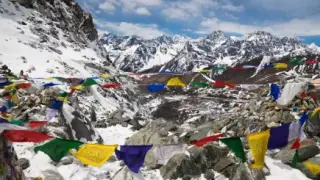
The closest Himalayan valley to Kathmandu, roughly 80 km north of the city and inside Nepal's first Himalayan national park. Langtang was destroyed by a landslide in the 2015 earthquake and rebuilt by the Tamang families who live there.
Trips Starting from Langtang Valley
Hand-crafted itineraries that start in Langtang Valley, from a single sunrise day-trip to multi-week Himalayan expeditions.
Langtang Valley Trek
16 daysFrom $1,215
Gosaikunda Trek
10 daysFrom $1,399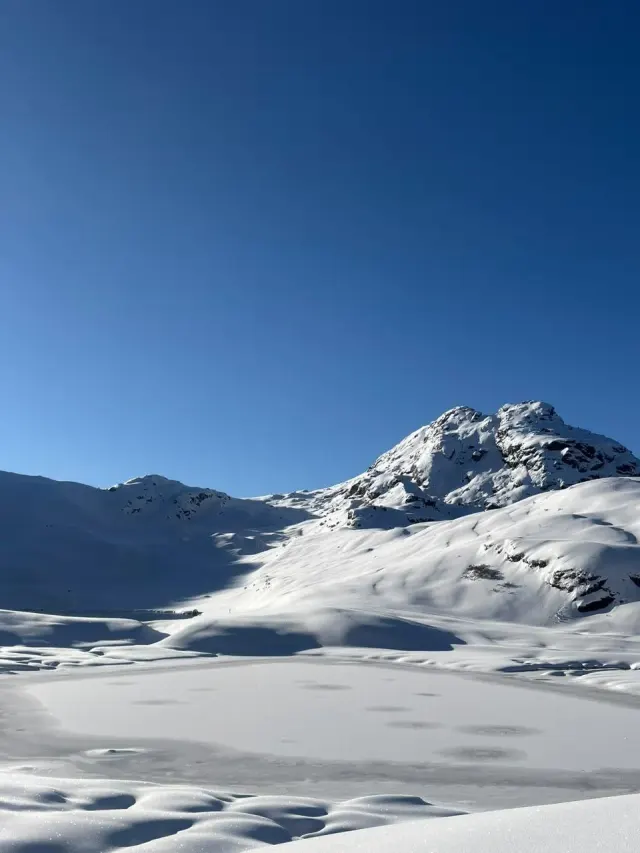
Panch Pokhari Trek
15 daysFrom $1,345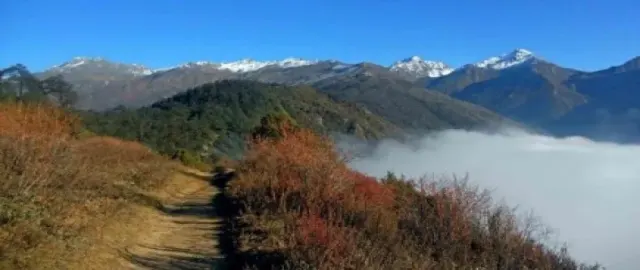
Tamang Heritage Trek
10 daysFrom $1,400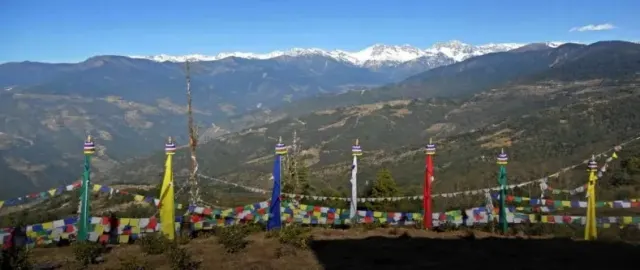
Helambu Valley Trek
10 daysFrom $1,500.webp)
Langtang Ganja La Pass Trekking
15 daysFrom $2,000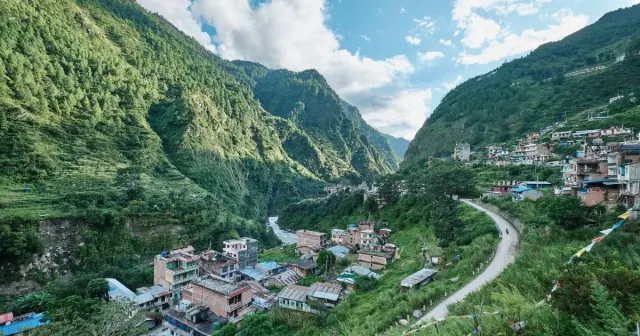
Yala Peak Climbing
14 daysFrom $1,825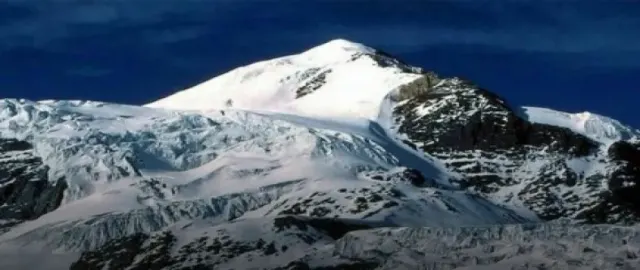
Naya Kanga Peak Climbing
16 daysFrom $1,925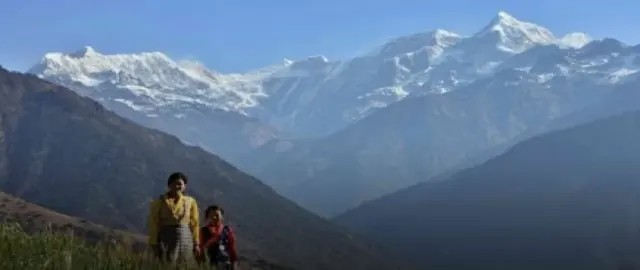
Numbur Cheese Circuit Trek
17 daysFrom $2,850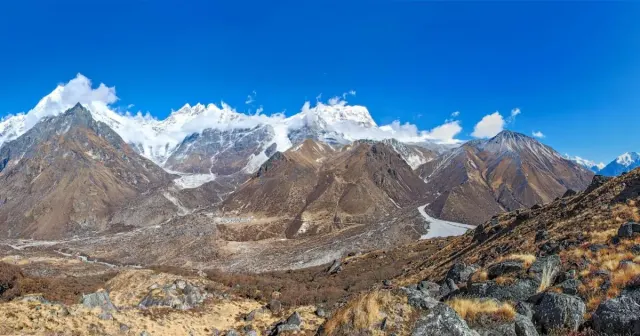
10 days- Langtang Valley Trek
10 daysFrom $730
The Valley That Rebuilt Itself
Langtang National Park was gazetted in 1976 as the first Himalayan national park in Nepal, and it covers 1,710 km² between the Kathmandu Valley and the Tibetan border. Langtang Lirung (7,227 m) is the high point. The valley floor sits close enough to Kathmandu that you can be walking under 7,000 m peaks on the same day you leave the city, which no other trek in Nepal offers.
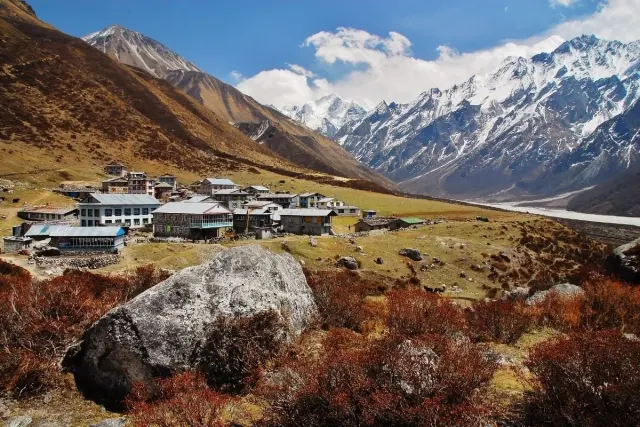
On 25 April 2015 the Gorkha earthquake triggered a rock and ice avalanche off Langtang Lirung that buried Langtang village completely. Somewhere between 240 and 310 people died there, depending on which count you use, and the debris field was estimated to carry the force of roughly half the Hiroshima bomb. The village standing today was rebuilt a short distance from the burial site, by the Tamang families who survived. A memorial mani wall marks the old ground. Guides who work the valley will tell you about it if you ask, and most visitors find that worth the asking.
Trekking in Langtang is shorter and lower than the Khumbu or Annapurna, which is the appeal. The Langtang Valley Trek runs about 7 to 10 days from Syabrubesi to Kyanjin Gompa at 3,870 m, with an optional climb up Kyanjin Ri (4,773 m) for the glacier view. Gosaikunda adds a chain of sacred alpine lakes at 4,380 m, and the Tamang Heritage Trail stays lower and puts the emphasis on villages, hot springs and the Tibetan-descended culture of the district.
Things to do in Langtang Valley
Standout experiences hand-picked by our local guides.
- 01Kyanjin GompaThe valley's last settlement at 3,870 m, with a working monastery and a yak-cheese factory started with Swiss help in the 1950s.
- 02Kyanjin RiA 4,773 m shoulder above the gompa. Two to three hours up for Langtang Lirung and the Langtang Glacier head-on.
- 03Langtang MemorialThe mani wall and inscribed stones marking the village buried on 25 April 2015.
- 04GosaikundaA chain of glacial lakes at 4,380 m, sacred to Shiva. Thousands of pilgrims arrive each August for Janai Purnima.
- 05Tamang Heritage TrailLower villages at Gatlang and Tatopani, hot springs, and Tamang households descended from Tibetan migrants.
- 06Red Panda CountryThe park holds red panda, Himalayan black bear and snow leopard. Sightings are rare; the rhododendron forest is not.
- 07Kathmandu AccessSix to seven hours by road to Syabrubesi. No mountain flight, so no flight cancellation.
- 08Ganja LaA technical 5,130 m pass linking Langtang to Helambu. Rope, crampons and a proper guide required.
Best time to visit Langtang Valley
October to November and March to May are the reliable windows. Langtang stays lower than the Khumbu, so its season stretches a little further into winter at the valley floor.
- ★ BEST SEASONSpringMarch – MayRhododendron and magnolia through the forest below Ghoda Tabela, and the warmest walking of the year. Temperatures shown are Langtang village (3,430 m).3°C – 17°C
- MONSOONSummerJune – AugustMonsoon cloud and leeches in the lower forest. Gosaikunda draws its largest pilgrimage of the year at Janai Purnima in August, which is a genuine reason to come despite the weather.10°C – 21°C
- ★ BEST SEASONAutumnSeptember – NovemberClear air, firm trail and open lodges all the way to Kyanjin. The best window for Kyanjin Ri and the glacier.-1°C – 15°C
- GOODWinterDecember – FebruaryCold and quiet, with snow above 3,000 m and some Kyanjin lodges closed. Gosaikunda and Ganja La are usually out of the question.-9°C – 9°C