


Pokhara
Gandaki Province, 822 m
Nepal's second city and the staging point for every Annapurna trek. Pokhara sits at 822 m on Phewa Lake, roughly 28 km from Annapurna I, which is the shortest distance from a city to an 8,000 m peak anywhere.
Trips Starting from Pokhara
Hand-crafted itineraries that start in Pokhara, from a single sunrise day-trip to multi-week Himalayan expeditions.
.webp)
Photography Tour in Nepal
10 daysFrom $1,099
Hidden Lake and Glacier Trek
17 daysFrom $1,970.webp)
Buddhism Circuit-Nepal
10 daysFrom $1,205.webp)
8 Days- Annapurna Poonhill Trek
8 daysFrom $695
Golden Circle Trip
10 daysFrom $1,085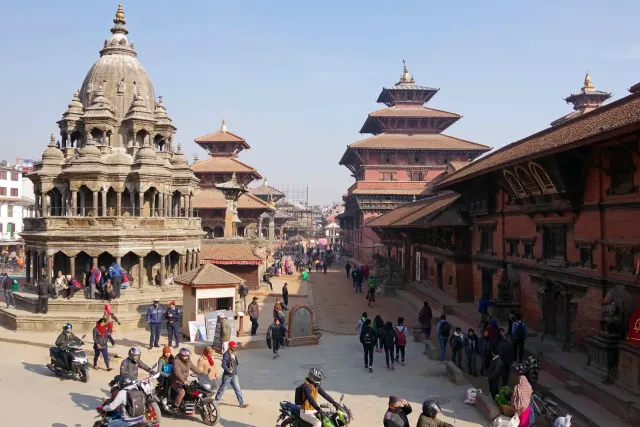
Silver Triangle Nepal
14 daysFrom $1,299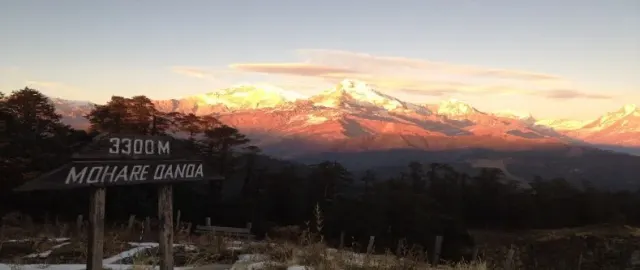
Mohare Danda Trek
11 daysFrom $1,300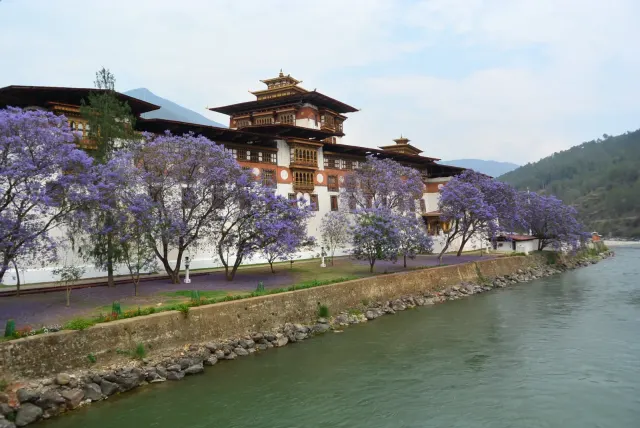
Best of Nepal, Bhutan and Tibet
21 daysFrom $3,450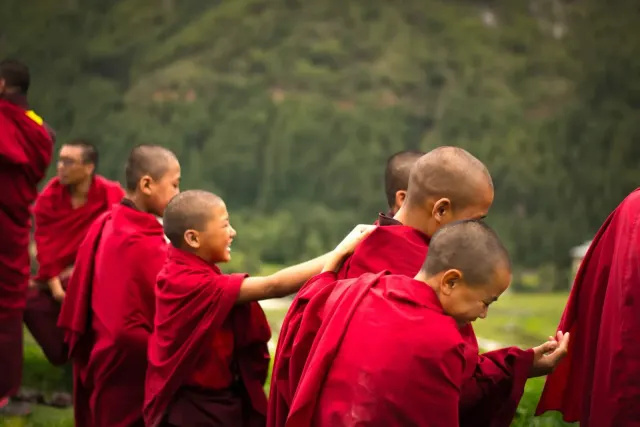
Best of Nepal and Bhutan Tour
14 daysFrom $2,350
Nepal and Bhutan Tour
13 daysFrom $2,300
The Lake Below the Fishtail
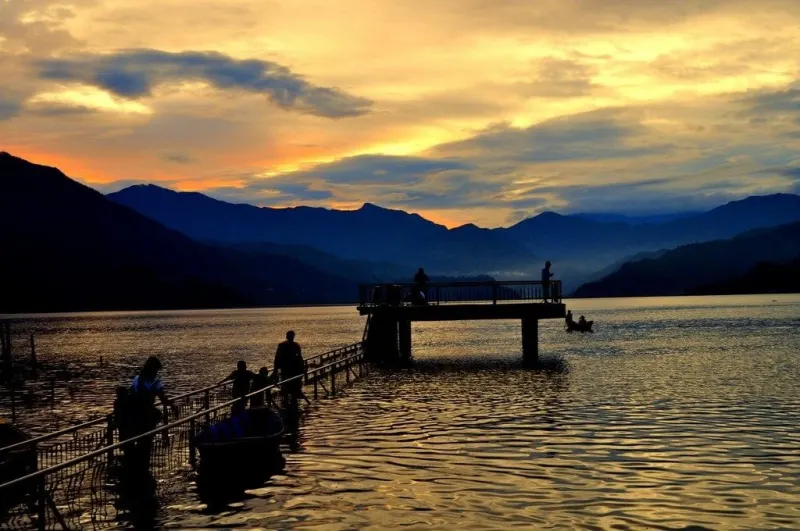
Pokhara is a city of about 600,000 people at 822 m in central Nepal, built along the eastern shore of Phewa Lake. What makes it unusual is the gradient behind it: Annapurna I (8,091 m) stands roughly 28 km away, so the ground rises more than seven vertical kilometres within a short horizontal distance. No other city on Earth sits that close to an 8,000 m mountain. On a clear morning the whole massif reflects in the lake.
Machhapuchhre (6,993 m) is the peak everyone photographs from the lakeside, and it has never been officially climbed. A 1957 British expedition under Jimmy Roberts got to within about 150 m of the top and turned around by agreement, and the mountain has been closed to climbing ever since on religious grounds. Roberts later settled in Pokhara and effectively invented commercial trekking in Nepal from here in 1965, which is why the city became the trailhead it is.
Most visitors use Pokhara as a base rather than a destination, and that is a reasonable way to treat it. Nearly every Annapurna trek starts and ends here, including the Annapurna Base Camp Trek and the Poon Hill trek. Between treks the city is where you take a rest day: paragliding off Sarangkot with the Himalaya as a backdrop, a boat across Phewa to the Tal Barahi temple, the World Peace Pagoda on the southern ridge, or the shorter Poon Hill itinerary if your days are short. Pokhara International Airport opened in 2023, though most international arrivals still route through Kathmandu.
Things to do in Pokhara
Standout experiences hand-picked by our local guides.
- 01Phewa LakeNepal's second-largest lake. Row across to Tal Barahi temple on its island, or watch the Annapurnas reflect at dawn.
- 02SarangkotA 1,592 m ridge above the city for sunrise over Dhaulagiri, Annapurna and Machhapuchhre. Nepal's main paragliding launch.
- 03MachhapuchhreThe 6,993 m fishtail, unclimbed and closed to climbing. Visible from most of the lakeside.
- 04World Peace PagodaA white stupa on the southern ridge, built by Japanese Buddhist monks. Forty minutes up from the lake.
- 05Annapurna TrailheadBase Camp, Poon Hill, Mardi Himal and the Circuit's western end all start from here.
- 06ParaglidingThirty-minute tandem flights off Sarangkot over the lake. Among the most reliable flying sites in Asia.
- 07Davis Falls and GupteshworA waterfall that vanishes into a sinkhole and the limestone cave system directly beneath it.
- 08International AirportOpened 2023. Most international travellers still connect via Kathmandu, 25 minutes by air.
Best time to visit Pokhara
Pokhara is a year-round city at 822 m, so the question is really mountain visibility. October and November give the sharpest views; the monsoon hides the peaks for weeks at a time.
- ★ BEST SEASONSpringMarch – MayWarm and green, with reliable paragliding. Haze thickens through May and can wash out the mountain line by afternoon, so fly early.16°C – 30°C
- MONSOONSummerJune – AugustPokhara takes the heaviest rainfall of any city in Nepal. The lake is full, the hills are green, and the Annapurnas are usually invisible for days on end.21°C – 31°C
- ★ BEST SEASONAutumnSeptember – NovemberThe best of the year. Post-monsoon air gives the sharpest mountain views and the lake reflections the city is known for, and every Annapurna trek is running.13°C – 28°C
- ★ BEST SEASONWinterDecember – FebruaryUnderrated. Cold mornings burn off into clear blue days with excellent visibility, and the lakeside is quiet. Fog can delay flights in and out.6°C – 20°C