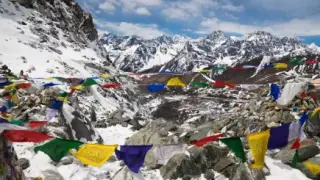
A 14-day Nepal culture and adventure circuit: Kathmandu's UNESCO heritage, Pokhara's lake and mountains, a Chitwan safari, and a sunrise from Nagarkot.
Duration
14 Days
Max Altitude
2,175 m / 7,136 ft
Difficulty
Moderate
Group Size
Max 7 trekkers
Region
Kathmandu Valley Treks, Nepal
Best Season
Spring · Autumn
Accommodation
3-star hotels in Kathmandu, Pokhara and Nagarkot; jungle lodge in Chitwan.
Meals
Breakfast daily; full board at Chitwan lodge. Nepali and international menus.
All dates are guaranteed departures — we never cancel for low numbers. Book online or send a quick enquiry.
YearMonth
6 departures · 2026
Oct
18
Oct 18, 2026 — Oct 31, 2026
Guaranteed departure — from 2 trekkers
Available
USD1,355
per person
Nov
1
Nov 1, 2026 — Nov 14, 2026
Guaranteed departure — from 2 trekkers
Available
USD1,355
per person
Nov
15
Nov 15, 2026 — Nov 28, 2026
Guaranteed departure — from 2 trekkers
Available
USD1,355
per person
Nov
29
Nov 29, 2026 — Dec 12, 2026
Guaranteed departure — from 2 trekkers
Available
USD1,355
per person
Dec
13
Dec 13, 2026 — Dec 26, 2026
Guaranteed departure — from 2 trekkers
Available
USD1,305
per person
Can’t find a suitable date? We run private departures on any date with as few as 2 trekkers.
Trip Overview
About the Silver Triangle Nepal
Silver Triangle Nepal is a 14-day culture and light adventure tour that covers the three corners of Nepal's most visited region: the Kathmandu Valley with its UNESCO World Heritage Sites, the lakeside city of Pokhara set against the Annapurna range, and Chitwan National Park in the Terai lowlands. The name refers to the triangle these three destinations form on the map, each offering a distinct experience that together give a complete picture of the country.
From Kathmandu the tour drives west to Pokhara, where several days allow time for the lake, the sunrise viewpoint at Sarangkot (1,592 m), optional activities such as paragliding and zip-lining, and the choice of a short Poon Hill trek or a Mardi Himal day hike through Gurung villages. The tour then drops south to Chitwan for jungle safaris in search of the one-horned rhinoceros and the Bengal tiger, before returning to Kathmandu through Nagarkot for a Himalayan sunrise and ending with a full day at the medieval cities of Bhaktapur and Patan.
The tour stays low, topping out around 1,592 m at Sarangkot and 2,175 m at Nagarkot, so no acclimatisation is needed and it suits all fitness levels. Most activities are optional or have easier alternatives, and the Pokhara middle section gives real flexibility. The sections below cover permits, the best season, accommodation, food and what to pack.
Last updated June 2026
Trip Highlights
Highlights
1
UNESCO World Heritage Sites across Kathmandu, Bhaktapur and Patan
2
Sunrise from Sarangkot (1,592 m) over the Annapurna range and Machhapuchhre
3
Paragliding over Phewa Lake or white-water rafting in the Pokhara region
4
Two-day Chitwan jungle safari for one-horned rhino and Bengal tiger
5
Himalayan sunrise panorama from Nagarkot ridge (2,175 m)
6
14 relaxed days covering culture, mountains, jungle and lake in one circuit
Day by Day
Silver Triangle Nepal Itinerary: 14 Days
Tap any day to expand — altitudes, walking times, meals, and overnight details for every stage of the journey.
A Swotah representative meets you at Tribhuvan International Airport and drives you through Kathmandu to your hotel. Kathmandu sits at 1,350 m in a broad valley ringed by hills, and the city's mix of medieval temples, honking traffic and Himalayan backdrop makes a strong first impression. After you check in and freshen up, your guide runs a welcome briefing covering the tour route, activity options and any personal preferences. The evening is free for a walk along Thamel. Overnight in Kathmandu.
Sleep at 1,350 mBreakfast
Tonight’s stay
Hotel
A full day devoted to the four UNESCO-listed monuments of Kathmandu Valley. The tour begins at Boudhanath Stupa — one of the largest Buddhist stupas in the world and the spiritual heart of the Tibetan community in Nepal. Its giant mandala base and all-seeing eyes of the Buddha draw thousands of pilgrims who circumambulate the stupa at dawn and dusk, spinning prayer wheels along the route. From Boudhanath, the group moves to Pashupatinath Temple on the banks of the Bagmati River — the holiest Hindu pilgrimage site in Nepal. Non-Hindus may not enter the inner sanctum, but the cremation ghats, Sadhu sadhanas and evening Aarti ceremony visible from the eastern bank offer a profoundly moving window into Hindu life and death. After lunch, the tour visits Kathmandu Durbar Square (Hanuman Dhoka), the royal courtyard of the old Malla kings, where intricately carved temples, the Kumari Ghar (home of the Living Goddess), and the Taleju Temple rise from a single medieval plaza. The day closes at Swayambhunath Stupa — the Monkey Temple — perched on a hill west of the city, where the stupa's golden spire and painted eyes look out over the entire Kathmandu Valley. Note: heritage site entry fees are payable on the day and are not included in the base tour price.
Sleep at 1,350 mBreakfast
The morning begins with the cable car ascent to Chandragiri Hill (2,551 m) on the southern rim of the Kathmandu Valley. On a clear day, the summit viewing platform reveals a breathtaking panorama stretching from Ganesh Himal and the Langtang range in the north, across the Manaslu and Annapurna massifs to the west, with Kathmandu Valley spread far below. A Bhaleshwar Mahadev temple at the summit is an active pilgrimage site popular with local devotees. Note: the cable car is an additional cost payable on site and is not included in the tour price. After descending, the group drives to Kirtipur, one of Nepal's oldest Newar towns, perched on a double-ridged hill southwest of Kathmandu. Kirtipur resisted the armies of Prithvi Narayan Shah longer than any other valley city, and its narrow flagstone lanes, the Uma Maheshwar Temple with its carved struts, the ancient Chilancho Stupa, and the Bagh Bhairav Temple with its collection of historic weapons all repay a leisurely afternoon. The pace is entirely different from Kathmandu's tourist quarters, and the valley views are outstanding. Return to Kathmandu for the night.
Sleep at 2,551 mBreakfast
After breakfast the tour leaves Kathmandu by private vehicle on the Prithvi Highway, following the Trishuli River west through green gorge country before rising into broader valley farmland. The drive takes roughly six to seven hours, and there is a midway stop for tea and snacks at a roadside town. Pokhara sits at 850 m on the northern shore of Phewa Lake, with the Annapurna range rising directly behind the city to peaks over 8,000 m. On arrival the afternoon is free to settle in, walk the lakeside promenade and watch the mountains turn amber at dusk. Overnight in Pokhara.
Sleep at 850 mBreakfast
Tonight’s stay
Hotel
A full day of Pokhara's main sights: a boat ride across Phewa Lake to the island Tal Barahi Temple, a stop at the World Peace Pagoda (Shanti Stupa) on the ridge south of town for a panoramic view of the lake and the Annapurna massif, and an afternoon visit to Begnas Lake or Davis Falls and the Gupteshwor Cave. The Davis Falls channel disappears underground into a wide limestone cavern directly across the road, and Gupteshwor enshrines a natural Shiva lingam inside the cave. Lunch is at a lakeside cafe. The evening is free for Pokhara's restaurants and lakeside bars. Overnight in Pokhara.
Sleep at 850 mBreakfast
Tonight’s stay
Hotel
The day starts before dawn with a drive up to the Sarangkot viewpoint (1,592 m) on the ridge above the northern edge of Pokhara. On a clear morning the sunrise turns Annapurna South, Annapurna I (8,091 m), Hiunchuli and the perfect pyramid of Machhapuchhre (6,993 m) from grey to rose to blazing gold — one of the finest mountain panoramas in Nepal. After sunrise and breakfast back in Pokhara, the afternoon is open for optional adventure activities: tandem paragliding from Sarangkot gives a 30-minute soaring flight above Phewa Lake with the Himalaya as backdrop, while the zip-line above the Pokhara valley is one of the longest in Asia. A half-day white-water rafting trip on the Seti or Kali Gandaki river is also available. All activities are optional and at additional cost; your guide handles bookings and transfers.
Sleep at 1,592 mBreakfast
Two good trekking options are offered for this day. The Poon Hill route heads from Nayapul (about 1,070 m) by vehicle and then on foot through terraced farmland to Tikhedhunga (1,540 m) and up the steep stone staircase to Ulleri (1,960 m), a Magar village with open views. The walk to Ulleri takes three to four hours of moderate uphill effort. The alternative is the Mardi Himal day hike from a trailhead near Phedi, an out-and-back through rhododendron and oak forest to the lower Mardi Himal viewpoints (around 2,500 m), returning to Pokhara the same evening. Your guide will recommend based on weather and group preference. Overnight at Ulleri teahouse (Poon Hill option) or Pokhara (Mardi option).
Sleep at 1,960 mBreakfastLunchDinner
Tonight’s stay
Hotel
A second free day in Pokhara, included because the Pokhara region rewards extra time and the middle section of the tour can run longer depending on which trekking or activity options you chose. Use the morning for any optional activity you did not yet do: a sunrise paraglide, a kayak lesson on Phewa Lake, or a walk up to the Peace Pagoda without the previous group. The afternoon offers shopping for Tibetan crafts, singing bowls and Pashmina on Lakeside Road, or a final long lunch facing the mountains before the tour moves on. Overnight in Pokhara.
Sleep at 850 mBreakfast
An early morning departure from Pokhara heads south on the Siddhartha Highway, dropping from the Pokhara valley (850 m) through increasingly tropical foliage to the Terai lowlands. The drive to Sauraha takes roughly four to five hours, arriving in time for lunch at the jungle lodge. Chitwan National Park is a UNESCO World Heritage Site and one of the most important wildlife reserves in Asia, protecting one of the last viable populations of the greater one-horned rhinoceros. In the afternoon the group walks to the river bank to watch elephants bathing in the Rapti River, a seasonal activity that gives a close encounter with the park's resident elephant herd. Overnight in Chitwan (full board at lodge).
Sleep at 415 mBreakfastLunchDinner
Tonight’s stay
Hotel
A full day of wildlife activities in Chitwan National Park, starting with an early morning jeep safari into the park's grasslands and riverine forest, the best hours for spotting one-horned rhino, spotted deer, barking deer, wild boar, mugger crocodile basking on sand bars and the rare Gangetic dolphin in the Narayani River. A dugout canoe crossing of the Rapti River adds a quieter wildlife perspective. After lunch at the lodge the group visits the Elephant Breeding Centre near Sauraha, where young elephants and their mothers are managed under the national park authority. The afternoon ends with a Tharu village walk and a Tharu cultural dance programme, one of the clearest windows into the indigenous culture of the Terai. Overnight in Chitwan (full board).
Sleep at 415 mBreakfastLunchDinner
Tonight’s stay
Hotel
An early departure from Chitwan heads north and east back toward the Kathmandu Valley, a drive of roughly five to six hours. On arrival in the valley the group turns east rather than into Kathmandu city, climbing to Nagarkot (2,175 m) on the eastern rim of the valley. Nagarkot is a small ridge village known almost entirely for its Himalayan panorama: on a clear afternoon or dawn the view runs from Ganesh Himal and Langtang in the north west, through Dorje Lakpa and the Jugal range, to Gauri Shankar and Melungtse in the east. On the clearest mornings Mount Everest (8,849 m) is visible as a dark pyramid between nearer ridges. Check in and watch the last light on the mountains. Overnight in Nagarkot.
Sleep at 2,175 mBreakfast
Tonight’s stay
Hotel
The day starts at dawn for the Himalayan sunrise from Nagarkot, with the snow peaks catching the first orange light before the valley below emerges from haze. After breakfast the group descends to Bhaktapur, 30 minutes by road, the best-preserved of the three medieval city kingdoms of the Kathmandu Valley. Bhaktapur Durbar Square holds the 55-Window Palace, the Golden Gate (Sun Dhoka), and the Vatsala Durga Temple; the pottery square and the Dattatreya Square add quieter corners. After lunch the tour continues to Patan Durbar Square, where the Krishnamandir (a stone pagoda to Krishna), the Hiranya Varna Mahavihar (the Golden Temple) and a row of the valley's finest bronze and stone craftsmanship make for an afternoon of genuine depth. Overnight in Kathmandu.
Sleep at 1,350 mBreakfast
Tonight’s stay
Hotel
After breakfast at the hotel, enjoy a leisurely free day in Kathmandu dedicated to shopping and exploring at your own pace. Visit the vibrant streets of Thamel, the city's most popular shopping district, where you can browse a wide variety of local handicrafts, pashmina shawls, singing bowls, prayer flags, handmade jewelry, Lokta paper products, Nepali tea, coffee, and trekking gear. You may also explore the traditional markets of Asan Bazaar or the shopping streets of New Road and Durbar Marg for additional souvenirs and local products. Take a break for lunch at one of the many cafés or restaurants in the area before continuing your shopping or simply relaxing at a café. In the evening, return to the hotel to pack your purchases, reflecting on the memorable experiences of your journey through Nepal. Overnight stay in Kathmandu.
Sleep at 1,350 mBreakfast
A free morning for last-minute shopping in Thamel or a final walk through the city. Kathmandu's Thamel district has the widest range of trekking gear, pashmina, thanka paintings, Tibetan jewellery, and fixed-price souvenir shops in Nepal. A Swotah representative will meet you at the hotel and drive you to Tribhuvan International Airport for your onward flight. If you would like to extend the tour to Lumbini, the Annapurna trek, or Everest Base Camp, ask your guide about adding days.
Breakfast
What’s included
What's included
Every cost on the trail is broken out below — no hidden fees, no surprises at the trailhead.
Included
8 items
Airport transfers;
Standard/Deluxe rooms in Kathmandu, Pokhara, and Chitwan on twin/double sharing with breakfast;
Guided sightseeing tour in Kathmandu, Pokhara, and Chitwan;
Full board in Chitwan (B, L, D);
Authorized English-speaking guide;
All city transfers in a private vehicle or deluxe A/C bus, depending on the group size;
All applicable government tax;
All expenses of the guide: meals, accommodation, salary, equipment, insurance, transportation.
Not included
10 items
International flights;
Nepalese visa fee
Extra night accommodation in Kathmandu because of early arrival and late departure;
Adventure sports in Pokhara;
Lunch and evening meals in Kathmandu, Pokhara
Entrance fees during sightseeing;
Travel and rescue insurance;
Personal expenses (phone calls, laundry, bar bills, etc.);
Tips for guide(s) and driver(s).
Cable Car Fare
How Hard Is the Silver Triangle Nepal?
Silver Triangle Nepal is an easy, low-altitude culture and adventure tour. The highest point is Nagarkot at about 2,175 m, and most days combine sightseeing or a short walk with one optional activity. No trekking experience is needed and the tour suits all ages, including families and older travellers.
▲Easy. Low altitude (max about 2,175 m). Sightseeing with optional light adventure: paragliding, zip-line, short hill walks, half-day rafting and jeep safari. Suitable for all ages and fitness levels.
Overall Rating
4
Moderate
out of 10 · physical effort scale
Max altitude2,175 m
Trip Details
Planning your Silver Triangle Nepal
Everything you need to plan the trek, topic by topic. Tap any one to open it.
Silver Triangle Nepal is a 14-day tour with a relaxed daily pace. Most days comb…
Silver Triangle Nepal is a 14-day tour with a relaxed daily pace. Most days combine a heritage site or town walk in the morning with one optional activity in the afternoon, and the Pokhara section gives four full days to use as you choose. There is no trekking above 2,175 m and no acclimatisation is required.
The activities on offer include a sunrise viewpoint walk at Sarangkot (1,592 m), paragliding above Phewa Lake, a zip-line across Pokhara, a short Poon Hill hike through Gurung villages, half-day white-water rafting, a jeep and canoe safari in Chitwan, and a final heritage day at Bhaktapur and Patan. Each activity is optional, and your guide can help you match the pace to your group. Swotah's local team handles all the logistics.
Autumn (September to November) and spring (March to May) are the best seasons fo…
Autumn (September to November) and spring (March to May) are the best seasons for Silver Triangle Nepal. Autumn gives the clearest mountain views from Sarangkot and Nagarkot after the monsoon clears the haze, and spring brings warm days and rhododendron blossom on the Poon Hill route. Both seasons are comfortable for sightseeing and safari.
Winter (December to February) is cool and clear, ideal for the Chitwan safari and pleasant in the cities, though Nagarkot mornings are cold. The summer monsoon (June to August) brings warm, wet weather; the mountain views are hazier, but Chitwan is lush and green and the rivers run higher for rafting. The season cards below show the month-by-month picture in more detail.
Most travellers enter Nepal on a tourist visa on arrival at Tribhuvan Internatio…
Most travellers enter Nepal on a tourist visa on arrival at Tribhuvan International Airport, available for 15, 30 or 90 days. Bring a passport valid for at least six months, a passport photo and the fee in US dollars cash. Swotah confirms the current visa rates before departure.
The tour includes two permits handled by your guide: the Chitwan National Park entry fee for the jungle safaris, and entry fees for the Kathmandu Valley UNESCO World Heritage Sites. If you choose the Poon Hill trek option from Pokhara, the Annapurna Conservation Area Permit (ACAP) and the TIMS card are also arranged. Bhaktapur Durbar Square charges a separate heritage entry fee. Swotah itemises all permit costs so there are no surprises at the gate.
Accommodation on Silver Triangle Nepal is comfortable 3-star hotels at each main…
Accommodation on Silver Triangle Nepal is comfortable 3-star hotels at each main stop: Kathmandu, Pokhara and Nagarkot, all with private bathrooms, hot water and Wi-Fi. In Chitwan you stay at a jungle lodge close to Sauraha and the national park boundary, simple but comfortable and in keeping with the setting.
Nagarkot hotels are chosen for their Himalayan outlook so a clear dawn gives a panorama from the room or terrace. The Pokhara hotels are in the lakeside district, within walking distance of cafes, restaurants and the lake. Upgrades to higher-category or boutique properties are possible at most stops on request; ask at booking.
Food across Silver Triangle Nepal ranges from Nepali staples such as dal bhat (l…
Food across Silver Triangle Nepal ranges from Nepali staples such as dal bhat (lentils, rice and vegetable curry), momos (dumplings) and Newari meat dishes to international menus at the tourist hotels, so vegetarian and varied diets are well served throughout. Breakfast is included at the hotels and Chitwan is full board as part of the lodge package.
Pokhara and Kathmandu have cafes, bakeries and lakeside restaurants for lunch and dinner on your own account, which keeps the tour flexible. Bottled and treated drinking water is available everywhere on the route, and your guide can direct you to reliable local eateries. Tell the team in advance about any dietary needs or allergies.
Silver Triangle Nepal runs on private vehicles with a driver and English-speakin…
Silver Triangle Nepal runs on private vehicles with a driver and English-speaking guide throughout, so the road legs between Kathmandu, Pokhara, Chitwan and Nagarkot are comfortable and flexible. The Kathmandu to Pokhara drive takes roughly six to seven hours along the Prithvi Highway; the Pokhara to Chitwan drive is around four to five hours. A 25-minute domestic flight between Kathmandu and Pokhara is available as an optional upgrade.
Within Pokhara and Kathmandu, sightseeing is by private car with short walks at each site. The Sarangkot sunrise trip is an early-morning drive and short walk. Mountain and lowland roads can slow in the monsoon season, so the itinerary builds in realistic drive times at each leg.
Silver Triangle Nepal covers three very different regions in 14 days. In Kathman…
Silver Triangle Nepal covers three very different regions in 14 days. In Kathmandu you visit the UNESCO World Heritage Sites: Boudhanath and Swayambhunath stupas, Pashupatinath temple and the Durbar Squares of Kathmandu, Bhaktapur and Patan, the finest medieval city squares in the Himalayan region. In Pokhara you boat on Phewa Lake to the Tal Barahi temple, watch the sunrise from Sarangkot (1,592 m) over the Annapurna range and Machhapuchhre, and choose from paragliding, zip-lining, rafting or a short hill trek.
Chitwan National Park gives two days of jungle safari by jeep and dugout canoe in search of one-horned rhino, spotted deer, mugger crocodile, monkeys and, with luck, a Bengal tiger. A Tharu village walk and cultural dance programme add community context. The tour closes with a night at Nagarkot and a final heritage day at Bhaktapur and Patan, two of the best-preserved medieval cities in South Asia.
Silver Triangle Nepal is led by licensed English-speaking Swotah guides who are…
Silver Triangle Nepal is led by licensed English-speaking Swotah guides who are Ministry of Tourism certified and experienced across the Kathmandu Valley, the Pokhara region and the Terai. Specialist staff join for specific activities: a rafting crew for the white-water section and an experienced jungle guide for the Chitwan safaris.
Because the tour is vehicle-based with only short optional walks, no porters are required and you keep your luggage with you. If you would like a guide fluent in a language other than English, ask at booking and Swotah will do its best to arrange it. Groups are small, so you get personal attention from the guide throughout.
Connectivity on Silver Triangle Nepal is reliable throughout, because the tour s…
Connectivity on Silver Triangle Nepal is reliable throughout, because the tour stays in cities and well-served tourist areas. Nepal Telecom (NTC) and Ncell both provide 4G coverage in Kathmandu, Pokhara, Chitwan and Nagarkot. Swotah can arrange a tourist SIM for data and local calls, which is cheaper than roaming.
All hotels and the Chitwan lodge have Wi-Fi and power points for charging. A universal travel adapter is useful for Nepal's mix of socket types. Take a power bank for long drive days and early-morning excursions when you will be away from the room for several hours.
Responsible travel protects Nepal's heritage sites, Chitwan's wildlife and the c…
Responsible travel protects Nepal's heritage sites, Chitwan's wildlife and the communities that live alongside them. Carry a reusable bottle to cut plastic waste, follow your jungle guide's instructions on distance and noise around wildlife, dress modestly at temples and stupas, remove shoes where required, and ask before photographing people.
Tipping is customary though not mandatory. A common guideline is 10 to 15% of the tour cost, distributed among the guide, driver, rafting crew and jungle staff. Tips go directly to the local workforce. Booking with a registered operator like Swotah also ensures permits, park fees and staff insurance are handled correctly and that the money stays in the local economy.
What to pack
What to pack
The full kit list. Anything we loan (sleeping bag, down jacket) is called out — bring everything else.
✓Main suitcase or duffel
✓Daypack (20-25 L)
✓Packing cubes
✓Small padlock
Frequently Asked
Questions & Answers
Everything trekkers ask before booking. Don't see yours? Tap Enquire — we usually reply within a few hours.
This beautiful and amazing tour leads you towards the exotic city of Kathmandu and Pokhara, and Naturally diverse place Chitwan. The Silver Triangle Nepal comprises: Adventure, leisure and adrenaline sports, hiking, relaxation, jungle activities and some trekking.
You can enjoy this tour in every season, but February, March, April, May, June, October, November, December is the best time to do this trek.
For nights in cities, we use standard/superior standard/deluxe rooms whereas, during the trek we use lodges/tea houses/guesthouses/home stay for our clients, and whatever is available and accessible.
We believe in operating small intimate group to provide personal attention and services to our guests. Small groups can enjoy the trip hassle free and enjoy the customized trip according to their will so we try to keep group as small as group of 14 but it can be increased with the special request of the clients.
We customize the trip according to your preference but if you need to change plan during the tour, consult the guide.
To confirm your booking, a deposit of 15% of total trip amount is required if you are booking at least a year in advance before trip departure date. If booking is made between 100-364 days before the trip departure, you'll need to pay 20% to confirm the trip. If payment is made between 99-60 days, 25% of the total trip amount will need to be paid and if booked between 59-30 days, 50% of the total trip amount needs to be paid and finally, if you are booking 29 days prior to trip departure, then 100% payment should be made. The payments can be easily made by the bank transfer. The due balance is payable on arrival in Kathmandu with cash (preferably USD/EURO) or card on POS/credit card machine. Please note that non refundable fee is 10% or $200 whichever is greater.
Yes, you can use the credit card during the trip. But make sure you withdraw few amount in rupees in case of emergency.
If you need extra day to complete the trip, you'll need to inform the guide in advance and the guide will let the company know. Adding a day to trip can result in many changes in other arrangements such as transportation, guide's schedule, flight details, hotel bookings and all, so we really don't recommend this to our clients unless there's an emergency cases. But it's true that those changes could be made but it will cost extra. The best way to do it is to inform the agent company about it.
We contact the hotel owner for reservation of the room before we start a trip so there will not be any problem in the particular day.
Nepal is a safe country for anyone who wants to explore on their own although professional guidance is highly recommended by our team for the safety.
Yes, our representative will be there to greet you at the airport. Upon arrival, you will be transferred to your hotel by a private car/jeep.
Yes, there is going to be a small orientation/briefing program before we embark on our adventure by the tour manager, leader/guide.
The Silver Triangle Nepal trip is around the Kathmandu, Chitwan and Pokhara so you can get a wide range of delicious meal. Dal Bhat (Rice, Lentils and Vegetables) is a great way to gain energy for the strenuous trek. Also, you can get western meals like pasta, pizza, etc. also.
There are plenty of water stations and mini markets and shops where you can easily get bottled water. We recommend that you bring water purifier tablets with you in case you need it for yourself. You have to buy it for yourself.
We use a private transportation for sightseeing in the Kathmandu Valley and transfer to Pokhara and Chitwan on car, van and deluxe minibus with A/C depending on the size of the group. We do pick up and drop from the starting point till the end.
In summer season, weather at the Kathmandu, Pokhara and Chitwan will be hot, so bring a light dress, waterproof jacket along with some pant. For the trekking, please bring warm clothes as there will be cold in every season so make sure to carry a warm jacket. Good shoes are very important for trekking in rough and snowy terrain, so invest in good quality shoes or rent it from us at a minimum price.
All our guides are trekking experts holding license from Nepal Tourism Board, Nepal Government. They are the most valuable assets of the company. Guides know the trekking route like the back of their hand and use their expertise in ensuring your safety.
You can charge your electronics in the hotel where you spend your night but during trekking it will be difficult to charge your electronic goods so bring a power bank personally so that you can use in case of emergency.
You can make local and international calls from telephone provided by the hotel/guesthouse/tea house owner after paying certain amount directly.
We make sure to take security measures during tour to make your trip delightful. We hire experienced and license holding guides for your safty. We suggest you to follow the guide’s instruction carefully and take responsibility for personal belongings. Always keep your valued belongings near you and lock the door from inside during the night.
Yes, Nepal can boat as the one of the safest country in South Asia for women, you will find people very friendly and respectful towards foreigners especially towards women. Silver Triangle Nepal is one of the most visited areas by people so the service providers are professional and local people are respectful with welcoming hospitality towards the trekkers.
Before coming to Nepal, make sure that you are covered by insurance for about 5500 meters. In case of emergency like altitude sickness, dehydration or any medical condition ask your tour leader to contact us ASAP so that we can manage the rescue team. You then will be transferred to hospital for the treatment.
Before coming to Nepal, make sure you are covered for diphtheria & TB, hepatitis A, hepatitis B, malaria, typhoid, polio and tetanus. Make sure you are in best shape to complete the trip without any complication.
Why Travel with Swotah
Why Book the Silver Triangle Nepal with Swotah
Most Nepal operators look the same from the outside. Here's what actually makes the difference.
Born in Nepal
100% locally owned since 2016. Trek profits stay with the mountain families and village schools along your route.
Guaranteed Departures
Every date on our calendar runs — no minimum group size. You never pay to be cancelled.
Certified Guides
Government-licensed, WFR-certified, English-speaking. Most were born within two valleys of the trail.
Small Groups
Small groups, never more than 8 trekkers. You get a real experience, not a convoy.
Gear Included
Sleeping bag and down jacket loaned at no extra charge — both rated to –20°C.
Flexible Payment
Deposit from 10% to confirm, balance before departure or in cash on arrival. Reschedule up to 30 days prior.
24/7 Support
Kathmandu office and dedicated WhatsApp emergency line. We answer at 2am if needed.
Hall of Fame
TripAdvisor Travelers' Choice 2023, 2024 and 2025. Hundreds of verified five-star reviews.
Get a free personalised travel brief for the Silver Triangle Nepal.
Tell us your travel dates and group size. Our team in Kathmandu will put together a tailored itinerary, honest costs, and practical tips — completely free, no commitment.