

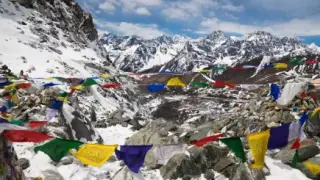

Kathmandu Valley
Bagmati Province, 1,400 m
Seven UNESCO World Heritage monument zones inside one valley 20 km across, and the arrival point for almost every trip to Nepal. Kathmandu has been continuously settled since the 2nd century BC.
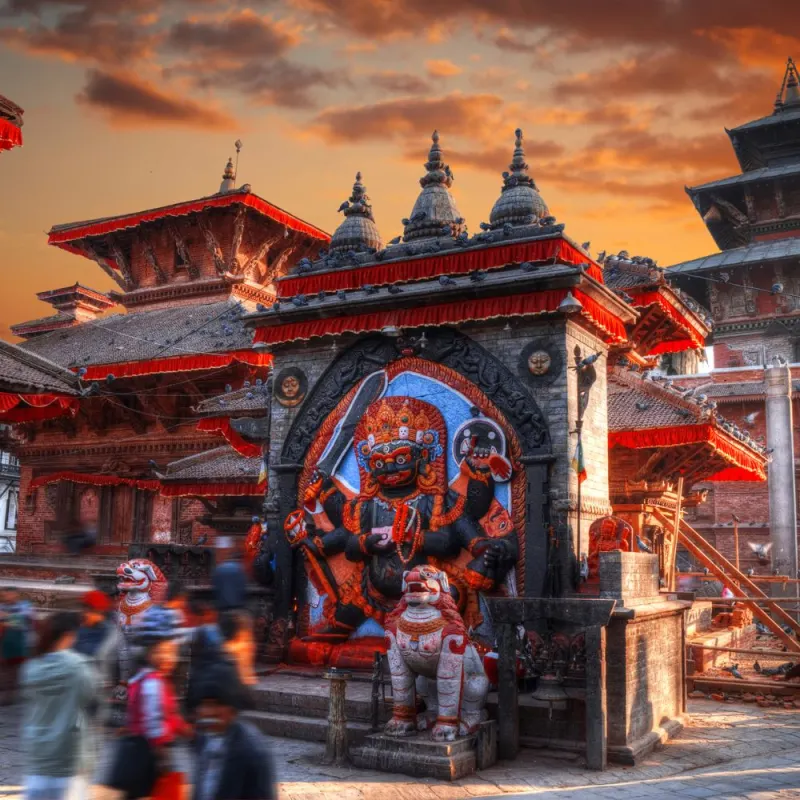
Trips Starting from Kathmandu Valley
Hand-crafted itineraries that start in Kathmandu Valley, from a single sunrise day-trip to multi-week Himalayan expeditions.
Nepal Exploration
10 daysFrom $1,350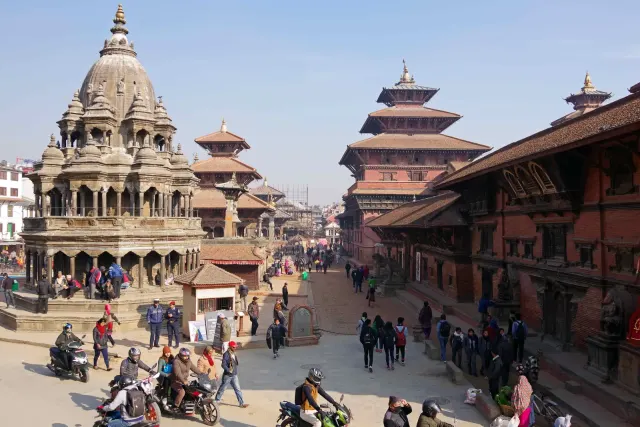
Naturally Nepal
8 daysFrom $750.webp)
Mountain Flight
3 daysFrom $475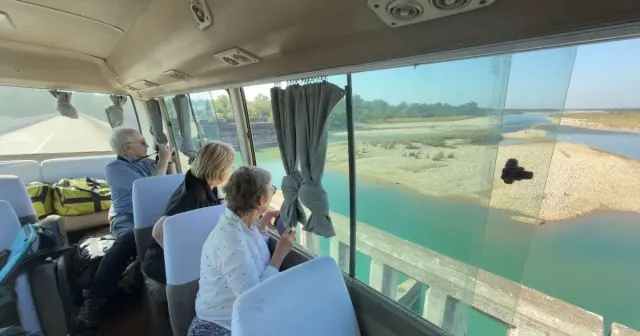
Golden Circle Trip
10 daysFrom $1,085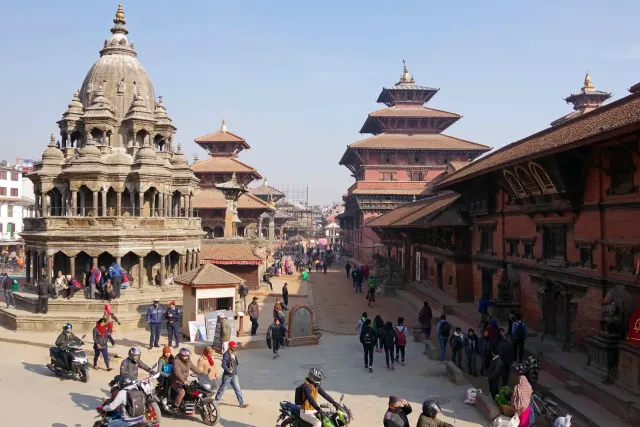
Silver Triangle Nepal
14 daysFrom $1,299.webp)
Rock Climbing in Kathmandu
3 daysFrom $550.webp)
Chitlang Kulekhani Hiking
7 daysFrom $825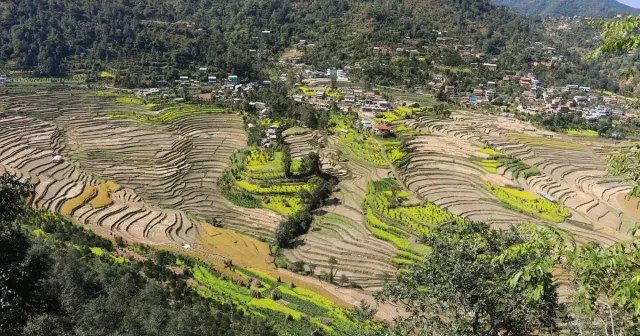
Dhulikhel Balthali Hike
5 daysFrom $659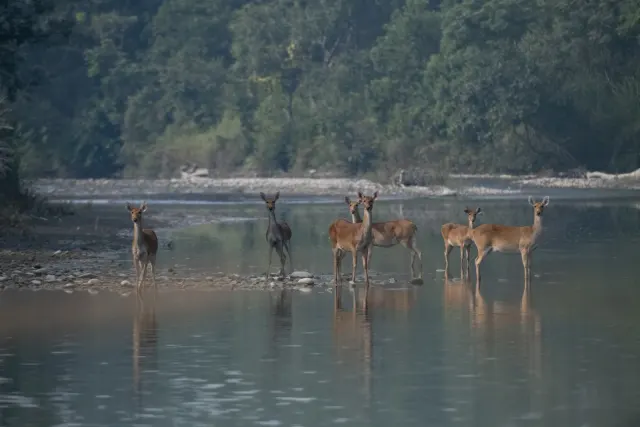
Wonders of Nepal
10 daysFrom $1,799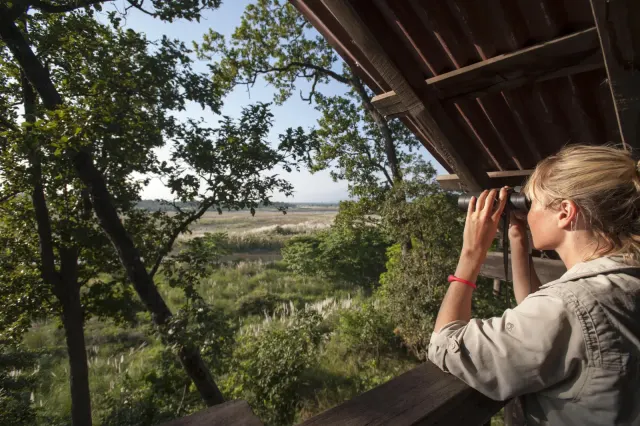
Bird Watching in Nepal
9 daysFrom $1,520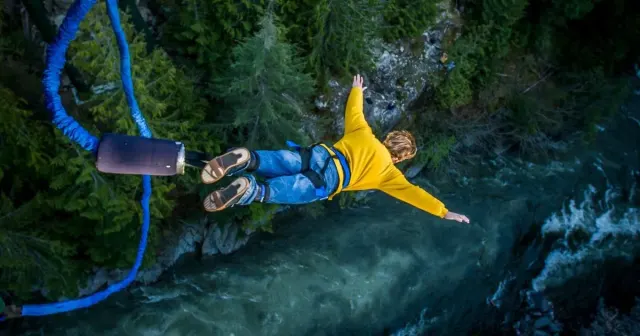
Bungee Jumping in Nepal
4 daysFrom $595.webp)
Photography Tour in Nepal
10 daysFrom $1,099.webp)
Shivapuri Day hike in Kathmandu
4 daysFrom $446.webp)
Nepal Yoga Retreat
6 daysFrom $1,100.webp)
Buddhism Circuit-Nepal
10 daysFrom $1,205
1 Day-Rock Climbing in Kathmandu
1 daysFrom $140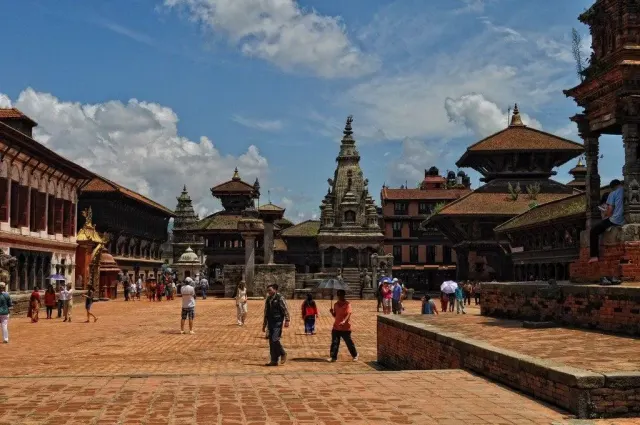
Best of Nepal Tour
12 daysFrom $995.webp)
1 Day-Mountain Flight
1 daysFrom $310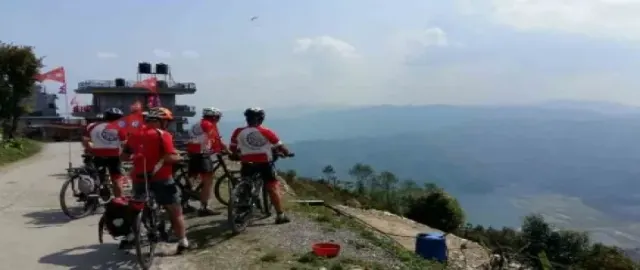
Nepal On Bicycle
17 daysFrom $2,470.webp)
Chitwan Jungle Safari
7 daysFrom $800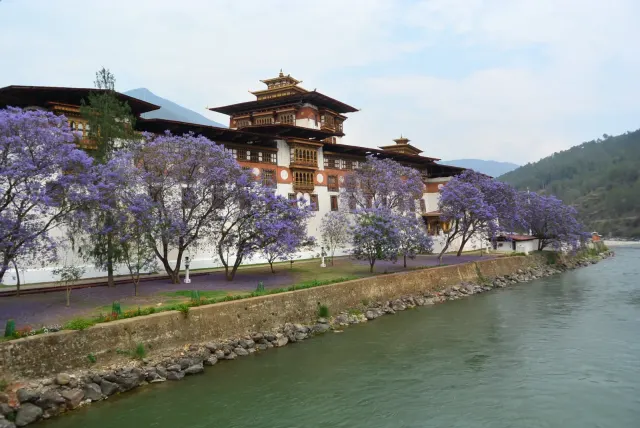
Best of Nepal, Bhutan and Tibet
21 daysFrom $3,450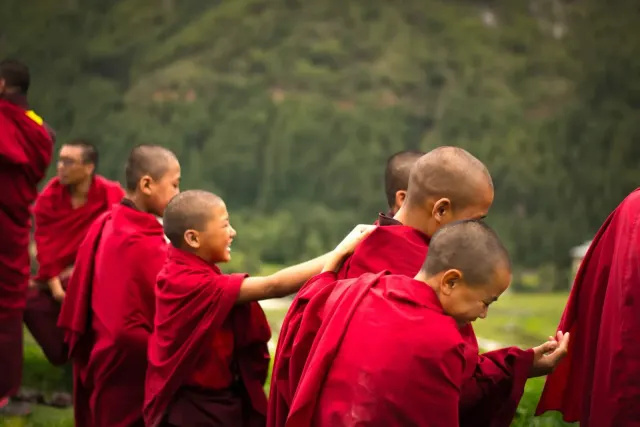
Best of Nepal and Bhutan Tour
14 daysFrom $2,350Nepal and Bhutan Tour
13 daysFrom $2,300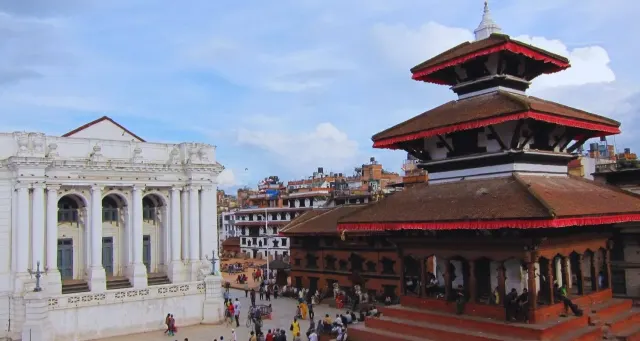
Spiritual Retreat Nepal
8 daysFrom $887
Free Dog Rescue Volunteering Day with Sneha’s Care
1 daysFree Dog Rescue Volunteering Day with Sneha’s Care
1 days
Thirteen Centuries in One Valley
Kathmandu Valley holds seven UNESCO World Heritage monument zones within a radius of about 20 km, which is the densest concentration of world heritage anywhere in Nepal. The seven are the three Durbar Squares of Kathmandu, Patan and Bhaktapur, the Hindu temple of Pashupatinath, the Buddhist stupas of Boudhanath and Swayambhunath, and the temple complex at Changunarayan. They were inscribed together in 1979 as a single site.
The Newar are the valley's indigenous people, and the architecture you come to see is theirs. Newar craftsmen developed the tiered pagoda, and the style travelled: Araniko led a delegation of artisans to the Yuan court in the 13th century and built the white stupa at Miaoying temple in Beijing. King Gunakamadeva is credited with founding Kathmandu around 723 AD, though the valley itself has been settled since roughly the 2nd century BC. Newar cooking is a distinct tradition worth seeking out, particularly yomari, bara and chatamari.
Most trekkers treat the Kathmandu Valley as a transit stop, which is a mistake worth avoiding. The 2015 earthquake destroyed a great deal in the Durbar Squares, and reconstruction has been running ever since; Kathmandu Durbar Square is still partly scaffolded, while Patan and Bhaktapur have recovered further. Two days here covers the essentials before you fly out to a trailhead. If you have longer, the Dhulikhel and Balthali hike and the Shivapuri day hike both get you onto a ridge with mountain views without leaving the valley rim, and wider valley itineraries combine the heritage sites with Nagarkot and Bhaktapur.
Things to do in Kathmandu Valley
Standout experiences hand-picked by our local guides.
- 01PashupatinathThe holiest Hindu shrine in Nepal, on the Bagmati. Open cremation ghats and an evening Aarti that draws thousands.
- 02BoudhanathOne of the largest stupas in the world and the centre of Tibetan exile life in Kathmandu. Walk the kora at dusk.
- 03SwayambhunathThe monkey temple, 365 steps up a hill west of the city. The oldest religious site in the valley.
- 04Patan Durbar SquareThe best preserved of the three squares, with the Patan Museum in the old palace. Recovered further from 2015 than Kathmandu's.
- 05BhaktapurA medieval city kept largely car-free. Nyatapola, five storeys, is the tallest temple in Nepal.
- 06NagarkotA two-hour drive to the valley rim for a dawn line of Himalaya, Everest included on a clear day.
- 07ThamelThe trekking quarter. Gear, permits, bookshops and every agency in the country within a few blocks.
- 08Newar FoodYomari dumplings, bara lentil cakes, chatamari rice crepes. A cuisine distinct from anything else in South Asia.
Best time to visit Kathmandu Valley
The valley works year-round at 1,400 m. October and November are the clearest and hold the biggest festivals; the monsoon is warm and green but hides the mountains from the rim.
- ★ BEST SEASONSpringMarch – MayWarm, dry and comfortable for walking the squares. Dust and haze build through May, which softens the Himalayan line from Nagarkot.11°C – 26°C
- MONSOONSummerJune – AugustMonsoon. Heavy afternoon rain, green hills, and the mountains generally invisible. Fine for heritage sites and indoor culture, poor for the valley rim viewpoints.19°C – 29°C
- ★ BEST SEASONAutumnSeptember – NovemberThe best window by some distance. Clean post-monsoon air, Everest visible from Nagarkot on a good morning, and Indra Jatra, Dashain and Tihar all fall in it.8°C – 24°C
- GOODWinterDecember – FebruaryCold mornings, sharp blue days and few tourists. Excellent mountain clarity from the rim. Morning fog occasionally delays flights out of Tribhuvan.2°C – 19°C