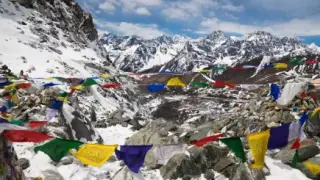
A 13-day moderate cultural circuit through Gorkha district visiting Manakamana, Gorkha Durbar, the Gurung villages of Barpak and Laprak, and cresting Dharche Danda at 3,220 m.
Duration
13 Days
Max Altitude
3,220 m / 10,564 ft
Difficulty
Easy
Group Size
Max 14 trekkers
Region
Manaslu Trekking Packages, Nepal
Best Season
Spring · Autumn
Accommodation
Homestays & teahouses
Meals
All meals on trek
Transport
Drive KTM-Manakamana; drive return
Dates & Prices
Choose your date
All dates are guaranteed departures — we never cancel for low numbers. Book online or send a quick enquiry.
YearMonth
6 departures · 2026
Oct
5
Oct 5, 2026 — Oct 17, 2026
Guaranteed departure — from 2 trekkers
Available
USD1,400
per person
Oct
6
Oct 6, 2026 — Oct 18, 2026
Guaranteed departure — from 2 trekkers
Available
USD1,550
per person
Oct
21
Oct 21, 2026 — Nov 2, 2026
Guaranteed departure — from 2 trekkers
Available
USD1,400
per person
Nov
5
Nov 5, 2026 — Nov 17, 2026
Guaranteed departure — from 2 trekkers
Available
USD1,400
per person
Nov
21
Nov 21, 2026 — Dec 3, 2026
Guaranteed departure — from 2 trekkers
Available
USD1,400
per person
Can’t find a suitable date? We run private departures on any date with as few as 2 trekkers.
Trip Overview
About the Lower Manaslu Trek
The Lower Manaslu Trek is a 13-day moderate cultural circuit through the Gorkha foothills and lower Manaslu region, peaking at Dharche Danda (3,220 m) on day 9 and sleeping as high as Nambai Kharka (2,700 m). It needs only a TIMS card, not the restricted-area permit required on the full Manaslu Circuit, so it is open to any solo trekker. The route connects the Hindu pilgrimage site of Manakamana (1,315 m), the hilltop fort town of Gorkha (900 m), and the two largest Gurung villages in Gorkha district: Barpak (1,920 m) and Laprak (2,100 m).
Barpak is the epicentre village of the April 2015 earthquake that killed over 9,000 people across Nepal. Gaje Ghale, the only Nepali soldier awarded the Victoria Cross by Great Britain, was born here. The village was largely destroyed in 2015 and has been rebuilt; visiting it today means meeting a community that rebuilt itself from rubble. Laprak, a short day further up the ridge, preserves Gurung architecture and a livestock culture largely unchanged from a century ago.
Above Laprak the trail climbs to Nambai Kharka, a summer pastureland at 2,700 m used by Laprak herders, then crests Dharche Danda (3,220 m) on the descent day, a viewpoint ridge with a wide panorama that includes Annapurna I, Annapurna II, Machapuchare, Manaslu, Himal Chuli, Sringi Himal and Ganesh Himal. The lower section passes through the birthplace of Nepal''s first martyr Lakhan Thapa at Bungkot, and day 10 visits the Sita Cave, a Hindu site set inside sal forest. Accommodation is a mix of teahouses and community homestays.
Traditional Gurung village life in Laprak (2,100 m)
5
Gorkha Durbar: fort where Prithvi Narayan Shah ruled
6
TIMS only - no restricted permit, open to solo trekkers
Day by Day
Lower Manaslu Trek Itinerary: 13 Days
Tap any day to expand — altitudes, walking times, meals, and overnight details for every stage of the journey.
A Swotah representative meets you at Tribhuvan International Airport and transfers you to your hotel in Thamel. Your guide meets you in the evening for a trip briefing, gear check and permit overview. Overnight in Kathmandu.
Sleep at 1,400 mDinner
Tonight’s stay
Hotel
A full day around the Kathmandu Valley UNESCO World Heritage Sites: Boudhanath Stupa, Swayambhunath (Monkey Temple), Kathmandu Durbar Square and Patan Durbar Square, adjusted for your pace and interests. The guide uses this day to finalise your TIMS card paperwork. About 5 to 6 hours of touring. Overnight in Kathmandu.
Sleep at 1,400 mBreakfast
Tonight’s stay
Hotel
A 3-hour drive on the Prithvi Highway reaches Kurintar, where the cable car climbs to Manakamana temple (1,315 m), a 17th-century Hindu shrine dedicated to Goddess Bhagwati whose name means heart''s desire in Nepali. The cable car was installed in 1998 and runs 10 minutes each way. After the temple visit, the trail drops through terraced farmland to Ghairung (1,090 m) for the first night on the trail. About 2 to 3 hours of trekking. Overnight in Ghairung.
Sleep at 1,090 mBreakfastDinner
Tonight’s stay
Homestay
The trail descends to Gorkha (900 m) via Bungkot, birthplace of Lakhan Thapa, the first martyr of Nepal''s independence movement, whose memorial park stands in the village. The path crosses the Daraudi River before climbing to the bazaar town of Gorkha, set below its famous Durbar ridge. About 5 to 6 hours. Overnight in Gorkha.
Sleep at 900 mBreakfastLunchDinner
Tonight’s stay
Homestay
A rest and exploration day in Gorkha town. Gorkha Durbar (1,314 m), a stone hilltop palace-fort, is the ancestral seat of Prithvi Narayan Shah, who unified Nepal''s kingdoms in 1768; the fort terrace gives views across the Marsyangdi to Manaslu and Himalchuli. The Gorakhanath Cave shrine inside the fort is named after the sage whose name the district carries. The afternoon is free for the bazaar or further exploration. Overnight in Gorkha.
Sleep at 900 mBreakfastLunchDinner
Tonight’s stay
Homestay
A 6 to 7 hour jeep drive from Gorkha Bazaar on a rough hill road reaches Bhachhek. From there a short 1-hour climb on a stone path reaches Sirandanda (1,900 m), a ridge village with views of the valley below and several natural attractions nearby including Nagepokhari and Dudhpokhari lakes. About 1 hour of trekking. Overnight in Sirandanda.
Sleep at 1,900 mBreakfastLunchDinner
Tonight’s stay
Homestay
The trail crosses Dewalsara and descends to the Daraudi and Sum rivers before climbing to Barpak (1,920 m), the largest Gurung settlement in Gorkha district and the epicentre of the April 2015 earthquake. Captain Gaje Ghale, awarded the Victoria Cross by Great Britain for action in Burma in 1944, was born in this village. Barpak was almost entirely destroyed in 2015 and has been rebuilt; tonight''s homestay is in one of those rebuilt houses. About 5 to 6 hours. Overnight in Barpak.
Sleep at 1,920 mBreakfastLunchDinner
Tonight’s stay
Homestay
The trail climbs from Barpak through Basukang, the junction village where the path to Rupina La Pass branches off and where Manaslu circuit trekkers briefly share the trail. From there it is about 6 hours to Laprak (2,100 m), a village of traditional Gurung stone houses where the community lives by its own farming and livestock calendar. Overnight in Laprak homestay.
Sleep at 2,100 mBreakfastLunchDinner
Tonight’s stay
Homestay
The trail climbs steadily from Laprak through rhododendron and oak forest to Nambai Kharka (2,700 m), the highest overnight point on the trek. Nambai Kharka is open pastureland used by Laprak herders in the grazing season, with a few temporary shelters; expect basic sleeping mats, shared outdoor facilities and vegetarian meals only, as local tradition holds that non-vegetarian food here causes illness. The views north to the Manaslu massif open up from the pasture. About 4 to 5 hours. Overnight at Nambai Kharka.
Sleep at 2,700 mBreakfastLunchDinner
Tonight’s stay
Homestay
Today crosses the highest point of the trek, Dharche Danda (3,220 m), a wide viewpoint ridge from which Annapurna I, Annapurna II, Machapuchare (6,993 m), Manaslu (8,163 m), Himal Chuli, Sringi Himal, Ganesh Himal, Buddha Himal and Langtang are all visible on a clear day. The descent from the ridge is long and steep, dropping over 1,600 m to Tallo Thotneri (1,560 m) through forest and farmland. About 6 to 7 hours. Overnight in Tallo Thotneri.
Sleep at 3,220 mBreakfastLunchDinner
Tonight’s stay
Homestay
The trail descends through sal forest to Gyampesal, passing the Sita Cave, a Hindu pilgrimage site set in thick forest where local tradition holds that Goddess Sita sheltered during her exile. The cave interior is modest but the forest around it is dense and quiet. The descent to Gyampesal takes about 3 to 4 hours. Overnight in Gyampesal.
Sleep at 1,000 mBreakfastLunchDinner
Tonight’s stay
Homestay
A 6-hour drive returns to Kathmandu on the Prithvi Highway. The route passes Gorkha district''s terraced hills before joining the main highway at Kurintar and reaching Kathmandu in the afternoon. The evening is free for shopping in Thamel or a farewell dinner. Overnight in Kathmandu.
Sleep at 1,400 mBreakfastLunch
Tonight’s stay
Hotel
Your Lower Manaslu Trek ends today. A Swotah representative transfers you to Tribhuvan International Airport for your onward flight. If you would like to extend your stay in Nepal or add another trip, we are glad to help arrange it.
BreakfastLunch
What’s included
What's included
Every cost on the trail is broken out below — no hidden fees, no surprises at the trailhead.
Included
9 items
Airport transfers.
Standard/Deluxe rooms in Kathmandu on twin/double sharing with breakfast.
Guided sightseeing tour in Kathmandu, along with ticket fees.
Accommodation during trek (or camping in case of need).
All meals (Breakfast, lunch, dinner) during the trek.
Authorized English-speaking guide along with required Porters(3:1) for the trek.
All applicable government taxes.
All expenses for all staff –meals, accommodation, salary, equipment, insurance, transportation.
Medical kit (carried by your trek leader).
Not included
5 items
International flights; Nepalese visa fee.
Travel and rescue insurance.
Personal expenses (phone calls, laundry, bar bills, battery recharge, extra porters, bottle or boiled water, shower, etc.).
Tips for guide(s), porter(s) and driver(s).
Emergency evacuation cost.
How Hard Is the Lower Manaslu Trek?
The Lower Manaslu Trek is a moderate route. Days run 5 to 7 hours on mixed trail with some steep sections, the highest sleep is at 2,700 m (Nambai Kharka), and the one steep ridge day to Dharche Danda (3,220 m) is a day hike, not an overnight stay.
▲Moderate. 5-7 hr days, max 3,220 m crossed on day 9. Basic homestays; good base fitness needed. No technical terrain or altitude illness risk.
Overall Rating
2
Easy
out of 10 · physical effort scale
Max altitude3,220 m
Trekking days10 days
Trip Details
Planning your Lower Manaslu Trek
Everything you need to plan the trek, topic by topic. Tap any one to open it.
The Lower Manaslu Trek is graded moderate. Daily walking runs 5 to 7 hours on a…
The Lower Manaslu Trek is graded moderate. Daily walking runs 5 to 7 hours on a mix of village trail, stone steps and forest path, with the steeper sections on the Barpak to Laprak ridge and the Nambai Kharka to Dharche Danda climb. The highest overnight point is Nambai Kharka at 2,700 m, and the route crosses Dharche Danda at 3,220 m on day 9 as a day-crossing on the descent to Tallo Thotneri at 1,560 m.
At 3,220 m, acute mountain sickness is unlikely but possible for trekkers who ascend quickly. The practical demands are sustained walking effort, basic homestay comforts, and long jeep drives on rough roads from Kathmandu to Bhachhek. A reasonable base fitness from regular walking or hiking is enough. There is no technical terrain, no glacier crossing, and no acclimatisation day is required. Swotah guides carry a first-aid kit and can arrange evacuation from Gorkha if needed.
Autumn (October to November) and spring (March to May) are the best windows for…
Autumn (October to November) and spring (March to May) are the best windows for the Lower Manaslu Trek. Autumn brings the clearest mountain views from Dharche Danda after the monsoon ends, and the trail is dry and firm. Spring warms the lower sections quickly and puts rhododendrons in bloom on the ridges above Barpak and Laprak.
Winter (December to February) is cold at the higher elevations, particularly at Nambai Kharka and on the Dharche Danda crossing, but the route stays open; pack warm layers for the ridge nights. The monsoon (June to September) brings heavy rain to the lower trail, muddy paths and leech-heavy forest sections below Gorkha, though the upper pastures above 2,000 m are drier. The season cards above give a month-by-month breakdown.
The Lower Manaslu Trek needs only a TIMS card (Trekkers'' Information Management…
The Lower Manaslu Trek needs only a TIMS card (Trekkers'' Information Management System), which costs NPR 2,000 for agency-booked trekkers and NPR 4,000 for free individual trekkers. It is issued by the Trekking Agencies'' Association of Nepal (TAAN) in Kathmandu and covers the entire route. No restricted-area permit, no conservation area entry fee, and no minimum group size applies, making this one of the most accessible routes in the Manaslu region.
Gorkha town and Manakamana temple do not charge a separate trekking permit. Swotah arranges your TIMS card once you provide a passport copy, so it is ready before departure from Kathmandu. Carry your TIMS card at all times because checkposts along the trail verify it. Rates are set by the Nepal government and reviewed annually; Swotah confirms the current figure at the time of booking.
Accommodation on the Lower Manaslu Trek is community homestays and small teahous…
Accommodation on the Lower Manaslu Trek is community homestays and small teahouses rather than the lodge-chains found on the Annapurna Circuit. Gorkha town (day 3 and 4) has standard guesthouses with attached bathrooms. The villages from Sirandanda to Gyampesal use homestays with shared bathrooms, basic bedding and local cooking, giving a direct view of Gurung and Gorkha family life that the bigger circuits do not offer.
Nambai Kharka (day 8) has a few temporary shelters used by Laprak herders in the summer season: basic sleeping mats, no flush toilets, and meals cooked by herders. Bring a sleeping bag rated to at least -5C for the higher nights. Kathmandu uses standard three-star hotels at the start and end of the trip.
Dal bhat is the staple on the Lower Manaslu Trek and the safest choice because t…
Dal bhat is the staple on the Lower Manaslu Trek and the safest choice because the cook refills it freely and the calorie load carries you through the longer ridge days. Teahouses along the lower sections add noodles, fried rice, omelettes and Tibetan bread to the menu; above Laprak and at Nambai Kharka, the menu is vegetarian by local custom.
Swotah includes three meals a day on the trek. Drinking water must be treated at every stop: boil or use purification tablets, a filter or a UV pen. Natural springs are plentiful on this route but not reliably safe without treatment. Carry 1.5 to 2 litres, refill at teahouses, and aim for 2 to 3 litres a day on the climbing sections.
The Lower Manaslu Trek starts with a drive from Kathmandu to Kurintar (roughly 3…
The Lower Manaslu Trek starts with a drive from Kathmandu to Kurintar (roughly 3 hours on the Prithvi Highway), then a cable car ride to Manakamana temple, followed by a drive to Ghairung to begin walking. After the Gorkha town days, a second drive heads from Gorkha Bazaar to Bhachhek (6 to 7 hours on a rough hill road), where the upper section of the trek begins.
The return is a 6-hour drive from Gyampesal back to Kathmandu. Swotah runs all road legs by private jeep because the Bhachhek road is unpaved and narrow. Mountain roads in Gorkha district are susceptible to monsoon landslides, so the schedule allows buffer time. All drivers hold Nepal Tourism Board clearance.
Barpak (1,920 m) is the largest Gurung settlement in Gorkha district and was the…
Barpak (1,920 m) is the largest Gurung settlement in Gorkha district and was the epicentre of the April 2015 earthquake, the worst natural disaster Nepal has seen in 80 years. Gaje Ghale, awarded the Victoria Cross by Great Britain for action in Burma in 1944, was born here; a memorial in the village marks his life. Barpak was rebuilt with support from international NGOs, and visiting today means sleeping in a rebuilt homestay and meeting a community that rebuilt its own life.
Laprak (2,100 m) sits a day''s walk further up the ridge and is known for traditional Gurung stone houses, woven textiles and a festival calendar tied to the agricultural year. The route through Basukang, the junction village on the Rupina La trail, marks where the Lower Manaslu Trek and the restricted Manaslu Circuit share a brief overlap before branching. Both villages ask for respectful photography, and guides will introduce you to hosts in advance.
Gorkha Durbar, the stone palace-fort at 1,314 m on a ridge above Gorkha town, is…
Gorkha Durbar, the stone palace-fort at 1,314 m on a ridge above Gorkha town, is the ancestral seat of Prithvi Narayan Shah, who unified the kingdoms of Nepal into one state in 1768. The fort holds the Gorakhanath Cave shrine, named after the sage whose name the district carries, and a broad terrace with views across the Marsyangdi valley to Manaslu, Himalchuli and Baudha Himal. Entrance to the fort compound is open to Hindus and non-Hindus; the inner sanctum is restricted to Hindus.
Manakamana temple (1,315 m), reached by Nepal''s first cable car from Kurintar on the Prithvi Highway, is a 17th-century Hindu temple dedicated to Goddess Bhagwati. ''Manakamana'' means heart''s desire in Nepali, and devotees from across the country visit to offer prayers. The cable car runs 10 minutes each way and was installed in 1998 by a Swiss company. The Lower Manaslu Trek incorporates both sites on days 1 and 2 before the trail proper begins.
A licensed guide is recommended but not legally mandatory on the Lower Manaslu T…
A licensed guide is recommended but not legally mandatory on the Lower Manaslu Trek because the route does not enter a restricted area. Swotah assigns Ministry of Tourism-licensed guides who hold Nepal Mountaineering Association first-aid training and know the Gorkha district trails and the homestay network in Barpak and Laprak.
A porter is recommended for the ridge sections, where the climbing is sustained over several hours. One porter carries 20 to 25 kg; Swotah caps loads at that weight and provides a duffel bag so you walk with a light daypack. Porters and guides are insured under Swotah''s staff policy, and any tip you choose to add goes directly to the field crew.
Mobile coverage on the Lower Manaslu Trek is reasonable in Gorkha town and in th…
Mobile coverage on the Lower Manaslu Trek is reasonable in Gorkha town and in the larger villages like Barpak; signals drop out in forested sections between villages and at Nambai Kharka. Nepal Telecom (NTC) gives the best coverage on this route. Swotah provides a tourist SIM for the trip. Wi-Fi is available in Gorkha and in some Sirandanda guesthouses; above that, expect limited or no connectivity.
Barpak and Laprak are small, recovering communities, and responsible trekking matters here. Carry a reusable water bottle and treat your own water rather than buying plastic. Ask before photographing people or cultural sites. Spend at the local homestays and tea stalls, because direct spending supports the families who host you. Tipping is not mandatory but is customary: a common guideline is 10 to 15% of the trip cost, divided among the guide, porter and driver.
What to pack
What to pack
The full kit list. Anything we loan (sleeping bag, down jacket) is called out — bring everything else.
✓Duffel bag (carried by porter)
✓Daypack (20-25L)
✓Dry bag or rain cover
✓Packing cubes
Frequently Asked
Questions & Answers
Everything trekkers ask before booking. Don't see yours? Tap Enquire — we usually reply within a few hours.
Lower Manaslu is a newly opened moderate trekking that lies in the lap of Mt. Manaslu (8156m) of Manaslu region. This newly opened trek is for those people who want to experience the history, culture, tradition, pilgrimage sites and community-based home stay of Manaslu region.
Spring season (March to June) and autumn season (September to December) are the best time to do this trek. In winter, it is difficult to trek in snow and harsh cold.
Yes, our representative will be there to greet you at the airport. Upon arrival, you will be transferred to your hotel by a private car/jeep.
Yes, there is going to be a small orientation/briefing program before we embark on our adventure by the tour manager, leader/guide.
To confirm your booking, a deposit of 15% of total trip amount is required if you are booking at least a year in advance before trip departure date. If booking is made between 100-364 days before the trip departure, you'll need to pay 20% to confirm the trip. If payment is made between 99-60 days, 25% of the total trip amount will need to be paid and if booked between 59-30 days, 50% of the total trip amount needs to be paid and finally, if you are booking 29 days prior to trip departure, then 100% payment should be made. The payments can be easily made by the bank transfer. The due balance is payable on arrival in Kathmandu with cash (preferably USD/EURO) or card on POS/credit card machine. Please note that non refundable fee is 10% or $200 whichever is greater.
We believe in operating small intimate group to provide personal attention and services to our guests. Small groups can enjoy the trek hassle free and enjoy the customized trip according to their need and suitability. We do not incorporate more than 14 People in a group, unless we get special requests from our clients.
We customize the trip according to your preference but if you need to change plan during the trek, consult the guide.
If you need extra day to complete the trekking, you will need to inform the guide in advance and the guide will let the company know. Adding a day to trekking can result in many changes in other arrangements such as transportation, guide’s schedule, flight details, hotel bookings and all, so we really don't recommend this to our clients unless there is an emergency cases. But it is true that those changes could be made but it will cost extra. The best way to do it is to inform the agent company about it.
You cannot use the credit card during the trek. You have to withdraw your money before you start the trek. You can use credit card only in Kathmandu and Pokhara.
You have to carry your personal bags with water bottle yourself. The medicines and remaining bags will be carried by porters to make you easy to trek. The weight limit for porters is 15 KG.
For nights in cities, we use standard/superior standard/deluxe rooms whereas, during the trek we use lodges/tea houses/guesthouses/home stay for our clients, and whatever is available and accessible. We also arrange sleeping bags for our clients, on their request.
Lower Manaslu Trek is trekking region and mostly we spend our night at Home stay. In home stay, you can get pasta, noodles, bread, soup etc. Dal Bhat (Rice, Lentils and Vegetables) are great way to gain energy for the strenuous trek. As you trek higher, it’s better to avoid meat because non-vegetarian is heavy meals which may cause food poisoning so we avoid it.
There are plenty of water stations on each stop on the route. You can easily fill up the bottle from the open taps. We recommend that you bring water purifier tablets with you or at least get it from Kathmandu before you depart for trekking. You can also buy mineral waters but we usually recommend tap water which is pure and it helps us not promoting plastic bottled water.
We use private transportation for sightseeing inside the Kathmandu Valley and we use cable car ride to Manakamana Temple. We also pick up and drop from the starting to end point of trek on private car or Jeep depending on the number of travellers.
We contact the lodge/home stay owner for reservation of the room before trekking on a particular day. On other days, porters reach the destination on advance and book the rooms for you. But there are always going to be exceptions but even in those cases, we may have to be flexible about very basic sleeping arrangements. We always try to make sure that we have everything well arranged.
While trekking in higher lands, you need to pay for charging the electronics upon request to the owner. The best idea always is to bring your power bank with you. It's easier and cheaper.
In some villages, you can make local and international calls from telephone provided by the home stay owner after paying the price directly. Our guide is also provided with a mobile phone, In case of emergency, you can call from his mobile and make a call.
Usually, we have to walk about 7-9 hours a day. But it should not be taken as certain thing because the hours of walk depends on client’s speed. So it's really relative.
All our Guides are trekking experts holding license from Nepal Tourism Board, Nepal Government. They are the most valuable assets of the company. Guides know the trekking route like the back of their hand and use their expertise in ensuring your safety in the mountains.
Trekking in Lower Manaslu is a little bit hard and tiresome activity that requires a lot of physical movement so pack your active wears and trekking pants for at lower altitudes. Weather at high altitude is unpredictable so carry a light weight waterproof jacket along with thick down jacket, pant and thermal inner wear t to escape severe cold. Needless to say that, Good shoes are very important for trekking in rough and snowy terrain, so invest on good quality shoes or rent it from us in a minimum price. As you are trekking in remote village, try to wear modest clothes to quickly gel up with the local people without hesitation.
Yes, Nepal can proudly boast as one of the safest countries in South Asia for women, you will find people very friendly and respectful especially towards women. Locals are very respectful and welcoming toward women and tourist in general and our guides will make sure you are comfortable and safe while trekking in remote areas.
We make sure to take security measures during trek to make your trip delightful. We hire experienced and license holding guides to safeguard your life in mountains. We suggest you to follow the guide’s instruction carefully and take responsibility for personal belongings. Always keep your valued belongings near you and lock the door from inside during the night.
Before coming to Nepal, make sure that you are covered by insurance policy for the altitude of 5500 meters. In the case of an emergency like altitude sickness, dehydration or any medical conditions ask your tour leader/guide to contact us as soon as possible so that we can manage/arrange helicopter for the rescue. Then you will be transferred to hospital for the treatment.
Before coming to Nepal, make sure you are covered for diphtheria & TB, hepatitis A, hepatitis B, malaria, typhoid, polio and tetanus. Make sure you are in best shape to complete the trekking without any complication.
Why Travel with Swotah
Why Book the Lower Manaslu Trek with Swotah
Most Nepal operators look the same from the outside. Here's what actually makes the difference.
Born in Nepal
100% locally owned since 2016. Trek profits stay with the mountain families and village schools along your route.
Guaranteed Departures
Every date on our calendar runs — no minimum group size. You never pay to be cancelled.
Certified Guides
Government-licensed, WFR-certified, English-speaking. Most were born within two valleys of the trail.
Small Groups
Small groups, never more than 8 trekkers. You get a real experience, not a convoy.
Gear Included
Sleeping bag and down jacket loaned at no extra charge — both rated to –20°C.
Flexible Payment
Deposit from 10% to confirm, balance before departure or in cash on arrival. Reschedule up to 30 days prior.
24/7 Support
Kathmandu office and dedicated WhatsApp emergency line. We answer at 2am if needed.
Hall of Fame
TripAdvisor Travelers' Choice 2023, 2024 and 2025. Hundreds of verified five-star reviews.
Get a free personalised travel brief for the Lower Manaslu Trek.
Tell us your travel dates and group size. Our team in Kathmandu will put together a tailored itinerary, honest costs, and practical tips — completely free, no commitment.