


Eastern Nepal
Koshi Province
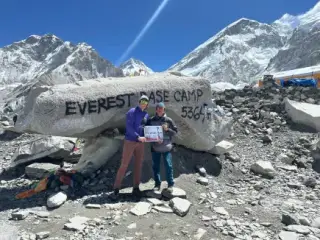
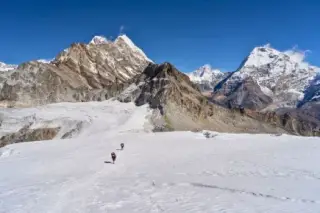
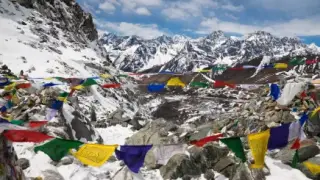
Three of the world's five highest mountains stand in eastern Nepal: Everest, Kanchenjunga and Makalu. So do the tea gardens of Ilam and the Limbu and Rai communities, on trails that see a fraction of Annapurna's traffic.
- 8,000 m Peaks
- 5
- Ilam Tea Hills
- 1,200 to 1,800 m
- Major Ethnic Groups
- Rai, Limbu, Sherpa
- Trails
- Everest to Kanchenjunga
Eastern Nepal trips
7 itineraries that run through Eastern Nepal. Filter by how many days you have.
 6 days
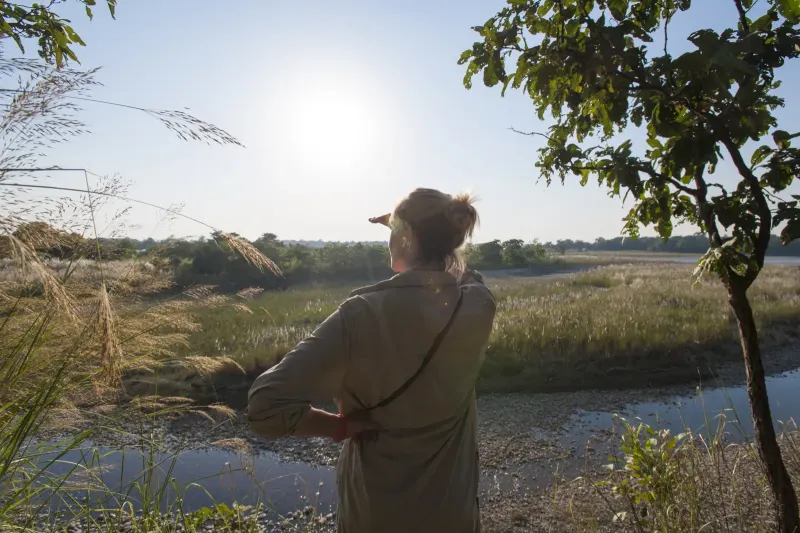
Koshi Tappu Wildlife Tour
From $1,469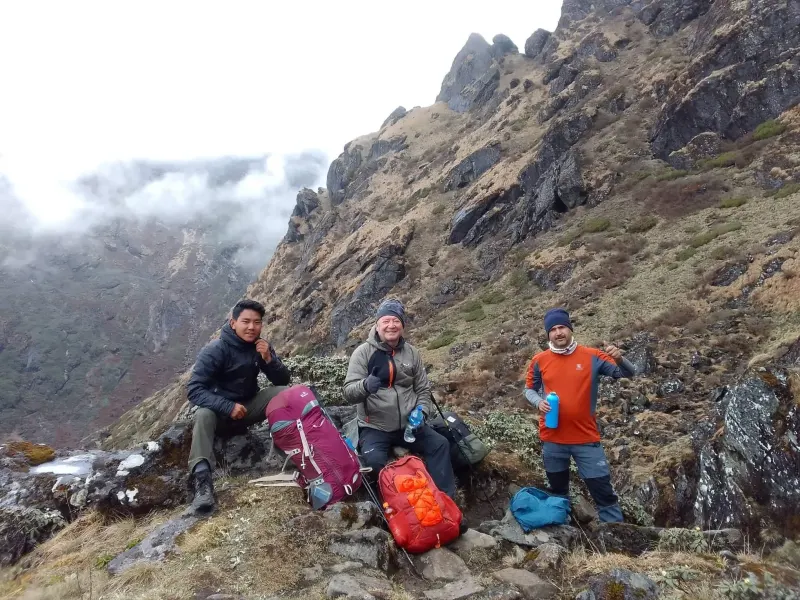 21 days
Arun Valley to Everest Base Camp Trek
From $2,280 19 days
Ganesh Himal Base Camp Trek
From $2,805 21 days
Lumba Sumba Trek
From $2,350 14 days
Milke Danda Trekking
From $1,575 17 days
Numbur Cheese Circuit Trek
From $2,950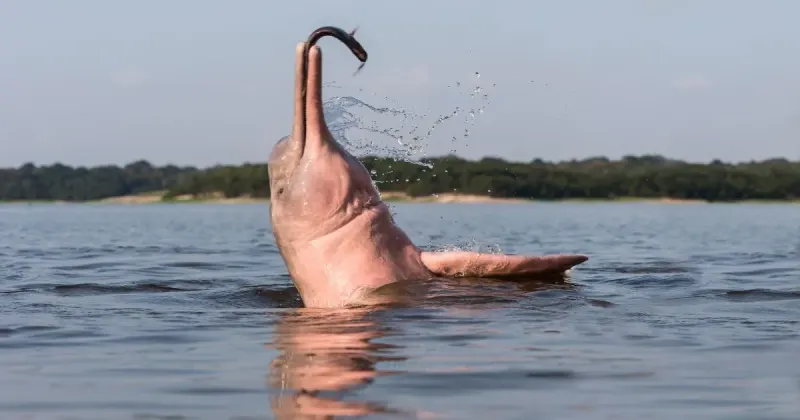 8 days
Dolphin Watching in Nepal| Sapta Koshi River|
From $1,405
About Eastern Nepal
Three Giants and a Thousand Tea Bushes
Eastern Nepal, between the Sun Koshi river and the Indian and Tibetan borders, holds three of the world's five highest mountains: Everest (8,848.86 m), Kanchenjunga (8,586 m) and Makalu (8,485 m), with Lhotse (8,516 m) and Cho Oyu (8,188 m) as well. Each main massif has its own protected area and its own trail system.
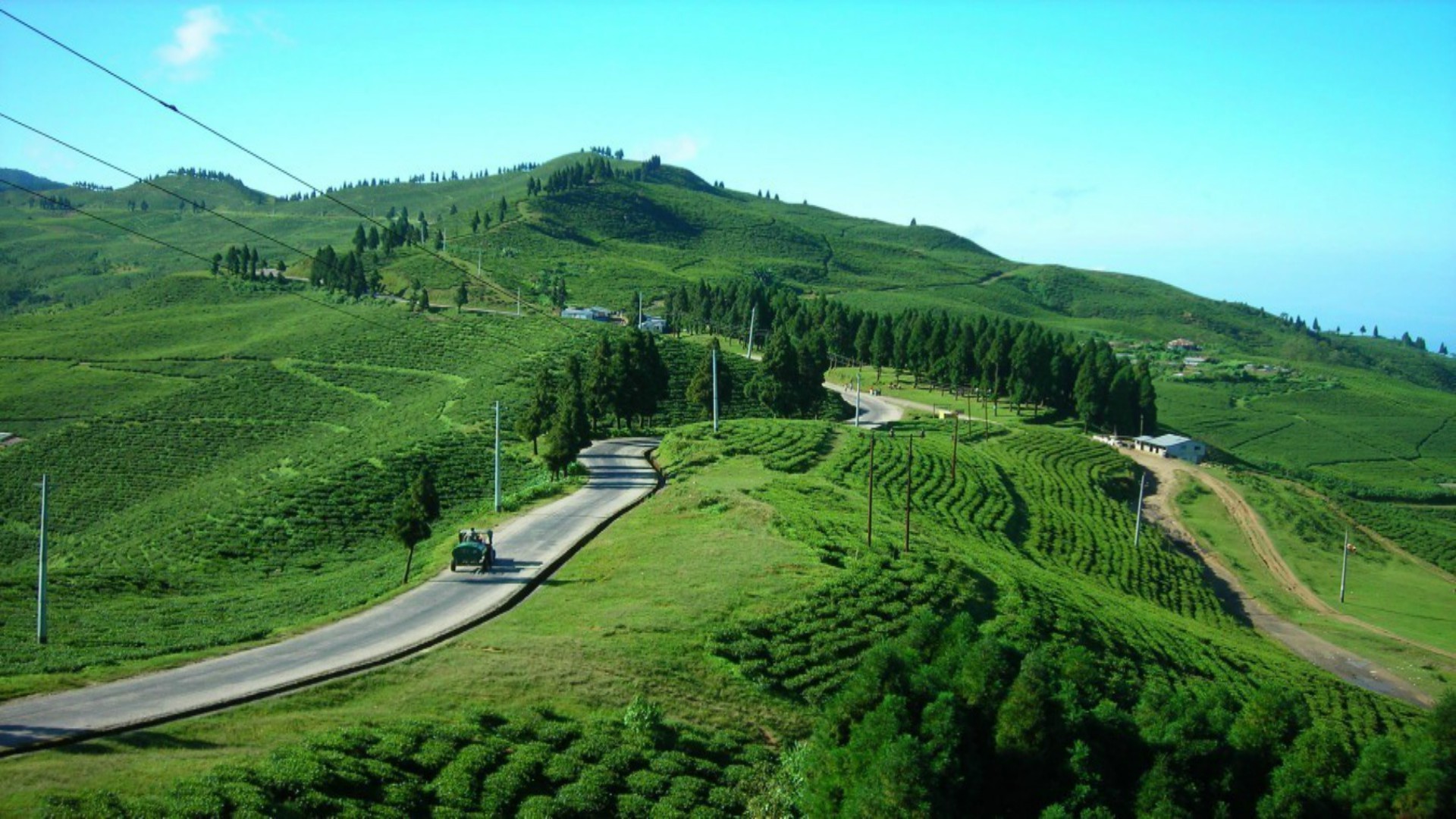
Ilam, on the Indian border, is Nepal's best-known tea district, with orthodox, Darjeeling-style leaf grown on hills between about 1,200 and 1,800 m and Kanchenjunga on the skyline. Further north, the hill districts of Panchthar and Taplejung are home to Limbu and Rai communities whose Kirat traditions predate Hinduism's arrival in the hills.
Which eastern trail fits you comes down to days. The Kanchenjunga Base Camp Trek takes 29 days with Swotah and the Makalu Barun Trek 22. At the other end, the Pikey Peak walk reaches a 4,065 m viewpoint over Sherpa villages, and Edmund Hillary is said to have rated its view of Everest among the best in Nepal. The Ilam tea walks barely climb at all. See the Kanchenjunga and Makalu pages for those regions.
Things to do in Eastern Nepal
Ilam Tea Estates
Orthodox tea gardens between 1,200 and 1,800 m. Walk the rows, see the factory floor at Kanyam, drink first flush with Kanchenjunga on the skyline.
Pikey Peak
A Sherpa-village walk to 4,065 m, usually 4 to 5 walking days. Hillary is said to have rated its Everest view among the best in Nepal.
Kanchenjunga Approach
Through the Limbu villages of Taplejung to base camp. A long trek of 21 days or more.
Sun Koshi Rafting
270 km over about 9 days of Class III to IV water, one of Nepal's longest river trips.
Hile and Basantapur
Roadside ridges looking down the Arun valley and up towards Makalu, with big mountain views from the road.
Limbu Yakthung Culture
Villages around Taplejung with phedangma ritual specialists, tongba millet beer and Kirat festivals.
Arun Valley
The hot lowland approach to Makalu from Tumlingtar, through terraced rice and Rai bamboo villages.
Sandakphu
A 3,636 m ridge on the Indian border with four of the world's five highest peaks in one view: Everest, Kanchenjunga, Lhotse and Makalu.
Best time to visit Eastern Nepal
October and November give the clearest views in the east. April and May are warmer, with rhododendron in the hills and the first flush being picked in Ilam.
- Jan: Good
- Feb: Good
- Mar: Best
- Apr: Best
- May: Best
- Jun: Off-season
- Jul: Avoid
- Aug: Avoid
- Sep: Best
- Oct: Best
- Nov: Best
- Dec: Good
- Best season
Spring
March to MayRhododendron through the hills and first-flush picking in Ilam. Mountain weather settles above 3,000 m from about mid-April.
5°C to 22°C - Off-season
Summer
June to AugustThe east takes heavy monsoon rain: landslides, leeches and cloud on the peaks. Lowland visits work; high trekking does not.
15°C to 28°C - Best season
Autumn
September to NovemberThe best window in the east by a distance. October brings clear air, harvest in the villages and the mildest high-altitude nights.
2°C to 22°C - Good
Winter
December to FebruaryThe low routes stay open and pleasant: Ilam, Pikey and Singalila. The high base camps at Makalu and Kanchenjunga close with snow.
-15°C to 15°C
Eastern Nepal FAQs
Which mountains are in eastern Nepal?
Can you visit the tea gardens at Ilam?
Is Pikey Peak worth it compared to Everest Base Camp?
How hard is the Kanchenjunga trek?
When is the best time to trek eastern Nepal?
Do I need a special permit for eastern Nepal?
Plan your Eastern Nepal trip
Send us your dates and interests, and a Kathmandu-based trip planner will reply with a route and a price.