ACTIVITY

Overland Tours

Across the Himalaya by road

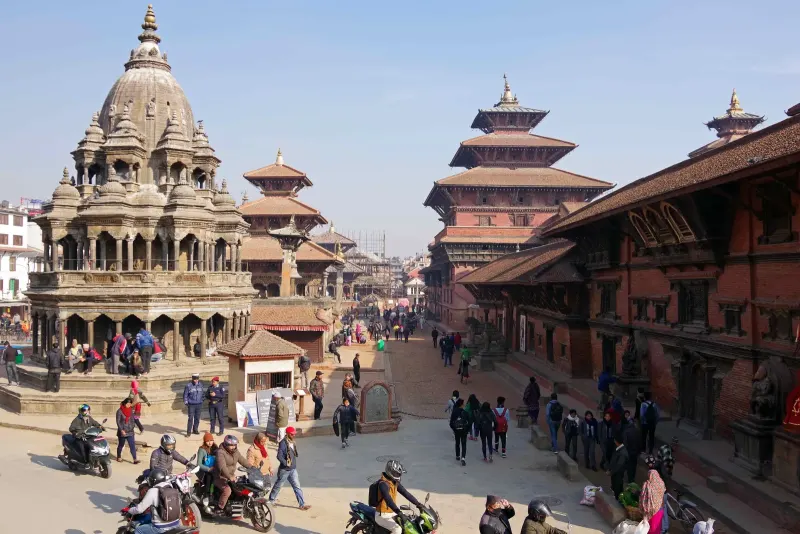
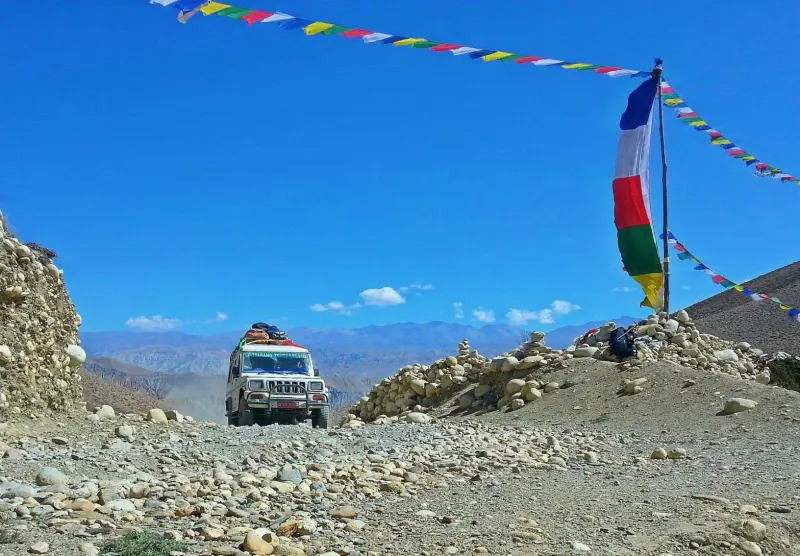
The old salt-and-rice routes between India and Tibet are paved now. Overland trips link Kathmandu, Lhasa, Thimphu, Delhi and Varanasi by road, so you watch the landscape change instead of flying over it.
8Cross-border routes
1,300 kmKathmandu–Lhasa overland
12–21 daysTypical tour
View all trips
Overland Tours
About this activity

Following the Old Trans-Himalayan Trade Routes

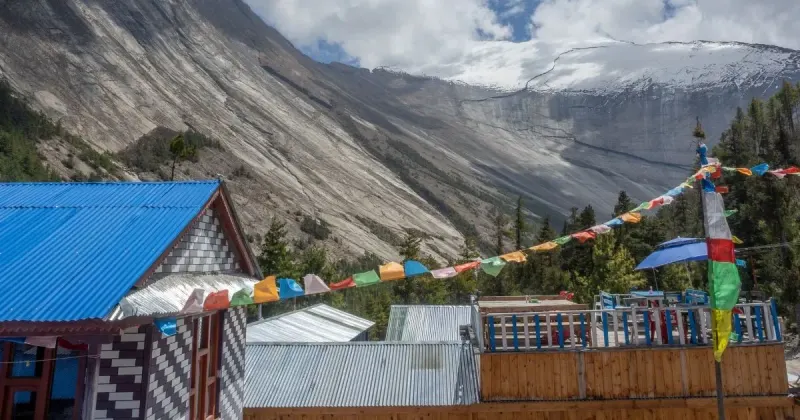
Nepal sat on the trade route between India and Tibet for centuries: yaks carried salt south and rice north, and traders crossed the Himalayan passes for about nine months of the year. Those routes are roads now. The Friendship Highway runs 816 km from Kathmandu to Lhasa over the Gyatso La pass at 5,200 m. Thimphu is 520 km away via Phuentsholing, and the same network carries on to Delhi, Varanasi and eventually Bangkok.

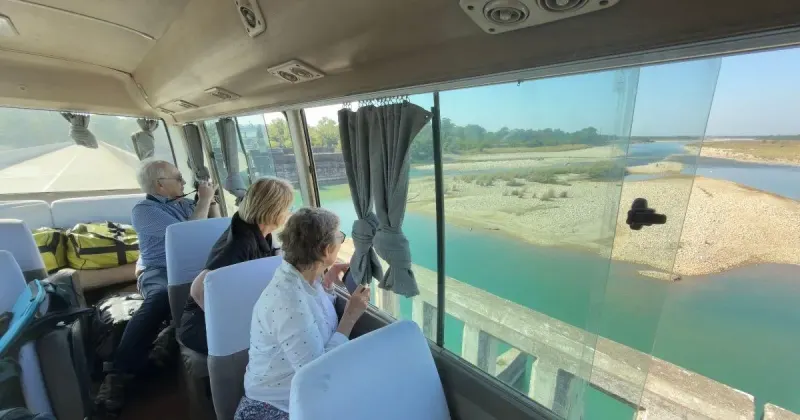
An overland tour is the slow, low-altitude way to see the Himalaya, from the seat of a 4WD or a coach rather than a trekking trail. It suits travellers who want the culture and the mountains without the 5,000 m nights, and it is one of the few ways to cross the range itself by land. The three-country Nepal, Bhutan and Tibet circuit takes 18 to 21 days; Nepal combined with the Indian Golden Triangle runs 12 to 14.

Four countries mean four permit regimes, and that paperwork, not the driving, is what makes an overland trip complicated. Nepal issues a visa on arrival, India wants an e-visa before you fly, Bhutan charges a nightly Sustainable Development Fee and requires a licensed operator, and Tibet needs a Chinese visa plus a separate Tibet Travel Permit that no individual can apply for alone. Swotah arranges all of it as one package. See the Tibet and Bhutan pages for what each leg actually involves.

Friendship Highway816 km of road from Kathmandu to Lhasa, over the Gyatso La pass at 5,200 m.
No flying between stopsYou cross the Himalaya at ground level and watch the landscape change the whole way.
One permit packageNepal, Bhutan, Tibet and India each have their own regime. We handle them as a single service.
4WD or coachPrivate jeep with a driver, or a shared coach on the longer road sections.
Overland Tours
Featured peaks

Featured overland tours sites

#NameAltitudeRegionLevelPermit
01
Kathmandu
Nepal
1,400mNepalTrekking PeakNepal visa $30
02
Lhasa
Tibet (China)
3,656mTibet (China)Expedition$240+
03
Thimphu
Bhutan
2,334mBhutanTrekking Peak$100/day
04
Varanasi
India
80mIndiaTrekking PeakIndia e-visa $25
05
Delhi
India
216mIndiaTrekking PeakIndia e-visa $25
06
Pokhara
Nepal
822mNepalTrekking PeakNepal visa $30
Planning

Best season & permits

When to go

Jan
Feb
Mar
Apr
May
Jun
Jul
Aug
Sep
Oct
Nov
Dec
Prime Good Not recommended
Spring (Mar–May) and autumn (Sep–Nov) are the windows. The Tibet leg needs the passes above Lhasa open, which usually runs mid-April to mid-November. Avoid Tibetan New Year in February, when foreign travel is routinely restricted and permits stop being issued.

Permits

  • Nepal Visa on Arrival
    15, 30 or 90-day options, issued at Tribhuvan Airport
    $30–$125
  • Bhutan Sustainable Development Fee
    Charged per night and covers government services. A licensed Bhutanese operator is required by law.
    $100/day
  • Tibet Travel Permit
    Required for all foreign travel in Tibet and issued only to a registered agency, never to an individual. Arranged by Swotah.
    $240–$400
  • India e-Visa
    Applied for online before you travel, not on arrival
    $25–$80
Good to know

Overland Tours questions, answered

Can you actually drive from Kathmandu to Lhasa?
Yes. The Friendship Highway covers 816 km from Kathmandu to Lhasa and crosses the Gyatso La pass at 5,200 m. It is fully paved on the Tibetan side. The border crossing at Kerung is the part that needs planning, because your Tibet Travel Permit has to be issued before you reach it and no one can apply for it as an individual.
What permits do I need for a multi-country overland tour?
One per country, and they work differently. Nepal issues a visa on arrival at Kathmandu. India needs an e-visa applied for online before you travel. Bhutan requires a licensed operator and charges a Sustainable Development Fee per night. Tibet needs a Chinese visa plus a separate Tibet Travel Permit, which only a registered agency can obtain and which is checked repeatedly on the road. We arrange all four together, because the sequence matters: the Chinese visa has to exist before the Tibet permit can be applied for.
How long does the Nepal, Bhutan and Tibet overland trip take?
Eighteen to twenty-one days. That is not padding. The road distances are long, the Tibetan plateau needs acclimatisation days built in because Lhasa sits at 3,656 m, and border crossings absorb time that no itinerary can compress. Nepal with the Indian Golden Triangle is shorter, at 12 to 14 days, because it stays low.
Is overland travel better than flying between these countries?
It depends what you came for. Flying Kathmandu to Lhasa takes 90 minutes and you see nothing except cloud. Driving takes days and you cross the Himalaya at ground level, watch the vegetation thin out and stop in villages no flight passes over. Overland is also gentler on altitude, because you gain it gradually instead of landing at 3,656 m. The trade-off is time and long days in a vehicle.
How high does an overland tour go?
The Kathmandu to Lhasa road tops out at the Gyatso La pass, 5,200 m, and Lhasa itself sits at 3,656 m. That is high enough for altitude sickness to be a real consideration even though you never walk a trekking trail. Itineraries include acclimatisation time in Lhasa before going higher, and our guides carry a pulse oximeter.
When is the best time for an overland tour?
Spring, roughly March to May, and autumn, September to November. The Tibet leg depends on the passes above Lhasa being open, which usually means from mid-April to mid-November. Avoid Tibetan New Year in February, when foreign travel in Tibet is routinely restricted and permits stop being issued at short notice.
Can I do an overland tour independently?
Not the Tibet or Bhutan sections. Tibet requires a guided itinerary with a registered agency, and independent travel there is not permitted for foreigners. Bhutan requires a licensed Bhutanese operator by law. The Nepal and India legs can be done independently, but combining all four into one route is what the permits are built around.