

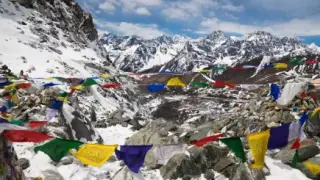

Far & Mid-Western Nepal
Karnali and Sudurpashchim provinces
Nepal's least-walked region. Annapurna and Everest see well over 100,000 trekkers a year between them; the entire far west sees a couple of thousand. Rara Lake, Khaptad's plateau and the Api Nampa wilderness are what that buys you.
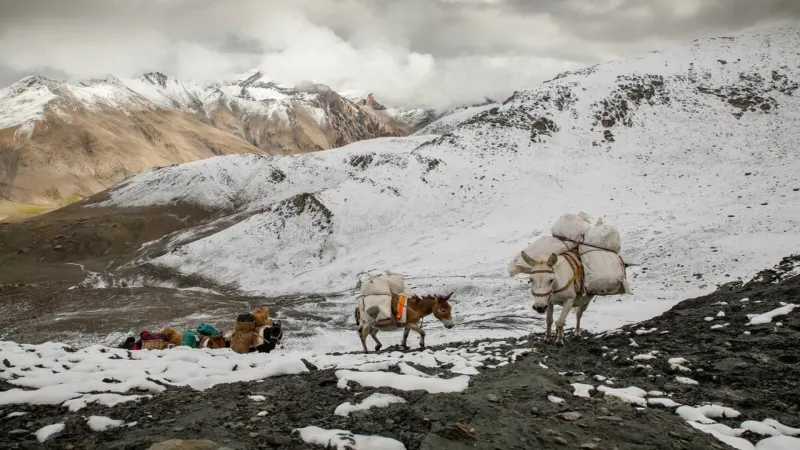
Trips Starting from Far & Mid-Western Nepal
Hand-crafted itineraries that start in Far & Mid-Western Nepal, from a single sunrise day-trip to multi-week Himalayan expeditions.
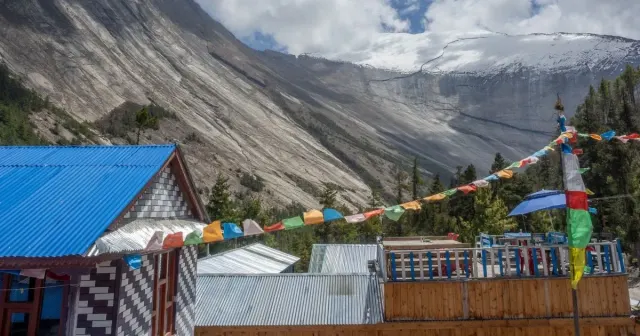
Swargadwari Pilgrimage Tour
7 daysFrom $1,090
Api Himal Trekking
18 daysFrom $2,455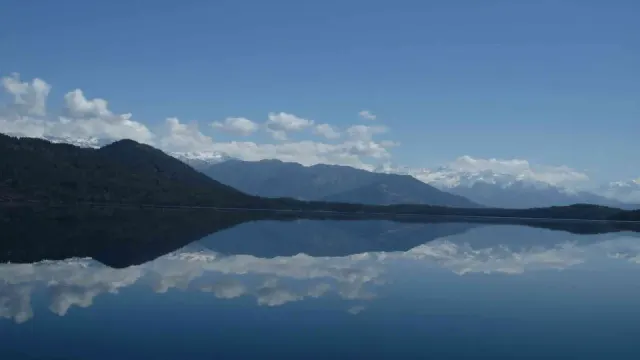
Rara Lake Trek
14 daysFrom $2,675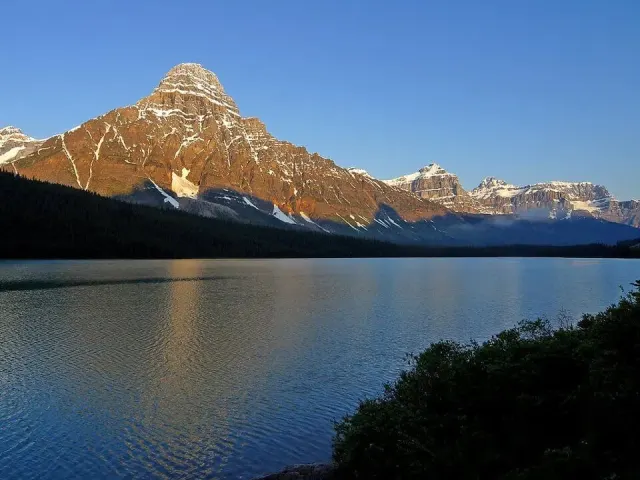
Khaptad National Park Trek
12 daysFrom $2,600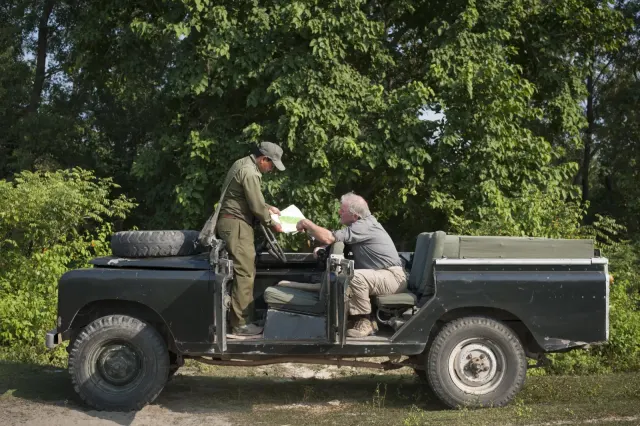
Bardiya National Park Safari
7 daysFrom $1,100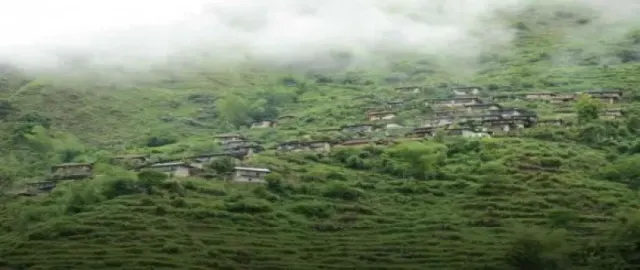
Jaljala Trek
13 daysFrom $1,765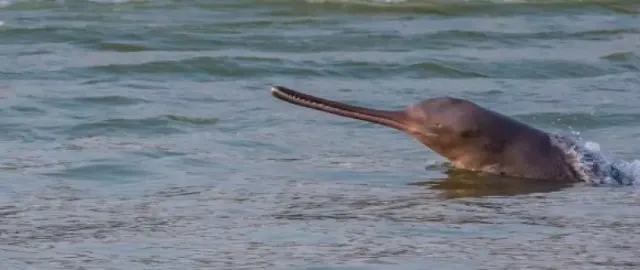
Dolphin Watching - Nepal
8 daysFrom $1,765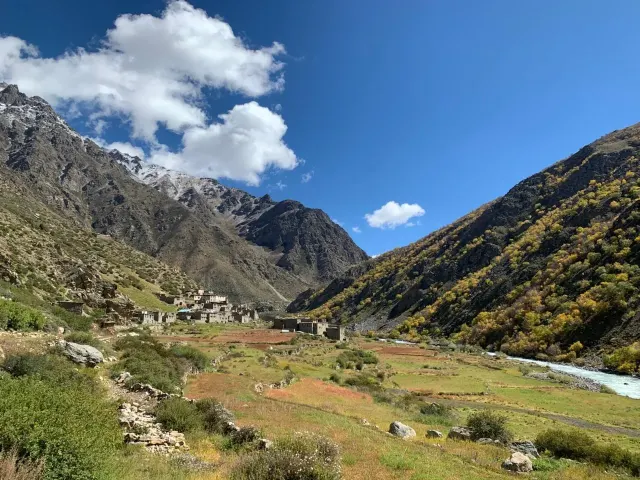
Humla Limi Valley Trek
20 daysFrom $3,890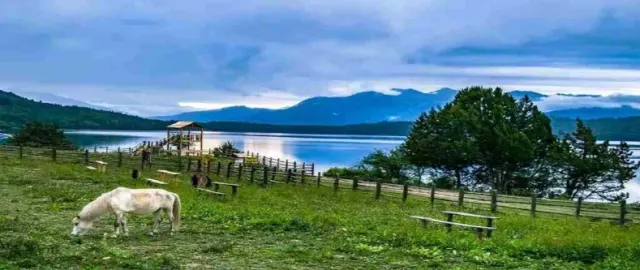
7 Days Rara Lake Trek
7 daysFrom $900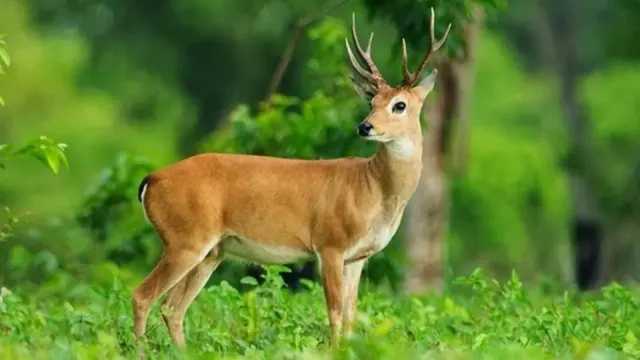
Suklaphanta National Park (Safari)
7 daysFrom $1,765Jungle safari in Nepal
18 daysFrom $2,150
Where Nepal Looks Like Nepal Used To
The far-western and mid-western hills are the least developed and least visited part of Nepal, isolated by geography first and politics later. The contrast is stark: Annapurna and Everest absorb the overwhelming majority of the country's trekkers, while the entire far west sees a couple of thousand. Empty trails are the whole proposition here, and you trade comfort for them.
Rara National Park holds Rara Lake, Nepal's largest at 10.8 km², sitting at 2,990 m in a bowl of blue pine with snow ridges behind it. Khaptad National Park, further west, is different in kind: a rolling pastoral plateau between 3,000 and 3,300 m, 225 km² of meadow and juniper, where the Hindu mystic Khaptad Baba lived for around 50 years. Neither looks like the Himalaya people picture, which is the point.
Rara and Khaptad ask more of you than the Khumbu does. Expect homestays with Tharu, Khas and Magar families rather than teahouse menus, simple guesthouses on the Rara loop, and genuine wilderness in the Api Nampa Conservation Area on the Tibet and India borders. A paved road now reaches Jumla, which is changing access quickly. If you want what the Khumbu was before the crowds, this is where it still is, and it will not stay that way. Compare it with Dolpo, the other genuinely remote corner.
Things to do in Far & Mid-Western Nepal
Standout experiences hand-picked by our local guides.
- 01Rara LakeNepal's largest lake, 10.8 km² of turquoise at 2,990 m in blue-pine forest. A 3 to 4 day loop circles it.
- 02Khaptad National Park225 km² of high meadow, juniper and shrine. The mystic Khaptad Baba meditated here for about 50 years.
- 03Api Nampa Conservation AreaWilderness on the Tibet and India borders, under Api (7,132 m) and Nampa (6,757 m). Genuinely off-trail.
- 04Bardia National Park968 km² of Terai lowland, Nepal's largest. Wild tiger, one-horned rhino and Tharu villages.
- 05JumlaThe old Kalyal capital and Nepal's red-rice centre. The gateway to Rara, and now reachable by paved road.
- 06Sinja ValleyCradle of the 12th to 14th century Khasa Malla kingdom and the birthplace of the Nepali language. Stone ruins remain.
- 07Khaptad Baba AshramThe ashram where the mystic lived. Pilgrims still gather at his meditation cave.
- 08Doti and AchhamKhas Brahmin and Thakuri hill villages, terraced farming, and the deuda song-and-dance tradition.
Best time to visit Far & Mid-Western Nepal
Spring for rhododendron and wildflower, autumn for clarity. Rara freezes in winter, though the Terai lodges and Bardia stay open all year.
- ★ BEST SEASONSpringMarch – MayRara's pine forest stays green and Khaptad's meadows fill with wildflower by May. Settled weather after the winter snow clears.5°C – 18°C
- MONSOONSummerJune – AugustMonsoon, heavier in the mid-western hills than the far west. Khaptad is a wildflower meadow, but the trails are mud and the leeches are relentless.12°C – 22°C
- ★ BEST SEASONAutumnSeptember – NovemberThe best window. Clear days at Rara, harvest in the Khaptad villages, and the year's sharpest views in Api Nampa.0°C – 16°C
- MONSOONWinterDecember – FebruaryRara often freezes and the pine forest is snowbound. The lower Tharu homestays and Bardia stay open, so the region isn't closed, just halved.-10°C – 8°C