



Varanasi
Uttar Pradesh, India
One of the oldest continuously inhabited cities on Earth and the holiest in Hinduism. Eighty-eight ghats step down to the Ganges, and pilgrims have come here to die for three thousand years.
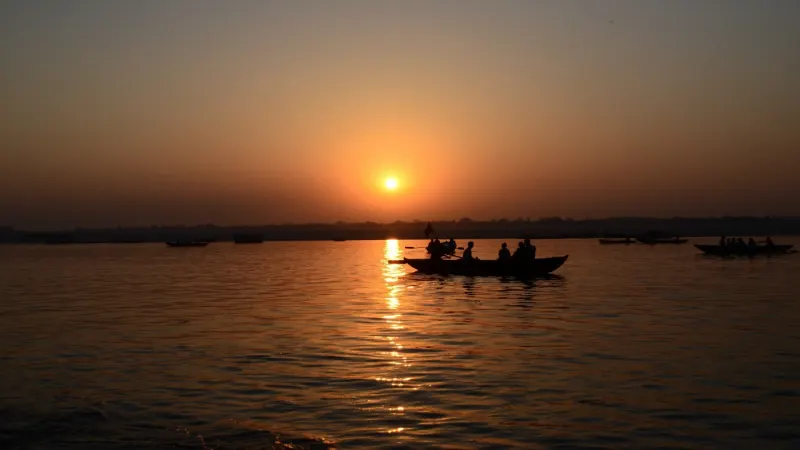
The Holiest City in Hinduism
Varanasi, also called Kashi and Banaras, sits on the western bank of the Ganges in northern India. Tradition calls it the oldest continuously inhabited city in the world, and archaeology puts settlement here at at least 3,000 years. Mark Twain, who was not easily impressed, wrote that it is “older than history, older than tradition, older even than legend, and looks twice as old as all of them put together”.
The city is sacred because Shiva is said to have founded it, and because dying here is believed to break the cycle of rebirth and grant moksha. That belief is not abstract: the Manikarnika ghat has burned continuously for at least 2,500 years and handles on the order of 300 cremations a day. People come to Varanasi specifically to die, and hospices near the ghats exist for exactly that. It is the most confronting and the most extraordinary thing about the city.
Varanasi is also a city of music and silk, though death dominates its reputation. It is the home of Ravi Shankar, and Banarasi saris are the most prized in India and still woven by hand in the old Muslim quarter. It is also a Buddhist site, because the Buddha gave his first sermon at Sarnath, 10 km north. Swotah runs Varanasi as a 2 to 3 day leg on India and Nepal overland trips.
Things to do in Varanasi
Standout experiences hand-picked by our local guides.
- 01Dawn on the GangesA wooden boat at first light as the ghats fill with bathers. The single thing to do if you do nothing else.
- 02Ganga AartiThe nightly fire ritual at Dashashwamedh: seven priests, hundreds of lamps, conch shells. Every evening of the year.
- 03Manikarnika GhatThe main cremation ground, burning for at least 2,500 years. Observe quietly and take no photographs.
- 04SarnathWhere the Buddha gave his first sermon. The Dhamek Stupa and an Ashokan pillar mark it, 10 km out.
- 05Kashi VishwanathOne of Shiva's twelve Jyotirlinga shrines and the holiest Shiva temple in India, recently given a new corridor to the river.
- 06Silk WeaversBanarasi saris still handwoven in the old Muslim quarter, on a craft roughly 500 years old.
- 07The Old City LanesVishwanath Galli: cows, ascetics, shrines and tea stalls every few metres, and no way to keep your bearings.
- 08Assi GhatThe southernmost main ghat. Quieter than Dashashwamedh, with morning yoga and a more local feel.
Best time to visit Varanasi
Avoid the Indian summer, which is genuinely punishing here. November to February is gentle, and the monsoon is humid but workable.
- MONSOONSpringMarch – MayApril and May pass 40 °C by afternoon. Dawn and evening on the ghats stay pleasant, but daytime sightseeing is punishing and not worth planning around.18°C – 40°C
- MONSOONSummerJune – AugustMonsoon. The river runs high and muddy, the lower ghats can flood, and boat services suspend at peak flow. Humid throughout.25°C – 35°C
- ★ BEST SEASONAutumnSeptember – NovemberFestival season, and the Aarti is at its grandest. Dev Diwali in November lights every ghat with thousands of oil lamps and is worth planning a trip around.18°C – 32°C
- ★ BEST SEASONWinterDecember – FebruaryThe most comfortable months: cool on the river at dawn, warm by midday. Fog in late December occasionally delays the dawn boats and the flights in.6°C – 22°C