




Bali
Island of Gods
An Indonesian island where 4.3 million Hindus live in a country of 280 million Muslims — a 5,780 km² volcanic landscape of black-sand beaches, terraced rice paddies, sacred volcanoes and 20,000 temples.
Hindu Island in a Muslim Archipelago
Bali is one of Indonesia's 17,000+ islands — a 5,780 km² volcanic shield surrounded by the Indian Ocean and the Java Sea. The island's distinctive culture comes from being ~87% Hindu in a country that is otherwise 87% Muslim. This anomaly survived because the Majapahit empire's elite, fleeing Java's 16th-century Islamic conquest, found refuge on Bali and brought their religious and artistic traditions intact.
The result is a uniquely Balinese form of Hinduism that blends Indic gods with local ancestor worship, animist spirits and Buddhist elements. Every house has a family shrine; every village has at least three communal temples; offerings (canang sari) are placed on streets, doorways and dashboards every morning. With ~20,000 temples in total, Bali has more shrines per capita than India.
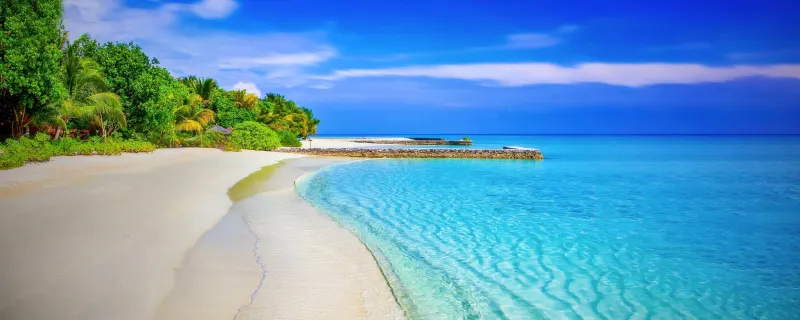
For travellers, Bali is the most fully developed tropical destination in Asia — backed by direct flights from most Asian capitals (including Kathmandu via Singapore), world-class surf, the rice-terrace highlands around Ubud, the volcanic Mount Agung and Mount Batur, and a tourism industry that hosts 6.3 million international arrivals annually (2023). Swotah Travel arranges Bali as a multi-country itinerary add-on for Nepal-Indonesia combined trips.
Things to do in Bali
Standout experiences hand-picked by our local guides.
- 01Ubud Rice TerracesTegallalang and Jatiluwih — UNESCO-listed traditional Balinese rice paddies with the ancient subak irrigation system.
- 02Tanah Lot Sea TempleAn iconic Hindu temple on a rocky outcrop, accessible only at low tide. Sunset visits are unforgettable.
- 03Mount Batur Sunrise TrekA 2-hour pre-dawn climb to the rim of an active volcano (1,717 m). Sunrise over Mount Agung is the reward.
- 04Uluwatu Cliff TempleA 70-metre cliff-edge Hindu temple on the southern tip. The Kecak fire dance at sunset is a Bali essential.
- 05Ubud Monkey ForestA sacred sanctuary with 1,200 long-tailed macaques and three 14th-century temples nestled in a mossy ravine.
- 06Sidemen & Eastern BaliThe quieter eastern side around Mount Agung — terraced rice fields, ikat weaving villages, and homestays in working farms.
- 07Sanur & Nusa LembonganCalm beaches and the ferry to Nusa Lembongan's snorkelling reefs and Manta Bay manta ray cleaning stations.
- 08Tirta Empul Holy SpringA 10th-century purification temple where pilgrims bathe in 13 stone-carved water spouts — fed by a sacred underground spring.
Best time to visit Bali
Bali's dry season is May to October. Year-round tropical warmth means rain affects mood more than feasibility.
- ★ BEST SEASONSpringMarch – MayThe wet season ends in March. April-May offers warm, dry weather, lush green rice paddies, and fewer tourists than peak summer.23°C – 32°C
- ★ BEST SEASONSummerJune – AugustPeak season. Driest, coolest weather. Heavy demand — book Ubud and beach hotels months ahead, especially August.22°C – 31°C
- ★ BEST SEASONAutumnSeptember – NovemberSeptember-October offers the best balance — dry weather, lower prices, and the start of the cultural calendar (Galungan in some years).23°C – 32°C
- MONSOONWinterDecember – FebruaryThe full wet season. Daily downpours and high humidity. Some surf breaks come alive, but rice terrace photos are cloudy.24°C – 31°C