


Ladakh
Land of High Passes
A high-altitude desert kingdom on the Tibetan plateau. Ladakh — Indian-administered since 1947 — preserves Tibetan Buddhist culture that has all but vanished across the border, in a landscape of ochre canyons, turquoise lakes and 18,000-foot motorable passes.
The Last Living Tibetan Buddhism
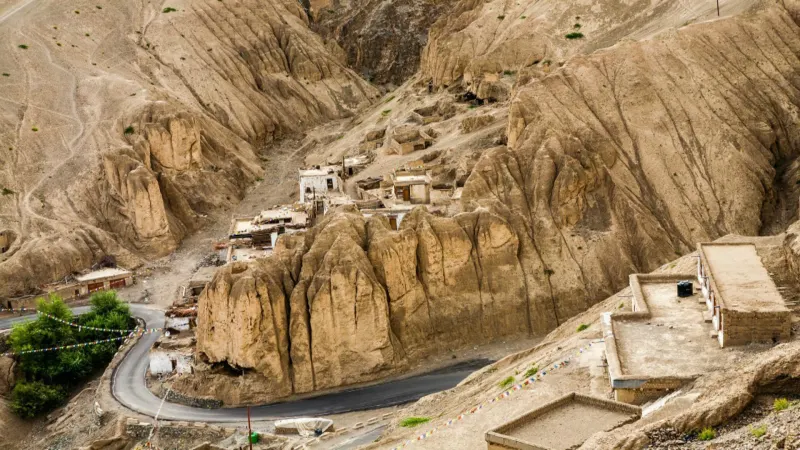
Ladakh occupies the trans-Himalayan plateau of northern India — a 59,146 km² region that became a Union Territory of India in 2019. The capital Leh sits at 3,500 metres, on the ancient Silk Road branch that once connected Kashgar to Lhasa. The population of just ~290,000 spread across an area larger than Portugal makes Ladakh one of the world's most thinly inhabited regions.
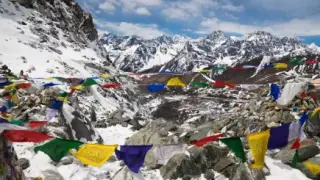
Culturally, Ladakh is the most intact pocket of Tibetan Buddhist civilisation remaining. While Tibet itself has been transformed under Chinese rule, Ladakhi monasteries (gompas) at Hemis, Thiksey, Diskit and Alchi preserve 1,000+ year-old religious art, masked dance traditions, and the social fabric of Vajrayana Buddhism. The Hemis Festival in late June/early July is one of South Asia's great Buddhist spectacles.
For travellers, Ladakh's drawcards are the highest motorable roads in the world (Khardung La at 5,359 m), pristine high-altitude lakes (Pangong Tso, Tso Moriri), monastery circuits, and treks like the Markha Valley and Zanskar's frozen-river Chadar walk. The region is accessible by air from Delhi year-round and by road only June-September when the passes from Manali and Srinagar open.
Things to do in Ladakh
Standout experiences hand-picked by our local guides.
- 01Pangong Tso LakeA 134 km saltwater lake at 4,225 m straddling the India-China border. The colour shifts hourly from azure to turquoise to indigo.
- 02Hemis MonasteryLadakh's largest and wealthiest gompa, founded in 1672. Famous for its biennial summer Hemis Festival of masked dances.
- 03Thiksey MonasteryA 12-storey hilltop gompa shaped like a miniature Potala — sunrise prayers are unforgettable.
- 04Khardung La PassOfficially the world's highest motorable road at 5,359 m, the gateway to the Nubra Valley north of Leh.
- 05Nubra ValleyA trans-Karakoram valley with Bactrian (two-humped) camels, sand dunes at Hunder, and the giant Diskit Buddha statue.
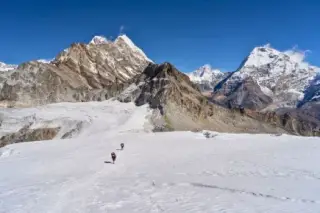
- 06Markha Valley TrekA 7-9 day classic Ladakh trek crossing two 5,000+ m passes and visiting traditional villages — the region's most accessible big trek.
- 07Alchi Choskor MonasteryAn 11th-century monastery preserving the oldest known Tibetan Buddhist murals — pre-dating the standard Tibetan iconographic schools.
- 08Chadar Frozen River TrekA January-February-only winter trek along the frozen Zanskar River — six days walking on ice through 1,000-foot canyons.
Best time to visit Ladakh
Ladakh's high desert is summer-only by road. By air, it's accessible most of the year except deep January.
- MONSOONSpringMarch – MayRoads from Manali and Srinagar remain closed by snow until late May or June. Fly-only access. Apricot blossom in lower villages.-5°C – 18°C
- ★ BEST SEASONSummerJune – AugustThe full Ladakh experience. All passes and roads open, Hemis Festival in late June, trekking season for Markha and Stok Kangri.10°C – 26°C
- ★ BEST SEASONAutumnSeptember – NovemberCrystal-clear skies, golden poplar leaves in the valleys, and the final road window before Khardung La and Chang La close in late October.0°C – 18°C
- MONSOONWinterDecember – FebruaryRoads closed. Fly-only. Chadar frozen-river trek in January-February attracts a small band of winter trekkers.-20°C – 5°C