




Varanasi
Uttar Pradesh, India
One of the oldest continuously inhabited cities on Earth and among the holiest in Hinduism. Eighty-eight ghats step down to the Ganges, and pilgrims have come here to die for many centuries.
- Altitude
- 80 m
- Ghats
- 88
- Continuously Inhabited
- 3,000+ years
- Population
- ~1.4 million
About Varanasi
The Holiest City in Hinduism
Varanasi, also called Kashi and Banaras, sits on the western bank of the Ganges in northern India. Tradition calls it the oldest continuously inhabited city in the world, and archaeology puts settlement here at about 3,000 years. Mark Twain wrote that it is “older than history, older than tradition, older even than legend, and looks twice as old as all of them put together”.
The city is sacred because Shiva is said to have founded it, and because dying here is believed to break the cycle of rebirth and grant moksha. The Manikarnika ghat is the main cremation ground, with pyres burning day and night, and tradition holds that its fire has not gone out in centuries. People come to Varanasi specifically to spend their last days, and hospices near the ghats exist for them.
Varanasi is also a city of music and silk. It is the birthplace of Ravi Shankar, and Banarasi saris are still woven by hand in the old weavers' quarters. It matters to Buddhists too, because the Buddha gave his first sermon at Sarnath, 10 km north. Swotah can add Varanasi as a 2 to 3 day extension to a Nepal trip; ask us for an itinerary, or see cultural tours for what we run now.
Things to do in Varanasi
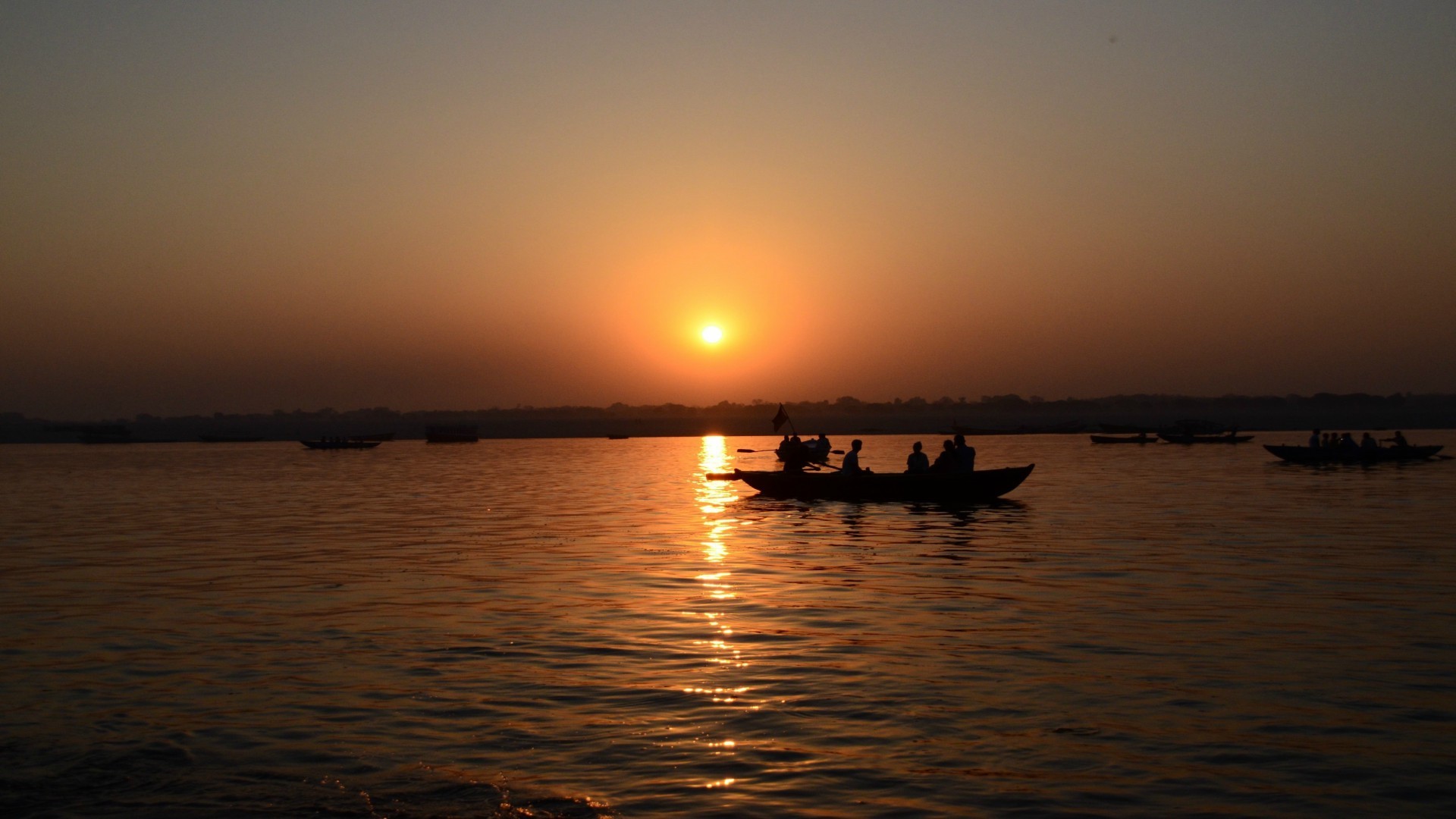
Dawn on the Ganges
A wooden boat at first light as the ghats fill with bathers. The one thing to do if you do nothing else.
Ganga Aarti
The nightly fire ritual at Dashashwamedh: seven priests, hundreds of lamps, conch shells. Every evening of the year.
Manikarnika Ghat
The main cremation ground, with pyres burning day and night. Observe quietly and take no photographs.
Sarnath
Where the Buddha gave his first sermon. The Dhamek Stupa and an Ashokan pillar mark it, 10 km out.
Kashi Vishwanath
One of Shiva's twelve Jyotirlinga shrines and among the holiest Shiva temples in India, with a new corridor to the river opened in 2021.
Silk Weavers
Banarasi saris still handwoven in the old weavers' quarters, on a craft many centuries old.
The Old City Lanes
Vishwanath Galli: cows, ascetics, shrines and tea stalls every few metres, in lanes that are easy to get lost in.
Assi Ghat
The southernmost main ghat. Quieter than Dashashwamedh, with morning yoga and a more local feel.
Best time to visit Varanasi
Avoid the Indian summer, when afternoons pass 40 °C. November to February is mild, and the monsoon is humid but workable.
- Jan: Best
- Feb: Best
- Mar: Good
- Apr: Off-season
- May: Avoid
- Jun: Avoid
- Jul: Off-season
- Aug: Off-season
- Sep: Good
- Oct: Best
- Nov: Best
- Dec: Best
- Off-season
Spring
March to MayApril and May pass 40 °C by afternoon. Dawn and evening on the ghats stay pleasant, but plan to stay indoors through the middle of the day.
18°C to 40°C - Off-season
Summer
June to AugustMonsoon. The river runs high and muddy, the lower ghats can flood, and boat services suspend at peak flow. Humid throughout.
25°C to 35°C - Best season
Autumn
September to NovemberFestival season, and the Aarti is at its grandest. Dev Diwali in November lights every ghat with thousands of oil lamps and is worth planning a trip around.
18°C to 32°C - Best season
Winter
December to FebruaryThe most comfortable months: cool on the river at dawn, warm by midday. Fog in late December occasionally delays the dawn boats and the flights in.
6°C to 22°C
Varanasi FAQs
Can you photograph the cremations at Manikarnika?
Why do Hindus come to Varanasi to die?
Is the dawn boat trip worth it?
How many days do you need in Varanasi?
What is Sarnath?
When should I visit?
How do I get to Varanasi from Nepal?
Plan your Varanasi trip
Send us your dates and interests, and a Kathmandu-based trip planner will reply with a route and a price.