

Lhasa
Tibet Autonomous Region, 3,656 m
The seat of the Dalai Lamas, at 3,656 m on the Tibetan plateau. The Potala Palace and the Jokhang have anchored pilgrimage here for over a thousand years. Foreigners need a permit and a guide; independent travel is not allowed.
Trips Starting from Lhasa
Hand-crafted itineraries that start in Lhasa, from a single sunrise day-trip to multi-week Himalayan expeditions.
.webp)
Kailash Mansarovar Heli Tour
10 daysFrom $4,010
Mount Shishapangma Expedition
44 daysFrom $11,900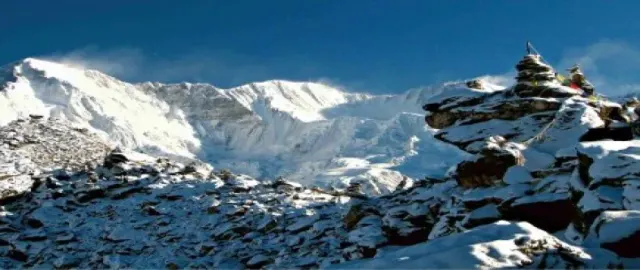
Cho Oyu Expedition
44 daysFrom $27,000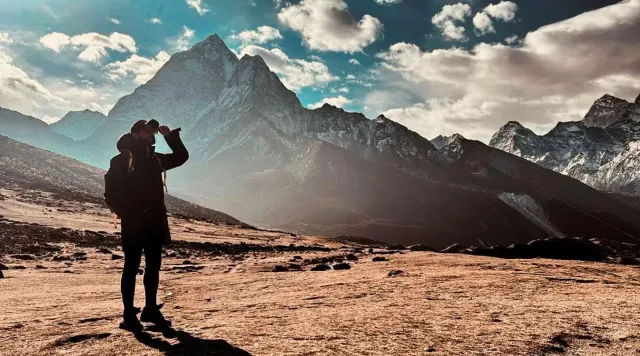
Mount Kailash Tour with Everest Base Camp
15 daysFrom $2,999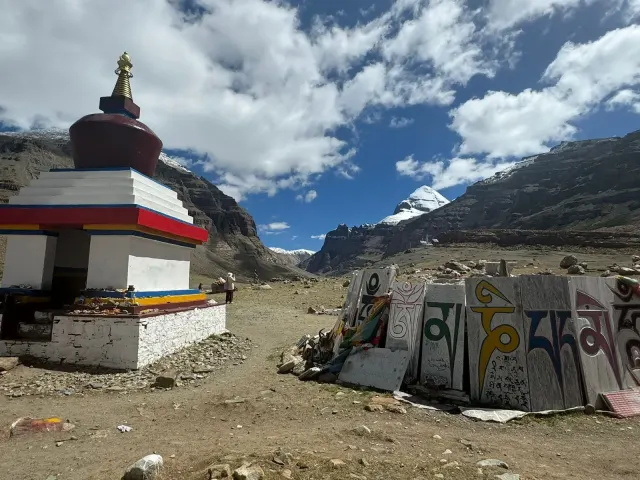
Kailash Mansarovar Overland Tour
18 daysFrom $2,550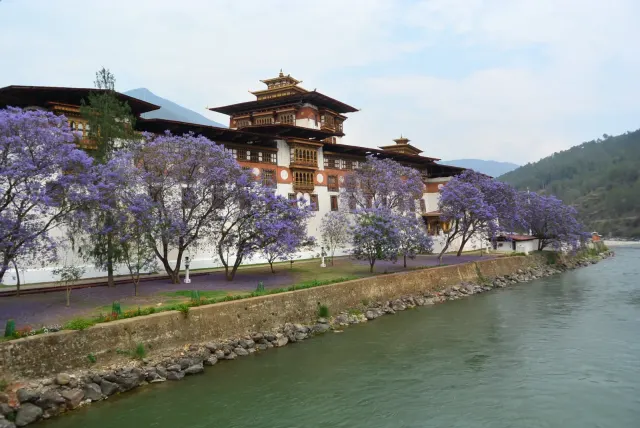
Best of Nepal, Bhutan and Tibet
21 daysFrom $3,450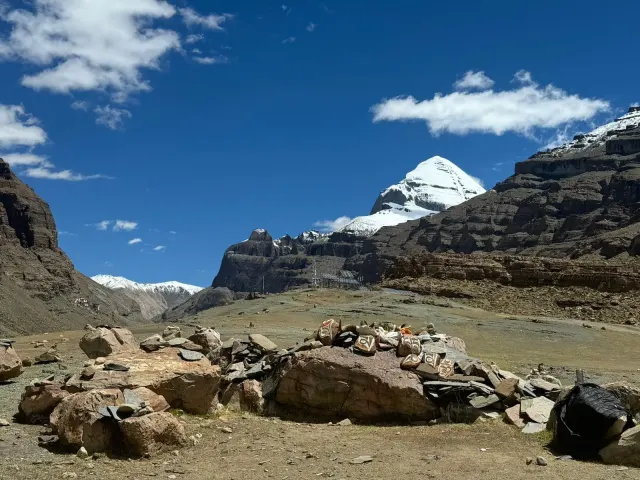
Kailash Mansarovar via Limi Valley
25 daysFrom $3,995
A Thousand Years of Pilgrimage
Lhasa means “place of gods” in Tibetan, and it sits at 3,656 m, high enough that most visitors feel it on the first day. King Songtsen Gampo founded the city in the 7th century and built the Jokhang after a vow with his Chinese and Nepali queens to spread Buddhism through the kingdom. The Jokhang is still the most sacred building in Tibet, and pilgrims walk the Barkor circuit around it every day, many prostrating the full way.
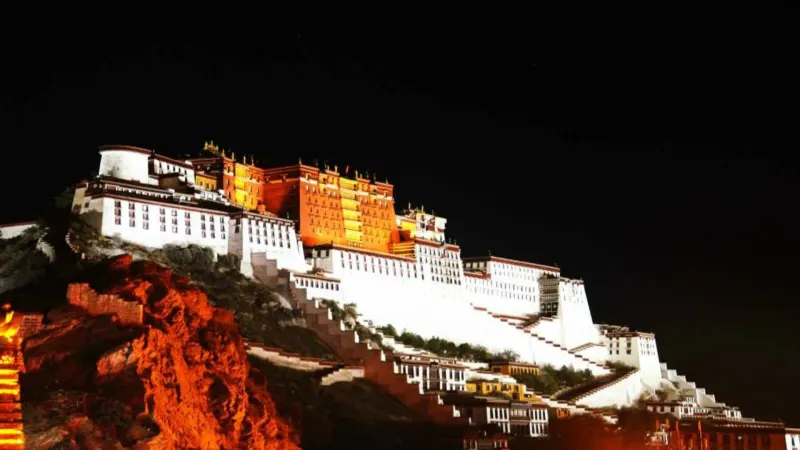
The Potala Palace stands on Red Hill above the city and was the residence of the Dalai Lamas from the 17th century until the 14th Dalai Lama's exile in 1959. UNESCO listed it in 1994 and extended the listing to the Jokhang and the Norbulingka summer palace in 2000 and 2001. It holds around 1,000 rooms and 10,000 shrines. Entry is by timed ticket with a fixed slot, and you cannot linger.
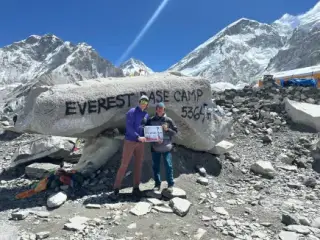
Getting into Tibet is the part to plan for. Every foreign visitor needs a Tibet Travel Permit in addition to a Chinese visa, must travel with a licensed guide, and cannot travel independently. Permits are issued to agencies, never to individuals. Lhasa is also the staging point for Everest Base Camp on the north side, for Mount Kailash, and for the overland route to Nepal on the Friendship Highway. Most itineraries spend 3 to 4 days in the city before going anywhere.
Things to do in Lhasa
Standout experiences hand-picked by our local guides.
- 01Potala PalaceThirteen storeys and around 1,000 rooms. The Red Palace for religion, the White for government. Entry is by timed ticket.
- 02Jokhang TempleFounded around 642 AD and the most sacred building in Tibet. The Barkor circuit around it is the spiritual centre of Lhasa.
- 03Sera MonasteryKnown for the debating courtyard, roughly 3pm to 5pm, where monks argue Buddhist logic with rhythmic hand claps.
- 04Drepung MonasteryOnce the largest monastery in the world, with 10,000 monks. The Dalai Lama's seat before the Potala was built.
- 05NorbulingkaThe summer palace: 36 hectares of garden, pools and pavilions on the edge of the city.
- 06Barkor BazaarThe pilgrimage circuit doubles as the main market. Thangkas, prayer wheels, butter tea and turquoise.
- 07Yamdrok LakeA sacred turquoise lake at 4,441 m, about 3 hours south. The pass above it is the classic Tibet photograph.
- 08Tsetang and the Yarlung ValleyWhere Tibetans trace their origin, with the old kings' burial mounds at Chongye.
Best time to visit Lhasa
Spring and autumn are the most settled. Summer brings rain to the southern valleys rather than to Lhasa itself; winter is cold, clear and very quiet.
- ★ BEST SEASONSpringMarch – MaySettled after winter, with Saga Dawa in late May and the start of the trekking season. Note that permits are often suspended around late February and March.0°C – 18°C
- MONSOONSummerJune – AugustTibet's light monsoon. Lhasa stays warm and mostly dry, but the roads south towards Everest and Nepal see afternoon rain.10°C – 24°C
- ★ BEST SEASONAutumnSeptember – NovemberThe clearest skies of the year, and harvest festivals in the villages around the city through October.0°C – 18°C
- GOODWinterDecember – FebruaryCold but sharp, with few visitors and lower prices. Losar, Tibetan New Year, falls in February, though foreign access is often restricted around it.-10°C – 8°C