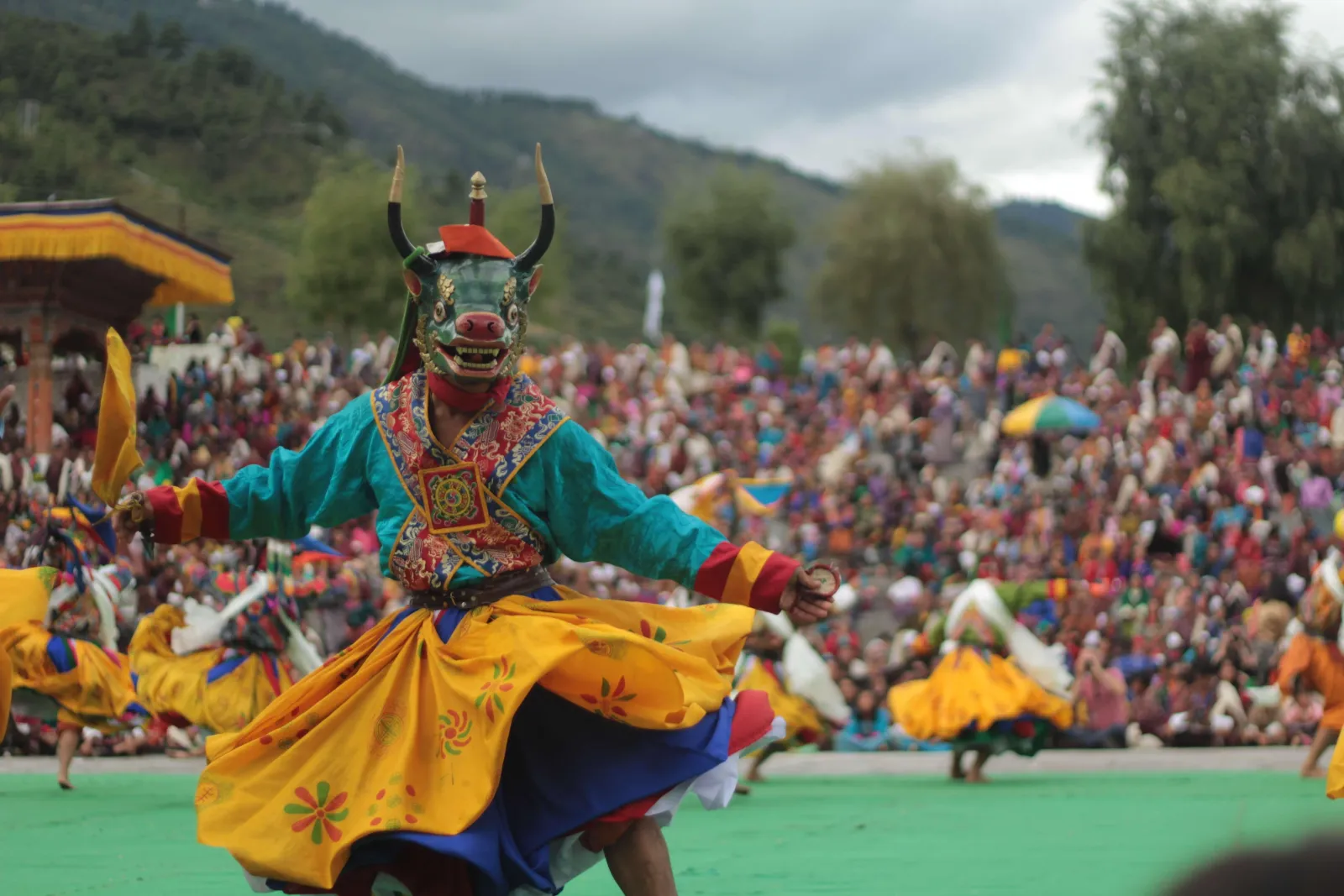
A 15-day Tibet road tour: Lhasa heritage, Tibet-side Everest Base Camp at 5,200 m and the three-day Kailash Kora over Dolma La Pass at 5,630 m.
Duration
15 Days
Max Altitude
5,630 m / 18,471 ft
Difficulty
Moderate
Group Size
Max 7 trekkers
Region
Lhasa, Tibet
Best Season
Spring · Autumn
Accommodation
Hotels & guesthouses throughout
Meals
Breakfast & dinner; packed lunch on drives
Transport
Private 4WD Land Cruiser convoy
Dates & Prices
Choose your date
All dates are guaranteed departures — we never cancel for low numbers. Book online or send a quick enquiry.
YearMonth
4 departures · 2026
Oct
10
Oct 10, 2026 — Oct 24, 2026
Guaranteed departure — from 2 trekkers
Available
USD4,950
per person
Oct
16
Oct 16, 2026 — Oct 30, 2026
Guaranteed departure — from 2 trekkers
Available
USD5,950
per person
Nov
8
Nov 8, 2026 — Nov 22, 2026
Guaranteed departure — from 2 trekkers
Available
USD5,950
per person
Nov
15
Nov 15, 2026 — Nov 29, 2026
Guaranteed departure — from 2 trekkers
Available
USD4,950
per person
Can’t find a suitable date? We run private departures on any date with as few as 2 trekkers.
Trip Overview
About the Mount Kailash Tour with Everest Base Camp
Mount Kailash Tour with Everest Base Camp is a 15-day road pilgrimage across the Tibetan Plateau that links two of Asia's most powerful high-altitude destinations. The route begins in Lhasa, crosses the Brahmaputra valley to the Tibet-side Everest Base Camp at 5,200 m, continues west to Mount Kailash, and completes the sacred Kailash Kora over Dolma La Pass at 5,630 m before returning to Lhasa. It is designed as a group tour with a licensed Tibetan guide, and every permit is arranged by Swotah.
The Kailash Kora is a 52 km three-day circuit that Hindus, Buddhists, Jains and followers of Bon regard as the holiest walk on earth. Day one of the Kora reaches Diraphuk at 4,700 m for the first view of Kailash's north face. Day two crosses Dolma La at 5,630 m, the highest and most demanding point of the entire trip. Day three descends to Darchen, closing the circuit. The Tibet-side Everest Base Camp, reached via the Rongpuk Monastery, gives a ground-level view of the North Face that is impossible from the Nepal side.
The trip also covers Lhasa's core monuments: the Potala Palace, Jokhang Temple and the Barkhor circuit, Gyantse's Kumbum stupa, and the Tashilhunpo Monastery in Shigatse, seat of the Panchen Lama. Altitude acclimatisation in Lhasa for two days before departure is built into the schedule. China's Tibet Travel Permit and CMA (Alien's Travel Permit) are required and Swotah handles both. Read the permit, health and season sections below before booking.
Last updated June 2026
Trip Highlights
Highlights
1
Potala Palace, Jokhang Temple and the Barkhor circuit in Lhasa
2
Tibet-side Everest Base Camp at 5,200 m via Rongpuk Monastery
3
Full three-day Kailash Kora over Dolma La Pass at 5,630 m
4
North face of Mount Kailash from Diraphuk at 4,700 m
5
Sacred to Hindu, Buddhist, Jain and Bon faiths in a single circuit
6
Kumbum stupa in Gyantse and Tashilhunpo Monastery in Shigatse
Day by Day
Mount Kailash Tour with Everest Base Camp Itinerary: 15 Days
Tap any day to expand — altitudes, walking times, meals, and overnight details for every stage of the journey.
A Swotah representative meets you at Lhasa Gonggar Airport and transfers you to your hotel in central Lhasa. The drive takes about 60 minutes. The afternoon is free to rest; the priority on arrival day is to move slowly, drink fluids and avoid exertion above 3,680 m. Your guide runs a group briefing on permits, the day-to-day schedule and altitude safety over a welcome dinner. Overnight in Lhasa.
Sleep at 3,680 mDinner
Tonight’s stay
Hotel
Lhasa acclimatisation day one covers the Potala Palace, the 1,000-room fortress-monastery that was the Dalai Lama's winter residence, perched on Marpo Ri hill at 3,700 m. Entry is by timed permit in groups of 50; tickets are arranged in advance. After the Potala, the afternoon takes in the medieval Barkhor circuit, a pilgrimage kora around the Jokhang Temple where merchants, monks and pilgrims share the same stone lane. Overnight in Lhasa.
Sleep at 3,680 mBreakfastLunchDinner
Tonight’s stay
Hotel
Second acclimatisation day in Lhasa focuses on the Jokhang Temple (7th century, the holiest Buddhist site in Tibet) and the Norbulingka Summer Palace, UNESCO-listed as part of the Historic Ensemble of the Potala Palace. Both are at valley-floor altitude, so the body continues adapting without new stress. The evening is free for the Barkhor market stalls, where you can buy Buddhist ritual objects, Tibetan fabrics and altitude-relevant supplies not yet sourced. Overnight in Lhasa.
Sleep at 3,680 mBreakfastLunchDinner
Tonight’s stay
Hotel
The first road day heads south-west from Lhasa over the Kamba La Pass (4,794 m) with a view of Yamdrok Lake, a 72 km turquoise sacred lake. The route descends to Gyantse (4,040 m), home of the Pelkor Chode Monastery and the Kumbum stupa, a 9-storey, 108-chapel mandala structure built in 1427 that is unique in Tibet. The afternoon is spent at the monastery before an overnight in Gyantse.
Sleep at 4,040 mBreakfastLunchDinner
Tonight’s stay
Hotel
A short morning drive covers the 96 km to Shigatse (3,840 m), Tibet's second city and the seat of the Panchen Lama at Tashilhunpo Monastery. The monastery, founded in 1447, houses a 26 m gilded statue of the Maitreya Buddha and the tombs of past Panchen Lamas. The afternoon is free for the Shigatse market or extra rest before the long drives that begin the following day. Overnight in Shigatse.
Sleep at 3,840 mBreakfastLunchDinner
Tonight’s stay
Hotel
The longest single day of the road section leaves Shigatse at dawn along the Friendship Highway, covering roughly 250 km to the Rongpuk Valley. The Rongpuk Monastery (5,000 m) is the highest functioning monastery in the world and offers the first clear view of Everest's north face above the valley. From Rongpuk, a short drive or 20-minute walk reaches the Tibet-side Everest Base Camp at 5,200 m, where expedition tents are visible against the Khumbu and Rongpuk Glaciers. Move slowly, eat and drink regularly, and watch for headache or nausea. Overnight at Rongpuk guesthouse.
Sleep at 5,200 mBreakfastLunchDinner
Tonight’s stay
Guesthouse
After an early morning at Rongpuk for photography and a final view of the north face, the day is largely in the Land Cruiser heading west toward Saga (4,600 m). The drive crosses high-altitude grassland with scattered nomadic camps and yak herds; roadside stops at hot-spring pools near Peiku Tso Lake are possible depending on the group pace. Saga is a small transit town on the Brahmaputra (Yarlung Tsangpo) and the last point with a reasonable range of supplies before Kailash. Stock energy bars, electrolyte tablets and water filters here if not already done. Overnight in Saga.
Sleep at 4,600 mBreakfastLunchDinner
Tonight’s stay
Guesthouse
The final approach to Kailash covers the most remote section of the entire route, passing Rakshastal and Manasarovar lakes along the southern shore before reaching Darchen (4,560 m) at the base of Kailash. Manasarovar (4,590 m) is considered by Hindus and Buddhists to be the highest freshwater lake in the world and is itself a pilgrimage destination. The first view of Mount Kailash (6,638 m), with its distinctive trapezoidal snow cap, usually appears in the last hour of the drive. Overnight in Darchen.
Sleep at 4,560 mBreakfastLunchDinner
Tonight’s stay
Guesthouse
The Kailash Kora begins at Darchen's Tarboche flagpole, the traditional starting marker. The trail follows the Lha Chu River north into the valley between the outer range and Kailash's southern face, passing the Chuku (Nyenri) Monastery at 4,600 m and the four-faced Kailash viewpoints at the valley turns. Diraphuk Guesthouse (4,700 m) sits directly below the north face; the views of the vertical 2,000 m ice wall are the most dramatic on the entire Kora. Altitude gain on day one is modest but the distance and the altitude floor keep pace honest. Overnight at Diraphuk.
Sleep at 4,700 mBreakfastLunchDinner
Tonight’s stay
Guesthouse
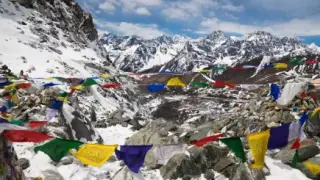
Dolma La Pass at 5,630 m is the highest point of the entire tour and the spiritual climax of the Kailash Kora. The ascent from Diraphuk gains roughly 900 m over about 8 km, with the steepest ground in the final kilometre below the pass. The saddle is marked by a cairn of prayer flags where pilgrims prostrate and leave offerings; do the same ritually or simply pause, eat and check your pulse oximeter reading before beginning the long descent. The descent to Zuthulphuk (4,790 m) is knee-intensive over 10 km of rough trail. Overnight at Zuthulphuk guesthouse.
Sleep at 5,630 mBreakfastLunchDinner
Tonight’s stay
Guesthouse
The final stretch of the Kora is a short 7 km descent along the Dzong Chu valley back to Darchen, completing the circuit. Most groups finish by mid-morning, which leaves the afternoon for recovery, laundry and a rest meal in Darchen. If your body and permits allow, a short walk south to Manasarovar's shore before the evening is worth the detour. Overnight in Darchen.
Sleep at 4,560 mBreakfastLunchDinner
Tonight’s stay
Guesthouse
The return drive east retraces the Manasarovar shore road to Saga. After three days on the Kora, the long ride is welcome. Many participants use this day for offline writing, photography review or sleep. Saga's guesthouses are a significant step up from the Kora teahouses. Overnight in Saga.
Sleep at 4,600 mBreakfastLunchDinner
Tonight’s stay
Guesthouse
The second long return day covers the western plateau road back to Shigatse (3,840 m). The Yamdrok Lake viewpoint and Gyantse pass are revisited from the opposite direction. Shigatse's relative comforts, a hot shower and a varied restaurant menu, feel significant after the Kailash section. Overnight in Shigatse.
Sleep at 3,840 mBreakfastLunchDinner
Tonight’s stay
Hotel
The final drive returns to Lhasa along the Friendship Highway, arriving early afternoon. The rest of the day is free for a last walk along the Barkhor, shopping at the market, or a quiet hour at the Jokhang. Your guide collects permits and handles any administrative requirements before departure. Final group dinner in Lhasa. Overnight in Lhasa.
Sleep at 3,680 mBreakfastLunchDinner
Tonight’s stay
Hotel
A Swotah representative transfers you to Lhasa Gonggar Airport for your onward flight. Departure times vary; let us know your flight details so the transfer is timed correctly. If you would like to extend your stay in Lhasa or add a post-tour day in Kathmandu or Chengdu, Swotah can arrange it. Safe travels.
BreakfastLunch
What’s included
What's included
Every cost on the trail is broken out below — no hidden fees, no surprises at the trailhead.
Included
9 items
Airport transfers;
Lodge/guesthouse during the tour;
Guided sightseeing tour in Lhasa, along with ticket fees;
All meals (breakfast, lunch, dinner) during the tour;
Authorized English-speaking guide for the tour;
All expenses for all staff: meals, accommodation, salary, equipment, insurance, transportation;
All necessary paperwork;
Medical kit (carried by your trek leader);
Government tax.
Not included
8 items
International flights;
Visa fees to Nepal and Tibet;
Travel and rescue insurance;
Personal expenses (phone calls, laundry, bar bills, battery recharge, extra porters, bottle or boiled water, shower, etc.);
Tips for guide(s) and driver(s);
Yaks and herders at Mt. Kailash;
The bus fee at Mt. Kailash is USD 17 per person, and at Manasarovar, it is USD 43 per person.
Lunches and dinners in Kathmandu and Lhasa.
How Hard Is the Mount Kailash Tour with Everest Base Camp?
Mount Kailash Tour with Everest Base Camp is a strenuous high-altitude group tour. Three days of the Kailash Kora involve trekking 52 km at elevations between 4,560 m and 5,630 m on Dolma La Pass. The two acclimatisation days in Lhasa at 3,680 m are essential preparation, and participants should arrive in good cardiovascular health.
▲Strenuous. High altitude (max 5,630 m). Long driving days plus 3-day Kailash Kora walk. Good fitness required.
Overall Rating
4
Moderate
out of 10 · physical effort scale
Max altitude5,630 m
Trekking days13 days
Trip Details
Planning your Mount Kailash Tour with Everest Base Camp
Everything you need to plan the trek, topic by topic. Tap any one to open it.
Mount Kailash Tour with Everest Base Camp is a strenuous, high-altitude group to…
Mount Kailash Tour with Everest Base Camp is a strenuous, high-altitude group tour, and the three-day Kailash Kora is the physical centrepiece. Day one of the Kora covers 20 km to Diraphuk at 4,700 m over six to seven hours. Day two, the Dolma La day, climbs to 5,630 m over 18 km in six to eight hours and is the hardest single day on the entire trip. Day three is a shorter descent of 7 km back to Darchen. Most participants are not mountaineers, but prior hill-walking or trekking experience at altitude is a real advantage.
The two rest days in Lhasa at 3,680 m are built-in acclimatisation. Do not skip them and do not arrive in Lhasa the same morning your tour departs. People with a history of heart disease, severe asthma or a previous serious episode of acute mountain sickness should consult their doctor before booking. Swotah recommends carrying Diamox (acetazolamide) and discusses dosage in the health briefing on arrival. On the long driving days, altitudes rarely drop below 4,500 m once you leave Shigatse, so the body stays at altitude throughout.
May to October is the open season for Mount Kailash and the Tibet Autonomous Reg…
May to October is the open season for Mount Kailash and the Tibet Autonomous Region, and most groups travel between May and September to avoid the harshest weather. April and October are possible but cold, with snow on Dolma La. The Tibet border with Nepal is typically open year-round, but the CMA permit issuance schedule follows Beijing's rules and can close with little notice, so confirm permit availability with Swotah before you book.
June to August brings the warmest days but also the monsoon's northern arm, which can affect the Kailash region with afternoon rain and occasional road closures. May and September give the most stable weather and clearest skies for both EBC and Kailash. The Saga Dawa festival, the most auspicious time for the Kora, falls on the full moon of the fourth Tibetan month, usually in May or June; permit quotas fill faster during that period. Winter (November to March) is effectively closed due to snow and restricted permits.
Visiting Tibet as a foreign national requires three documents beyond a standard…
Visiting Tibet as a foreign national requires three documents beyond a standard Chinese visa: the Tibet Travel Permit (TTP) issued by the Tibet Tourism Bureau, the Alien's Travel Permit (ATP, also called the CMA permit) for areas outside Lhasa including Shigatse, Gyantse and the Kailash region, and the Military Area Permit for the Ngari (Kailash) region specifically. A standard Chinese tourist visa alone does not permit entry to Tibet. Swotah handles all three permits as part of the group booking, but permits are issued to groups and cannot be processed for independent travellers.
Processing the Tibet Travel Permit takes approximately 20 working days and requires a scanned copy of your Chinese visa and passport. The ATP and Military Permit are arranged in Lhasa after arrival. Nationals of certain countries (including citizens of the US, UK and Germany) have faced periodic restriction on Tibet entry; check current regulations with Swotah as part of the booking process. Bring six photocopies of your passport and visa for permit checks along the route.
Accommodation on this tour ranges from comfortable three-star hotels in Lhasa an…
Accommodation on this tour ranges from comfortable three-star hotels in Lhasa and Shigatse to basic guesthouses on the Kailash Kora. Lhasa nights are at a centrally located hotel near the Barkhor, with en-suite bathrooms and hot water. Shigatse and Gyantse offer similar three-star standard. In Saga and Darchen, guesthouses are functional but simple, with shared bathrooms common. At Rongpuk, the monastery guesthouse at about 5,000 m is the highest permanent accommodation on the route, with basic rooms and limited heating.
On the Kora itself, Diraphuk guesthouse (day 8) and Zuthulphuk guesthouse (day 9) are small Tibetan teahouses with dormitory or basic twin rooms, no hot water, and no guaranteed electricity. A sleeping bag rated to at least -10 C is essential. Swotah books all accommodation in advance; on a group tour this is the only way to guarantee a room at Diraphuk, which has very limited capacity.
Food on the road sections of this tour is Tibetan and Chinese in equal measure:…
Food on the road sections of this tour is Tibetan and Chinese in equal measure: tsampa (roasted barley flour), butter tea, thukpa (noodle soup), momos (dumplings) and rice-based Chinese dishes are all standard. Hotels in Lhasa and Shigatse have broader menus with Western options. Vegetarian food is easy to find and Tibetan cuisine is largely plant-based away from the cities.
Drinking water safety is a genuine concern above 4,000 m. Bottled water is available at every town and guesthouse, but on the Kora between checkpoints it is not reliably stocked. Swotah recommends carrying a water filter or iodine tablets as a backup. Do not drink untreated stream water anywhere on the route. At Dolma La and above, eating and drinking a little at regular intervals, even without appetite, helps maintain energy and reduces the risk of altitude-related symptoms.
Lhasa is the start and finish point for this tour. The most direct access from N…
Lhasa is the start and finish point for this tour. The most direct access from Nepal is the Tibet border crossing at Gyirong (Kerung), a roughly eight-hour drive from Kathmandu with group permits pre-cleared; this route is open seasonally. From mainland China, Tibet Airlines and Air China fly direct to Lhasa Gonggar Airport from Chengdu (two hours), Chongqing and Beijing; the Qinghai-Tibet Railway from Xining is a slower but popular option at 21 hours.
All arrivals must hold a valid Tibet Travel Permit before boarding any flight or train to Lhasa; airlines and rail staff check permits at the gate. Swotah coordinates permit logistics and advises on the entry route that best matches your existing visa. Once in Tibet, the entire itinerary runs in private Land Cruisers organised by Swotah's Lhasa partner, so no further independent transport arrangements are needed.
The Kailash Kora is a 52 km circumambulation of Mount Kailash (6,638 m) complete…
The Kailash Kora is a 52 km circumambulation of Mount Kailash (6,638 m) completed over three days on foot. Kailash is considered the axis mundi in Hindu, Buddhist, Jain and Bon cosmologies, and pilgrims from across Asia complete the circuit as an act of devotion. The Kora begins and ends at Darchen (4,560 m), the small town at the southern base of the mountain, and travels clockwise for Buddhist and Hindu pilgrims.
Day one follows the Lha Chu valley 20 km north to Diraphuk (4,700 m), a guesthouse below the north face of Kailash. The views of the north face are the most dramatic on the entire circuit. Day two is the Dolma La day: the climb to the pass at 5,630 m is steep and gains about 900 m from the overnight point, taking most walkers three to four hours from camp. The descent to Zuthulphuk (4,790 m) is long and the knees take the load. Day three is a short seven-kilometre walk back to Darchen. Yaks carry luggage between camps so you trek with a light daypack.
The Tibet-side Everest Base Camp (5,200 m) is reached via the Rongpuk Valley on…
The Tibet-side Everest Base Camp (5,200 m) is reached via the Rongpuk Valley on the north side of the mountain, approached from Shigatse along the Friendship Highway. The Rongpuk Monastery (5,000 m) is the highest monastery in the world and gives an unobstructed view of Everest's North Face from the valley floor. The base camp itself is the staging area for expeditions on the North Ridge and Northeast Ridge routes.
Unlike the Nepal-side Base Camp at 5,364 m, the Tibet-side camp at 5,200 m is accessed entirely by road from Rongpuk, so there is no trekking required to reach it. This means the acclimatisation context is different: you arrive by vehicle at altitude rather than walking in over several days. The overnight stay at Rongpuk is deliberately slow-paced to allow the body to adjust before the long drive west toward Kailash. Photography conditions on the north face are best in morning light.
Mobile connectivity across Tibet is provided by China Mobile and China Unicom on…
Mobile connectivity across Tibet is provided by China Mobile and China Unicom on a 4G network. SIM cards issued outside mainland China (including Nepal SIMs) do not work in Tibet; a Chinese SIM purchased in Lhasa or Chengdu is the only option. Note that WhatsApp, Google services, Instagram and most Western social-media apps are blocked in China; a VPN must be downloaded and tested before entering China.
Hotels in Lhasa and Shigatse have Wi-Fi, though speeds are often slow due to the Great Firewall overhead. On the Kora, there is no reliable Wi-Fi, and electricity at the guesthouses at Diraphuk and Zuthulphuk is limited to a few hours each evening from a generator. Bring a power bank with at least 20,000 mAh and pre-download offline maps (Maps.me works well for the Kailash region) before leaving Lhasa.
Responsible travel in Tibet has political and cultural dimensions beyond the env…
Responsible travel in Tibet has political and cultural dimensions beyond the environmental. Photography of military installations, checkpoints and security personnel is prohibited and can result in permit cancellation. Follow your guide's instructions at all sites; some areas of the Jokhang and Potala have photography restrictions that are enforced. The Kailash Kora is an active pilgrimage, not a tourist trail: walk clockwise, do not circumvent queues at the Dolma La prayer flags, remove hats at guesthouses and stupas, and do not play loud music.
Tipping is customary but not fixed: a common guideline is USD 8 to 12 per day for the guide and USD 5 to 8 per day for the driver, paid at the end of the tour in cash. On the Kora, yak handlers are tipped separately at Darchen after the circuit is complete. Carry USD 100 to 150 in small bills specifically for tips. Supporting local guesthouses on the Kora rather than carrying all food from Lhasa also puts income directly into the Kailash community.
What to pack
What to pack
The full kit list. Anything we loan (sleeping bag, down jacket) is called out — bring everything else.
✓Main duffel bag (60-70L, for yak transport on Kora)
✓Summit daypack (25-30L, for Dolma La day)
✓Dry bags or large zip-lock bags (waterproofing)
✓Small padlock for guesthouse lockers
Frequently Asked
Questions & Answers
Everything trekkers ask before booking. Don't see yours? Tap Enquire — we usually reply within a few hours.
The best season for Mount Kailash Tour with Everest Base Camp is from April to Mid June and September to Mid October.
We customize the trip according to your preference but if you need to change plan during the trek, consult the guide.
If you need extra day to complete the trekking, you'll need to inform the guide in advance and the guide will let the company know. Adding a day to trekking can result in many changes in other arrangements such as transportation, guides' schedule, flight details, hotel bookings and all, so we really don't recommend this to our clients unless there's an emergency cases. But it's true that those changes could be made but it will cost extra. The best way to do it is to inform the agent company about it.
Usually, we have to walk about 7-9 hours a day. But it should not be taken as certain thing because the hours of walk depends on client’s speed. So it is really relative.
Trekking is a tiresome activity that requires a lot of physical movement so pack your active wears and trekking pants for at lower altitudes. Weather at high altitude is unpredictable so carry a light weight waterproof jacket along with thick down jacket, pant and thermal innerwear t to escape severe cold. Needless to say that, good shoes are very important for trekking in rough and snowy terrain, so invest on good quality shoes or rent it from us in a minimum price. As you are trekking in remote village, try to wear modest clothes to quickly gel up with the local people without hesitation.
To confirm your booking, a deposit of 15% of total trip amount is required if you are booking at least a year in advance before trip departure date. If booking is made between 100-364 days before the trip departure, you'll need to pay 20% to confirm the trip. If payment is made between 99-60 days, 25% of the total trip amount will need to be paid and if booked between 59-30 days, 50% of the total trip amount needs to be paid and finally, if you are booking 29 days prior to trip departure, then 100% payment should be made. The payments can be easily made by the bank transfer. The due balance is payable on arrival in Kathmandu with cash (preferably USD/EURO) or card on POS/credit card machine. Please note that non refundable fee is 10% or $200 whichever is greater.
No, you cannot use the credit card during the trek. You have to withdraw the money before you start the trek.
We believe in operating small intimate group to provide personal attention and services to our guests. Small groups can enjoy the trek hassle free and enjoy the customized trip according to their need and suitability. We do not incorporate more than 7 People in a group, unless we get special requests from our clients.
Nepal is a safe country for anyone who wants to explore on their own although professional guidance is highly recommended by our team for the safety in remote mountainous lands.
A:ciwnciw
Yes, our representative will be there to greet you at the airport or the train station. Upon arrival, you will be transferred to your hotel by a private car/jeep.
Yes, there is going to be a small orientation/briefing program before we embark on our trip by the tour manager, leader/guide.
For nights in Lhasa, we use standard/superior standard/deluxe rooms whereas, during the trek we use lodges/tea houses/guesthouses/home stay for our clients, and whatever is available and accessible. We also arrange sleeping bags for our clients, on their request.
Mount Kailash Tour with Everest Base Camp is the popular trek in Nepal that provides wide range of delicious western meals like Pasta, noodles, pizzas, bread, soup etc. Dal Bhat (Rice, Lentils and Vegetables) are great way to gain energy for the strenuous trek. As you trek higher, you should avoid meat for health purpose as it is not good to eat meat in higher altitude and also the meat is not very fresh.
There are plenty of water stations on each stop on the route. You can easily fill up the bottle from the open taps. We recommend that you bring water purifier tablets with you or at least get it from Kathmandu before you depart for trekking. You can also buy mineral waters but we usually recommend tap water which is pure and it helps us not promoting plastic bottled water.
We use private car/jeep/van depending on the size of the group for sightseeing in Lhasa and we use private transportation to transfer to Gyantse, Shigatse, Rongpuk Monastery and back.
We contact the lodge/guesthouse/teahouse owner for reservation of the room before trekking on a particular day. On other days, porters reach the destination on advance and book the rooms for you. But there are always going to be exceptions but even in those cases, we may have to be flexible about very basic sleeping arrangements. We always try to make sure that we have everything well arranged.
All our guides are trekking experts holding license from Nepal Tourism Board, Nepal Government. They are the most valuable assets of the company. Guides know the trekking route like the back of their hand and use their expertise in ensuring your safety in the mountains.
You can charge your electronics at the hotel you will be staying at. While trekking in higher lands, you need to pay for charging the electronics upon request to the owner. The best idea always is to bring your own power bank with you. It's easier and cheaper.
Whilst trekking in eastern region, you can make local and international calls from telephone provided by the guesthouse/teahouse owner after paying certain amount directly.
You have to carry your personal bags with water bottle and medicines remaining bags will be carried by porters to make you easy to trek. The weight limit for porters is 15 KG.
Yes, Nepal can boast as the one of the safest country in South Asia for women, you will find people very friendly and respectful towards foreigners especially towards women. Mount Kailash Tour with Everest Base Camp is one of the most visited areas by the tourists as well as Hindus so the service providers are professional and local people are respectful with welcoming hospitality towards the trekkers.
Before coming to Nepal, make sure that you are covered by insurance for about 5500 meters. In case of emergency like altitude sickness, dehydration or any medical condition ask your tour leader to contact us ASAP so that we can manage the rescue team. You then will be transferred to hospital for the treatment.
We make sure to take security measures during trek to make your trip delightful. We hire experienced and license holding guides to safeguard your life in mountains. We suggest you to follow the guide’s instruction carefully and take responsibility for personal belongings. Always keep your valued belongings near you and lock the door from inside during the night.
Before coming to Nepal, make sure you are covered for diphtheria & TB, hepatitis A, hepatitis B, malaria, typhoid, polio and tetanus. Make sure you are in best shape to complete the trekking without any complication.
Why Travel with Swotah
Why Book the Mount Kailash Tour with Everest Base Camp with Swotah
Most Nepal operators look the same from the outside. Here's what actually makes the difference.
Born in Nepal
100% locally owned since 2016. Trek profits stay with the mountain families and village schools along your route.
Guaranteed Departures
Every date on our calendar runs — no minimum group size. You never pay to be cancelled.
Certified Guides
Government-licensed, WFR-certified, English-speaking. Most were born within two valleys of the trail.
Small Groups
Small groups, never more than 8 trekkers. You get a real experience, not a convoy.
Gear Included
Sleeping bag and down jacket loaned at no extra charge — both rated to –20°C.
Flexible Payment
Deposit from 10% to confirm, balance before departure or in cash on arrival. Reschedule up to 30 days prior.
24/7 Support
Kathmandu office and dedicated WhatsApp emergency line. We answer at 2am if needed.
Hall of Fame
TripAdvisor Travelers' Choice 2023, 2024 and 2025. Hundreds of verified five-star reviews.
Get a free personalised travel brief for the Mount Kailash Tour with Everest Base Camp.
Tell us your travel dates and group size. Our team in Kathmandu will put together a tailored itinerary, honest costs, and practical tips — completely free, no commitment.



.webp)