
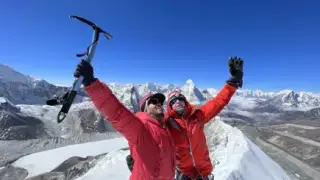
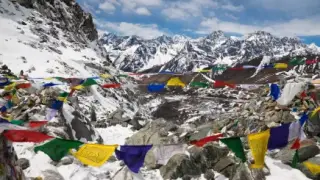


A helicopter tour in Nepal makes sense when you have more money than time, or when a multi-day trek isn't possible for your body. The classic flights go to the Everest region, Annapurna Base Camp, Muktinath, Gosaikunda and Langtang, each a half-day round trip or less from Kathmandu or Pokhara. In 2026 a shared seat costs about USD 300 to 2,200 per person and a private charter about USD 1,250 to 7,000, depending on the route. The trade-offs are real. Landings above 5,000 m last only 10 to 15 minutes, morning cloud can ground flights, and in the Everest region local rules since 2025 limit where tours may land, so confirm the landing site before you pay.
- Classic routesEverest, Annapurna Base Camp, Muktinath, Gosaikunda, Langtang
- Trip lengthAbout 1.5 to 5 hours, door to door
- Shared seatAbout USD 300 to 2,200 per person
- Private charterAbout USD 1,250 to 7,000 per helicopter
- Highest landingKala Patthar area, 5,545 m, for 10 to 15 minutes
- Best monthsMarch to May, late September to November
- PassengersUp to 5, fewer at high altitude
While everyone knows Nepal for its incredible trekking routes, from the Everest Base Camp Trek to trekking in the Annapurna Region, few realize there are so many more activities to do in Nepal. So, before you get on a plane, think about what you need to know before going to Nepal. This will range from culture, safety (is it safe to travel in Nepal), weather (best season to visit Nepal), and accommodation.
Did you even know there are helicopter trips available in Nepal?
Probably the most famous helicopter trip is to Mount Everest for breakfast. It is often called the Everest Base Camp Helicopter Tour, but it is the same. Other helicopter tours are available, so let's look at the top 5.
Everest Base Camp Helicopter Tour
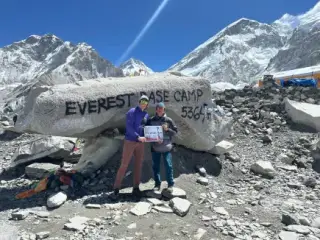
I have always thought the name itself is a little misleading. While you fly over the base camp, the heli can't land there. Most tours have instead landed on Kala Patthar (5,545 m), a high rocky outcrop known as the Everest viewpoint. From here, the views of Everest are simply stunning, much better than those at base camp. If you were to stand at base camp, you would be too close to Mount Everest to get great views.
Check the landing plan before you book. Since 1 January 2025 the Khumbu Pasang Lhamu Rural Municipality has opposed commercial helicopter flights for tourists, and the deal struck on 24 January 2025 allowed rescue flights and short landings below 4,300 m. Some operators still sell Kala Patthar landings. Others now fly over it and land only at Hotel Everest View (3,880 m) for breakfast. Ask which one you're buying, and get it in writing. Our guide to the Everest helicopter rules has the full timeline.
Leaving Kathmandu in the early morning, the heli stops off at Lukla in the Everest Region to refuel. Then it's off again, soaring over first green landscapes, then the ice falls, glaciers, and getting close to the mountains. Because of the high altitude, the helicopter can only take two or three people at a time up to Kala Patthar. Because of this, half of the group will enjoy breakfast in the Everest View Hotel, which certainly lives up to its name, while the other half fly on to Kala Patthar. Again, due to the high altitude, it is only possible to land at Kala Patthar for 10 to 15 minutes. It is long enough for passengers to soak up the atmosphere and click unforgettable photos.
The whole journey takes about 3 to 5 hours from Kathmandu to Kathmandu. But memories will last a lifetime!
Annapurna Base Camp Helicopter Tour
Probably the second most popular helicopter ride in Nepal is to Annapurna Base Camp. For this trip, you can choose whether you fly out of Kathmandu or out of Pokhara. Flying from Kathmandu will take approximately 3 hours (including ground time), and from Pokhara, approximately 1.5 hours (including ground time).
Because Annapurna Base Camp (4,130 m) sits much lower than Kala Patthar, the helicopter can land for longer (approximately 30 minutes) to let you enjoy the surroundings. You are in the heart of the Annapurna Mountain Range with stunning mountains such as Annapurna I, Annapurna South, Hiunchuli, Gangapurna and Machapuchare (Fishtail), and Dhaulagiri in view on the flight. As well as being surrounded by mountains, you will fly over villages, farmland, forests, and hills, which are among the world's most famous tourist and trekking destinations.
Some companies will provide breakfast at base camp, or you can take your own. Best ask when you book! This is something to add to your "activities to do in Pokhara" list!
Muktinath Helicopter Tour
Another trendy heli ride, particularly among pilgrims, is to the Hindu pilgrimage site of Muktinath. Sitting at about 3,710 m in Mustang, north of the Annapurna range, Muktinath is also a highlight of the Annapurna Circuit trek, with a fascinating history and features.
Again, you can fly from either Kathmandu or Pokhara. Flying by heli from Kathmandu takes about 3 to 5 hours round trip (around an hour each way, often with a refuelling stop at Pokhara or Jomsom, plus about an hour on the ground). It is approximately 30 minutes from Pokhara, with a ground time of 1 hour (2 hours total). Since most visitors will carry out religious rites, it is essential to remember that ground time is strictly obeyed since this area is very windy. Witnessing the temple, 108 waterspouts, and the eternal flame found nearby are still fascinating for those not carrying out religious rites. And, of course, beautiful mountains are all around and on the flight path! Annapurna, Fishtail, Dhaulagiri, Nilgiri, and Tukuche are just some famous mountains you will see. And there are the lakes around Pokhara and the Pokhara Valley itself to marvel over.
Gosainkunda Helicopter Tour
Another famous pilgrimage site is Gosainkunda Lake (4,380 m), situated in Langtang National Park. In September 2007 this fascinating lake and its neighbours were listed as a Ramsar site, a wetland of international importance under the Ramsar Convention. The area is busy with Hindu and Buddhist pilgrims during the Janai Purnima Festival (usually August) when people come from all over Nepal and India to take a holy dip in the lake. The reason for its fame comes from a large rock in the center of the lake, which is said to be the remains of a Shiva shrine built where Shiva once meditated. While it is fascinating to witness the festival, the lake is quieter at other times, which might suit many who wish to meditate or enjoy nature.
The Heli tour spends 1 hour in the air (30 minutes each way) and 30 minutes on the ground. For those not taking a holy dip, the beauty of the lake alone is enough. Mountains are also in view from the lake and while in the air.
Langtang Helicopter Tour
Starting and ending in Kathmandu, this trip also takes you into Langtang National Park but lets you explore Kyanjin Gompa (monastery), at about 3,870 m. Spending only 30 minutes in the air each way and 30 minutes on the ground, this short 1.5-hour trip may be a great introduction to helicopter rides and the nearest trekking area to Kathmandu. The 2015 earthquake set off an avalanche that buried Langtang village and killed more than 200 people. The gompa was damaged and has since been restored by the community, and it is a fascinating place to visit, as is the nearby yak cheese factory, started with Swiss help in the 1950s! If you would like to return on foot, there are fantastic mountain viewpoints to hike up and lakes to visit. But from the helicopter, you will get a bird's-eye view of the area! Tea, coffee and perhaps breakfast will be served. Check with your travel agent. Naturally, if you are hiring the whole helicopter for your group, they can be more flexible on your requirements!
When Does a Helicopter Tour Make Sense?
It is one of the top things to do in Nepal. While helicopter rides anywhere can be pretty exciting, you get views you won't see anywhere else in Nepal! The Everest mountain range, the Annapurna mountain range, lakes, rivers, forests, and much more! So why not?
A helicopter fits some trips much better than others. Here is how we'd judge it for the travellers we plan trips for.
| Your situation | Verdict | Why |
|---|---|---|
| One or two spare days in Kathmandu | Good fit | You see Everest or the Annapurnas in a single morning. |
| Older travellers or limited mobility | Good fit | No walking at all. Ask a doctor about landings above 4,000 m. |
| Ending a trek early or skipping the walk out | Good fit | A flight back from Gorak Shep saves about three days. See our helicopter return guide. |
| Pilgrims to Muktinath or Gosaikunda | Good fit | Time for puja without days on the road. |
| Heart or lung conditions | Ask a doctor | You climb from about 1,400 m to over 5,000 m in about an hour, with no time to acclimatise. |
| Tight budget | Think twice | A shared Everest seat costs about as much as our whole 14-day Everest Base Camp trek. |
| You want villages, food and the walk itself | Trek instead | Ten or fifteen minutes on the ground is too short to get to know a place. |
Helicopter or Trek: Time and Price by Route
Shared-seat prices are 2026 ranges from published listings and change with the season and the number of passengers.
| Route | By helicopter | On foot | Shared seat, per person (scale to USD 2,200) |
|---|---|---|---|
| Everest (Kala Patthar area) | 3 to 5 hours from Kathmandu | About 12 days from Lukla and back | USD 1,200 to 2,200 |
| Annapurna Base Camp | About 1.5 hours from Pokhara | 7 to 14 days | USD 750 to 1,000 |
| Muktinath | About 2 hours from Pokhara | 1 to 2 days by jeep from Pokhara, or part of the Annapurna Circuit | USD 650 to 1,200 |
| Gosaikunda | About 1.5 hours from Kathmandu | 5 to 7 days | USD 300 to 400 |
| Langtang (Kyanjin Gompa) | About 1.5 hours from Kathmandu | 7 to 10 days | USD 300 to 400 |
The Honest Downsides
Cost comes first. A shared seat to the Everest area runs about USD 1,200 to 2,200, roughly what our full 14-day Everest Base Camp trek costs from USD 1,620. Time on the ground is short. Above 5,000 m, operators keep landings to 10 to 15 minutes because nobody on board has acclimatised, and some passengers still get a headache or feel light-headed before they drop down to breakfast. Weather sets the schedule. Morning cloud can hold flights for hours and sometimes for a whole day, so never book a heli tour for the morning your flight home leaves. Then there's the local view. In the Khumbu the rural municipality pushed back against tourist flights in 2025, partly over lost income for lodges, porters and guides, and that dispute still isn't fully settled.
Rescue Flights Are a Different Thing
A helicopter rescue is an emergency evacuation, usually from a trek when altitude sickness or an injury means walking down isn't safe. Your travel insurance pays for it, as long as the policy covers helicopter evacuation up to the height you'll reach, which on the Everest trek is 5,545 m. Rescue flights take priority over tours, one reason a sightseeing slot can slip. Read our trekking insurance guide before you buy a policy.
Private Charter or Shared Seat?
The two things to consider here are the number of people in your group and your budget. Even if you are alone or with one other and have the budget, go ahead and book the whole heli for an exceptional and personal experience. You can even take a photographer and specialist guide who will turn the "wow" factor up a notch or two! (Note: there is no guide on the standard heli rides. The pilot will point out points of interest.) If your group is not enough to fill up a helicopter (5 people), it is cheaper to join a shared flight. In addition, the number of trips is limited by the number of available helicopters and the number of interested people.
Costs Involved
In 2026 a private charter costs roughly USD 1,250 to 2,000 for Langtang or Gosaikunda, USD 3,300 to 5,500 for Muktinath and USD 4,500 to 7,000 for the Everest region. On a shared flight that cost is split, so seats run from about USD 300 to 2,200 per person depending on the route. Our 2026 helicopter price guide breaks it down route by route, including VAT and extras. Costs will vary depending on the season, the agency, the heli company, etc., so these are a rough guide only. If you make a quick comparison with prices in other countries, Nepal is pretty competitive, and the views are also outstanding! And in general, the whole trip is much longer than the standard 40 minutes to an hour sightseeing in, for example, the UK, USA or Australia.
So, this is another reason to experience your first heli ride here in Nepal. And, of course, if you have done heli tours in other countries, there is still the scenery you won't have seen anywhere else, including the highest mountain in the world!
Be aware that if you are joining a shared tour, if there are not five passengers and no sign that others will join (in the quiet season, for example), you will be required to pay a little more. The cost for the helicopter remains the same regardless of whether there is one passenger or 5.
Tips on How to get the Most from Your Helicopter Tour in Nepal
What to wear
I always joke about turning up in my nightwear and slippers. No trekking is involved. But, although you are not trekking, it will be cold in the mountains! A warm jacket is a must, and a hat and gloves are recommended. On your feet, well, you might be standing on snow or ice, so good walking shoes or boots are recommended. Something warm, with cozy socks underneath. Sunscreen is also recommended as you will be at a high altitude where the sun is stronger, even if it doesn't feel warm. Sunglasses for the same reason. I carry water everywhere, so a small bottle in your day pack would be a great idea, even if you are having breakfast on tour. And, of course, your camera or phone is a must to capture the beauty all around you!
What Happens on the Trip?
You will be picked up at your hotel by whoever you have booked and taken to the airport's domestic terminal in either Kathmandu or Pokhara. Before climbing in and heading off, you will be briefed and introduced to the pilot. In the case of the Everest Base Camp tour, We will refuel the helicopter, giving you an extra few minutes on the ground to take in the sounds and feel of Lukla, the flight entrance to the Everest Region. Again, on the Everest Base Camp trip, your group will be divided into two, so the helicopter carries no more than three passengers when it lands at a high altitude, at Kala Patthar. On other trips, the ground time varies, so you should discuss the details when you sign up.
What Happens if the Weather is Bad?
If the weather is unsuitable for flying, We will postpone your trip for another day. You will get your money refunded if you cannot make it (due to an international flight etc.).
Best Season to Take a Heli Tour in Nepal
The best times to visit Nepal, particularly the mountains, are spring (March to May) and autumn (late September to November). The same goes for flying. It is less comfortable flying in the monsoon, and the views are not so spectacular. In the winter, the views can be outstanding on clear days, but the cold may be prohibitive. Best discuss with your agent.
Can I Tailor Make My Own Heli Itinerary?
You can tailor your itinerary if you have the budget and the helicopter is free. Many trekking companies fly their clients into the mountains by helicopter and trek back out. Shortening the trip length and providing an extra thrilling trip! Please discuss this with your Nepal tour agent. Please remember that helicopters are traditionally used for rescue operations in the high mountains and locals living in remote areas, so they may not always be available on demand.
Is a Helicopter Tour in Nepal Worth It?
Nepal is the best place to take a heli tour, whether it's your first or your hundredth! You will see things from a different perspective and witness places you might not otherwise be able to access (no days of hiking!). You can do it at any age and with any ability (no months at the gym preparing to hike to EBC). Check with a doctor first if you have heart or lung problems, because the Everest flight climbs past 5,000 m in about an hour.
And don't forget, it is fun!
Heli tours pair well with the rest of Nepal's no-trekking menu: see 10 ways to experience the Himalaya without trekking, or go straight to the classic Everest Base Camp helicopter tour.
Helicopter Tours in Nepal: FAQs
Can a helicopter land at Everest Base Camp?
No. Base camp sits on the moving Khumbu Glacier and tours don't land there. Flights pass over it and land either at Kala Patthar (5,545 m) or only at Hotel Everest View (3,880 m), depending on the operator and the current local rules.
How much does a helicopter tour in Nepal cost?
About USD 300 to 2,200 per person for a shared seat and USD 1,250 to 7,000 for a private charter in 2026. Everest is the most expensive route, Langtang and Gosaikunda the cheapest. A 13% VAT and a 10% service charge may be added on top.
Is a helicopter tour suitable for older travellers?
For most people, yes, since there's no walking. The risk is altitude. You fly from Kathmandu at about 1,400 m to over 5,000 m in about an hour, so anyone with heart or lung problems should get a doctor's opinion first and may prefer the lower Langtang or Annapurna flights.
What happens if the weather is bad?
Flights wait for clear skies, usually early in the morning. Leave at least one spare day in Kathmandu or Pokhara, and ask about the refund policy before you book.
Can I combine a trek with a helicopter flight?
Yes. The popular option is to walk up to Everest Base Camp and fly back, which cuts about three days of walking. Our guide to the helicopter return explains when it's worth the money.