


Eastern Nepal
Koshi Province
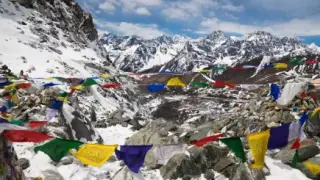
Three of the world's five highest mountains stand in eastern Nepal: Everest, Kanchenjunga and Makalu. So do the tea gardens of Ilam and the Limbu and Rai communities, on trails that see a fraction of Annapurna's traffic.
Trips Starting from Eastern Nepal
Hand-crafted itineraries that start in Eastern Nepal, from a single sunrise day-trip to multi-week Himalayan expeditions.
Koshi Tappu Wildlife Tour
6 daysFrom $1,469
Arun Valley to Everest Base Camp Trek
21 daysFrom $2,280.webp)
Ganesh Himal Base Camp Trek
19 daysFrom $2,765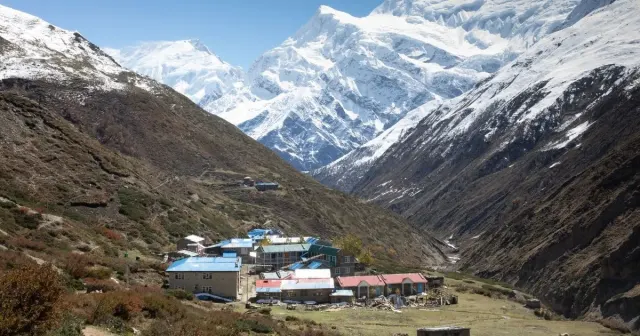
Lumba Sumba Trek
21 daysFrom $2,350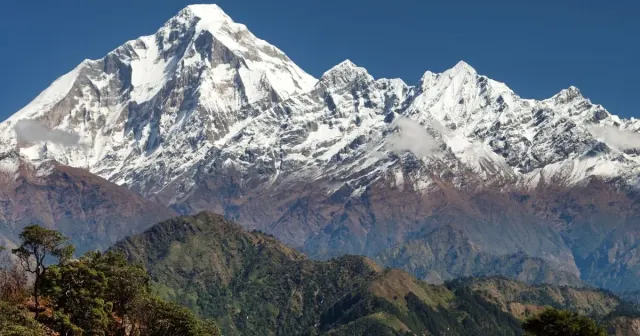
Milke Danda Trekking
14 daysFrom $1,575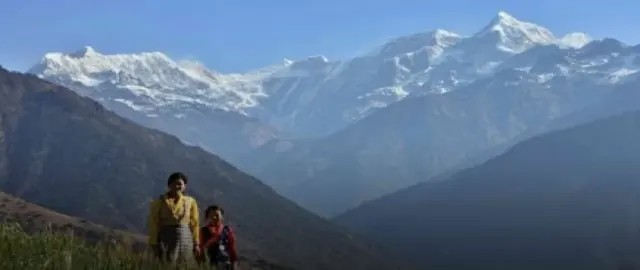
Numbur Cheese Circuit Trek
17 daysFrom $2,850.webp)
Dolphin Watching in Nepal| Sapta Koshi River|
8 daysFrom $1,405
Three Giants and a Thousand Tea Bushes
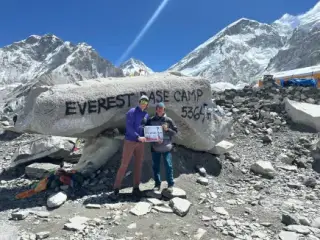
Eastern Nepal, between the Sun Koshi river and the Indian and Tibetan borders, holds three of the world's five highest mountains: Everest (8,848.86 m), Kanchenjunga (8,586 m) and Makalu (8,485 m). Each anchors its own national park and its own trail system. No comparable stretch of ground anywhere carries that much altitude.
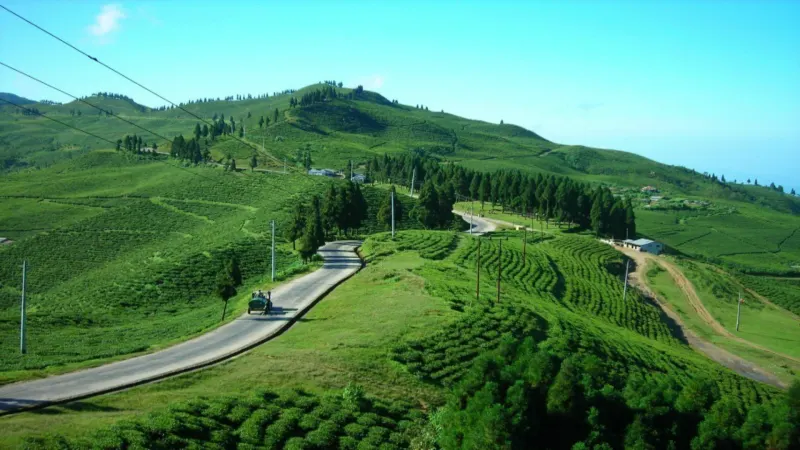
Ilam, on the Indian border, is Nepal's tea country, and it is the part visitors miss while looking at the giants. dozens of estates growing orthodox, Darjeeling-style leaf on hills between 1,200 and 1,800 m, with Kanchenjunga on the skyline. Further north, the villages of Phidim, Panchthar and Taplejung hold Limbu and Rai communities whose animist traditions predate Hinduism's arrival in the hills, and whose shamans still practise.
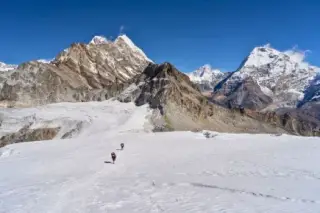
Which eastern trail fits you comes down to days: Kanchenjunga wants 20 of them, Pikey Peak wants 5. The Kanchenjunga base camp trek is 20 days and committing. Makalu is comparable. At the other end, Pikey Peak is a 4 to 5 day Sherpa-village walk to a 4,065 m summit that Edmund Hillary reportedly rated the best view of Everest in Nepal, and the Ilam tea walks barely climb at all. Most of these trails carry a fraction of Annapurna's footfall.
Things to do in Eastern Nepal
Standout experiences hand-picked by our local guides.
- 01Ilam Tea EstatesOrthodox tea gardens between 1,200 and 1,800 m. Walk the rows, see the factory floor at Kanyam, drink first flush with Kanchenjunga on the skyline.
- 02Pikey PeakA 4 to 5 day Sherpa-village trek to 4,065 m. Hillary reportedly called it the finest view of Everest in Nepal.
- 03Kanchenjunga ApproachThrough the Limbu villages of Phidim and Taplejung to base camp. Nepal's longest committed trail at 20 days or more.
- 04Sun Koshi Rafting270 km over about 9 days of Class III to IV water. Nepal's longest commercial river trip.
- 05Hile and BasantapurRoadside ridges looking down the Arun valley and up at Makalu. The most accessible 8,000 m views in the country.
- 06Limbu Yakthung CultureVillages around Taplejung with phedangma shamans, millet alcohol and round houses.
- 07Arun ValleyThe hot lowland approach to Makalu from Tumlingtar, through terraced rice and Rai bamboo villages.
- 08SandakphuA 3,636 m ridge on the Indian border with four 8,000 m peaks in one view: Everest, Kanchenjunga, Lhotse and Makalu.
Best time to visit Eastern Nepal
October and November give the clearest views in the east. April and May are warmer, with rhododendron in the hills and the first flush being picked in Ilam.
- ★ BEST SEASONSpringMarch – MayRhododendron through the hills and first-flush picking in Ilam. Mountain weather settles above 3,000 m from about mid-April.5°C – 22°C
- MONSOONSummerJune – AugustThe east takes Nepal's heaviest monsoon: landslides, leeches and cloud on the peaks. Lowland visits work; high trekking does not.15°C – 28°C
- ★ BEST SEASONAutumnSeptember – NovemberThe best window in the east by a distance. October brings clear air, harvest in the villages and the mildest high-altitude nights.2°C – 22°C
- GOODWinterDecember – FebruaryThe low routes stay open and pleasant: Ilam, Pikey and Singalila. The high base camps at Makalu and Kanchenjunga close with snow.-15°C – 15°C