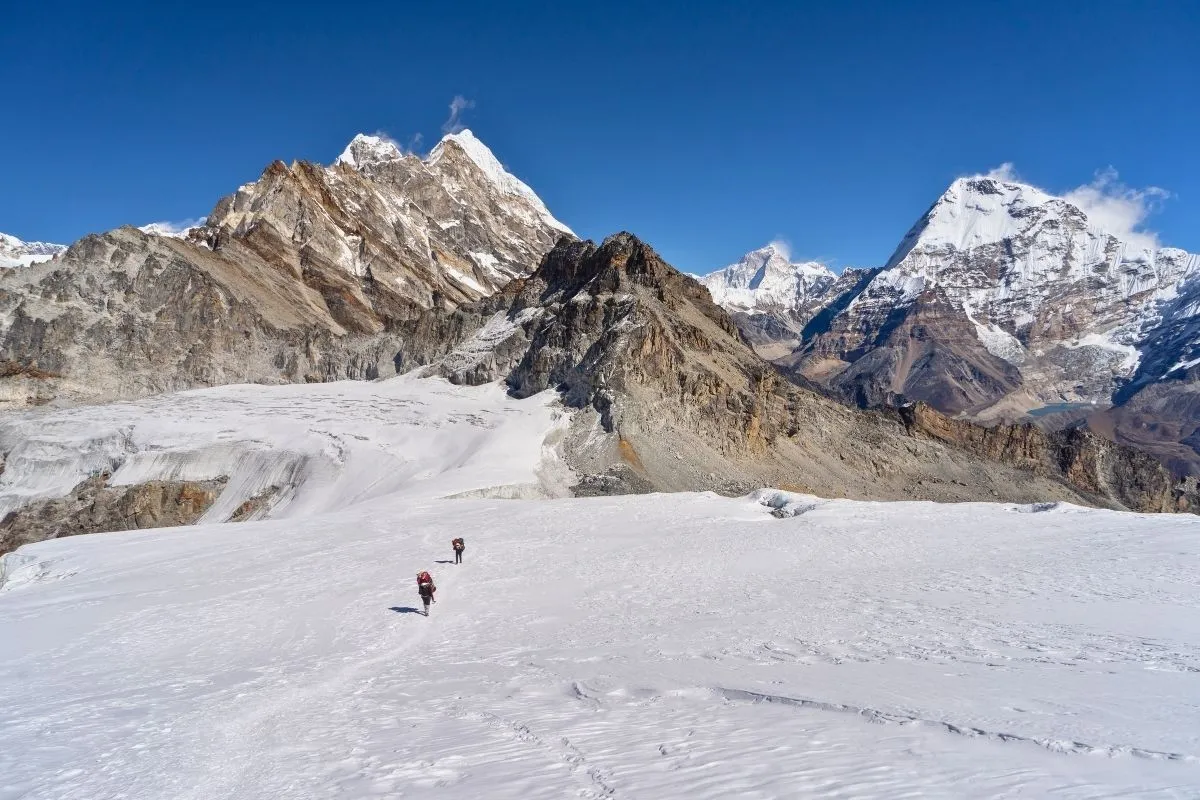
A 14-day classic loop of the Annapurna massif over the Thorong La (5,416 m), from the Manang valley to Muktinath and the Kali Gandaki gorge.
Duration
14 Days
Max Altitude
5,416 m / 17,769 ft
Difficulty
Hard
Group Size
Max 8 trekkers
Region
Annapurna Trekking Packages, Nepal
Best Season
Spring · Autumn
Accommodation
Teahouse lodges; basic higher up. Hotels in cities.
Meals
All meals on the trek; B&B in the cities
Transport
Drive to Jagat; jeep out (flight optional); bus to Kathmandu
Dates & Prices
Choose your date
All dates are guaranteed departures — we never cancel for low numbers. Book online or send a quick enquiry.
YearMonth
6 departures · 2026
Oct
16
Oct 16, 2026 — Oct 29, 2026
Guaranteed departure — from 2 trekkers
Available
USD1,275
per person
Oct
30
Oct 30, 2026 — Nov 12, 2026
Guaranteed departure — from 2 trekkers
Available
USD1,275
per person
Nov
13
Nov 13, 2026 — Nov 26, 2026
Guaranteed departure — from 2 trekkers
Available
USD1,275
per person
Nov
27
Nov 27, 2026 — Dec 10, 2026
Guaranteed departure — from 2 trekkers
Available
USD1,275
per person
Dec
11
Dec 11, 2026 — Dec 24, 2026
Guaranteed departure — from 2 trekkers
Available
USD1,245
per person
Can’t find a suitable date? We run private departures on any date with as few as 2 trekkers.
Trip Overview
About the Annapurna Circuit Trek
The Annapurna Circuit Trek is a 14-day classic loop around the Annapurna massif in north-central Nepal, also known as the Annapurna Round Trek or Around the Annapurna Trek. Its defining moment is crossing the Thorong La at 5,416 m (17,769 ft), one of the highest trekking passes in the world, and it links two contrasting regions: the green valleys of Manang and the dry, Tibetan-style highlands of Mustang. Few treks pack in as much variety, from subtropical river valley and pine forest to high pass and Trans-Himalayan desert.
The walk begins with a scenic drive from Kathmandu to Jagat, then follows the Marsyangdi River through Gurung and Manangi villages such as Dharapani, Chame and Pisang, with the country turning visibly Tibetan-Buddhist from Upper Pisang and Ngawal onward. Views open of Annapurna II and IV, Lamjung Himal, Gangapurna, Tilicho Peak and Pisang Peak. After Manang, reached on the high Ngawal route that aids acclimatisation, the trail climbs through Yak Kharka to Thorong Phedi and over the pass, then drops to the sacred temple of Muktinath and into the Kali Gandaki, one of the deepest river gorges on earth. A shared jeep down the Kali Gandaki to Pokhara closes the mountain section, with a scenic Jomsom–Pokhara flight available as an optional upgrade.
The Annapurna Circuit is graded strenuous — one very hard day at the pass and seven moderate ones — and covers about 98 km on foot over roughly 8 walking days, with 3.5 to 9 hours on the trail daily. There is no technical climbing, and the height is gained slowly, so with proper preparation, acclimatisation and a guide the trek is achievable for fit beginners as well as experienced trekkers. See how we grade treks on our difficulty grading system.
Last updated July 2026
Trip Highlights
Highlights
1
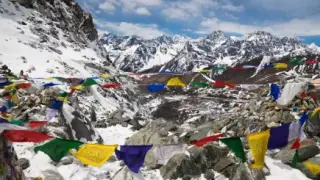
Cross the Thorong La at 5,416 m, one of the world's highest trekking passes
2
Views of Annapurna II, III and IV, Dhaulagiri, Gangapurna and Tilicho Peak
3
The sacred Hindu and Buddhist temple of Muktinath with its 108 water spouts
4
Descend the Kali Gandaki between Dhaulagiri and Annapurna, one of the deepest river gorges on earth
5
Landscapes from subtropical river valley to high Trans-Himalayan desert
6
Tibetan-influenced villages of Manang and Mustang and warm teahouse hosts
Day by Day
Annapurna Circuit Trek Itinerary: 14 Days
Tap any day to expand — altitudes, walking times, meals, and overnight details for every stage of the journey.
On arrival at Tribhuvan International Airport in Kathmandu, a Swotah representative meets you and transfers you to your hotel by private vehicle. You are given a short briefing on the Annapurna Circuit Trek, either on the drive in or at the hotel. The rest of the day is free to rest off any jet lag or stroll the streets of Thamel. Overnight in Kathmandu.
Sleep at 1,400 mBreakfast
Tonight’s stay
Hotel in Kathmandu
Comfortable tourist-standard hotel in central Kathmandu.
A guided day through the Kathmandu Valley's cultural heritage, with options to visit the Hindu temple of Pashupatinath on the Bagmati River, the hilltop Swayambhunath stupa (the Monkey Temple) with its valley views, and the great stupa of Boudhanath ringed by monasteries and handicraft shops. Kathmandu Durbar Square, and optionally Patan and Bhaktapur, show off Newari palace architecture. You can stop for a traditional Newari lunch at a local restaurant, paid locally. Overnight in Kathmandu.
Sleep at 1,400 mBreakfast
Tonight’s stay
Hotel in Kathmandu
Comfortable tourist-standard hotel in central Kathmandu.
The Annapurna Circuit begins with a long, scenic drive of about 9 to 11 hours from Kathmandu to Jagat, with a vehicle change at Besisahar from highway coach to a rougher mountain jeep. The route runs through terraced farmland, waterfalls and Nepali villages along the Marsyangdi River. Jagat is an old Tibetan salt-trade customs post perched above the river gorge — the first taste of the deep valley the trek follows. A private vehicle is available as an upgrade for more comfort. Overnight in a teahouse in Jagat.
Sleep at 1,290 mBreakfastLunchDinner
Tonight’s stay
Teahouse in Jagat
Simple riverside teahouse on the Marsyangdi.
The first full day of walking follows the Marsyangdi River upstream through the Gurung villages of Chamje and Tal. At Tal you cross into Manang district, where Tibetan-Buddhist architecture — chortens, mani walls and prayer flags — begins to replace the Hindu shrines of the lower valley. After crossing several suspension bridges and passing waterfalls, you reach Dharapani. Overnight in a teahouse in Dharapani.
16.5 km~6.5 h walkingSleep at 1,860 mBreakfastLunchDinner
Tonight’s stay
Teahouse in Dharapani
Twin-share teahouse with shared bathroom.
The mountains open up as snow-capped peaks appear, especially Annapurna II and Lamjung Himal. You walk through pine and fir forest, past waterfalls and small rivers, and pass prayer wheels, mani walls and chortens that mark the growing Buddhist culture. Chame, at 2,670 m, is the headquarters of Manang district and has small hot springs near the village. Overnight in a teahouse in Chame.
16.0 km~5.5 h walkingSleep at 2,670 mBreakfastLunchDinner
Tonight’s stay
Teahouse in Chame
Teahouse with small natural hot springs nearby.
Today's stage covers about 13 to 14 km in 5 to 6 hours on narrow forest trails, steep switchbacks and windy open sections. The walk is moderately strenuous, made harder by climbing above 3,000 m, so drink plenty of water and keep a steady pace. Along the way you get your first clear glimpses of Annapurna IV and Pisang Peak and pass Buddhist shrines and mani walls. Overnight in a teahouse in Upper Pisang.
13.5 km~5.5 h walkingSleep at 3,300 mBreakfastLunchDinner
Tonight’s stay
Teahouse in Upper Pisang
Stone-built teahouse with mountain views.
The high route from Upper Pisang to Ngawal is scenic and peaceful, with a real sense of traditional Buddhist culture. The day is long and steep but manageable, with views of Annapurna II and IV, Pisang Peak and the Gangapurna glacier opening as you climb. After the walk you reach Ngawal, a traditional village quieter and less commercial than Manang. Overnight in a teahouse in Ngawal.
13.0 km~7.5 h walkingSleep at 3,660 mBreakfastLunchDinner
Tonight’s stay
Teahouse in Ngawal
Quiet village teahouse on the high route.
A short, easy-paced walk brings you to Manang, doubling as a gentle day before the higher stages. You trek through juniper and yak pasture with fine views of the Gangapurna glacier, Annapurna III, Tilicho Peak and Gangapurna Lake, a milky glacial tarn below the icefall. On the way you can visit Braga Gompa, the oldest monastery in the valley, generally dated to the 15th century, with its tiered wall of more than a hundred terracotta statues. Manang, at 3,540 m, is the largest permanent settlement on the circuit, with bakeries, a health post and an afternoon altitude briefing from the Himalayan Rescue Association. Overnight in a guesthouse in Manang.
8.0 km~3.5 h walkingSleep at 3,540 mBreakfastLunchDinner
Tonight’s stay
Guesthouse in Manang
Well-equipped lodge; bakeries in the village.
Leaving Manang marks the start of high-altitude trekking through barren but beautiful country. The trail climbs gradually across open alpine terrain, rocky slopes and dry pastures, passing the small settlements of Tengi and Gunsang. The walking is not technical, but the thin air near 4,000 m makes it tougher, so go slowly. Panoramic views open up of Tilicho Peak, Annapurna III and the Chulu peaks. Overnight in a teahouse in Yak Kharka.
9.0 km~5.0 h walkingSleep at 4,050 mBreakfastLunchDinner
Tonight’s stay
Teahouse in Yak Kharka
Basic high-altitude teahouse.
This is the final, short stage before the pass, over rocky hillsides and a suspension bridge across the Jarsang Khola. The trail gives long views back down the Marsyangdi valley and ahead toward the Thorong massif. Watch carefully for altitude symptoms now: report any headache, nausea or loss of appetite to your guide at once, walk slowly and keep drinking water. Thorong Phedi is the last lodge cluster in the valley; Thorong High Camp sits about 400 m above it, but we sleep here at Phedi because the lower night materially reduces the risk of altitude sickness before the pass. Overnight in a teahouse in Thorong Phedi.
7.0 km~4.5 h walkingSleep at 4,540 mBreakfastLunchDinner
Tonight’s stay
Teahouse in Thorong Phedi
Last lodges before the pass; very basic.
The longest and hardest day of the trek. You set off around 04:00 to 04:30 for a steep climb to High Camp and on over icy ground to the Thorong La at 5,416 m (17,769 ft), the highest point of the circuit, where prayer flags frame views of the Mustang ranges and Dhaulagiri. From the pass it is a long descent to the sacred temple of Muktinath (3,760 m) — expect 9 to 11 hours of walking from Thorong Phedi for an average group. From Muktinath we drive down to Jomsom (about 1 hour) for the night. Overnight in a guesthouse in Jomsom.
15.0 km~10.0 h walkingSleep at 2,720 mBreakfastLunchDinner
Tonight’s stay
Guesthouse in Jomsom
Comfortable lodge in the Mustang town of Jomsom (overnight here, not at the pass).
By default you travel from Jomsom to Pokhara by shared jeep down the Kali Gandaki, a rough but spectacular 9 to 12 hour run between Dhaulagiri and Annapurna depending on road conditions. A fast, scenic 25 to 30 minute mountain flight is available as a paid upgrade; it runs mornings only and is weather-dependent, but on a clear day the views of Dhaulagiri and Annapurna are superb. Pokhara is a relaxed lakeside town to unwind. Overnight in a hotel in Pokhara.
Sleep at 822 mBreakfast
Tonight’s stay
Hotel in Pokhara
Lakeside tourist hotel by Phewa Lake.
The trek wraps up with a return to Kathmandu, either by a 25 minute flight or a 6 to 9 hour tourist bus that is scenic but bumpy. If you fly, you have a free morning in Pokhara for boating on Phewa Lake or a short guided tour before heading to the airport. Back in Kathmandu the evening is free for last-minute shopping in Thamel. Overnight in a hotel in Kathmandu.
Sleep at 1,400 mBreakfast
Tonight’s stay
Hotel in Kathmandu
Comfortable tourist-standard hotel in central Kathmandu.
Your time in Nepal ends today. There is a chance for any last souvenir shopping in Kathmandu before a Swotah representative transfers you to Tribhuvan International Airport about three hours before your flight. If you would like more time, we can arrange extensions in Pokhara, Chitwan or another trek. Safe travels, and we hope to welcome you back.
Breakfast
What’s included
What's included
Every cost on the trail is broken out below — no hidden fees, no surprises at the trailhead.
Included
14 items
All airport transfers in a private vehicle
Standard/deluxe rooms in Kathmandu and Pokhara on twin/double sharing with breakfast
Annapurna Conservation Area (ACAP) permit and TIMS card, plus all paperwork
All government taxes and service charges
9 nights of teahouse accommodation during the trek
All trail meals: breakfast, lunch, and dinner
A licensed, English-speaking trekking guide for the full route
Guided Kathmandu sightseeing with a professional city guide
Kathmandu to the trailhead by local transport
Muktinath to Jomsom by local transport
Jomsom to Pokhara by shared jeep down the Kali Gandaki (scenic mountain flight available as a paid upgrade)
Pokhara to Kathmandu on a tourist bus
Guide's wages, equipment, insurance, food, and accommodation
A trekking map and a local SIM card
Not included
9 items
Travel and rescue insurance (must cover helicopter evacuation and medical treatment to 6,000 m)
International flights and the Nepal visa fee
Tips for your guide and drivers
Lunch and dinner in Kathmandu and Pokhara
Kathmandu Valley monument entrance fees (approx. NPR 2,600–4,400 depending on the sites you choose)
Personal expenses: phone calls, laundry, charging, hot showers, bottled or boiled water, extra porters
Extra hotel nights from early arrival, late departure or leaving the mountains ahead of schedule
Optional upgrades: Kathmandu 5-star hotel (USD 150 / two nights), scenic Jomsom to Pokhara flight
Anything not listed under What's included
How Hard Is the Annapurna Circuit Trek?
The Annapurna Circuit is a strenuous trek — one very hard day crossing the Thorong La and seven moderate ones — and altitude is the main challenge rather than technical ground. It crosses the pass at 5,416 m, but height is gained slowly with an easier day around Manang to acclimatise, so most fit trekkers and well-prepared beginners manage it with a guide.
▲Strenuous. About 98 km on foot over 8 walking days, max altitude 5,416 m at the Thorong La. No technical climbing; altitude is the main demand.
Overall Rating
6
Hard
out of 10 · physical effort scale
Walking hours/day~6 hrs
Max altitude5,416 m
Trekking days8 days
Total distance~98 km
Effort by Phase
Lower Marsyangdi valley
Day 4–5
4
Pisang, Ngawal & Manang
Day 6–8
5
High approach to Thorong Phedi
Day 9–10
7
Thorong La crossing
Day 11
10
Jomsom & jeep/flight to Pokhara
Day 12
3
This trek suits you if…
Walk 5 to 7 hours on back-to-back days with a daypack
Prepare with…
Build endurance with hill walking, stair climbing and long day hikes for 8 to 12 weeks before you arrive. Loaded-pack training plus cardio such as running, cycling or swimming helps most. Break in your boots well before the trek.
Medical note
Acute mountain sickness is the main risk above 3,000 metres. Ascend slowly, drink 3 to 4 litres of water a day, and tell your guide early if you feel headache, nausea or dizziness. Travel insurance that covers helicopter evacuation and medical treatment to 6,000 metres is mandatory — policies capped at 5,000 m are routinely refused at the permit stage, so check the altitude limit, not just the words 'trekking cover'.
Trip Details
Planning your Annapurna Circuit Trek
Everything you need to plan the trek, topic by topic. Tap any one to open it.
Annapurna Circuit Trek at a glance: 14 days total, 8 days walking, about 98 km o…
Annapurna Circuit Trek at a glance: 14 days total, 8 days walking, about 98 km on foot. Maximum altitude 5,416 m at the Thorong La. Grade: strenuous — one very hard day and seven moderate ones. Best months: March to May and September to November. Permits: ACAP (NPR 3,000) and TIMS (NPR 1,000, via a licensed agency). A licensed guide is mandatory. Group size 2 to 8. From USD 1,230 per person.
The Annapurna Circuit Trek is graded strenuous: one very hard day crossing the T…
The Annapurna Circuit Trek is graded strenuous: one very hard day crossing the Thorong La and seven moderate ones. Altitude is the main challenge rather than technical ground. The route climbs gradually over about 8 walking days and covers about 98 km on foot, with 3.5 to 9 hours on the trail each day on stone staircases, river valleys, suspension bridges and the occasional landslide-prone section. The high point is the Thorong La at 5,416 m (17,769 ft), reached only after the body has had days to adjust. You can compare this with our other treks on the trek difficulty grading page.
From Upper Pisang at 3,300 m onward you trek and sleep at high altitude through to Muktinath and Jomsom in Mustang, so acute mountain sickness is a real consideration. The itinerary builds in slow gains and an easier Ngawal-to-Manang day for acclimatisation before the pass. Most fit, healthy trekkers with some hiking experience manage the circuit, and with proper preparation and a guide it is achievable for beginners too. Walking poles and worn-in boots make a large difference.
Spring (March to May) and autumn (September to November) are the two best season…
Spring (March to May) and autumn (September to November) are the two best seasons for the Annapurna Circuit, because both bring stable weather and clear mountain views. Spring adds rhododendron forests in bloom and temperatures that are cold but not severe at altitude, and it is one of the busiest times on the trail. Autumn brings fresh, clear air after the monsoon and the most reliable conditions for crossing the Thorong La.
The summer monsoon (June to early September) brings rain, possible landslides, leeches and cloud over the peaks in the lower valleys, though it means far fewer trekkers. Winter (December to February) offers clear skies and empty trails, but the Thorong La can close with little warning and high teahouses shut as families move downhill, so winter suits only experienced, well-equipped trekkers carrying micro-crampons. The season cards above show the month-by-month picture.
The Annapurna Circuit runs inside the Annapurna Conservation Area, so it needs t…
The Annapurna Circuit runs inside the Annapurna Conservation Area, so it needs two documents: the Annapurna Conservation Area Permit (ACAP) and the Trekkers' Information Management System (TIMS) card. The ACAP costs NPR 3,000 (about USD 20 at July 2026 rates) for foreign nationals and funds conservation and community work across the 7,629 sq km conservation area, the largest in Nepal, managed by the National Trust for Nature Conservation. The TIMS card costs NPR 1,000 for trekkers registered through a licensed agency — which is how every Swotah client is booked — and is issued by the Nepal Tourism Board. Fees verified July 2026.
Swotah arranges both permits once you provide a passport copy and passport-size photos, and confirms the current rates before departure. The circuit does not need a restricted-area permit, but you carry the documents with you for checks at posts such as Dharapani and along the trail. A licensed guide has been mandatory for foreign trekkers in Nepal's national parks and conservation areas since 1 April 2023 under rules set by Nepal's Department of Tourism, and enforcement at Annapurna checkpoints has been consistent — your guide is included on every Swotah departure. For entry requirements, see our Nepal visa information page.
Accommodation on the Annapurna Circuit is the teahouse, a family-run mountain gu…
Accommodation on the Annapurna Circuit is the teahouse, a family-run mountain guest house, and comfort drops as the altitude rises because supplies are harder to carry up. A typical room is a twin with simple furniture and no heating, with shared showers and toilets often outside the main building, and a warm communal dining room where the owners cook and serve. The Annapurna routes are well established, so lower villages have comfortable lodges and even the odd bakery.
Because the sleeping rooms are unheated, a warm four-season sleeping bag is essential. Swotah lends you both a sleeping bag and a down jacket, each rated to −20°C, at no extra charge — you do not need to buy or hire your own. Wi-Fi and charging are available in most villages for a fee of around USD 2 to 3 per charge, and hot showers cost about the same. Hotels in Kathmandu and Pokhara at the start and end of the trip are comfortable and well equipped; a single supplement is available on request if you would rather not share.
Food on the Annapurna Circuit is teahouse cooking, and dal bhat, the Nepali plat…
Food on the Annapurna Circuit is teahouse cooking, and dal bhat, the Nepali plate of lentil soup, rice and vegetable curry, is the staple because lodges refill it for free and it fuels long days. Breakfast runs to porridge, Tibetan bread, pancakes, muesli and eggs, while dinner adds vegetable soups, fried rice, noodles, momos, pasta, potato dishes and even pizza in the larger villages. Lunch on the trail is simpler, usually dal bhat, momos or noodles at a teashop.
For water, drink 3 to 4 litres a day to help prevent altitude sickness, and treat it rather than drinking untreated stream water. Boiled and bottled water is sold at lodges, and purification tablets, drops or a filter all work, so carry a reusable bottle. Cold drinks, snacks and beer are sold lower down, though alcohol is best left until after the pass because it reduces oxygen and energy at altitude.
The Annapurna Circuit starts with a long drive from Kathmandu to Jagat, around 9…
The Annapurna Circuit starts with a long drive from Kathmandu to Jagat, around 9 to 11 hours: a highway run to Besisahar, then a change to a rougher mountain jeep up the Marsyangdi to Jagat. The standard service uses public transport as far as Besisahar; a private vehicle with driver is available for an extra charge, which is worth considering for comfort on the rough section.
At the far end, you cross the pass to Muktinath, drive to Jomsom, and continue by shared jeep down the Kali Gandaki to Pokhara, about 9 to 12 hours depending on road conditions. A scenic 25 to 30 minute Jomsom–Pokhara flight is available as a paid upgrade; it runs mornings only and mountain weather can delay it, so the schedule allows for changes. From Pokhara back to Kathmandu the standard is a tourist bus of about 6 to 9 hours, or a 25 minute flight for an extra ticket.
Acute mountain sickness (AMS) is the main risk on any trek above 3,000 m, and th…
Acute mountain sickness (AMS) is the main risk on any trek above 3,000 m, and the Annapurna Circuit reaches 5,416 m at the Thorong La, so prevention matters more than anything. The circuit starts low and gains height slowly, which is the best defence, and the aim is to avoid AMS entirely by staying hydrated, keeping a steady pace and not climbing too fast. Early symptoms resemble a cold or flu: headache, unusual fatigue, dizziness, nausea and trouble sleeping.
If symptoms are mild, the rule is to descend to a lower altitude and rest, then continue once you recover. The severe forms, High Altitude Pulmonary Edema (HAPE) and High Altitude Cerebral Edema (HACE), are life-threatening and need immediate descent or evacuation, and HACE in particular can cloud judgement, so tell your guide the moment you feel unwell. Swotah guides are trained to recognise the stages, carry a first-aid kit and a pulse oximeter to monitor blood-oxygen levels, and the itinerary is paced for safe acclimatisation around Manang before the pass.
Travel insurance is mandatory on this trek: it must cover high-altitude trekking and helicopter evacuation to 6,000 m. Policies capped at 5,000 m are routinely refused at the permit stage, so check the altitude limit rather than the words 'trekking cover', and send us a copy before departure so our team can act fast if you ever need a rescue.
The Annapurna Circuit passes through villages of several ethnic groups, each wit…
The Annapurna Circuit passes through villages of several ethnic groups, each with its own language, religion and architecture. Brahmins and Chhetris, Hindu by tradition, live mostly at lower altitudes such as Bhulbhule; Gurungs, Buddhist and well known for serving in the Gurkha regiments, live higher up; Thakalis, renowned for their cuisine, are concentrated in Mustang; and Magars, the third-largest group in Nepal, follow both Hinduism and Buddhism. Your guide can point out which villages belong to which community.
The landscape of belief changes with altitude. Hindu temples sit lower down, including the much-revered Muktinath, while Buddhist stupas, chortens, mani walls and monasteries dominate higher up, with Tibetan influence growing toward Manang and Mustang. Homes are built of stone and wood with flat roofs. Festivals follow the national calendar, Dashain and Tihar among them, alongside Tibetan New Year (Lhosar) around February and the Gurung new year in late December, while Maha Shivaratri draws Hindu holy men to Muktinath.
The Annapurna massif takes its name from a Hindu goddess of food and nourishment…
The Annapurna massif takes its name from a Hindu goddess of food and nourishment, fitting for a range whose rivers water the fields and pastures below. It holds Annapurna I at 8,091 m, one of the world's fourteen peaks above 8,000 m, along with thirteen peaks over 7,000 m and sixteen over 6,000 m, which is why it draws mountaineers and thousands of trekkers each year. Maurice Herzog's team made the first ascent of Annapurna I in 1950, the first 8,000 m peak ever climbed. The Circuit itself opened to foreign trekkers only in 1977, and the Annapurna Conservation Area was gazetted in 1986.
The whole range sits within the Annapurna Conservation Area, at 7,629 sq km the largest protected area in Nepal and home to wildlife including the elusive snow leopard. Manang, at 3,540 m, is the largest permanent settlement on the circuit — with bakeries, a health post and an afternoon altitude briefing from the Himalayan Rescue Association — and now lives largely from tourism, while seasonal places like Yak Kharka (4,050 m) and Thorong Phedi (4,540 m) serve trekkers heading for the pass. Side trips and neighbouring routes reach deeper into the range: the Annapurna Circuit with Tilicho Lake adds one of the world's highest lakes at 4,919 m, while Upper Mustang continues north into the old walled kingdom beyond Kagbeni. The Kali Gandaki gorge, running between Dhaulagiri and Annapurna, is among the deepest river gorges on earth.
Group departures run with 2 to 8 trekkers and a licensed, English-speaking guide…
Group departures run with 2 to 8 trekkers and a licensed, English-speaking guide who knows the route and the villages along it; private groups of any size are quoted separately. A licensed guide has been mandatory for foreign trekkers in Nepal's national parks and conservation areas since 1 April 2023, and enforcement at Annapurna checkpoints has been consistent. Swotah's guides are licensed by Nepal's Department of Tourism, know the trail and the pass, and watch the whole group for signs of altitude illness. A porter is optional but takes the strain: one porter is shared between two trekkers and carries a maximum of 20 kg in total, so pack no more than 10 kg in your duffel and walk with a light daypack.
Tipping is customary though not mandatory, and a common guideline is around 10 percent of the trip cost for the guide, divided by the number of trekkers in the group, with a similar gesture for the porter. You can tip the guide in US dollars or other currencies, but Nepali rupees are more useful for the porter, and tips go directly to the mountain workforce.
Good preparation makes the Annapurna Circuit far more enjoyable, so build your f…
Good preparation makes the Annapurna Circuit far more enjoyable, so build your fitness several months before you arrive. Add time to your gym, hiking, swimming or usual routine, and practise day hikes with a loaded daypack to simulate the trail; if you have hills nearby, use them, or set gym equipment to mimic climbing.
Prepare mentally as well as physically. Bring the right gear so you are not caught cold or burnt by the strong high-altitude sun, and accept that delays and changes are part of mountain travel. Keep a couple of spare days in your plan so a weather hold on the trail or a minor accident does not threaten your international flight, and travel with insurance that covers trekking and helicopter evacuation at altitude.
Responsible trekking keeps the Annapurna Conservation Area healthy for the commu…
Responsible trekking keeps the Annapurna Conservation Area healthy for the communities and wildlife that depend on it. Carry a reusable bottle and treat your own water rather than buying plastic, pack out what you bring in, stay on the trail, and ask before photographing people or monastery interiors. Walk clockwise around mani walls and chortens, and follow your guide's lead at temples such as Muktinath.
On the trail, give way safely to yak and mule trains by stepping to the inside, never the drop side, or by letting them pass before a narrow section. Booking with a registered operator like Swotah means the permits, fair porter loads, staff insurance and local wages are handled properly, so your trek supports the region rather than straining it. Read our full responsible travel policy.
The trek starts from USD 1,230 per person. The table shows what that covers and…
The trek starts from USD 1,230 per person. The table shows what that covers and the extras to budget for; local prices are indicative and verified July 2026.
Shorter options in the same region include the four-day Poon Hill trek for a first taste of the Annapurnas.
The Annapurna Circuit's defining modern change is the jeep road that now runs up…
The Annapurna Circuit's defining modern change is the jeep road that now runs up much of the Marsyangdi and down the Kali Gandaki. It is a fair question whether the classic trek is still worth walking, and the honest answer is yes — provided the route is planned to stay off the road.
This itinerary makes three deliberate decisions to do that. We start walking at Jagat rather than Besisahar, skipping the lowest roaded section by vehicle. Between Pisang and Manang we take the high Upper Pisang–Ngawal trail on the north side of the valley, well above the road and through the most traditional Tibetan-Buddhist villages on the circuit, rather than the valley-floor track. And beyond the pass we drive the roaded Kali Gandaki from Jomsom rather than walk beside traffic and dust. The result is that most of your roughly 98 km on foot is on trail, including the whole high, wild heart of the route from Chame to Muktinath. Where footpaths and the old NATT (New Annapurna Trekking Trails) alternatives exist, your guide uses them.
If you want more time away from any road, the Tilicho Lake extension adds three days on a high side-valley trail that no vehicle reaches.
Money and ATMs. There are ATMs in Chame and Manang, but they are limited and fre…
Money and ATMs. There are ATMs in Chame and Manang, but they are limited and frequently offline, and none between Manang and Muktinath. Carry enough Nepali rupees in small notes (100s, 500s) for the whole trek — budget roughly USD 15–25 a day for showers, charging, Wi-Fi, drinks and snacks. Teahouses do not take cards.
Phone signal and Wi-Fi. Your included local SIM gives usable coverage through most of the Marsyangdi valley and around Manang; NTC generally reaches further up-valley than Ncell. Signal is patchy above Yak Kharka and drops out at the pass. Most lodges sell Wi-Fi for about USD 2 to 5 a day, and it slows as you climb.
The Jomsom flight (optional upgrade). Jomsom–Pokhara flights operate in the morning only, because the Kali Gandaki wind builds through the day and closes the strip. The baggage allowance is small — typically 10 kg checked plus 5 kg hand luggage. If you have booked the flight and weather cancels it, we refund the fare and you travel on the standard shared jeep, so the itinerary itself is never at risk.
Gear we lend you. A four-season sleeping bag and a down jacket, both rated to −20°C, are loaned free of charge and returned in Kathmandu. Bring your own worn-in boots, layers, sun protection and a daypack; the full list is in the packing section below.
Deposits and cancellation. A deposit from 10% confirms your place, with the balance due before departure, and dates can be rescheduled up to 30 days before you travel. The full terms, including the refund scale by notice period, are on our booking and cancellation page.
Traveller Stories
Annapurna Circuit Trek Reviews from Swotah Travellers
Short clips from people who have done this trek. Tap any to play.
What to pack
What to pack
The full kit list. Anything we loan (sleeping bag, down jacket) is called out — bring everything else.
✓Duffel bag (carried by porter)
✓Daypack (25-30L)
✓Dry bag or rain cover
✓Plastic bags for wet or dirty clothes
Meet The Team
Our Guides for Annapurna Circuit Trek
Experienced local guides who know every trail, village, and viewpoint on this route.
Everything trekkers ask before booking. Don't see yours? Tap Enquire — we usually reply within a few hours.
The Annapurna Circuit is a 14-day loop around the Annapurna massif in north-central Nepal, crossing the Thorong La at 5,416 m. It links two climatically opposite sides of the range: the wet, forested Marsyangdi valley on the ascent and the arid, Tibetan-influenced Mustang highlands on the descent. Walkers cover about 98 km on foot over 8 trekking days, passing Gurung, Manangi and Thakali villages, and finish at Muktinath, sacred to both Hindus and Buddhists.
The trek's highlights include crossing the Thorong La (5,416 m), one of the world's highest trekking passes; the sacred temple of Muktinath, holy to both Hindus and Buddhists; and the Tibetan-Buddhist monastery of Braga Gompa near Manang. Along the way you cross the full range of Annapurna landscapes, from river valleys and forest to the high Trans-Himalayan desert of Mustang.
The best time to hike the Annapurna Circuit is during the trekking season which is generally from March to May and late September to November when the weather is clear and the trails are at their best.
Two documents are required: the Annapurna Conservation Area Permit (ACAP), NPR 3,000 (about USD 20) for foreign nationals, and the TIMS card, NPR 1,000 for trekkers registered through a licensed agency. Swotah arranges both, and the cost is included in your trip price.
Our itinerary is 14 days from arrival to departure, with 8 days of walking. Annapurna Circuit variants elsewhere run anywhere from 12 to 20 days, depending on how much of the route is driven or walked and whether side trips such as Tilicho Lake are added.
The Annapurna Base Camp (ABC) trek, also called the Annapurna Sanctuary trek, is shorter and easier, finishing in the natural amphitheatre below Annapurna I at 4,130 m. The Annapurna Circuit is longer and more challenging because it loops right around the massif and crosses the Thorong La at 5,416 m, covering far more varied terrain from river valley to Trans-Himalayan desert. If you have the time and want the high pass, Muktinath and the Kali Gandaki, the Circuit is the fuller experience; the Sanctuary trek suits those with fewer days who want to stand at the foot of the mountains.
This 14-day Annapurna Circuit runs from Kathmandu by road to Jagat, then on foot up the Marsyangdi River through Dharapani, Chame, Upper Pisang, Ngawal and Manang. From Manang the trail climbs to Yak Kharka and Thorong Phedi, crosses the Thorong La at 5,416 m, and descends to Muktinath and Jomsom in Mustang. From Jomsom you travel to Pokhara by shared jeep down the Kali Gandaki, or by an optional scenic flight, then return to Kathmandu by tourist bus or flight.
Yes. Jeep roads now run up much of the Marsyangdi and down the Kali Gandaki. This itinerary is built to avoid them: we start walking at Jagat rather than Besisahar, take the high Upper Pisang–Ngawal trail instead of the valley road, and drive the roaded Kali Gandaki section rather than walk it. Most of your roughly 98 km on foot is on trail, not road.
Yes. This 14-day itinerary already shortens the classic route by driving to Jagat and out from Jomsom, leaving 8 walking days. Trimming further means either skipping the Ngawal acclimatisation route or driving higher up the Marsyangdi, both of which raise the risk of altitude sickness before the 5,416 m pass. We do not recommend under 12 days for anyone crossing the Thorong La.
The minimum age is 16 for group departures. Younger trekkers are welcome on a private departure if a parent or guardian travels with them and the family has previous multi-day hiking experience — the deciding factor is the 5,416 m pass, not the walking distance. There is no upper age limit; we have taken trekkers in their seventies over the Thorong La.
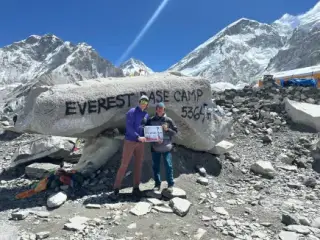
Choose the Annapurna Circuit for variety: it crosses a 5,416 m pass and moves through green valleys, Tibetan-Buddhist highlands and Trans-Himalayan desert, with fewer trekkers and no mountain flight required. Choose Everest Base Camp to stand beneath the world's highest mountain and walk through Sherpa country. Both are 14 days and both are strenuous; EBC reaches a slightly lower high point (5,364 m) but is busier and depends on the Lukla flight.
Yes. Foreign nationals must trek with a licensed Nepali guide inside Nepal's national parks and conservation areas — the rule has been in force since 1 April 2023 and is enforced at Annapurna checkpoints. Your licensed guide is included on every Swotah departure.
The Annapurna Circuit costs more than Annapurna Base Camp mainly because it is longer — 14 days against 9 to 11 — with more teahouse nights and more transport. The permits are identical: one ACAP and one TIMS card cover both treks. There is no extra permit for the Circuit.
Yes — it is mandatory. You cannot join this trek without travel insurance that covers high-altitude trekking and helicopter evacuation to 6,000 m. Policies capped at 5,000 m are often refused at the permit stage, so check the altitude limit, not just the words 'trekking cover', and send us a copy before departure. See our trekking insurance requirements for what the policy must include.
Swotah's guided trek starts from USD 1,230 per person, covering the ACAP and TIMS permits, your guide, teahouse nights, all trail meals and ground transport. Budget roughly USD 350 to 600 more for a shared porter, tips, hot showers and charging, Wi-Fi, drinks, Kathmandu monument fees and the Nepal visa. A realistic all-in figure is about USD 1,650 to 1,900, excluding international flights.
No. Foreign nationals must trek with a licensed Nepali guide inside Nepal's national parks and conservation areas, including the entire Annapurna Conservation Area. The rule took effect on 1 April 2023 and is enforced at Annapurna checkpoints, where your guide's licence is checked against your permit. A licensed guide is included on every Swotah departure.
A deposit from 10% confirms your booking and the balance is due before departure. Refunds are scaled by how much notice you give, and you can reschedule to another date up to 30 days before departure. The full deposit and refund terms are set out on our booking and cancellation page.
The highest point of the Annapurna Circuit is the Thorong La at 5,416 m (17,769 ft). Most nights are spent between 2,600 m and 4,540 m, with the pass crossed on a single long day.
Prior high-altitude experience is not required. Some general hiking fitness helps, but with a few months of preparation, a steady pace and a guide, fit first-time trekkers complete the Annapurna Circuit.
Yes. A physically fit beginner can complete the Annapurna Circuit, because it involves no technical climbing and the height is gained gradually with time to acclimatise before the Thorong La. It is still a demanding trek with long days and real altitude, so a few months of fitness work beforehand and a guided trip make a large difference. With proper preparation, a steady pace and good hydration, first-time trekkers manage the circuit well.
In most respects yes. The Annapurna Circuit is harder than climbing Kilimanjaro because it involves many more days of walking over rugged, varied terrain, whereas Kilimanjaro is a shorter ascent and descent on one mountain. Kilimanjaro's summit at 5,895 m is slightly higher than the Thorong La at 5,416 m, but the Annapurna Circuit's length, daily distances and sustained time at altitude make it the tougher trek overall for most people.
The flight is an optional upgrade, so a cancellation does not affect the core trip — you travel to Pokhara by shared jeep down the Kali Gandaki instead, exactly as the standard itinerary does. If you have paid for the flight and it is cancelled for weather, we refund the fare and put you on the jeep.
Tipping is customary but not compulsory. A common guideline is about 10 percent of the trip cost for the guide, split across the group, with a similar per-day gesture for a porter. Nepali rupees are most useful for porters; guides can take dollars or other currencies.
There are ATMs in Chame and Manang, but they are limited and often offline, so carry enough Nepali rupees in small notes for the whole trek. Most villages have Wi-Fi and charging for a small fee; signal is patchy above Manang and drops out around the pass.
Expect roughly −5°C to −15°C at the pass before dawn in the main trekking seasons, with wind chill making it feel colder, warming to around freezing by mid-morning. In December and January it is routinely below −20°C at dawn and the pass can close entirely. Lower down, daytime walking temperatures are mild — often 10°C to 20°C in the Marsyangdi valley.
You can carry your own pack — many trekkers do — but a shared porter makes the long days at altitude considerably easier. One porter is shared between two trekkers and carries a maximum of 20 kg in total, so you pack up to 10 kg in a duffel and walk with a light daypack holding water, layers and a camera. Porters are added on request at about USD 25 to 30 a day.
The optional Jomsom–Pokhara flight allows roughly 10 kg of checked baggage plus 5 kg of hand luggage, which is less than most international carriers. Flights run in the morning only because the Kali Gandaki wind builds through the day. Anything over the limit travels down by jeep or is left in storage at your Pokhara or Kathmandu hotel at no charge.
Gain no more than about 500 m of sleeping altitude per day above 3,000 m, drink 3 to 4 litres of water daily, and use the easier day around Manang (3,540 m) to acclimatise. Walk at a steady pace, avoid alcohol before the pass, and tell your guide at the first sign of headache, nausea or dizziness. If symptoms worsen, the rule is always to descend.
If the weather closes the pass or a trekker is unwell, your guide will not push on. Depending on the situation we wait a day at Thorong Phedi, turn back down the Marsyangdi, or in a medical emergency arrange descent or a helicopter evacuation. Your guide makes the call on safety grounds, and this is one reason a guide is mandatory and insurance to 6,000 m is required.
Most trekkers who follow the acclimatisation schedule cross the pass successfully. We do not publish a headline success-rate figure, because the honest answer is that it depends on weather and on how each person is acclimatising rather than on fitness alone. Turn-backs are usually caused by a storm closing the pass or by a trekker showing altitude symptoms at Thorong Phedi, and in both cases the decision rests with your guide.
Why Travel with Swotah
Why Book the Annapurna Circuit Trek with Swotah
Most Nepal operators look the same from the outside. Here's what actually makes the difference.
Born in Nepal
100% locally owned since 2016. Trek profits stay with the mountain families and village schools along your route.
Guaranteed Departures
Every date on our calendar runs — no minimum group size. You never pay to be cancelled.
Certified Guides
Government-licensed, WFR-certified, English-speaking. Most were born within two valleys of the trail.
Small Groups
Small groups, never more than 8 trekkers. You get a real experience, not a convoy.
Gear Included
Sleeping bag and down jacket loaned at no extra charge — both rated to –20°C.
Flexible Payment
Deposit from 10% to confirm, balance before departure or in cash on arrival. Reschedule up to 30 days prior.
24/7 Support
Kathmandu office and dedicated WhatsApp emergency line. We answer at 2am if needed.
Hall of Fame
TripAdvisor Travelers' Choice 2023, 2024 and 2025. Hundreds of verified five-star reviews.
Get a free personalised travel brief for the Annapurna Circuit Trek.
Tell us your travel dates and group size. Our team in Kathmandu will put together a tailored itinerary, honest costs, and practical tips — completely free, no commitment.