


Upper Mustang Permit 2026: Solo Trekking Now Allowed & Cost Per Day
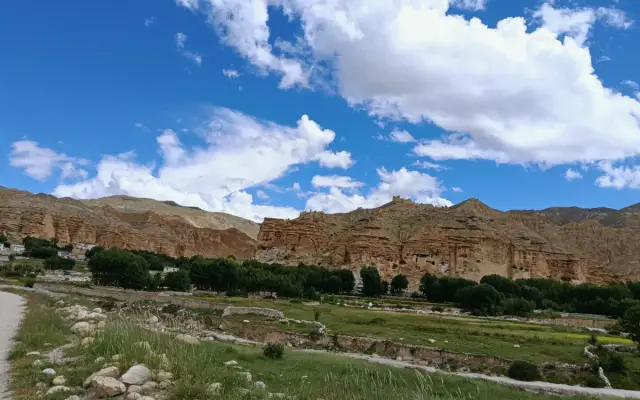
You can now trek Upper Mustang solo, and the permit costs less for a short trip than it used to. Two 2026 changes drive this: on 22 March 2026 Nepal removed the rule that forced two trekkers onto one restricted-area permit, and the Upper Mustang Restricted Area Permit moved from a flat USD 500 for ten days to USD 50 per person per day. Upper Mustang is a restricted trekking region in the north of Mustang district, the former Buddhist Kingdom of Lo, and entering it still requires a licensed guide from a registered agency. This guide covers what changed, the permits you need, and the 2026 cost.
What changed in 2026
Two rules changed for Upper Mustang in 2026. First, the Department of Immigration scrapped the minimum-two-trekker requirement across all 15 restricted-area districts on 22 March 2026, so a single traveller can now hold the Upper Mustang permit alone. Second, the Restricted Area Permit switched from the old flat fee of USD 500 for the first 10 days to a daily rate of USD 50 per person, with no 10-day minimum. The daily rate means a shorter itinerary inside the zone now costs less, while a full ten-day stay lands at the same USD 500 as before.
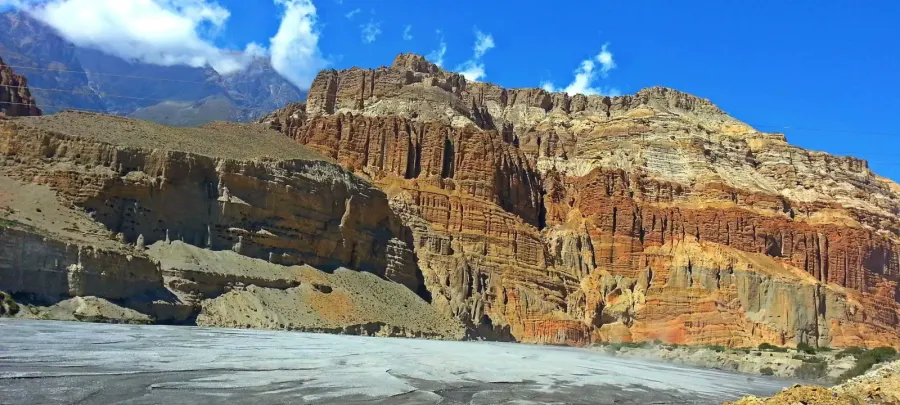
Can you trek Upper Mustang solo in 2026?
Yes, a solo traveller can now trek Upper Mustang, with one condition: you walk with your own licensed guide, not alone. A licensed guide from a registered trekking agency stays mandatory in every restricted area, a rule the Nepal Tourism Board applies nationwide. Guideless, fully independent trekking is not permitted north of Kagbeni. The practical change for a lone traveller is that you no longer need a second paying trekker on the permit, which used to be the single biggest barrier to a solo Mustang trip.
Which permits does Upper Mustang need?
Two permits cover Upper Mustang, and the Restricted Area Permit replaces the TIMS card, so no TIMS is required.
- Upper Mustang Restricted Area Permit (RAP): the controlled-zone permit that applies from Kagbeni north to Lo Manthang and the Tibetan border, checked at the Kagbeni post.
- Annapurna Conservation Area Permit (ACAP): required because Mustang sits inside the Annapurna Conservation Area; it covers the approach through Jomsom and lower Mustang.
The Restricted Area Permit is a special government document that authorises foreigners to enter a controlled border region, and it can only be issued through a registered agency, never to an independent walker.
Upper Mustang permit cost in 2026
The Upper Mustang Restricted Area Permit costs USD 50 per person per day inside the restricted zone, counted from Kagbeni. A trek that spends eight days in the zone pays USD 400; ten days pays USD 500, the same as the old flat fee. The Annapurna Conservation Area Permit adds NPR 3,000, about USD 30, for non-SAARC nationals. Because the fee is now daily, the shorter 10-day itineraries that spend fewer days north of Kagbeni cost noticeably less than the classic two-week route. Fees are set by the government and can change, so a registered agency confirms the current figure at booking.
How do you get the Upper Mustang permits?
A registered trekking agency processes both permits in Kathmandu or Pokhara before you fly to Jomsom. To apply you provide a passport copy with at least six months of validity and passport-size photographs. From 2026 you also show proof of travel insurance that covers high-altitude trekking and helicopter evacuation, which is checked at the entry gate. Your guide carries the documents for the Kagbeni checkpost, where the Upper Mustang zone officially begins, and for the ACAP posts on the approach.
Why a licensed guide is still required
Upper Mustang's restricted status protects a living Tibetan-Buddhist culture as much as a sensitive border. The walled city of Lo Manthang, the cave monasteries and the chortens of Lo are fragile, and the permit fees and guide requirement fund their protection and the local economy. A licensed guide also handles the high, dry, wind-exposed terrain and the logistics of a region with few facilities. If you are comparing restricted-area treks, the same 2026 solo rule now applies to the Manaslu Circuit and Kanchenjunga, so all three open up for individual travellers this year.
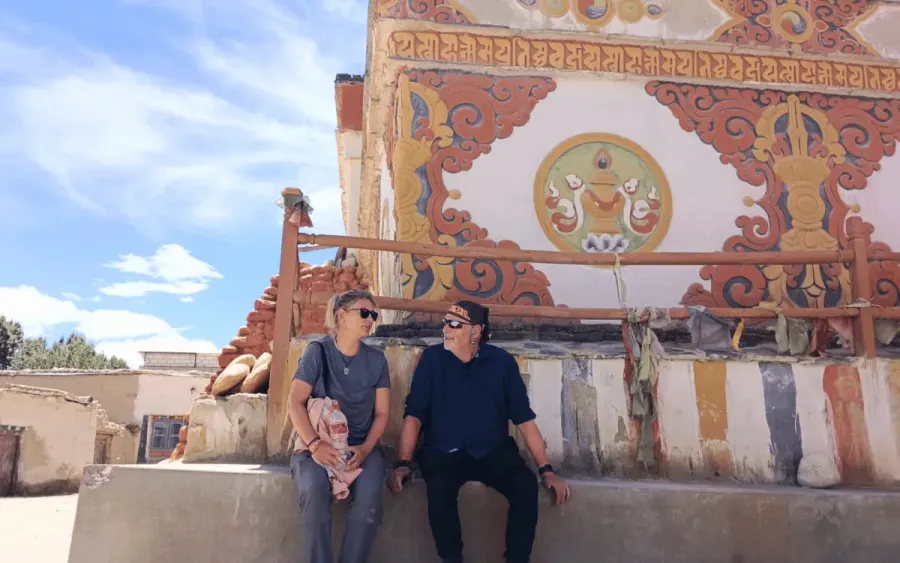
2026 Upper Mustang permit cost summary
| Permit | 2026 cost (non-SAARC) |
|---|---|
| Upper Mustang RAP | USD 50 per person per day (from Kagbeni) |
| Annapurna Conservation Area Permit (ACAP) | NPR 3,000 (~USD 30) |
| TIMS card | Not required (RAP replaces it) |
| Minimum group size | 1 (solo allowed from March 2026, guide required) |
Planning a solo Upper Mustang trek
The 2026 changes make Upper Mustang both easier to join solo and cheaper for a shorter itinerary, with the only firm requirement being a licensed guide booked through a registered agency. Swotah arranges the RAP and ACAP, confirms the current per-day fee at booking, pairs you with a licensed guide, and carries the paperwork for the Kagbeni checkpost. See the full routes and dates on our Upper Mustang Trek and the shorter 10-day Upper Mustang, or contact our team for a solo quote with every permit included.