


Kanchenjunga Trek Permit 2026: Solo Rule, RAP Cost & Requirements
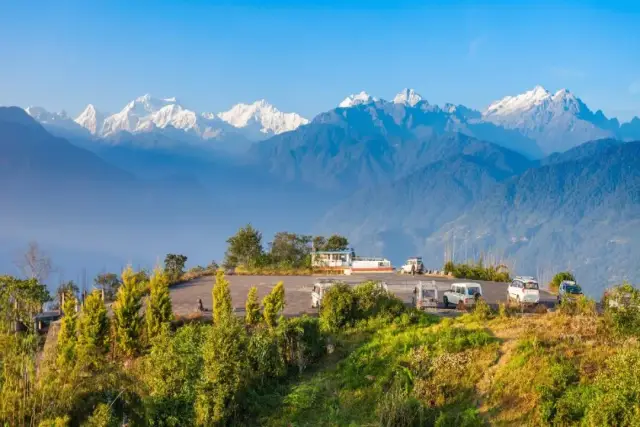
You can now trek to Kanchenjunga solo. On 22 March 2026 Nepal removed the rule that required at least two trekkers on a single restricted-area permit, and that change covers Taplejung, the far-eastern district that holds Kanchenjunga. A solo foreigner can now obtain the Kanchenjunga Restricted Area Permit alone, provided a licensed guide from a registered agency comes along. Kanchenjunga is the world's third-highest mountain at 8,586 m, on Nepal's border with India and Sikkim, and its trails sit inside a restricted conservation area. This guide explains what changed, the two permits the trek needs, and the 2026 cost.
What changed in 2026
The 22 March 2026 rule removed the minimum-two-trekker requirement across all 15 restricted-area districts, and Taplejung is one of them. Until then, the Kanchenjunga Restricted Area Permit could only be issued to a group of two or more, and a lone trekker was turned away or had to pay for a second permit. A solo trekker can now apply in their own name at the standard per-person rate. The licensed-guide requirement has not changed, so the rule opens the trek to individual travellers without removing the safety framework.
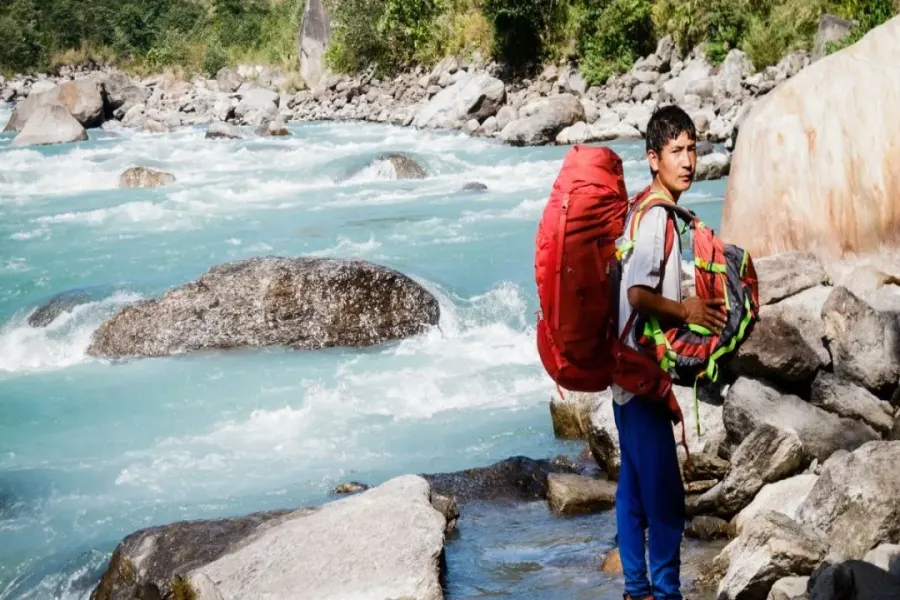
Can you trek Kanchenjunga solo in 2026?
Yes, a solo traveller can now trek Kanchenjunga, with one condition: you trek with your own licensed guide rather than alone. A licensed guide from a registered agency stays mandatory in every restricted area, so "solo" here means permit eligibility for one person, not guideless trekking. Kanchenjunga is one of Nepal's most remote treks, often 20 to 28 days to the North Base Camp at Pangpema and the South Base Camp at Oktang, so the guide requirement is a genuine safety measure on a trail with long gaps between settlements.
Which permits does the Kanchenjunga trek need?
Two permits cover the Kanchenjunga trek, and the Restricted Area Permit replaces the TIMS card, so no TIMS is required.
- Kanchenjunga Restricted Area Permit (RAP): the controlled-zone permit for the trek, issued through a registered agency.
- Kanchenjunga Conservation Area Permit (KCAP): the entry fee for the Kanchenjunga Conservation Area, which protects the region's snow leopard and red panda habitat.
The Restricted Area Permit is the government document that authorises entry to a controlled border region, and like all RAPs it cannot be issued to an independent walker.
Kanchenjunga permit cost in 2026
The Kanchenjunga Restricted Area Permit costs USD 20 per person per week for the first four weeks, which is lower than most restricted areas. Beyond four weeks the rate is about USD 25 per person per week, or roughly USD 5 per day, depending on the source, so a registered agency confirms the exact figure at booking. The Kanchenjunga Conservation Area Permit is a flat NPR 2,000 per person, about USD 15, with no time limit. For a typical four-week circuit the permits total around USD 95 per person, which makes Kanchenjunga one of the better-value restricted-area treks.
How do you get the Kanchenjunga permits?
A registered trekking agency processes both permits in Kathmandu before you travel east to the trailhead near Taplejung. To apply you provide a passport copy valid for at least six months and passport-size photographs. From 2026 you also show proof of travel insurance covering high-altitude trekking and helicopter evacuation, which is verified along with your permit and guide credentials. Your guide carries the documents for the checkposts on the long approach toward Ghunsa and the base camps.
Why a licensed guide is still required
Kanchenjunga sits in a sensitive border zone and a protected conservation area, so the restricted status serves both security and conservation. The trail is long, high and lightly travelled, with limited rescue infrastructure, and a licensed guide reads the weather and altitude and coordinates help when settlements are a day or more apart. The same 2026 solo rule now applies to other restricted areas too, including Upper Mustang and the Manaslu Circuit, so all three open up for individual travellers this year.
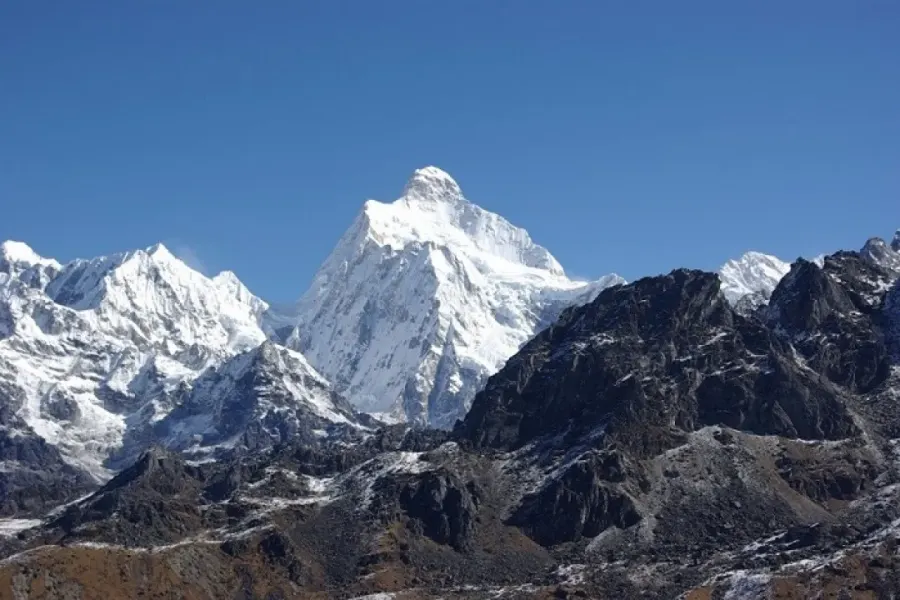
2026 Kanchenjunga permit cost summary
| Permit | 2026 cost (non-SAARC) |
|---|---|
| Kanchenjunga RAP (first 4 weeks) | USD 20 per person per week |
| Kanchenjunga RAP (after 4 weeks) | ~USD 25 per week (about USD 5/day) |
| Kanchenjunga Conservation Area Permit (KCAP) | NPR 2,000 flat (~USD 15) |
| TIMS card | Not required (RAP replaces it) |
| Minimum group size | 1 (solo allowed from March 2026, guide required) |
Planning a solo Kanchenjunga trek
The 2026 rule makes a solo Kanchenjunga trek possible for the first time, and the permits stay among the cheapest of any restricted area. The only firm requirement is a licensed guide booked through a registered agency. Swotah arranges the RAP and KCAP, confirms the current fees at booking, pairs you with a guide who knows the eastern Himalaya, and carries the paperwork for the checkposts. See the routes and dates on our Kanchenjunga Base Camp Trek and Kanchenjunga South Base Camp, or contact our team for a solo quote with every permit included.