



Canoeing In Nepal: An Adventurer’s Guide
Nepal is a great destination for the adventurous traveler. From the thrill of trekking in the Himalayas to exploring the bustling cities, this diverse country has something for everyone.
Are you in the mood to explore something new in this country? Canoeing might be the best option if you are thinking so. Canoeing in Nepal offers a unique experience that can't be found anywhere else. You'll explore some of the country's most beautiful rivers and lakes while learning about its culture and people.
A canoeing excursion in Nepal promises a one-of-a-kind adventure amidst its majestic and varied landscapes. Embark on an adventure to uncover some of the earth's most breathtaking scenery, from magnificent mountain panoramas to dense jungle landscapes.
So grab your gear, and let's get paddling!
Overview of Nepal for Canoeing
Canoeing in Nepal presents a captivating and thrill-seeking opportunity to travel and discover the stunning landscapes of this remarkable nation.
The streams of Nepal furnish a few of the most exciting and rigorous Canoeing opportunities on the planet. The water is as clear as glass and is surrounded by green rainforests and majestic peaks, offering a stunning and natural experience. Canoes are designed to navigate through shallow and narrow passages where larger boats cannot fit, bringing you closer to the environment and immersing you in the sights and sounds of nature.
The government of Nepal has designated portions of 16 rivers, graded on the international I-VI whitewater scale, as prime locations for commercial rafting, kayaking, and canoeing. Canoeing is the perfect activity for thrill-seekers and nature enthusiasts, whether you prefer solo exploration or shared experiences.
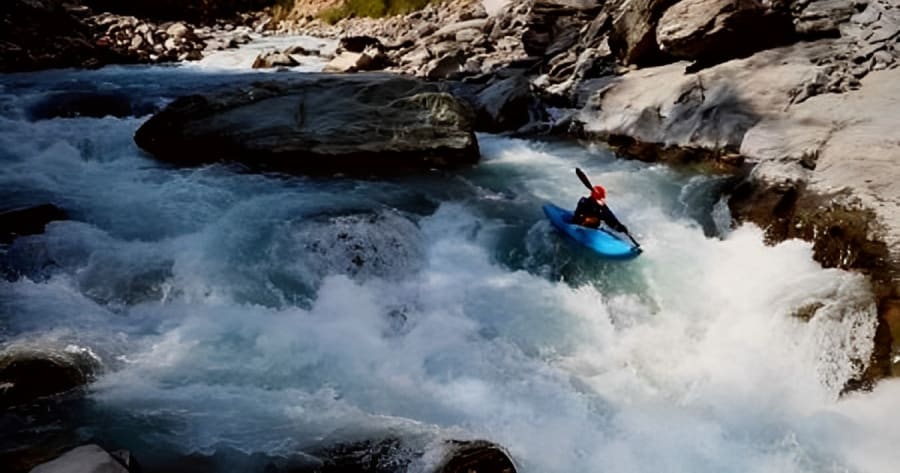
Nepal boasts some of the most famed rivers in Asia for thrilling adventure sports, making canoeing an unparalleled experience. The Trishuli, Sunkoshi, Bhote Koshi, Marsyangdi, Kali Gandaki, Karnali, and Arun rivers are particularly renowned for their thrilling canoeing opportunities.
The Trishuli River is a suitable destination situated in the heart of Nepal for river enthusiasts of all skill levels. The Trishuli River, located at the heart of west-central Nepal, offers a captivating adventure for both amateur and seasoned paddlers. The rapids in Trisuli River range from moderate to thrilling, with a mix of class II and III sections to navigate.
The journey to the picturesque Canoeing Zone in Nepal unveils a breathtaking display of natural beauty as you cross through green meadows, lush forests, and majestic valleys. This exhilarating sport, known as kayaking in some regions, involves propelling a canoe with a single-bladed paddle, or a kayak with a double-bladed one, to navigate a stream or river. The ultimate goal of canoeing is to gracefully travel the water's flow while immersing oneself in the serene surroundings.
Best Spots to Go Canoeing in Nepal
Charaudi:
Charaudi is a great destination for canoe enthusiasts on the banks of the Trishuli River in Dhading district, central Nepal. The tranquil waters and breathtaking scenery in the Charaudi make it the perfect spot to paddle along and enjoy the region's natural beauty.
The area brags an awe-inspiring panoramic view of the majestic Himalayas and offers a rare opportunity to spot different birds and animal life. If you're looking for a blissful canoeing experience, Charaudi should be at the top of your list.
Phewa Lake, Pokhara:
Phewa Lake is a destination to be noticed. Nestled amidst the picturesque landscape of Pokhara, Phewa Lake is an idyllic haven for canoeing and kayaking enthusiasts. The lake's calm waters are an invitation for those seeking an escape from the daily life routine. The lake's serene beauty is enhanced by the majestic Annapurna mountain range that provides a stunning backdrop for your journey.

Photo: Canoeing in Nepal
Trisuli River:
The Trishuli River is a natural wonder that enters Nepal from the Tibetan plateau near Rasuwagadhi in the Rasuwa District. This picturesque watercourse is a beloved destination for canoe enthusiasts, offering a unique blend of thrilling rapids and tranquil stretches, catering to both novice and seasoned canoeists alike.
Other popular paddling destinations include the Seti River near Damauli, the mighty Sun Koshi in the east, and the quiet Begnas and Rupa lakes outside Pokhara. Each of these locations offers a unique and unforgettable experience for canoeists.
Rapti River, Chitwan:
The most traditional canoeing experience in Nepal is the dugout canoe ride on the Rapti and Budhi Rapti rivers inside Chitwan National Park. Local Tharu boatmen pole hollowed-out kapok-tree canoes silently downstream past basking gharial and mugger crocodiles, while kingfishers, storks, and sometimes even rhinos appear along the banks. The ride is usually bundled into safari packages and costs about USD 15-25 as a standalone activity.
Best Months For Canoeing In Nepal
The best months for canoeing in Nepal are between September to November. These autumn months bring settled post-monsoon water levels and crystal-clear skies, and the climate is moderate and pleasant. The spring window from March to May is nearly as good.
Similarly, you will be okay with the problems of floods or other water-borne calamities, unlike in rainy seasons. If you choose canoeing in Nepal during the winter, the water temperature might need to be more favorable. Most of the time, the temperature drops, and you are likely to suffer extreme cold in the water.
So, if you go canoeing in autumn or spring, you can avoid all of these issues and have an exciting trip.
What Rules and Regulations Should I Be Aware Of?
Generally, rules and regulations for canoeing differ from destination to destination; it depends on which spot you choose. You can put your inquiry about the safety measures, management, and regulations during your canoeing session. Most parks or the administration of canoeing sports provide a set list of rules and regulations to the adventurers. Some of them are as follows:
-
Always Wear A Life Jacket
-
Follow The Instructions of Your Mentor in Water
-
Pre-Health Check Up
-
Avoid Unnecessary Actions Like Stunts or Show Offs in the water
Types And Categories of Canoes
There are two types of Canoes in the world: the Canadian sport canoe and a Kayak. The Canadian type is open from end to end and is paddled with a single-bladed paddle, while a kayak has a closed deck with a cockpit and uses a double-bladed paddle.
Based on the build, canoes also have several categories. Some of them are:
Aluminium Canoes (Made from Aluminium - the initiation of building aluminum canoes began from fighter jet manufacturers after the end of World War II)
Lightweight Canoes: They are mainly used for sports like water racing and trips. It is the most famous canoe in the world since they are fast in the water. Most lightweight canoes are built by the composite of fabric cloth infused with a resin such as epoxy.
Kevlar Canoes: They are made of Kevlar, also used in bulletproof materials. It is one of the strongest canoes that are flexible to withstand any impact. They are considered suitable for voyages.
Carbon Fiber Canoes: These canoes are very lightweight and quick in the water. Like Kevlar canoes, they are solid and flexible in the water. These types of canoes are also used for watersports.
Fiberglass Canoes: Fiberglass canoes are made of fibers and resin hardened over a mold. These canoes feature sharp entry and exit lines to make them efficient, fast, and maneuverable. Hand-laid Fiberglass canoes are considered more expensive, unlike canoes from other categories.

What Equipment Should I Bring for Canoeing in Nepal?
If you're planning on canoeing in Nepal, you'll need to bring some essential gear. Here's a list of what you should bring:
-
A canoe or Kayak
-
A PFD (personal flotation device)
-
A paddle
-
A helmet
-
A dry bag
-
Water shoes or sandals
-
Sunscreen
-
Sunglasses
-
Hat
-
Bug spray
Valuable Tips for Canoeing in Nepal
Canoeing is a great way to explore the waterways of Nepal. Here are some tips to help you enjoy your canoeing adventure:
-
Wear a life jacket at all times.
-
Be aware of your surroundings and watch for obstacles in the water.
-
Paddle with a partner to help you stay safe and enjoy the experience more.
-
Bring plenty of food and water with you on your trip.
-
Pack extra clothes in case you get wet.
-
Start your trip early in the day to avoid afternoon storms.
Also Read: Rafting in nepal: Complete Guide
Cost of Canoeing In Nepal
The cost of canoeing in Nepal will vary depending on the trip and the type of canoe used. On Phewa Lake, boat and kayak rentals start at around NPR 500-1,000 (USD 4-8) per hour, or USD 25-40 for a full day. The price will be higher for a longer trip or for a group.
Guided river trips with equipment, instruction, and transport start from about USD 50 per person per day.
Many types of canoes are available for rent in Nepal, from simple open boats to more elaborate kayaks. The price will also depend on equipment, such as paddles and life jackets. It is possible to find all-inclusive packages that include everything you need for your trip.
Canoeing is a great way to see Nepal's beauty up close. It is an adventure that everyone can enjoy, regardless of their skill level. With some planning, finding a package that fits your budget and your sense of adventure is easy.