

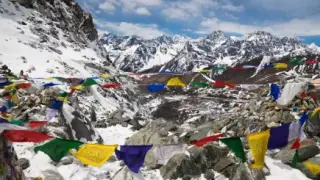

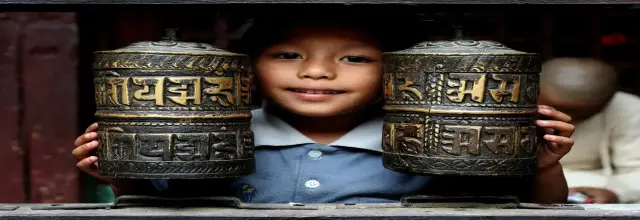

Nepal: A Country of Benevolence
Nepal has a reputation that precedes it. Long before travellers arrive, they have heard the word: warm. And they are right, but warmth barely scratches the surface. Nepal is a country of genuine benevolence, where generosity is not performed for tourists but lived as a daily practice by its people.
Happiness Is a Choice, Not a Destination
In a world that equates happiness with achievement, Nepal offers a different perspective. The Nepali people, many of whom live with far less material wealth than the tourists who pass through, carry a deep contentment. They will tell you it comes from connection: to family, to community, to the mountains, and to the rhythms of the seasons.
Walking through a Nepali village at dusk, you will see families gathered in courtyards, children playing in the lanes, and elders sitting together as the Himalaya glow in the last light. These are not scenes staged for visitors. This is simply how life is lived.
A Country of Altruism
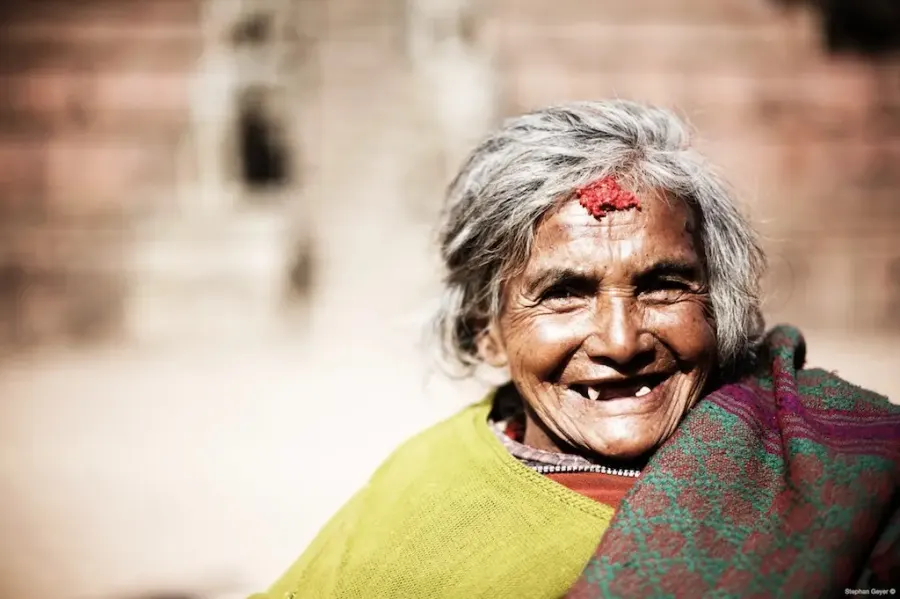
NEPAL: Never Ending Peace And Love. The acronym captures something real. If you stop at a local home on a trekking trail and ask to rest, people will not hesitate to welcome you in as one of the family. They will make tea, offer food, and sometimes refuse payment altogether. In the middle of a long day's walk, when you run out of water near a small house, a family will fill your bottle and wave you on your way with a smile.
This is not an exception; it is the norm. Nepali hospitality is rooted in the ancient principle of Atithi Devo Bhava: the guest is God. To turn someone away goes against a deeply held cultural and spiritual belief that has been passed down through generations.
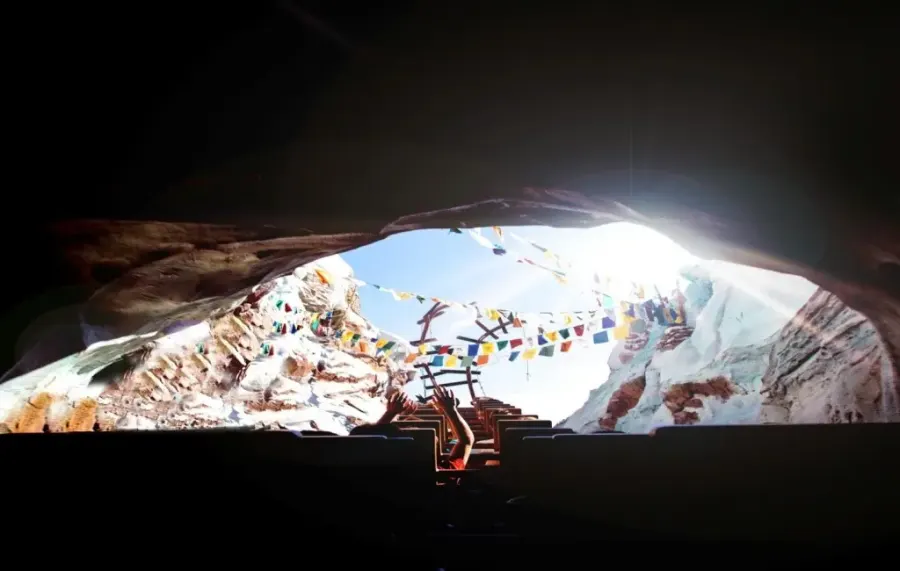
"If Nepal doesn't bring a smile to your face every single day, you are a lost cause."
"Namaste", The Word That Carries a World
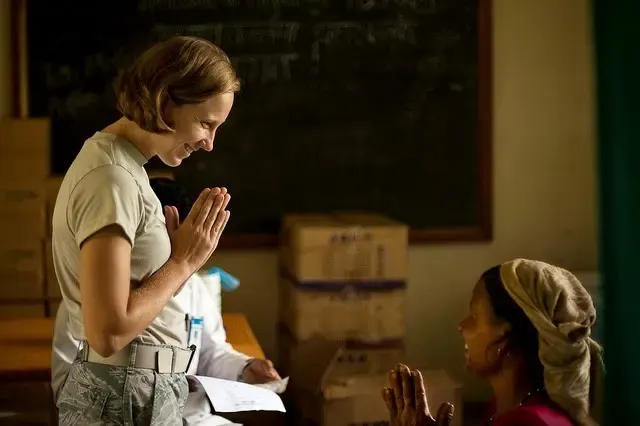
From the moment you arrive, you will hear one word more than any other: Namaste. Said with hands pressed together and a gentle bow of the head, it is how children greet strangers on the trail, how shopkeepers welcome you to their stalls, and how guides begin and end every day on the mountain.
"Namaste, the light in me bows to the light within you." (Jennifer Donnelly)
You may meet friendly people in many places in the world. But there is something distinct about the way Nepali people mean it. The greeting is not a formality; it is an acknowledgement that the person in front of you has value, that their presence matters. In a country where the mountains remind you every day how small you are, there is an extraordinary grace in how people choose to see one another.
Benevolence on the Trail
Travellers who have trekked in Nepal speak about this constantly. A porter who carries more than his agreed-upon weight without complaint. A teahouse owner who sits with you through a snowstorm and tells you about her family. A local child who walks you back to the correct trail after you have taken a wrong turn, and then runs back to his friends without expecting anything in return.
These moments are not rare encounters. They accumulate day by day until, by the end of a trek, most travellers feel they have received far more than they came looking for. The mountains are extraordinary, yes. But it is the people who leave the deepest mark.
Nepal's Culture of Giving
What makes Nepali benevolence so distinct is that it is not directed only at tourists or outsiders. It is the same generosity that flows between neighbours, between strangers on the road, between a farmer and the pilgrim who passes through her land. The culture of giving is embedded in the country's two dominant religions, Hinduism and Buddhism, both of which place enormous emphasis on merit, charity, and the sacred duty of care toward others.
You will see it in the small daily rituals: the rice and flowers left at the doorstep shrine each morning, the food offered to monks as they walk through the village at dawn, the extra portion placed on your plate without being asked. Nepal is a country where scarcity has never eroded generosity. If anything, it seems to have deepened it.
This is what travellers mean when they say Nepal changes them. It is not the mountains, though the mountains are extraordinary. It is the quiet reminder, repeated a hundred times a day, that kindness is not a resource that runs out.
How to Experience Nepali Hospitality Yourself
The most direct route into this culture is to stay inside it. A homestay rather than a hotel places you at a family's table, and community programmes in villages such as Sirubari, Ghalegaun, and the Tamang settlements of the Langtang region are built precisely for that exchange. Timing a visit around Nepal's festival calendar multiplies the effect: during Dashain and Tihar, guests are routinely pulled into family celebrations, and refusing is harder than joining in.
Receiving Generosity Responsibly
Generosity invites reciprocity, and a few habits let travellers return it without distorting it:
- Accept the tea. Declining hospitality outright can disappoint your host; a single cup, drunk slowly, honours the gesture.
- Learn the words. Namaste (hello), dhanyabad (thank you), and mitho chha (it is delicious) repay a meal better than any tip.
- Pay fair prices without aggressive bargaining. The difference of a hundred rupees means more to a hill farmer than to almost any visitor.
- Give to institutions, not children. Sweets and money handed to children encourage begging along the trails; school donations and community funds put the same generosity to durable use.
- Ask before photographing people, especially elders and sadhus, and share the photo when you can.
Experience Nepal's benevolence firsthand; our Tamang Heritage Trek and Millennium Homestay Trek take you deep into the communities that make Nepal so extraordinary.
You may also like: 18 Reasons to Visit Nepal in 2026