
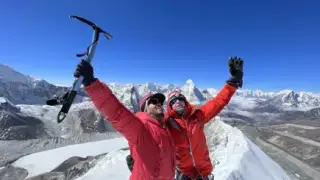
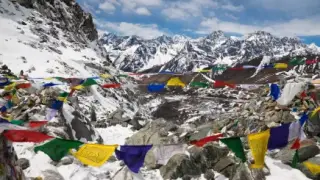


Nepal is worth visiting in 2026 and 2027 for eight of the world's ten highest mountains, treks from four days to four weeks, 142 caste and ethnic groups with festivals almost every month, tigers and rhinos in Chitwan, and prices that stay low by world standards. After the August 2026 floods, every Swotah trek is running again except the Tamang Heritage Trail, and Langtang reopened on 22 October 2026 via Thulo Syabru. Come in October to November or March to May for the clearest trekking weather.
- Highest peaks8 of the world's 10 highest, including Everest (8,849 m)
- UNESCO World Heritage Sites4: Kathmandu Valley, Sagarmatha, Chitwan, Lumbini
- People142 caste and ethnic groups, 124 mother tongues (2021 census)
- Best seasonsOctober to November and March to May
- VisaOn arrival: USD 30 (15 days), 50 (30 days), 125 (90 days)
- Trekking ruleLicensed guide required on most routes since 1 April 2023
- Swotah group sizeNever more than 8 people
Nepal is undoubtedly one of the most beautiful countries in the world. From the mesmerizing views of the mountains to the abundance of natural and historical sights, Nepal has a lot to offer. Despite being a small country sandwiched between two giants, it is rich in its natural beauty, cultures and traditions, and diverse landscapes. Here are some of the reasons you need to add Nepal to your list of places to visit in 2026 or 2027.
Here are 18 reasons why you should visit Nepal in 2026 and 2027. If you want a shorter list with a different angle, read our 10 reasons to visit Nepal in 2027.
Nepal in Late 2026: What Is Open
The 26 August 2026 floods hit Rasuwa and the Langtang road hardest. Two months on, the Prithvi Highway between Kathmandu and Pokhara has been open since 17 September, Manaslu treks are running again, and Langtang, Kyanjin Gompa and Gosaikunda reopened on 22 October with a new trailhead at Thulo Syabru. Only the Tamang Heritage Trail is still paused. Tours to Tibet now fly to Lhasa because the Kerung border is closed. For the full picture, see our travel updates and our post on why visiting now helps the rebuild.
1. Himalayan Experience
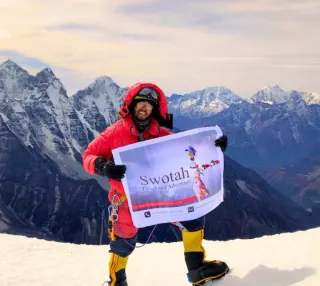
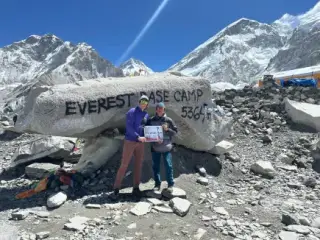
Nepal is home to the highest mountain range in the world, the Himalayas. This makes Nepal an ideal destination for those seeking an adventure in the mountains. The Himalayas offer a range of activities such as trekking, hiking, mountaineering, and even skiing. Nepal is home to some of the world's most popular trekking routes, such as the Everest Base Camp Trek, Annapurna Circuit Trek, and the Langtang Valley Trek, which now starts from Thulo Syabru after the 2026 floods. The stunning views of the mountains and the beautiful landscapes are some of the many reasons why people come to Nepal for the Himalayan experience.

2. Guests are Treated Like Gods
The people of Nepal are reason enough to visit this amazing country. As the saying goes “Atithi Devo Bhava,” which translates to “Guests are Gods”. People will welcome you with a huge smile and open arms. Locals are known for their hospitality, friendly nature, and respect towards tourists. While tourists are considered annoying in some parts of the world, they are considered family here. It is not uncommon to be invited into someone’s home and offered a cup of hot masala tea. It’s also easy to become lifelong friends with anyone from your trekking guide to your waiter.
3. You Can Be the First to Summit a Virgin Peak
While most people opt to complete the popular Everest Base Camp Trek or the Annapurna Circuit, there are tons of unexplored “Virgin Peaks,” waiting to be summited. While this isn’t a task for the faint of heart, it is an incredible opportunity for a thrill seeker or trailblazer. Nepal has opened about 462 peaks for expeditions, and in 2025 a Department of Tourism director said around 100 of them have still never been climbed. The same year the government waived climbing royalties on 97 peaks in Karnali and Sudurpaschim provinces for two seasons, to pull climbers away from Everest. Check the current list with your agency, since peaks open and close by government notice. It’s one thing to climb a peak, it’s another to be the first person to ever step foot there.
4. Spotting a Ghost Cat Just Got a Little Easier
If wildlife is at the top of your list when picking a destination, then Nepal is a great choice. While wildlife is abundant, it’s the snow leopard that has made the list of reasons to visit this year. In 2017, the IUCN moved the snow leopard from “endangered” to “vulnerable”. Nepal's first national estimate, released in April 2025, puts about 397 snow leopards in the Himalayas, roughly a tenth of the world's population. Snow leopards are notorious for being hard to spot, and have therefore earned the nickname ‘ghost cats’. Seeing one is no easy feat. Your best chance is in winter, when the cats follow blue sheep down to lower slopes, and Swotah's 20-day Snow Leopard Trek in Lower Dolpo runs in December and February for exactly that reason.
5. Glaciers are Disappearing Faster Than You Think
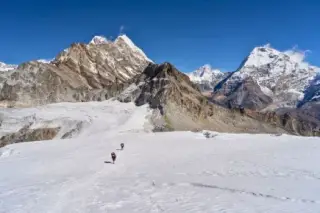
While most people might not consider climate change as a reason to visit a country, it has a massive impact on tourism in Nepal. For instance, many of the major trekking routes cross glaciers or their moraines, like the Khumbu Glacier below Everest Base Camp. If you’re into nature or trekking, walking across a glacier is not only exciting but also a great privilege. Even seeing one from a distance makes an impression. ICIMOD's glacier inventory counted 3,808 glaciers in Nepal covering 3,902 sq km. Its 2023 report found Himalayan glaciers melted 65% faster in the 2010s than in the decade before, and warned that glaciers in the eastern Himalaya, which includes Nepal, could lose up to 75% of their ice by 2100 if the world warms by 3°C. There’s no time like the present to see one up close and in person, since they are getting smaller and smaller every year.
6. It’s Still Very Affordable
While many countries require a large bank account, Nepal is easy to enjoy on a tight budget. Your money will go a long way here, and backpackers in Kathmandu and Pokhara get by on about USD 25 to 35 a day. If you enjoy the local cuisine, a plate of dal bhat at a local eatery costs a few hundred rupees, or two to three dollars, while western meals in Thamel run USD 8 to 15. A dorm bed costs about USD 5 to 15 a night and a clean guesthouse room starts around USD 20. On the trail, teahouse food and lodging comes to about USD 30 a day low down and USD 40 to 50 higher up. Shopping is also a great experience inside the valley where you can buy clothes, souvenirs, artworks, and handicrafts for fair prices. Even when it comes to trekking, you have the freedom to choose from luxury services or budget-friendly options.
7. Your Visit Directly Transforms Mountain Communities
In Nepal, tourism is not an add-on to the economy, it is the backbone of life for millions of people in mountain villages. When you stay in a family-run teahouse, eat from a family kitchen, or hire a local porter, the money flows directly to the people who need it most. Nepal's community-based tourism model means that a single trek through the Annapurna region can support dozens of families in the villages along the route. Conservation fees such as the NPR 3,000 Annapurna Conservation Area permit go back into trails, safe drinking water stations and the forests that make the Himalayas what they are. For those who want to go further, spending even one or two nights in a community homestay puts you in direct contact with the families whose lives your visit supports.
8. It’s Safe for Most Visitors
Although crime does exist, the crime rates in Nepal are very low compared to other countries. The majority of crime committed here is non-violent. You don’t have to travel in fear of getting robbed or worse. Nepali people are generally very accepting of others, therefore violence based on race or religion is extremely rare, and you will feel welcomed wherever you go. The real risks are mountain roads, altitude and monsoon landslides, so buy insurance that covers helicopter rescue and trek with a licensed guide. The US advisory has been at Level 2, "exercise increased caution", since March 2026. If anything goes wrong, the Tourist Police hotline is 1144.
9. Getting off the Beaten Path is Easy
In most countries, getting off the beaten path takes effort. Have you ever been to a place no one’s heard of? A place you barely find any information about online? In Nepal, most people flock to Kathmandu or Pokhara. Drive an extra hour in any direction, and you’ll feel as though you’re the first foreigner to visit. It’s not every day that you get to explore quaint villages and beautiful mountains that haven’t been touched by the tourism industry. Seeing and experiencing the authentic culture and traditions that haven’t been affected by westernization is a gift.
10. The Locals Still Enjoy a Simple Way of Living
Farming is still the main livelihood for millions of Nepali families, even with fast growth in the cities. When traveling in Nepal, you can get a taste of a village lifestyle that still runs on the seasons and the harvest. In small villages, you can stay with locals, see how rice is cultivated, and learn about traditions that date back to medieval times. Getting to experience a culture as authentic as this is something you can’t experience anywhere else.
11. There are 142 Caste and Ethnic Groups
Nepal has a fair share of diversity in terms of cultures and traditions. The 2021 census counted 142 caste and ethnic groups and 124 mother tongues, and some of these groups can’t be found anywhere else in the world. It’s also a very religious country. About 81% of Nepalis are Hindu and 8% Buddhist, followed by Muslims (5%), Kirat (3%) and Christians (under 2%), and shrines like Pashupatinath draw pilgrims from across South Asia. One can truly get a taste of the different and unique lifestyle of the people and get insights into their traditions and customs.
12. You Can Celebrate an Array of Festivals
With so many different ethnic groups comes a multitude of festivals. The festivals in Nepal are endless and are known for being vibrant and colorful. While most of the festivities have religious importance or follow beliefs of ancient mythology, all of them have their own significance. The biggest and longest-lasting celebrations are Dashain and Tihar. In addition to the major festivals are Jatras and Melas. However, the most appealing festival among tourists is Holi, which is a festival of colors.
Festival Dates for 2026 and 2027
Nepal's festivals follow the lunar calendar, so the dates move every year. Dates marked "about" come from published calendars and should be confirmed nearer the time.
| Festival | Date | Where to see it |
|---|---|---|
| Tihar (festival of lights) | 7 to 11 Nov 2026, Laxmi Puja on 8 Nov | Everywhere, best in Kathmandu and Bhaktapur |
| Chhath | 13 to 16 Nov 2026, main evening 15 Nov | Terai rivers, Kathmandu's Kamal Pokhari and Gaurighat |
| Maha Shivaratri | 6 Mar 2027 | Pashupatinath |
| Holi | About 21 Mar 2027 in the hills, a day later in the Terai | Basantapur, Thamel, Pokhara Lakeside |
| Nepali New Year and Bisket Jatra | New Year 14 Apr 2027, Bisket about 10 to 18 Apr | Bhaktapur |
| Buddha Jayanti | 20 May 2027 | Lumbini, Swayambhunath, Boudhanath |
| Dashain | Expected late Sep to mid-Oct 2027 | Family homes everywhere, kites over the valley |
13. You Can Step Into the Year 2084
Nepal uses a traditional calendar called Bikram Sambat, which runs approximately 56.7 years ahead of the Gregorian calendar. Nepal entered Bikram Sambat year 2083 in April 2026, which means, in a wonderful way, you step into the future the moment you arrive. Year 2084 begins on 14 April 2027 (Baisakh 1), and the best place to celebrate it is in Bhaktapur, where thousands of people witness Bisket Jatra for nine days and eight nights, about 10 to 18 April 2027. The festival features dramatic chariot pulling and the raising and felling of a 25 m pole, and on the day after New Year the nearby village of Bode holds its tongue-piercing ritual, said to bring good fortune.
14. The Unique Blend of Cuisines
Nepal is sandwiched between India and China, which gives it a unique blend of foods. The most popular dish among Nepalese is dal bhat. Dal bhat is the everyday meal across South Asia, steamed rice with lentil soup and a curried vegetable, and most Nepalis eat it twice a day. There are a lot of variations, and each dal bhat is slightly different. One of the most popular dishes among tourists came from Tibet with Newar traders in the form of a dumpling. Momos come in all shapes and forms, including vegetable, chicken, buffalo, and sweet versions for dessert. Not only is the food incredible, but the teas are also a specialty. The most popular are milk tea and masala tea, which can be found everywhere.
15. It’s a Place of Peace, Serenity, and Healing
The holy places, breath-taking mountains, stunning valleys, and lush green forests make Nepal a very sacred place. In addition to the many beautiful locations, it’s also the perfect place to go on an inner journey. Hindu tradition calls Shiva, worshipped at Pashupatinath, the first yogi, and Nepal is the birthplace of the Buddha, who was born in Lumbini and, by tradition, grew up in the palace at Kapilavastu. That makes it a popular destination for those interested in learning to meditate, from the free 10-day Vipassana course near Kathmandu to the November course at Kopan Monastery. Not to mention, there are plenty of other things to try, like Ayurveda and yoga retreats in Pokhara.
16. The Amount of Adventure Sports Available is Limitless
Nepal is the perfect place for adrenaline junkies and thrill-seekers. There is plenty of adventure sports one can indulge in. Trekking, mountaineering, and safaris are a must for those interested in nature. However, if you want to feel your heart pound out of your chest, you can go rafting, bungee jumping, paragliding, or zip-lining. The Kushma bungee drops 228 m over the Kali Gandaki, tandem paragliding from Sarangkot costs about USD 80 to 120, and the ZipFlyer above Pokhara runs 1.8 km. Trishuli rafting has been on hold since the August 2026 flood, while the gentler Seti has kept running, so check the river before you book. Even some of the roads and domestic flights can be adrenaline-inducing. Taking a motorbike ride through the mountains or landing at Lukla Airport, often called the most dangerous airport in the world, is sure to give you a rush.
17. The Geographical Diversity & Natural Beauty are Unparalleled
Nepal is a geographically diverse country that has a large variety of landscapes. The highest mountains, the most beautiful lakes, the vast forests, and the countless rivers only add to the beauty of the country. It’s home to Mt. Everest, the highest mountain in the world, and has eight out of the ten highest peaks in the world. Besides the highest mountain, it’s also home to the Kali Gandaki Gorge, often called the deepest gorge in the world. The land climbs from about 60 m above sea level in the Terai to 8,849 m on Everest across a country only about 150 to 250 km wide. With the mountains come the rivers and the lakes. The national lake inventory lists more than 5,300 lakes, only about 470 of them named, and they are known as the jewel of the country. Many of these lakes hold religious significance and have pilgrims coming from all over the world. Nepal also has some of the highest lakes in the world, like Tilicho Lake (4,919 m), and the biggest, Rara Lake (2,990 m), which will take your breath away, sometimes literally.
Nepal's Eight 8,000-Metre Peaks
Only fourteen mountains on Earth top 8,000 m. Eight of them stand in Nepal or on its border.
| Peak | Height | Scale |
|---|---|---|
| Everest | 8,849 m | |
| Kangchenjunga | 8,586 m | |
| Lhotse | 8,516 m | |
| Makalu | 8,485 m | |
| Cho Oyu | 8,188 m | |
| Dhaulagiri | 8,167 m | |
| Manaslu | 8,163 m | |
| Annapurna I | 8,091 m |
18. It’s possible to be the First to Catch a Yeti
While this might be a stretch, it’s still possible to be the first person to catch a Yeti. While the Yeti is believed to be a mythical creature by some, others take its existence very seriously. Nepal even had rules for it. A 1959 dispatch from the US embassy in Kathmandu passed on Nepal government regulations that charged expeditions a permit fee, let them photograph or capture a yeti, and allowed killing one only in self-defence. If you find yourself in Khumjung (a short detour from the Everest Base Camp Trek), the local monastery keeps an alleged yeti scalp. Edmund Hillary borrowed it for testing in 1960, and scientists concluded it was made from the skin of a serow, a Himalayan goat-antelope. While several explorers have spent decades searching for one with no luck, it’s still possible that the Yeti is out there.
Final Thoughts on Visiting Nepal in 2026 and 2027
Nepal is a destination unlike any other. From the world's highest peaks to the warmth of its people, from vibrant festivals to extraordinary biodiversity, every reason on this list is something you can experience firsthand in 2026 or 2027. Visit Nepal and discover why so many travellers return year after year.
Ready to plan your trip? Explore our Nepal treks and tours, led by licensed local guides. For more on what makes Nepal so special, read our piece on Nepal: A Country of Benevolence.
Plan Your 2026-27 Nepal Trip With Swotah
Most of the reasons above fit into one of a handful of trips. The prices are the cheapest upcoming group departure on each trip page as of 26 October 2026, per person. Every Swotah group is capped at 8 people, and Swotah can arrange any of these as a private trip on your own dates.
| Trip | Days | Covers reasons | From (group departure) |
|---|---|---|---|
| Everest Base Camp Trek | 14 | 1, 5, 16, 18 | USD 1,620 |
| Annapurna Circuit Trek | 14 | 1, 7, 17 | USD 1,230 |
| 10-Day Langtang Valley Trek | 10 | 1, 7, 9 | USD 730 |
| Millennium Homestay Trek | 13 | 2, 7, 10 | USD 1,250 |
| Best of Nepal Tour | 12 | 11, 12, 14, 15 | USD 1,010 |
| Chitwan Jungle Safari | 7 | 4, 17 | USD 800 |
| Snow Leopard Trek in Dolpo | 20 | 4, 9 | USD 3,800 |
All Swotah guides are licensed, trained and first-aid certified. If you ask, we try to match you with a guide by language, experience, gender or age.
FAQs About Visiting Nepal in 2026 and 2027
Is it safe to visit Nepal after the 2026 floods?
Yes, for nearly every trip. The August 2026 floods hit Rasuwa hardest. The Prithvi Highway reopened on 17 September, Manaslu is running, and Langtang reopened on 22 October via Thulo Syabru. Only the Tamang Heritage Trail is still paused.
What is the best time to visit Nepal?
October to November for the clearest mountain views, and March to May for rhododendrons and warmer days. December to February suits lower treks and tours. In the June to September monsoon, head for rain-shadow areas like Upper Mustang, or for Kathmandu's festivals.
How much does a trip to Nepal cost per day?
Backpackers manage on about USD 25 to 35 a day in Kathmandu and Pokhara. Independent teahouse trekking costs about USD 30 to 50 a day. A guided group trek with Swotah works out at roughly USD 70 to 120 a day, with Annapurna Base Camp at the low end and Everest at the high end.
Do I need a visa for Nepal?
Most nationalities get a tourist visa on arrival at Kathmandu airport or the main land borders. It costs USD 30 for 15 days, USD 50 for 30 days and USD 125 for 90 days. Indian citizens do not need a visa.
Can I trek in Nepal without a guide?
On most routes, no. Since 1 April 2023 foreign trekkers need a licensed guide, and restricted areas such as Manaslu and Upper Mustang always need one. The rule is not enforced in the Khumbu. Read our guide to solo trekking in Nepal for the details.