



Spiritual Journey
Pilgrimage trails of the Himalaya
Pashupatinath is one of Shiva's twelve Jyotirlinga shrines. Lumbini is where the Buddha was born. Beyond both, across the border in Tibet, Mount Kailash draws pilgrims from four religions to a 52 km walk at 5,650 m.
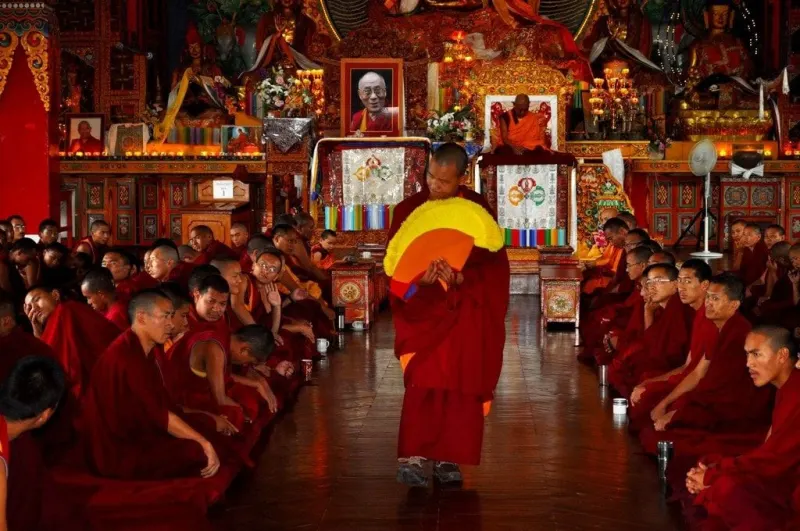
All Spiritual Journey trips
14 hand-crafted spiritual journey itineraries, from short tasters to multi-week expeditions.
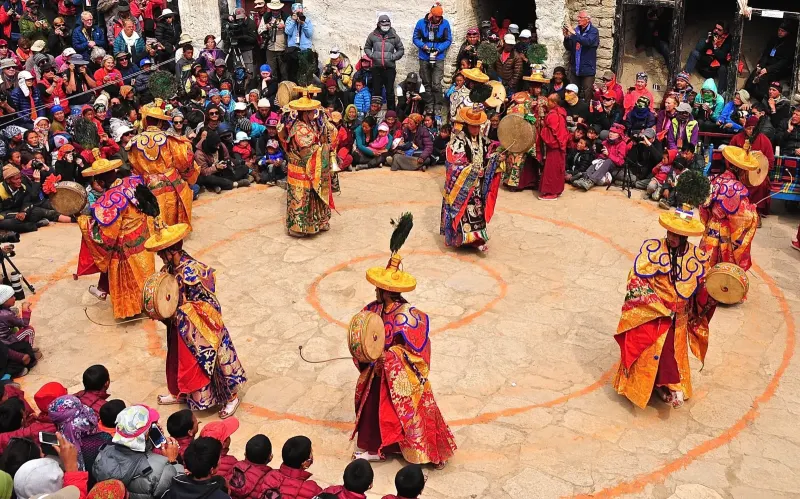
Upper Mustang-Tiji Festival
18 daysFrom $2,525.webp)
Kailash Mansarovar Heli Tour
10 daysFrom $4,010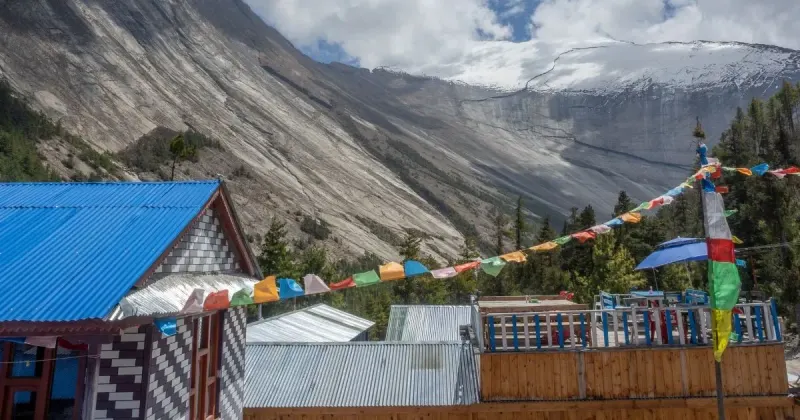
Swargadwari Pilgrimage Tour
7 daysFrom $1,090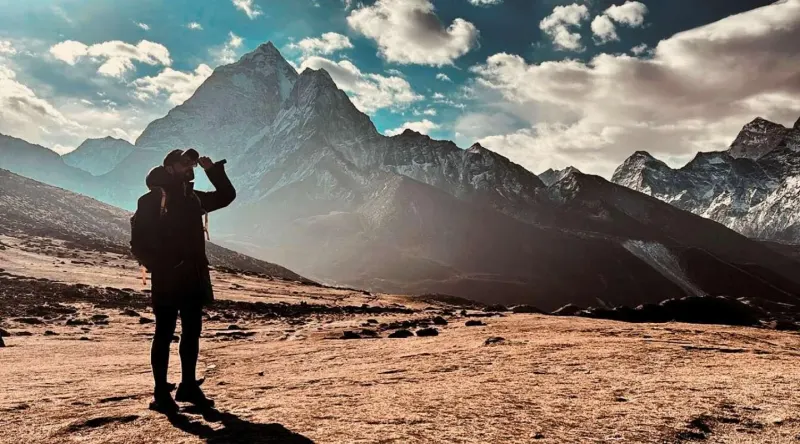
Mount Kailash Tour with Everest Base Camp
15 daysFrom $2,999.webp)
Nepal Yoga Retreat
6 daysFrom $1,100
Poon Hill Sun Salutation Yoga Trek
10 daysFrom $1,250.webp)
Buddhism Circuit-Nepal
10 daysFrom $1,205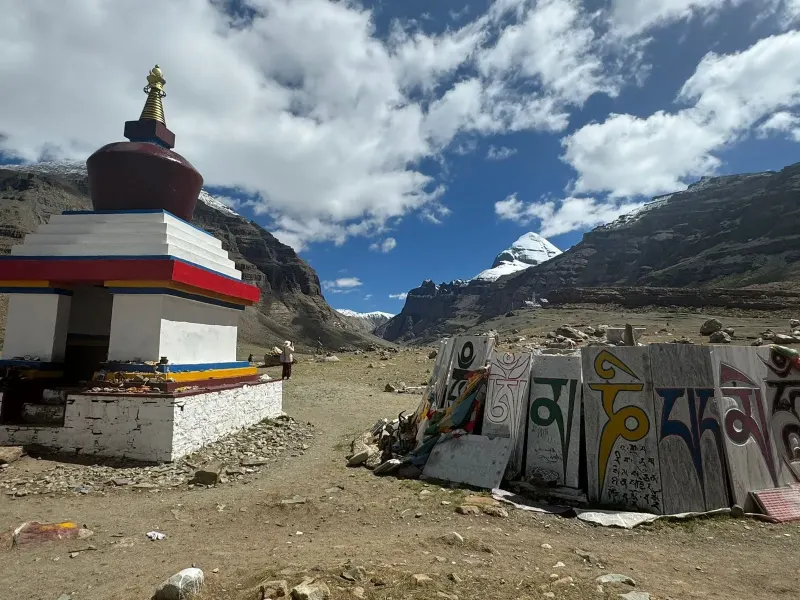
Kailash Mansarovar Overland Tour
18 daysFrom $2,550
Best of Nepal, Bhutan and Tibet
21 daysFrom $3,450
Best of Nepal and Bhutan Tour
14 daysFrom $2,350
Nepal and Bhutan Tour
13 daysFrom $2,300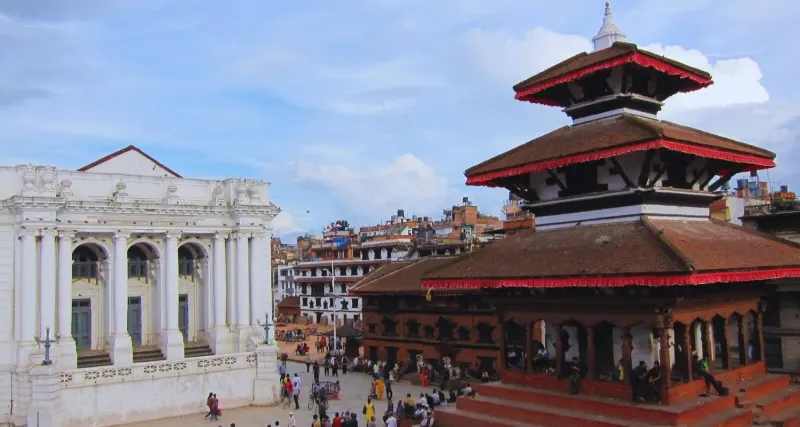
Spiritual Retreat Nepal
8 daysFrom $887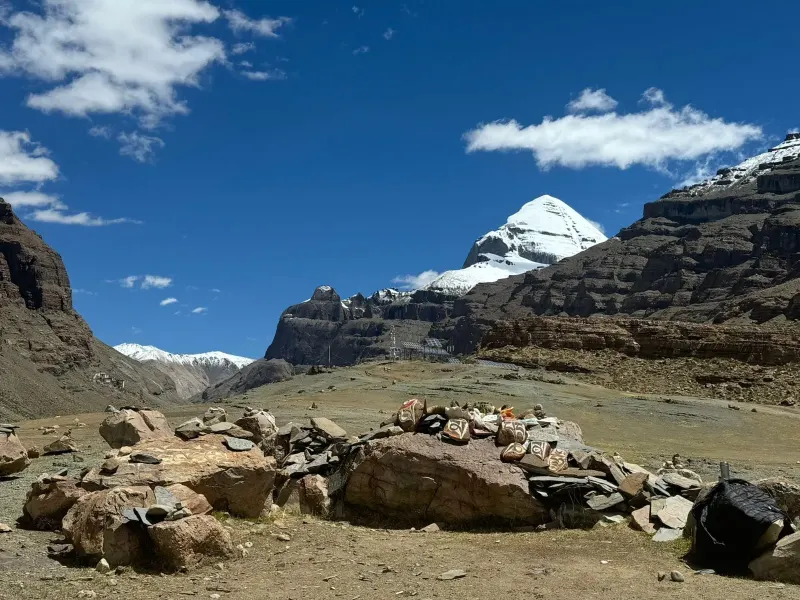
Kailash Mansarovar via Limi Valley
25 daysFrom $3,995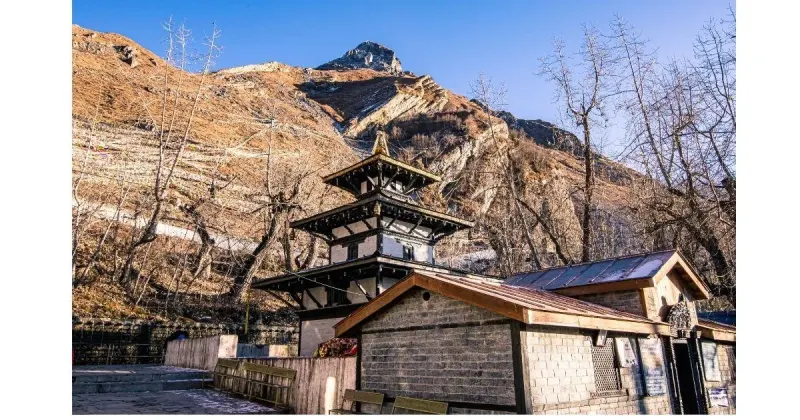
Muktinath Tour
5 daysFrom $927
The Pilgrimage Sites and What They Ask of You
Pashupatinath is one of the twelve Jyotirlinga shrines of Shiva and the holiest Hindu site in Nepal. Non-Hindus cannot enter the inner temple, but the grounds along the Bagmati are open, and the evening Aarti draws thousands. About 300 km south, Lumbini is where Queen Maya Devi gave birth to Siddhartha Gautama under a sal tree around 563 BC. Between them sits Muktinath at 3,800 m, which is unusual for being genuinely sacred to Hindus and Buddhists both, with 108 water spouts and a natural gas flame burning over water.
Mount Kailash is the one that changes the shape of a trip. The 6,638 m peak in western Tibet is Shiva's abode to Hindus, the centre of the universe to Tibetan Buddhists, and holy to Bon and Jain traditions as well. Nobody climbs it; that is the whole point. Pilgrims walk the 52 km kora around its base, crossing the Dolma La pass at 5,650 m, usually over three days. Tibetans do the circuit in one, and some prostrate the entire distance, which takes weeks.
Pashupatinath and Boudhanath are an afternoon; Kailash is three weeks. Be clear-eyed about which of these is a visit and which is an undertaking. Lumbini is a two-day trip from Kathmandu, not the day trip some itineraries claim. Muktinath means going to Mustang. The Kailash yatra is a three-week commitment through Tibet at altitude, runs only from May to September, and costs several times what the others do. See cultural tours if the heritage rather than the pilgrimage is what draws you.
Featured spiritual journey sites
Best season & permits
When to go
Permits
- FreePashupatinath TempleGrounds open to all. The inner temple is Hindu-only.
- FreeLumbini Sacred GardenFree to enter. The Maya Devi Temple charges a small separate fee.
- $1,500–$3,500Kailash Yatra (Tibet)A full package from Kathmandu covering permits, guide and transport. May to September only.
- $30Muktinath (Mustang)ACAP entry permit for the Annapurna Conservation Area